

SEO stands for search engine optimisation (Search Engine Optimization) and it is a process used to optimise the technical setup of a website, the relevance of content and link popularity. This makes pages easier to find, more relevant and more popular for specific user queries. The result is higher ranking in search engines.
Search engines prefer SEO actions that are beneficial in terms of user experience and page ranking. To this end, it is necessary to create content that meets users’ needs. This includes using relevant keywords in titles, meta descriptions and headings (H1). It is also important to use descriptive URLs with keywords and Schema markup to establish the meaning of content.
It is worth adding that search engines help people find what they are looking for online. Whether the search is for a product, a restaurant or a holiday booking offer, search engines are a common starting point in the search for information. They offer business owners a valuable opportunity to drive traffic to their websites.
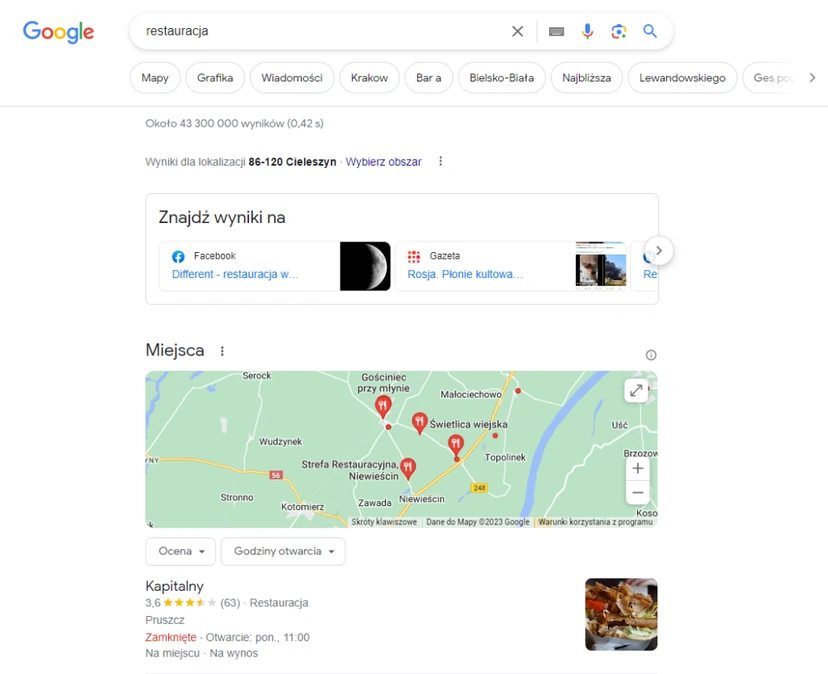
Search engine optimisation (SEO) is the practice of directing a website towards achieving better positions on the search results page (Search Engine Results Page – SERP). This in turn translates into more traffic. The aim of SEO usually is to secure a place on the first page of Google search results, because such pages are the most important for target audiences. In SEO, it is essential to understand audience needs and the technical nature of a website’s setup.
How do search engines work?
Search engines provide results for any query entered by users. To do this, they examine and try to understand the web of pages available on the Internet. They use a sophisticated algorithm that determines which results are to be displayed for each query.
- 01Web crawlingThey learn the content of pages.
- 02Ranking algorithmThey determine the best results.
- 03Google dominance~92% of the market, crucial for SEO.
- 04User experienceFast, relevant answers.
The key is to deliver the best experience for the searcher.
Why does SEO focus on Google?
For many people, the term “search engine” means the same as Google. It is a search engine that accounts for around 92% of the global search market. Because Google is the dominant search engine, SEO usually emphasises what works best for Google. That is why it is important to clearly understand how this search engine works.
What does Google expect?
Google was created to provide the best possible experience and feelings for searchers. This means delivering relevant results as quickly as possible.
The two basic elements of the search experience are the search term (the information provided by the user) and the search result (the result).
An example might be searching for “MailChimp guidelines and tutorials”. This is a fairly clear and unambiguous search. Google understands what the user is asking for and presents a useful page at the top of the organic results – the MailChimp page with the relevant title and brand.
From Google’s perspective, this is a very good search result and an excellent user experience. There is a high probability that the user will click the result and be satisfied with what they receive.
- 01SERP structurePaid + organic
- 02Organic assessmentQuality and relevance
- 03Various elementsMaps, images, video
- 04Variable number of adsDepends on the query
The SERP (Search Engine Results Page) combines paid ads and organic results, whose visibility depends on quality and user intent.
How does Google make money?
Google also gives businesses the opportunity to pay for ads to be placed at the top of the search results page. The word “Ad” (Advertisement) marks a list of such paid ads. Google makes money when searchers click on such pay-per-click (PPC) ads, which are paid for via Google Ads (ex-AdWords). In particular, such ads appear for more generic queries.
Apart from a small label, such search results are almost impossible to distinguish from the others. Of course, this is deliberate, because many users click on such results without realising they are looking at ads.
This is what Google is most banking on. Ad revenue accounted for over 80% of the $182.5 billion that Google earned in 2020. The core products are, of course, search features, but Google relies heavily on its advertising business to generate profits.
Anatomy of search results
A search results page (SERP) consists of paid and “organic” search results. It is important to remember that organic results do not generate profit for Google. This search engine delivers results based on its own assessment of the relevance and quality of a given page. Depending on the type of query, Google will also include other elements on the SERP, such as maps, images or video content.
The number of ads on a SERP depends on what users searched for. For example, if someone searches for “shoes”, there will probably be quite a few results at the top that are ads. You will then need to scroll down the page to find the first organic result.
Such a query usually generates a lot of ads, because there is a good chance that the searcher wants to buy shoes online. There are also many companies selling and manufacturing shoes that want to pay for a Google Ads result for such a query.
On the other hand, if you type FC Barcelona into the search engine, the results will be completely different. This is because such a search is linked to the name of a professional football team. However, this query is less clear. You can therefore find news pages, a knowledge graph and the team’s website.
These three types of results at the top of the page mean that Google does not know exactly what the search intent is. However, it provides access to plenty of information about the team, recent news or takes you to its official website.
For such a query, the intent is rather not to buy, so in this situation it is hard to look for Google Ads among the results.
The role of SEO
The aim of SEO is to improve a website’s ranking in organic search results. There are various practices for optimising Google Ads, shopping and local results.
It may seem that there are many elements affecting the SERP, but SEO activities are absolutely worthwhile in the long term.
Given that Google processes billions of queries a day, organic search results are a “big slice of the pie”. Once you achieve the right organic results, every click generating traffic to the website is completely free.
FAQ
Frequently asked questions
How does SEO work on a website?
SEO involves optimising a website’s technical setup, content and link popularity so it is easier to find and better matches user queries. As a result, the site can achieve higher positions in search results.
Does SEO help drive traffic from Google?
Yes, the goal of SEO is to improve positions in organic search results, which translates into more traffic. Clicks from such results are free.
Why does SEO focus mainly on Google?
Because Google has around 92% of the global search market. For this reason, SEO activities usually focus on what works best in that search engine.
What elements are important in content SEO?
It is important to use the right keywords in titles, meta descriptions and H1 headings. Descriptive URLs and Schema markup are also important, as they help define the meaning of the content.
How do organic results differ from ads in Google?
Organic results are selected by Google based on the quality and relevance of the page, while ads are paid for and marked as “Ad”. Google makes money from clicks on PPC ads.
When is it worth aiming for the first page of search results?
Usually when we want to reach target audiences and increase the site’s visibility. The article emphasises that the first page of Google results is the most important for users.