
Bad external links, known as toxic links, are links from suspicious or spammy sites that can harm your website – both in terms of SEO and its reputation in search engines. Unethical linking practices often lead to a drop in visibility in Google results, algorithmic or manual penalties. Learn how to identify toxic links, protect your link profile and effectively counter their negative impact on your site.
What are bad external links?
Bad external links, often referred to as toxic, are links pointing to your site that come from suspicious, spammy or low-quality websites. Such links can harm both SEO and the site’s reputation in the eyes of search engine algorithms such as Google. Unlike valuable links that build domain authority, these harmful ones are usually acquired unnaturally or come from domains penalised by the search engine.
The biggest threat associated with toxic links is their negative impact on SEO. Algorithms may consider them an attempt to manipulate search results, which can result in penalties – both manual and algorithmic. Examples of such links include those coming from sites with poor content, those violating Google’s guidelines, or those using artificial linking schemes.
It is worth emphasising, however, that not every link from a low-value site is automatically harmful. Google’s algorithms can distinguish natural links from suspicious ones and evaluate them accordingly. Even so, an excess of toxic links can lead to a drop in search rankings or even the site being removed from the index. That is why it is so important to regularly review your link profile and remove harmful links.
- 01Low-quality websitesThey come from spam or suspicious domains
- 02They harm SEO and imageNegative impact on authority and position
- 03Unnatural processOften acquired in a manipulative way.
- 04Risk of penalties from GoogleMay result in manual or algorithmic penalties.
Key takeaway: Toxic links, unlike valuable ones, are a threat and should be avoided for SEO safety.
How do you identify toxic links?
Identifying harmful links requires a careful look at several important aspects. The key is to pay attention to the link’s source – if it comes from domains that have been penalised by Google (e.g. for breaking webmaster guidelines), that is a clear sign that we are dealing with a toxic source. Such sites often publish low-value content or use unethical SEO methods.
Equally important is the way the link was acquired. Links obtained artificially – for example through buying link packages, mass exchanges or taking part in link networks – are considered harmful. Google’s algorithms effectively detect such manipulations and may regard them as an attempt to cheat the ranking system.
The quality of the source site should not be overlooked either. Websites offering low-quality content, spam, outdated information or copyright violations often generate toxic links. Such links not only fail to deliver SEO benefits, but can also negatively affect your site’s reputation.
The context in which the link is placed also plays an important role. If the link appears in content unrelated to your site’s subject matter or is surrounded by spammy keywords, it may be considered harmful. Examples include links added in comments on forums or blogs without proper moderation.
To avoid problems, it is worth regularly monitoring your link profile using tools such as Google Search Console or Ahrefs. This makes it possible to quickly detect potentially harmful links and take the appropriate corrective action, protecting your site from the negative consequences of such practices.
Symptoms of toxic links
Toxic links can seriously harm a website, and their effects are usually visible in the form of a drop in traffic and poorer search rankings. One of the first warning signs is a sudden loss of visibility in Google, often caused by a penalty imposed by the search engine algorithms. In tools such as Google Search Console, warnings may appear about suspicious links pointing to your website.
Another worrying symptom is a decrease in organic traffic, even if the site has not undergone any significant changes. Toxic links can also lower Domain Authority, which negatively affects the effectiveness of SEO activities. In the worst cases, an excess of harmful links can lead to the site being completely removed from Google’s index.
To avoid such problems, it is crucial to regularly monitor link sources. If they come from low-quality, spammy or Google-guideline-violating domains, there is a high probability that they are toxic. Systematic link profile analysis allows you to quickly detect such threats and take appropriate remedial action, such as removing harmful links or reporting them using tools such as Disavow Tool.
- 01Drop in top positionsLoss of visibility in Google
- 02Penguin algorithmGoogle penalties for low quality
- 03Less organic trafficFewer visits to the site
- 04Lower domain authorityDrop in Domain Authority (DA) and credibility
Bad external links harm a website, causing a drop in visibility, algorithmic penalties and a reduction in domain credibility.
Links from domains penalised by Google
Links coming from domains penalised by Google are a classic example of toxic links. Such sites have been penalised by the search engine for breaking its guidelines, e.g. using artificial linking methods, publishing low-quality content or spamming. Links from these sources can negatively affect your website’s authority, because Google sees them as an attempt to manipulate rankings.
Penalised domains are often those that have been removed from the search index or have received warnings in Google Search Console. Algorithms usually ignore links from such sites, and in the worst case they can also lead to a penalty being applied to your website. That is why it is crucial to avoid links from suspicious sources and regularly monitor your link profile using tools such as Ahrefs or Majestic.
If you come across links from penalised domains, do not delay action. You can contact the site owner and ask them to remove the link or report it to Google using Disavow Tool. This helps you minimise the risk of a negative impact on your site’s SEO and maintain its high position in search results.
Links acquired unnaturally
Links gained in an unnatural way, e.g. through spammy comments on forums, blogs or sites of questionable quality, are a serious violation of Google’s guidelines. Such practices can lead to penalties – both algorithmic and manual. This includes links coming from mass exchanges, purchased link packages or participation in link networks.
Google effectively identifies this type of manipulation and treats it as an attempt to deceive the ranking system. What is more, such actions not only do not bring SEO benefits, but can also harm the domain’s authority, lowering its positions in search results. In the worst case, an excess of artificial links can even lead to the site being removed from Google’s index.
That is why it is worth focusing on natural link building – acquiring links from valuable and topically relevant sources. Regular monitoring of the link profile using tools such as Google Search Console or Ahrefs allows you to quickly detect harmful links and take the appropriate corrective steps, e.g. removing them or reporting them using Disavow Tool.
- 01Contact the siteAsk for removal
- 02Google Disavow ToolReport unwanted links
- 03Profile analysisIdentify multiple sources
A quick response and the right tools are the key to protecting your site’s rankings.
What are the negative effects of bad external links?
Bad external links can seriously harm a website, and their negative effects are multifaceted. One of the most damaging problems is a drop in search engine rankings. Google algorithms, such as Penguin, were created precisely to detect and penalise sites using suspicious or low-quality links. As a result, a site may lose visibility in organic results, which directly translates into less traffic.
Another challenge is the reduction of domain authority. Links coming from toxic sources can make Google start viewing a site as less credible. This affects a drop in Domain Authority (DA) or Page Authority (PA), making it harder to compete with other websites. In extreme cases, an excess of harmful links can even lead to a manual penalty or removal of the site from Google’s index.
The impact on site reputation should also not be forgotten. Even if no algorithmic or manual penalties are imposed, users may start to perceive the website as less trustworthy when they notice its associations with spammy sources. This often leads to lower user engagement and lower conversion rates.
In addition, managing link profiles requires a lot of time and resources. Removing harmful links or reporting them using Google Disavow Tool is a tedious and time-consuming process. It can divert attention from other key SEO activities, such as content optimisation or building valuable links.
It is therefore worth regularly monitoring the link profile and removing harmful links to avoid drops in search rankings, loss of domain authority or damage to the site’s reputation. Looking after link quality is an investment in the long-term success of the website.
Impact on SEO
Toxic external links pose a serious threat to SEO, negatively affecting domain authority and causing drops in search rankings. Google algorithms, such as Penhttps://kubadzikowski.com/blog/algorytm-pingwin-w-seo-co-warto-wiedziec/guin, are specifically designed to identify low-quality links, and sites using them may be penalised. As a result, the site loses visibility in organic results, which translates into less traffic.
However, the consequences of toxic links go beyond lower rankings. They can also reduce Domain Authority (DA) or Page Authority (PA), making Google start to see the site as less credible. In extreme cases, too many harmful links can result in a manual penalty or even removal of the site from the index.
Managing link profiles is no easy task. Removing harmful links or reporting them using Google Disavow Tool takes time and commitment. This process often diverts attention from other key SEO activities, such as content optimisation or building valuable links.
That is why regular monitoring of the link profile is essential. Eliminating toxic links helps maintain high search rankings and protects the site’s reputation. Investing in link quality is the key to long-term success for the website.
Drop in search rankings
A drop in search rankings often results from the presence of harmful links in the site’s link profile. Google algorithms, such as Penguin, were created precisely to detect low-quality links. Sites that use suspicious link-building methods may suddenly lose visibility, which directly leads to a drop in organic traffic.
The problem is that Google sees toxic links as an attempt to manipulate rankings. Links from penalised domains, spammy websites or links acquired unnaturally weaken domain authority (Domain Authority). As a result, the site loses the algorithms’ trust, and in the worst case an excess of harmful links can lead to a manual penalty or even removal of the site from Google’s index.
To prevent such situations, regular monitoring of the link profile is essential. Tools such as Google Search Console or Ahrefs make it possible to quickly identify problematic links and take the appropriate remedial steps – whether by removing unwanted links or reporting them using Disavow Tool. Removing toxic links not only restores the site’s visibility in search results, but also helps maintain its good reputation in the long term.
How to monitor and analyse external links?
Tracking and analysing links external links is the foundation of effective management of a site’s link profile. With regular checks, you can not only detect harmful links, but also assess the value of acquired backlinks, which is crucial for maintaining high rankings in search engines.
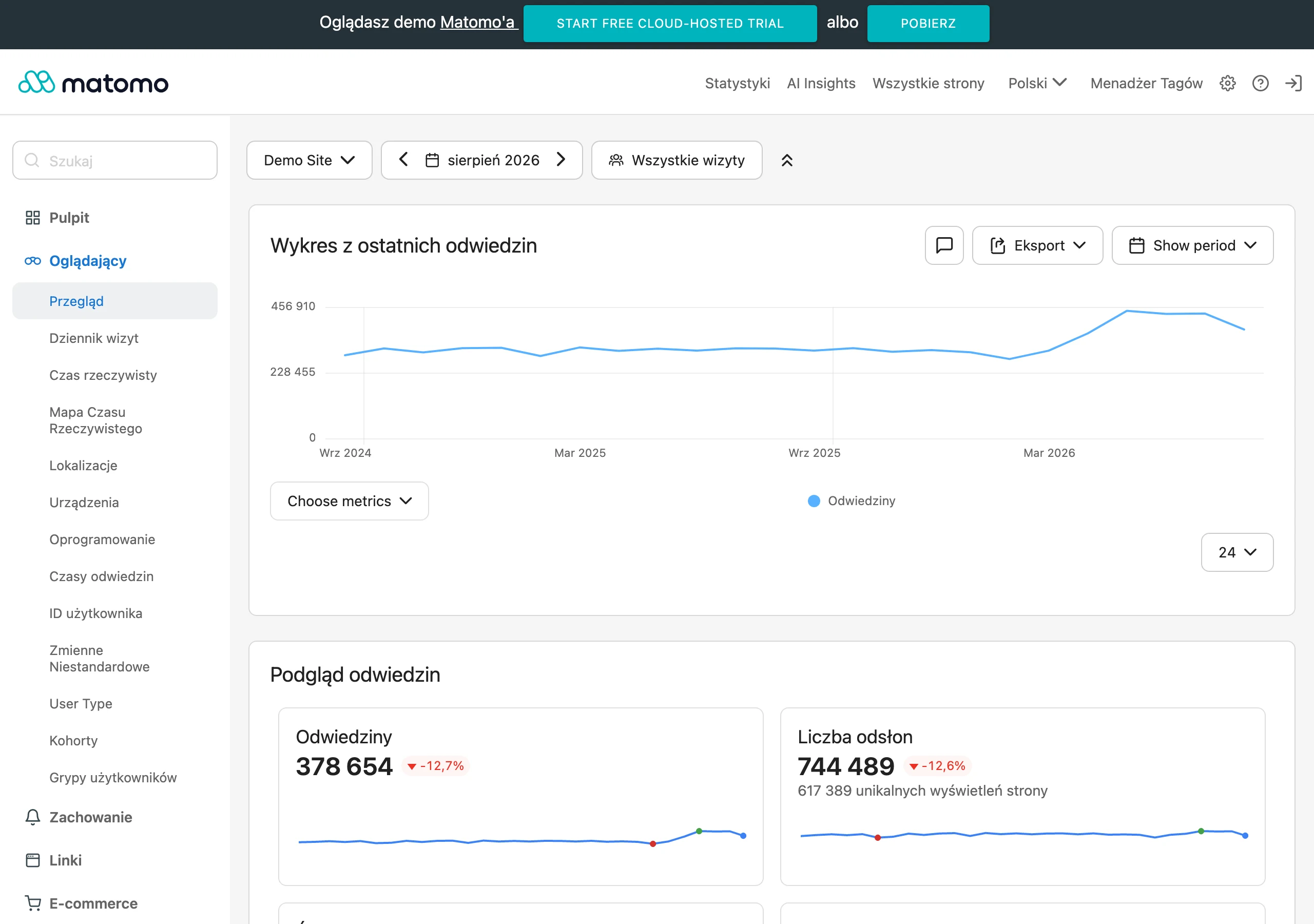
In this process, it is worth using professional SEO tools, such as Google Search Console, Ahrefs, Majestic or SEMrush. These platforms allow you to monitor link sources, their quality and their impact on site optimisation in detail. With them, you can easily identify links coming from suspicious domains, spammy websites or those penalised by Google.
When analysing, it is worth paying attention to several important elements:
- the authority of the source domain – check its Domain Authority and compliance with Google’s guidelines,
- the context in which the link is placed – links should appear in content thematically related to your site,
- link acquisition methods – avoid unnatural practices such as exchanges or buying packages.
Regular monitoring of your link profile allows you to react quickly if threats are detected. If you come across toxic links, you can take remedial steps:
- ask the site owner to remove the harmful link,
- use the Google Disavow Tool to report the problematic link.
Analysing links is not just about eliminating risk, though – it is also an opportunity to strengthen your SEO efforts. Identifying valuable sources allows you to build a strong link profile, which translates into better positions in search results and increased organic traffic.
Systematic monitoring and analysis is an investment in your site’s long-term success. This helps you avoid algorithmic penalties, maintain high domain authority and ensure stable visibility in Google.
Tools for link analysis
Analysing external links is a key element of effective SEO, and professional tools can make this process much easier. With them, you can monitor your link profile, detect harmful links and assess their impact on SEO. One of the most popular solutions is Google Search Console, which provides detailed information about links pointing to your site and warns you about potential issues related to their quality. This allows you to react quickly if toxic links are detected.
If you are looking for more advanced features, it is worth paying attention to Ahrefs. This tool offers comprehensive backlink analysis, enabling you to check the authority of the source domain, the context of link placement and its impact on SEO. In addition, Ahrefs lets you monitor competitors’ activities, which can be invaluable when building valuable connections.
Another solution worth noting is Majestic, which specialises in link profile analysis. Its standout feature is the Trust Flow (TF) metric, which measures the quality of links based on their source. This makes it easy to distinguish valuable links from those coming from suspicious sources.
For those looking for a comprehensive approach to SEO, SEMrush may be the ideal choice. This tool combines link monitoring functions with other aspects of website optimisation. It not only allows you to identify harmful links, but also to plan a strategy for building a natural link profile.
For smaller projects, it is worth considering more affordable solutions, such as Ubersuggest or SeoStation. Although they offer basic backlink analysis functions, they may be sufficient for beginners or less demanding users.
Regular use of these tools is the basis of effective link profile management. It allows you to keep an ongoing check on the quality of links and react quickly to any threats, which is crucial for maintaining a high position in search results and protecting the site’s reputation.
What to do with toxic links?
Toxic external links can seriously damage your site’s position in search results. That is why it is crucial to remove or neutralise their impact quickly and effectively. Start by contacting the site owner where the harmful link is located. By sending a professional email, you can ask for such a link to be removed. However, if you do not receive a response or are met with refusal, it is worth using the Google Disavow Tool. This tool allows you to report unwanted links to Google, so that the search engine stops taking them into account when assessing your website.
If toxic links come from multiple sources, it is necessary to carry out a detailed link profile analysis. Tools such as Ahrefs or Majestic will help you identify all harmful links and prepare a list for submission via the Disavow Tool. Regular monitoring of your link profile is equally important – it allows you to react quickly to new threats and prevent their negative consequences.
If Google has imposed a manual penalty on your site, after removing or disavowing toxic links you should submit a reconsideration request. Include a detailed report describing the remedial actions taken. Remember, however, that this process takes time and patience, but it is essential for restoring your site’s visibility in search results.
These steps not only minimise the negative impact of toxic links on SEO, but also help maintain a high site reputation and its domain authority. Regular link profile management is an investment in your website’s long-term success. This will keep your site safe and competitive in the dynamic world of SEO.
Removing and disavowing links
Managing a site’s link profile requires attention, especially when toxic links appear. The first step should be to contact the site owner where the harmful link is located. Sending a polite, professional request for removal often brings positive results, especially if the site is not acting maliciously.
However, if the owner does not respond or refuses to cooperate, it is worth using the Google Disavow Tool. It allows you to report unwanted links to Google, which means the search engine stops taking them into account when evaluating the website. Before using this tool, it is worth analysing the link profile in detail with specialist solutions such as Ahrefs or Majestic, in order to prepare a list of harmful backlinks.
If Google has imposed manual penalties, after removing or disavowing the problematic links you should submit a reconsideration request. It is worth attaching a detailed report describing the remedial steps taken to the request. Regular monitoring of the link profile and quickly responding to new threats are key elements of maintaining a high ranking in search results and protecting the site’s reputation.
Google Disavow Tool
Google Disavow Tool is a tool created by Google that allows webmasters to report links they want the search engine to exclude from evaluating their site. It is particularly useful in situations where harmful backlinks cannot be removed manually, e.g. when the site owner does not respond to requests for cooperation or refuses to remove the link. This tool helps protect your website from the negative impact of toxic backlinks on SEO.
To use this function, you need to:
- analyse the link profile using tools such as Ahrefs, Majestic or Google Search Console,
- prepare a text file in .txt format containing a list of URLs or domains to be ignored by Google,
- upload the file via the interface available in Google Search Console.
It is worth remembering that using this tool requires caution and should only be used in justified cases. Incorrect use may cause valuable links to be ignored, which can harm the site’s ranking in search results. That is why, before reporting links, you should analyse their source and impact on SEO carefully.
After the file is submitted, Google begins analysing the reported links and stops considering them when evaluating the site. However, the effects may only become visible after a few weeks or months, as indexing and Google’s data updates take time.
Regular monitoring of the link profile and the careful use of Google Disavow Tool are key elements of effective SEO management and protecting a website’s reputation. Remember: caution and thorough analysis are absolutely essential here.
Contacting the linking site
An effective way to get rid of toxic links is to contact the website that publishes them directly. Start by sending the site owner a professional message requesting the removal of the harmful backlink. In the email, it is worth explaining why the link may negatively affect your site’s position in search results and what consequences this may have for SEO.
However, if the site owner does not respond or refuses to cooperate, the next step is to use the Google Disavow Tool. Before reporting the problematic link, analyse your link profile carefully using tools such as Ahrefs or Majestic to make sure that the backlink really is harming your site. Then prepare a text file containing a list of URLs or domains to be ignored and submit it through Google Search Console.
It is worth remembering that communication with linking sites should always be conducted politely and professionally – even if the site seems suspicious. Good manners increase the chances of a positive response and cooperation. Regular monitoring of the link profile and quick responses to new threats are key actions that will help maintain a high ranking in search results and protect the site’s reputation.
How to avoid bad external links?
To avoid harmful external links, it is crucial to take care of the quality and naturalness of the backlinks acquired. The first step should be establishing cooperation with valuable websites that are topically related to your site. Working with domains with high authority (DA) and compliant with Google’s guidelines significantly reduces the risk of toxic links appearing.
You should also avoid artificial link-building methods such as:
- mass link exchanges,
- buying backlink packages,
- participating in link networks.
Google algorithms such as Penguin are effective at detecting such practices and may impose penalties, which will negatively affect the site’s ranking in search results.
Regular analysis of the link profile is another important element. By using tools such as Google Search Console, Ahrefs or Majestic, you can monitor backlink sources on an ongoing basis and respond quickly to potential threats. This makes it easy to detect harmful links coming from penalised domains or sites with low-quality content.
The key to effective SEO is natural link building. It is worth investing in creating valuable content that attracts the attention of other users. Expert articles, infographics or research often become a source of high-quality backlinks, because others are happy to share them – all without the risk of violating Google’s rules.
However, if you notice suspicious links in your backlink profile, act quickly. Get in touch with the owner of the source site and ask them to remove the harmful link. If you do not receive a response, you can use the Google Disavow Tool, which allows you to report unwanted links to the search engine.
Avoiding bad links requires consistency: building genuine relationships, abandoning artificial methods and regularly analysing your backlink profile. This way, your site will maintain a high position in search results and avoid penalties from Google’s algorithms.
Natural linking and avoiding artificial schemes
Natural linking is the foundation of effective SEO, based on acquiring links organically, without resorting to artificial methods. Unlike practices such as buying links or mass link exchanges, natural links are earned through valuable content and genuine relationships with other websites. Google particularly values this approach, because it reflects the actual value of the site to users.
The key to avoiding artificial schemes is creating high-quality materials. Expert articles, research or infographics often become a source of natural backlinks, as other users are happy to share such content. This not only builds domain authority, but also minimises the risk of breaching Google’s guidelines.
It is also important to cooperate with valuable sites with high authority (DA) and thematically related to your website. However, you should avoid suspicious practices such as participating in link networks or spamming comments on forums. Google’s algorithms effectively detect such manipulation and may impose penalties, which will negatively affect the site’s position in search results.
Regular monitoring of your backlink profile is key. Using tools such as Google Search Console or Ahrefs, you can quickly detect potentially harmful links and take the appropriate remedial steps. This minimises the risk of toxic links appearing and helps you maintain your site’s strong reputation.
Natural linking is not just about avoiding penalties – it is an investment in your site’s long-term success. By building genuine relationships and creating valuable content, you increase the chances of earning high-quality backlinks and maintaining a stable position in search results. Although it requires time and commitment, this process brings lasting benefits to your website.
FAQ
Frequently asked questions
How can I spot toxic external links pointing to my site?
Pay attention to whether the link comes from domains penalised by Google, spammy sites or low-quality sites. Links acquired artificially and placed in an unrelated, spammy context are also suspicious.
Does a link from a low-value site always harm SEO?
Not always, because Google can tell natural links from suspicious ones. The problem only arises with an excess of toxic links or links obtained in an unnatural way.
Why can toxic links lower a site’s rankings in Google?
Algorithms may see them as an attempt to manipulate search results. In that case the site loses visibility, and in extreme cases it may receive a manual or algorithmic penalty.
What are the signs that a site has a problem with bad external links?
Typical signals include a sudden drop in visibility in Google and organic traffic. Warnings about suspicious links may also appear in Google Search Console.
What should I do with links coming from domains penalised by Google?
First, you can ask the site owner to remove the link. If that does not help, it is worth submitting it via Disavow Tool.
How can I monitor my link profile to detect toxic links?
It’s worth regularly checking links in Google Search Console, Ahrefs, Majestic or SEMrush. This way you can spot suspicious sources faster and react before they harm SEO.