
SEO in e-commerce is the foundation of success for every online store, ensuring greater visibility in Google search results. Proper technical optimisation and content optimisation help not only attract more engaged customers, but also increase organic traffic, conversion rate and sales. Find out how effective SEO actions – from keywords to site structure – can build a competitive advantage and long-term trust in your brand.
What is SEO in e-commerce?
SEO in e-commerce is the process of optimising online stores to increase their visibility in Google search results. Effective SEO helps attract more users, which translates into greater organic traffic, higher conversion rates and increased sales. In e-commerce, SEO activities cover both technical and content-related aspects, with the aim of adapting the website to search engine requirements and customer needs.
The key elements of SEO in e-commerce are:
- content optimisation for keywords,
- improving site structure,
- using structured data,
- website responsiveness,
- fast page loading time.
An SSL certificate builds customer trust, and properly planned internal linking and external linking strengthens the site authority. SEO in e-commerce differs from traditional SEO because of the specifics of online stores. It requires taking into account unique elements such as:
- product categories,
- detailed descriptions,
- price filters.
Thanks to a well-thought-out SEO strategy, you can not only increase organic traffic, but also improve the conversion rate and strengthen the store’s market position in the long term.
- 01Optimisation processIncreasing visibility in Google.
- 02Attracting usersMore traffic, conversion, sales.
- 03Technical and content-related aspectsAdapting to search engines and customers.
- 04SSL certificateBuilding customer trust.
- 05LinkingStrengthening site authority.
Goal: effective optimisation for better business results.
Why should you optimise online stores?
SEO for online stores is one of the most important pillars of an e-commerce marketing strategy. It can significantly improve visibility in Google search results, which directly translates into growth in organic traffic. Pages appearing on the first page of results attract as much as 71% of all clicks, which shows how important it is to achieve a high position.
One of the key benefits of SEO is sales growth. Stores that are easy for potential customers to find have a greater chance of conversion. What is more, users often prefer organic results over paid ads, which makes investment in SEO worthwhile in the long term.
Equally important is building trust in the brand. Stores occupying high positions in search results are perceived as more professional and trustworthy. Additional elements, such as an SSL certificate or technical optimisation of the site, strengthen this effect even further, influencing consumers’ purchase decisions.
SEO is also a way to gain a competitive advantage. In the world of e-commerce, competition is extremely intense, and well-planned SEO activities can make a store stand out from other players. Investments in content optimisation, effective linking and improving user experience bring long-term benefits in the form of steady growth in traffic and sales.
It is also worth noting that SEO is not only a tool for acquiring new customers. It is also an effective way of building loyalty. Regularly publishing valuable content and adapting the site to users’ needs make the shop a source of knowledge and inspiration for them. This, in turn, increases user engagement and encourages them to return more often.
Increasing visibility in search engines
Increasing visibility in search engines is one of the most important goals for every online store. Thanks to effective SEO optimisation, you can achieve higher positions in Google’s organic results, which has a significant impact on brand visibility. It is worth remembering that pages appearing on the first results page attract as much as 71% of all clicks – this shows how important it is to aim for these positions.
High visibility translates directly into greater organic traffic, which is crucial for e-commerce growth. Users are more likely to choose organic results than paid ads, which means that investment in SEO quickly pays off. What is more, a high position in search results builds trust in the brand – shops visible in top positions are perceived as more professional and more worthy of recommendation.
To improve your online presence, it is worth focusing on a few key aspects:
- content optimisation for relevant keywords,
- improving the site structure and using structured data,
- ensuring the site is responsive and has fast loading times,
- implementing an SSL certificate, which increases security and user trust.
In SEO activities, link building – both internal and external – also plays an important role, as it builds the site’s authority. Regularly publishing valuable content and adapting the site to users’ needs make the shop a source of knowledge and inspiration for customers. This, in turn, leads to greater user engagement and encourages them to visit more often.
Working towards better visibility in search engines is not only a way to acquire new customers. It is also a tool for building loyalty and gaining a competitive advantage in the dynamic world of e-commerce. With well-planned SEO activities, long-term benefits for an online business can be achieved.
- 01Site structure and hierarchyOrganising content and categories.
- 02Structured data (Schema)Displaying rich results.
- 03Friendly URLs and metaKeywords and clarity.
A clear architecture and precise data are the foundation of visibility and indexing.
Increasing traffic and conversions
Increasing traffic and conversions are key goals of any SEO strategy in e-commerce. A greater number of organic visits to an online store translates into a higher number of potential customers, which directly affects sales growth. Conversion, meaning turning visitors into buyers, is one of the most important measures of success in online retail.
Good SEO attracts users who are genuinely interested in the products or services on offer. By optimising content for keywords and improving the user experience (UX), shops can increase both traffic and conversion rate. Research shows that pages on the first search results page generate as much as 71% of all clicks, which has a direct impact on sales performance.
The quality of organic traffic also plays an important role. People arriving at a shop through well-matched keywords are usually more likely to buy than those coming from paid advertising campaigns. That is why investment in SEO brings long-term benefits, such as steady sales growth and building customer loyalty.
To achieve these goals, it is worth focusing on a few key activities:
- adapting content to user intent,
- improving page loading speed,
- using structured data for better indexing by Google,
- regularly updating the offer and content on the site.
Thanks to these steps, an online store can not only attract more visitors, but also effectively persuade them to buy, which ultimately leads to increased revenue.
Increasing sales and building market position
SEO for online stores plays a key role in increasing sales and strengthening market position. Stores that rank highly in Google search results attract a larger number of potential customers, which directly translates into higher revenue. According to studies, pages on the first results page generate as much as 71% of all clicks, making SEO an essential element of success in e-commerce.
Thanks to effective SEO, stores gain a competitive edge. High visibility in search engines not only increases brand awareness, but also builds user trust. In the e-commerce industry, where competition is huge and customers often compare different offers before making a purchase decision, this is particularly important.
SEO optimisation also includes improving the user experience (UX). Fast page loading or responsive design are elements that not only affect search rankings, but also increase the likelihood of conversion. Customers are more likely to choose stores that are easy to use and secure – for example, thanks to an SSL certificate.
Investing in SEO is a long-term strategy that delivers tangible benefits. In addition to increasing sales, it allows you to strengthen the brand’s position in the market. Publishing valuable content regularly and taking care of the site’s technical optimisation make the store more attractive both to users and to Google algorithms. As a result, organic traffic and customer loyalty grow.
- 01Identifying weaknessesAnalysis and optimisation
- 02Technical improvement of the siteSpeed and security
- 03Higher position in resultsBetter Google visibility
- 04Increased trust and salesHigher customer conversion
An SEO audit is the key to long-term growth and success for an online store.
What are the key elements of SEO optimisation for e-commerce?
Optimising SEO for online stores is a process that requires taking into account both technical and substantive aspects that directly affect the site’s visibility in search results. Site structure and structured data are one of the key elements. Thanks to a proper hierarchy of categories and subcategories, users can navigate the site more easily, and search engine robots index content more effectively. In addition, using structured data such as schema markup makes it possible to display rich results – for example product ratings or prices – which attracts the attention of potential customers.
No less important are URL addresses and meta descriptions. User-friendly URLs containing keywords make it easier for both users and Google algorithms to understand the content of the page. Meta descriptions should be unique and encourage clicks, which translates into a higher CTR (Click-Through Rate).
Responsiveness and the mobile version of the site is another important factor. Since most users browse online stores on mobile devices, the site must be adapted to different screen sizes. Google favours mobile sites in its rankings, which is why responsiveness is essential for effective SEO optimisation.
Fast page loading time also plays a huge role. Users expect immediate access to information – delays exceeding 3 seconds can lead to an increase in the bounce rate. To improve site performance, it is worth:
- optimising images,
- minifying CSS and JavaScript code,
- using cache.
The final key element is an SSL certificate, which guarantees the security of data transmitted between the user and the server. Stores with an SSL certificate are perceived as more trustworthy by consumers and preferred by Google algorithms.
All of these elements create a coherent SEO for e-commerce optimisation strategy that translates into better store visibility in search results and an increase in the number of conversions.
Site structure and structured data
Site structure and structured data play a key role in effective SEO for online stores. A clear hierarchy of categories and subcategories not only makes navigation easier for users, but also helps search engine bots better understand the website’s content. As a result, content is indexed more effectively, which translates into greater visibility in search results.
Structured data, such as schema markup, are hugely important for a page’s attractiveness. They allow rich results to be displayed, e.g. product ratings, prices or availability information. Such elements attract the attention of potential customers and can significantly increase the click-through rate (CTR).
To make effective use of structured data, the content needs to be marked up appropriately. Popular schemas include, among others:
- Product for product descriptions,
- Breadcrumb for tracking the category path,
- Review for presenting reviews.
These solutions allow online stores to stand out from the competition in search results.
A well-optimised site is not just about better rankings in Google – it also means greater customer satisfaction and higher chances of conversion. So it is worth taking care of both a clear site structure and the proper use of structured data to attract more users and increase sales.
URL addresses and meta descriptions
URL addresses and meta descriptions are key in optimising SEO for online stores. Friendly URL addresses should be concise, easy to read and contain key words related to the page content. This way, both users and search engine algorithms can quickly recognise the topic of a given subpage. Instead of complicated character strings, it is worth opting for a simple format, e.g. www.sklep.pl/kategoria/produkt.
Meta descriptions act as a page’s calling card in search results. They should be unique, eye-catching and contain key information about the offer. A well-written meta description not only encourages clicks, but also improves the CTR (Click-Through Rate). For example: “Discover high-quality sports shoes at competitive prices – see our collection!”.
It is crucial to maintain consistency between URL addresses, meta descriptions and page content, and to tailor them to users’ needs. This allows the store to increase its visibility in search results and attract more potential customers. Remember – simplicity and clarity are the foundation of effective optimisation!
Responsiveness and the mobile version of the site
Responsiveness and adapting the site to mobile devices are the foundations of effective SEO for online stores. Nowadays most customers browse offers on smartphones and tablets, so the site must be flexible and suited to different screen sizes. Google clearly prefers mobile websites in its rankings, which makes responsiveness not just a convenience, but a necessity in optimisation.
A good mobile site works smoothly, providing users with a positive experience (UX). Thanks to this, customers can browse products, add them to the basket and complete purchases without any issues. Studies show that stores without a mobile version lose up to 40% of potential customers – a huge loss that can be avoided.
Implementing responsive design requires taking several important elements into account:
- flexible content layouts,
- scalable images,
- buttons designed with touchscreens in mind.
No less important is the page loading speed – delays exceeding 3 seconds can significantly increase the bounce rate. So it is worth optimising the code and considering technologies such as AMP (Accelerated Mobile Pages), which significantly speed up website performance.
Responsiveness is not just a matter of user convenience. It is also a way to improve positions in Google search results and increase the chances of conversion. Online stores offering a consistent experience across all devices gain a competitive advantage and build long-term customer trust.
Fast page loading time
Page loading speed plays a key role in SEO for online stores. Search engines such as Google prefer websites that load within 2-3 seconds, because they offer users a smoother experience. Going beyond this time can lead to an increase in the bounce rate by as much as 32%, which has a negative impact on conversions.
To speed up the site, it is worth starting with image optimisation. This can be achieved by:
- compressing files without loss of quality,
- using modern formats such as WebP.
The next step is minifying CSS and JavaScript code – a process involving the removal of unnecessary characters and spaces, which significantly shortens browser processing time.
It is also worth using cache memory (cache), which stores page elements locally on the user’s device. This makes subsequent visits faster and more efficient. Another effective solution is to use a CDN network (Content Delivery Network). This technology distributes content from servers located closer to the user, minimising delays.
In the era of mobile device dominance, loading speed is particularly important for mobile SEO. More than half of e-commerce traffic comes from phones and tablets, and Google rewards sites that are well optimised for this. That is why looking after performance is not only crucial for visibility in search results, but also for customer satisfaction.
An essential element is regular monitoring of the site’s performance. Tools such as Google PageSpeed Insights or GTmetrix help identify areas that need improvement. Analysing their results makes it possible to implement changes that translate into a better user experience and higher rankings in Google.
SSL certificate and user trust
An SSL certificate plays a key role in building trust in online stores. Sites secured with this solution are perceived as more credible, which directly affects customers’ purchasing decisions. What is more, Google favours sites with an active HTTPS protocol, recognising them as safe and recommended. For users, the visible padlock in the address bar and the “https” prefix are clear signals that their data is protected while browsing and making transactions.
Implementing an SSL certificate not only increases security, but also has a positive effect on the store’s position in search results. Google’s algorithms prefer HTTPS sites, which translates into greater visibility and an increase in organic traffic. The lack of a certificate can, in turn, result in warnings about an unsecured site being displayed, which often discourages potential customers from taking further action.
In the e-commerce world, SSL is essential for stores processing personal data or online payments. Data security is a priority for consumers – studies show that as many as 85% of users avoid sites without HTTPS. Implementing this solution is not only an investment in long-term trust in the brand, but also a way to improve sales results and competitiveness in the market.
How to effectively position online stores?
Effective SEO for online stores is a complex process that requires a holistic approach. It combines technical and content optimisation as well as off-site activities. At the very beginning, the key thing is to select the right keywords. They should match users’ needs and be closely related to the store’s assortment. For this purpose, it is worth using tools such as Google Keyword Planner or SEMrush, which help identify phrases with high sales potential.
Another important step is creating valuable and original content. Product descriptions must be detailed, include the right keywords and answer potential customers’ questions. It is also worth investing in blog articles, guides or reviews – such materials not only attract organic traffic, but also build the site’s credibility in the eyes of both users and search engines.
You cannot forget about technical store optimisation, which is the foundation of effective SEO. It is crucial to take care of:
- page loading speed,
- mobile responsiveness,
- security (e.g. through an SSL certificate).
In addition, it is worth using structured data (schema markup), which makes indexing easier for search engine robots and can contribute to the display of rich results in Google.
On-site activities include:
- improving the site structure,
- proper internal linking,
- optimising meta descriptions and headings.
In turn, off-site activities focus on building authority through acquiring valuable backlinks. Collaborating with influencers, being active on industry forums or guest publishing are proven methods of increasing a site’s visibility.
Regular monitoring of results using tools such as Google Analytics or Search Console allows you to continuously adjust the strategy to changing search engine algorithms and market conditions. Effective SEO is an ongoing process – it requires consistency, flexibility and constant analysis of results.
Choosing the right keywords
Choosing the right keywords is the key to effective SEO for online stores. They should accurately reflect the products or services on offer and meet the needs of potential customers. This makes it possible to attract organic traffic, which often proves to be more valuable than traffic generated by paid ads.
To find the best keywords, it is worth using tools such as Google Keyword Planner, SEMrush or Ahrefs. They make it possible to analyse keyword popularity, their competitiveness and sales potential. Particular attention should be paid to so-called long-tail keywords, that is longer and more specific phrases. Although they usually have lower competition, they often have a higher conversion rate.
For example, instead of focusing on the general term “sports shoes”, it is better to target the precise phrase “women’s running sports shoes”. This approach makes it possible to reach users with clearly defined purchase intent.
It is also essential to monitor search trends and adapt keywords to the current needs of the market. Regular data analysis makes it possible to continuously optimise the SEO strategy, which translates into greater store visibility in search results.
Well-chosen keywords are not only a way to increase traffic – they are also a tool for building a lasting competitive advantage in the dynamic world of e-commerce.
Creating valuable and unique content
Creating valuable and unique content is the foundation of effective SEO for online stores. Good materials not only attract users’ attention, but also increase their engagement and influence purchasing decisions. In the world of e-commerce, original product descriptions, blog articles or guides serve a dual purpose: they generate organic traffic and build trust in the brand.
The key to success is delivering content that meets customers’ real needs. Detailed product descriptions should contain not only the relevant keywords, but also technical information that makes it easier to make a purchase decision. It is also worth investing in content marketing – publishing industry articles, guides or reviews can attract new audiences and strengthen the site’s authority in Google’s eyes.
Content uniqueness is extremely important both for search engine algorithms and for users. Copying descriptions from competitors not only lowers the value of the site, but also discourages potential customers. That is why it is worth investing in original materials that will make the store stand out from the rest. Instead of using ready-made descriptions provided by the manufacturer, you can add your own opinions or practical tips on how to use the product.
Regularly updating content is another important part of the strategy. Google’s algorithms prefer sites that are constantly developed and provide fresh information. This allows the store to maintain a high position in search results and attract new customers.
Valuable and unique content is not only a way to improve store visibility – it is also a tool for building long-term relationships with customers and gaining a competitive advantage in the dynamic world of e-commerce.
Technical optimisation of the store
Technical optimisation of an online store is a key element of effective SEO in e-commerce. It consists of activities that improve site performance, its accessibility and its alignment with the requirements of search engine algorithms. As a result, the store can achieve higher positions in search results, which translates into greater organic traffic and sales growth.
One of the most important aspects is page loading speed. Studies show that delays exceeding 3 seconds can increase the bounce rate by as much as 32%. To speed up the website, it is worth focusing on:
- optimising images by compressing files and using modern formats such as WebP,
- minifying CSS and JavaScript code,
- using cache.
Website responsiveness is another important element. Since most users browse online stores on mobile devices, the site must be flexible and adapted to different screen sizes. Google rewards mobile-friendly websites in its rankings, which is why responsiveness is essential for effective SEO optimisation.
SSL certificate is another key factor affecting both site security and its position in search results. Sites secured with the HTTPS protocol are perceived as more trustworthy by users and preferred by Google algorithms. Implementing an SSL certificate is especially important for stores processing personal data or online payments.
Technical optimisation also includes site structure and structured data. A clear category hierarchy and the use of schema markup make navigation easier for users and indexing by search engine bots. This means content is presented more effectively in search results, which can increase the click-through rate (CTR).
It is also worth taking care of friendly URLs and meta descriptions, which should be unique and encourage clicks. Simple URL formatting and consistency between URLs and page content lead to a better user experience and higher store visibility.
Technical optimisation is the foundation of effective SEO for e-commerce. Focusing on page load speed, responsiveness, security and site structure not only helps improve a shop’s position in search results, but also increases customer satisfaction and engagement.
On-site and off-site activities
Effective SEO for online stores is based on two key pillars: on-site and off-site activities. The first focuses on optimising the shop website itself. This involves:
- improving the site structure,
- appropriate internal linking,
- refining meta descriptions and headings,
- creating content that genuinely adds value for users.
This makes the site friendly both for search engine algorithms and for visitors. For example, clear navigation and fast page loading can significantly affect its position in search results.
Off-site activities, on the other hand, focus on building the brand’s authority beyond its own domain. A key role here is played by acquiring valuable backlinks from other sites, which translates into greater credibility in Google’s eyes. This can be achieved through:
- working with influencers,
- publishing guest articles,
- activity on industry forums.
It is also worth investing in brand promotion on social media and ad campaigns, which can attract additional traffic to the shop.
Combining these two areas creates a comprehensive SEO strategy. Not only does it increase the shop’s visibility in search results, but it also helps build lasting relationships with customers and strengthens the brand’s position in the competitive e-commerce market.
Link building and internal linking
Internal and external linking are the foundations of an effective SEO strategy that significantly influence an online store’s visibility. Internal linking is based on creating connections between subpages within one domain. This practice not only makes navigation easier for users, but also helps search engine bots index the site’s content more efficiently. For example, links leading from product categories to their detailed descriptions allow SEO value to be spread evenly across the site.
On the other hand, external link building is the process of acquiring links from other sites. Backlinks from reputable sources raise a site’s authority in Google’s eyes, which directly translates into higher positions in search results. To acquire such links, it is worth building relationships with influencers, publishing valuable guest articles or getting involved in discussions on industry forums.
Both forms of linking require a well-thought-out strategy and consistent action. The key principles include:
- building a clear internal linking structure,
- using appropriate anchor texts,
- acquiring links from high-authority sites.
Well-executed linking not only increases a shop’s visibility, but also affects user engagement and strengthens the brand’s position in the e-commerce industry. It is worth emphasising that a properly planned strategy can bring long-term benefits to an online business.
What are the benefits of an SEO audit for online stores?
An SEO audit for online stores offers a range of benefits that translate into greater visibility, increased traffic and higher sales. Above all, it allows you to identify the site’s strengths and weaknesses, which makes it possible to introduce effective optimisation measures. As a result, the store is better aligned with the requirements of search engine algorithms such as Google, which directly affects its position in search results.
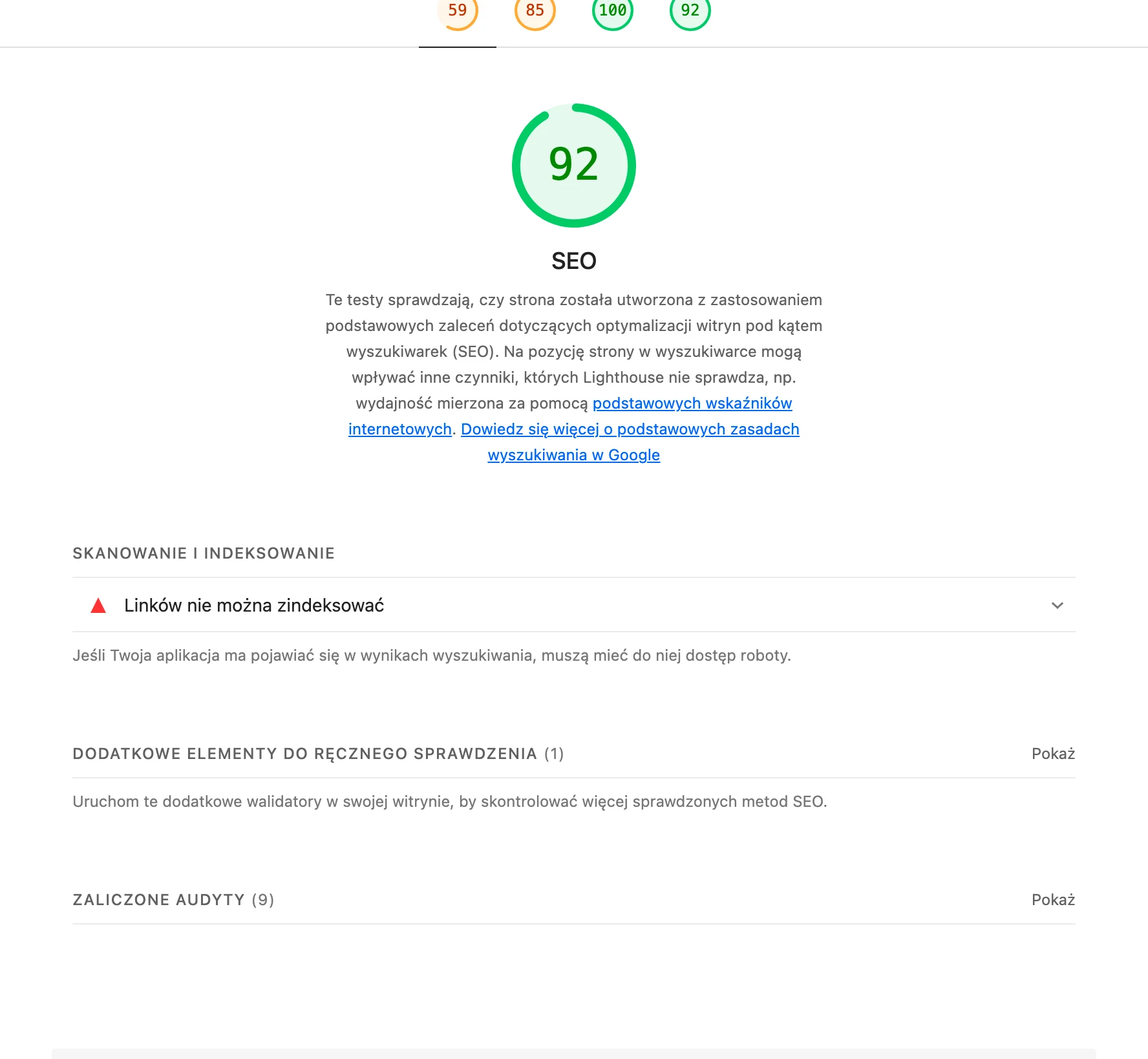
One of the most important aspects of an audit is improving the technical side of the store. It identifies errors related to loading speed, responsiveness or security (e.g. the lack of an SSL certificate). Removing these issues not only improves rankings, but also builds customer trust, which translates into a higher conversion rate.
Another important benefit is optimising content for keywords. An audit helps identify the most valuable phrases for a given store and shows how to use them better in product descriptions or blog articles. As a result, the site attracts more targeted organic traffic, which has a greater chance of converting into sales.
An SEO audit also covers managing internal and external linking. Improving the internal link structure makes navigation easier for users and indexing easier for search engine bots. Meanwhile, backlink analysis makes it possible to assess their quality and eliminate those harmful to the site’s rankings.
Additionally, an audit makes it possible to implement structured data (schema markup), which can help display rich results in Google. This attracts the attention of potential customers and increases the click-through rate (CTR).
It is worth remembering that an SEO audit is not a one-off activity – it is an ongoing process. Carrying out audits regularly makes it possible to monitor the effects of implemented changes and adapt the strategy to changing search engine algorithms and market needs. As a result, an online store can maintain strong competitiveness and continually develop its online presence.
How do Google algorithms affect SEO in e-commerce?
Google algorithms play a key role in positioning online stores, deciding which pages appear in search results and which factors influence their ranking. To achieve success in e-commerce, it is essential to understand how they work and adapt the website to their requirements.
One of the most important aspects is content quality. Algorithms favour sites offering valuable and original material. In the case of online stores, it is worth ensuring detailed product descriptions, blog articles or guides that answer users’ questions. This approach not only increases customer trust, but also improves how the site is assessed by indexing robots.
Equally important is user experience (UX). Page load speed, mobile responsiveness and intuitive navigation are elements algorithms take into account. Stores should be designed to provide comfort at every stage of the purchase journey – from browsing the offer to completing the order.
Security is another key factor. An SSL certificate not only meets Google’s requirements, but also builds customer trust. Pages secured with the HTTPS protocol are rated more highly by algorithms and are less likely to display warnings about potential threats.
You cannot forget about internal and external linking. A well-planned internal link structure makes navigation around the site easier and helps bots better understand its content. Meanwhile, backlinks from reputable sites increase the authority of the online store.
It is worth remembering that Google algorithms are constantly being improved. Regularly tracking changes and adapting the SEO strategy to new requirements makes it possible to maintain a high position in search results. This not only improves the store’s visibility, but also attracts more potential customers and translates into sales growth.
What SEO strategies help an online store grow?
Effective SEO strategies play a key role in the growth of online stores, affecting their visibility, organic traffic and ultimately sales. One of the most important aspects is the synergy between SEO and Google Ads. Combining these two tools makes it possible to maximise marketing results – SEO activities build a long-term presence in search results, while Google Ads generate immediate traffic and conversions. What is more, data from ad campaigns can be used to optimise keywords and content, which translates into better search rankings.
Another important element is competitor analysis. Regularly monitoring rivals’ actions helps identify their strengths and weaknesses. This makes it possible to adapt your own SEO strategy by introducing innovations or improving existing solutions. This analysis includes keyword research, site structure and the quality of external linking.
Building a competitive advantage is another pillar of effective SEO. Stores can stand out from the competition through unique content, a better user experience (UX) or faster page loading. It is also worth focusing on content marketing, publishing valuable blog articles or guides that attract organic traffic and build brand authority.
Implementing these strategies requires both consistency and flexibility. Regularly monitoring results using tools such as Google Analytics or Search Console makes it possible to adapt activities to changing search engine algorithms and market needs. As a result, an online store can not only increase its visibility, but also strengthen its position in the dynamic world of e-commerce.
Synergy between SEO and Google Ads
Synergy between SEO and Google Ads is a key strategy for the growth of online stores, combining immediate visibility with long-term benefits. SEO activities build a lasting presence in search results, while Google Ads generates quick traffic and conversions. Combining these tools maximises the effectiveness of marketing campaigns.
One of the main advantages of this collaboration is the ability to use data from Google Ads to optimise SEO. Keyword analysis of the keywords that generate the most clicks and conversions in ads can help tailor the content on the shop’s website more effectively. As a result, organic rankings improve, attracting more potential customers.
It is worth noting the complementary nature of both tools in terms of how long they take to work. Google Ads provides immediate visibility, which is particularly useful during seasonal promotions or when launching new products. SEO, by contrast, works over the long term, building the site’s authority and attracting steady organic traffic.
Integrating SEO and Google Ads also allows for more effective budget management of the marketing budget. Analysing data from both channels helps pinpoint precisely which keywords are worth promoting through paid campaigns and which are already performing well in organic results. This translates into greater spending efficiency and a higher return on investment (ROI).
Additionally, this synergy improves the user experience (UX). Google Ads campaigns can direct traffic to pages optimised for SEO, which increases the chances of conversion. At the same time, well-planned SEO activities support paid advertising, ensuring consistent messaging and better sales results.
Combining SEO and Google Ads is an effective strategy for online stores, combining quick results with long-term growth in visibility and sales.
competitor analysis and competitive advantage
Competitor analysis and building a competitive advantage form the foundation of an effective SEO strategy in e-commerce. By looking at what rivals are doing, you can identify their strengths and areas that need improvement. This knowledge allows you to tailor your own offer better and optimise your website. An advantage can be gained in various ways – from creating unique content, through improving the user experience (UX), to speeding up page load times.
Competitor research includes analysing key elements such as:
- keywords,
- site structure,
- the quality of external linking.
This makes it possible to see which solutions work for others and implement them in your own store. For example, if a rival has well-optimised product descriptions, it is worth going a step further and creating even more detailed and valuable content.
Innovative technical solutions can also become a source of advantage. Page load speed, mobile responsiveness or security (e.g. an SSL certificate) have a huge impact on a store’s position in search results and on customer trust. Stores offering a better user experience have a greater chance of conversion and building loyalty.
Content marketing is another important element of the strategy. Publishing valuable blog articles or guides attracts organic traffic and strengthens brand authority. Regularly updating content and adjusting the strategy to Google’s changing algorithms helps maintain a high position in search results.
Thanks to consistent competitor analysis and building an advantage, an online store can not only increase its visibility, but also strengthen its position in the dynamic world of e-commerce. This is the key to long-term online success.
How to monitor SEO results and increase sales?
Monitoring SEO results is an inseparable part of effective online store management. Regular analysis makes it possible to assess whether SEO activities are delivering the expected results, as well as to introduce necessary adjustments that can translate into increased sales. One of the most important tools in this process is Google Analytics, which enables tracking website traffic, conversions and visitor behaviour.
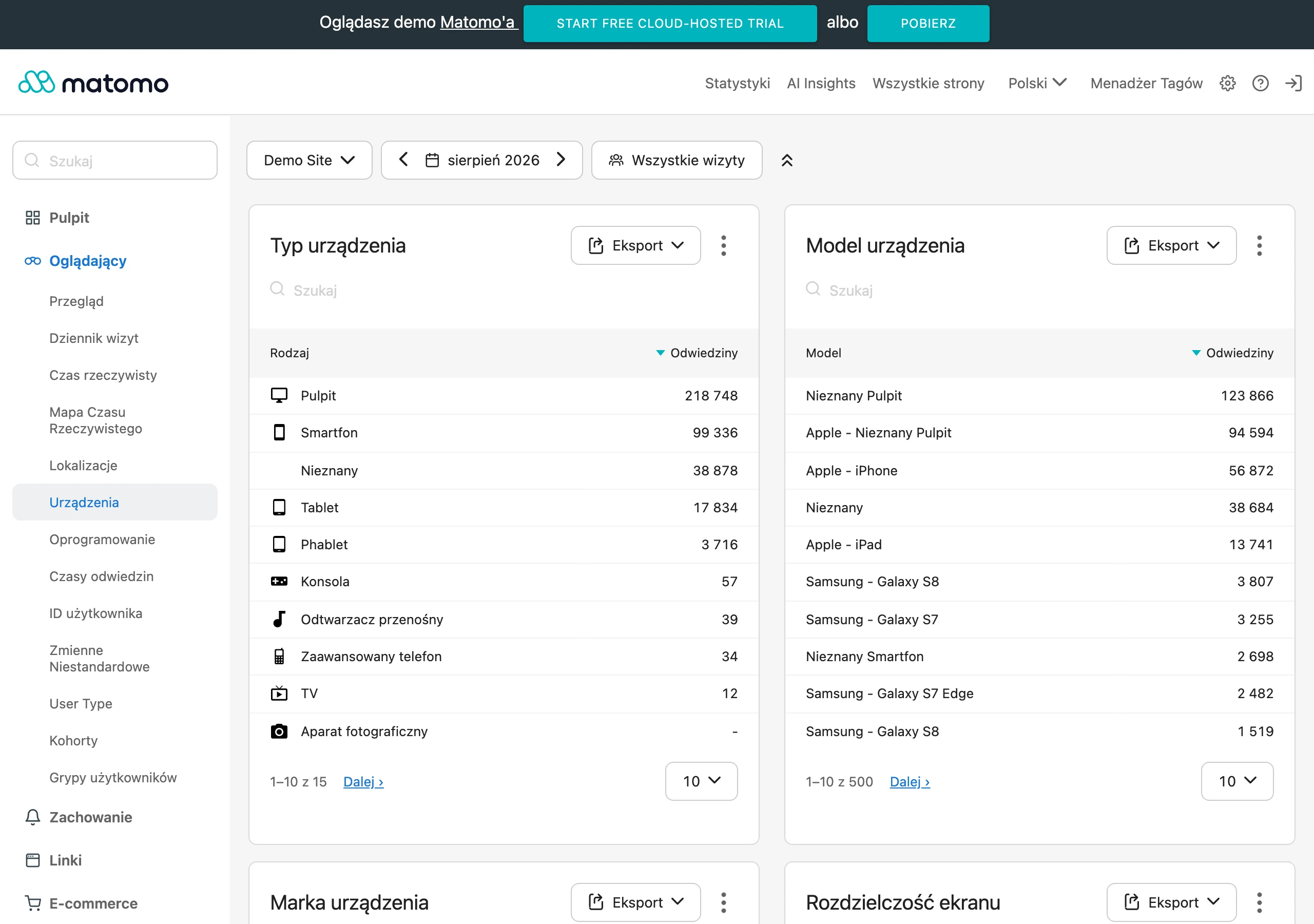
To monitor progress effectively, it is worth paying attention to a few key metrics:
- organic traffic – the number of people reaching the site directly from search results,
- conversion rate – the percentage of users who complete a purchase,
- positions in SERP – the places occupied by the store in the ranking for selected keywords.
Google Analytics also offers the ability to analyse traffic sources, time spent on the site and bounce rate. This information is invaluable when identifying areas requiring improvement, such as optimising page load speed or adapting content to user preferences.
Another tool worth noting is Google Search Console. It provides detailed data on indexing errors, site performance in search results and the effectiveness of the keywords used. Regular use of this information allows you to keep adapting your SEO strategy to Google’s current algorithm requirements.
You also cannot forget about monitoring competitors’ activities. Analysing what other players in the market are doing can provide valuable inspiration for optimising content or site structure. This makes it possible to introduce innovative solutions that will set the store apart and attract more customers.
Systematically tracking SEO results using the right tools is the key to success. It not only allows you to assess the effectiveness of SEO activities, but also to introduce changes that lead to increased sales and strengthening the store’s position in the e-commerce industry.
FAQ
Frequently asked questions
How does SEO in e-commerce affect an online store’s visibility in Google?
Effective SEO helps achieve higher positions in search results, which means the store is noticed more often by users. This directly increases organic traffic.
Why can ranking an online store increase sales?
Because it attracts users who are actually looking for specific products or services. This kind of traffic more often ends in a purchase and higher conversions.
Which technical elements are important in SEO for e-commerce?
The article mentions, among others, responsiveness, fast page loading time, an SSL certificate and structured data. Internal and external linking are also important.
What does a well-planned site structure give an online store?
A clear hierarchy of categories and subcategories makes it easier for users to navigate the store. At the same time, it helps search engine crawlers index content more effectively.
Do meta descriptions and URLs matter in e-commerce SEO?
Yes, user-friendly URLs and unique meta descriptions help users and search engines quickly understand the page content. They can also improve the click-through rate.
When is it worth taking care of mobile optimisation for an online store?
Always, because most users browse stores on mobile devices. The site must be responsive to work well on different screens and perform better in Google.