
Content that addresses sales objections are materials that take a client from “I have doubts” to “okay, I’ll decide”. No waffle. We are not talking about general educational articles, but about specific answers to questions such as: why does it cost that much, how long does implementation take, will it work in my situation. Well-prepared content relieves the salesperson, shortens conversations and improves the quality of enquiries. The most important thing is that the starting point is real objections from conversations and enquiries, not a list of topics invented at a desk. In practice, this kind of content works in parallel for sales, SEO and UX, as long as it is placed in the right part of the user journey. And that is precisely why, more and more often, it does not “drive traffic” — it decides whether the user takes the next step.
What is content that addresses sales objections?
It is a content system that tackles specific customer concerns in the consideration stage and just before the decision. It works precisely. Instead of speaking generally about the offer, it gets to grips with real blockers: price, implementation risk, time, compatibility, lack of trust, or lack of resources on the customer side. Such content is not meant only to inform. It is meant to help the user assess whether it makes sense and whether they can safely move into a partnership.
The starting point is simple. These are the questions that really come up in sales, not “nice topics” for a publishing calendar. The sources are sales conversations, CRM, forms, chats, emails, demo notes, quote requests and queries entered into the website search. The unit of work here is not a general topic, but a specific objection in a specific context. As a result, the content hits the customer’s actual resistance instead of circling around an abstract problem described from the brand’s perspective.
In practice, such materials take different forms. Some are short, others more extensive. They can be FAQ sections on service pages, articles focused on the buying decision, “how it works” pages, implementation checklists, scenario comparisons, answers for sales emails, or ready-made snippets to use during demos. Format matters, but something else is key: whether the content answers exactly the question that is blocking progress.
The goal is specific. To shorten the road to a decision by providing explanations, proof, terms of cooperation and next steps before the customer speaks to a salesperson or during follow-up. Good content does not promise everything to everyone, because that is a straight path to disappointment. It also shows limitations, dependencies and situations in which a given service will not be a good choice. And it works: it reduces the number of mismatched leads and makes it easier for sales to run consistent conversations.
The current context and significance of sales content
The importance of this content is growing because more and more customers want to assess an offer on their own before they contact a salesperson. That is the new standard. The user expects to find information on the website about price, scope, integrations, risks and terms of cooperation. If it is not there, they usually do not go straight to the form. Instead of A — contact, they choose B — further comparison of options and a return to the competition.
Top-of-funnel content alone is increasingly not delivering. An educational article can pull in traffic, but it rarely disarms the concerns that come on stage just before the decision. Today, the greatest sales value lies in decision and transactional materials, because they answer the questions “does this make sense for me now?” and “what will it look like in practice?”. And that is exactly when it is easiest to lose the user. All it takes is a lack of specifics.
The problem in many companies is straightforward. Data about objections is scattered between marketing, sales, support and the product team, so nobody has the full picture. The effect is simple: different people answer the same question in different ways, while the website still lacks key information. The customer sees inconsistency. Salespeople, in turn, keep going back to the same explanations in every conversation, as if in a loop. This not only lengthens the process, but also makes it harder to assess lead quality.
Transparency also matters. Customers increasingly want to know not only the benefits, but also the terms of cooperation, the implementation process, the required input materials, responsibilities on their side and potential limitations. Overly general promises usually do not increase sales; they just raise the number of enquiries that later turn out to be a poor fit. The question is: why pump up the pipeline if we are going to filter it out later anyway. That is why sales content has to stay within the real scope of the service and what the company can actually deliver.
The effectiveness of such content does not end with SEO. Just as important is where in the user journey this answer lands and whether it can be found at the right moment. Even a good answer will not help if the customer cannot find it on the service page, in the price list, on a campaign landing page or in the message after a demo. In practice, the companies that win are those that place the content exactly where the question appears. That turns the text from a “piece to read” into a tool that genuinely closes the decision.
How does the process of creating content for sales objections work?
The process of creating such content starts with collecting real objections from the sales process. Then they are assigned to the right decision stage and answers are prepared that can be used on the website, in the offer and in follow-up. The starting point should not come from a marketing brainstorming session, but from what customers actually say and ask about. That is why CRM, sales notes, call transcripts, emails, chats, forms and questions asked after the demo are analysed. If the content does not address a specific customer objection, it usually does not influence the buying decision.
Once the questions have been collected, they need to be organised. A list of topics alone does little, because without context it is easy to miss the mark with the answer. Each objection is worth describing by problem type, context, funnel stage, audience segment and the proof needed to answer it. A question about price at the initial research stage sounds different from one asked just before signing the contract. And that is crucial, because this mapping determines whether an FAQ section, a “how it works” page, a comparison piece or a ready sales response will be better.
The next stage is prioritisation. That means choosing the objections that genuinely block sales or unnecessarily lengthen conversations. Not all questions carry the same weight, and that is not a cliché. First, work on the ones that come up most often, appear just before a lead is lost, or reduce enquiry quality because they blur customer intent. The right order of work is: critical objections first, then supporting content.
The answer itself should also follow a fixed structure. That makes writing easier, and later makes updates just as much easier when the offer or process changes. In practice, a simple layout works best: customer concern, short answer, elaboration, proof, limitations and next step. Thanks to this, the content does not end with a reassuring slogan, but gives the user something concrete to base their decision on. The question is: what should they remember after reading it. First you need to defuse the concern, and only then explain the details.
In the end, the content lands where the customer really needs it. And only then does it pass the test in practice, rather than just looking good in a document. That means deployment on the service page, in the pricing, in the message after a demo, in an email sequence or in a sales script. After that, you measure whether the number of repetitive questions drops, whether leads are better qualified and whether users move on to the next step more often. But beware: publication is only the beginning, not the finish line. Content for objections does not end with publication, because its value only becomes visible after analysing customer behaviour and questions.
Key steps in designing content for objections
The key steps in designing this content are selecting the critical objections, preparing proof, matching the format to the decision stage and maintaining consistency between marketing and sales. It sounds technical, but the stakes are very practical: without this, it is easy to produce materials that are linguistically correct, but of little use in a real buying conversation. First you need to establish which questions really stop the customer. Only then does writing the content make sense, because only then do you know what is supposed to “push” the decision through.
In practice, it is a good idea to start with a shared naming convention for objections and a simple system for tagging them. If marketing talks about a “price barrier”, sales about “too expensive”, and support about an “unclear scope”, how are you meant to sensibly count the frequency and effectiveness of the responses. One label for one objection organises the data and speeds up content work. The facts are these: this matters most when there are lots of questions and they come in through different channels.
For each important objection, you need to prepare not only an answer, but also supporting evidence. For price, this will be the scope of the service, the factors influencing the quote and what the price does not include, rather than vague assurances. For implementation, the stages of work, responsibilities on both sides, required materials, possible blockers and start conditions matter, because that is where friction most often arises. A statement alone, without conditions and limitations, usually does not reduce the customer’s sense of risk.
The format matters. A simple question about delivery time can be handled in an FAQ or on the service page, but an objection about the suitability of the solution usually requires a separate decision-making asset. In such content, the key is a clear “yes for whom”, “no for whom” and what the alternative paths are. The question is whether it really pays to pretend that every customer is a fit. Hiding a mismatch increases the number of poor leads and makes life harder for salespeople.
Design it modularly. Because the same answer can work in several places at once, instead of being rewritten over and over for a different context. One content core can be used on the service page, in a sales presentation, in an email after a call and in the knowledge base. This shortens the time needed to roll out changes and keeps the communication under control. When the offer or process changes, you update the module, not several separate versions of the same message that start contradicting each other.
The scale of the project can be ruthless. It depends mainly on the complexity of the service and the buying process, so the more personas, implementation exceptions, integrations, sales channels and legal approvals there are, the more work it takes to prepare good answers. The facts are these: without access to sales conversations, CRM data, CMS data and people who can confirm the feasibility of the promises, you end up with a nice narrative rather than a sales tool. And the problem here is that it is easy to write “from the brand”, because that sounds elegant. The most common mistake is writing from the brand’s perspective instead of the customer’s question.
What needs to be done to respond effectively to objections?
Start with what really hurts. The content needs to be based on a few critical objections, each backed up with concrete proof, and the answers placed where the customer actually looks for them. The best starting point is the questions that most often stop the conversation, lengthen the decision or lower the quality of leads. But beware: if you do not know which objections are really blocking sales, you end up with materials that are informationally correct but empty in terms of decision-making. If you do not know which objections are really blocking sales, you end up with content that is informationally correct, but weak in decision-making terms. At the start, you need a short list of priorities, instead of a broad topic plan that diffuses responsibility.
Then bring order to the wording. Standardising the naming and description of objections sounds like a detail, but without it, marketing, sales and support refer to the same concern using different labels. And then it becomes impossible to honestly assess the scale of the problem or prepare one coherent response. In practice, a simple model works well: objection, context, stage of the buying process, audience segment and required proof. This is not a cliché, but a shared language that finally makes it possible to measure what works.
Proof matters more than reassurance. For each significant objection, you need to prepare not only an answer, but also supporting material, because customers rarely buy “peace of mind through words”. They usually want to know what the process looks like, how long it takes, what they need to provide on their side, what the limitations are and what happens next. Not X, but Y: not a vague “that is not a problem”, but something concrete that can be checked. The most effective content first reduces the concern, then explains the conditions, and only at the end leads to the CTA.
In practice, different types of objections are worth working through in different ways. Price is discussed differently from risk, and differently again from implementation or integrations.
- for price, show the scope, pricing factors, what the price does not include and when an individual consultation is needed,
- for implementation risk, describe the stages of work, responsibilities of both sides, input materials, checkpoints and typical blockers,
- for solution fit, clearly indicate who the offer is suitable for, when it will not be a good choice and what sensible alternatives there are.
The content also needs to be placed in the right part of the journey. The question is: where is the user actually looking for pricing or compatibility information. Such things should be visible on the service page, in the pricing, the offer or in the follow-up after a demo, rather than getting lost in a general blog article. Even a good answer will not work if the user comes across it too late or has to search for it for ages. That is why it makes sense to build modules that can be used in parallel on the website, in FAQ, in sales email and in a sales presentation.
The scope of work mainly depends on the complexity of the offer and the buying process. The more personas, implementation exceptions, sales channels and internal approvals there are, the greater the need for consultation with delivery, product and sometimes also a lawyer. The entry-level minimum is fairly specific: access to conversations or sales notes, data from the CRM, the ability to implement changes in the CMS and someone who can quickly approve the content substantively. Without that, the work goes like walking through treacle.
In the end, a regular content review is needed. The facts are these: objections change together with the offer, integrations, the implementation method and the collaboration policy. Content based on real questions quickly loses value if it is not updated after operational changes.
Most common mistakes and limitations in content creation
Most often, it is not the text itself that fails, but the wrong assumptions. The content answers the wrong problem, is too general or promises more than the organisation can deliver. And that is not a cliché. A very common mistake is writing from the brand’s perspective instead of the customer’s question. Then messages are created about the service’s advantages, but without answering a specific objection, for example about cost, implementation time or the resources required on the client’s side.
The problem is that objections are often mixed up with benefits. An objection requires an explanation of risk, conditions and limitations, not just a display of advantages. If a client asks whether implementation will not paralyse the team’s work, then a description of the offer’s advantages does not close the subject, because it does not address their fear. Sales content only works when it hits the real reason for hesitation, not a general topic related to the service.
Another common mistake is hiding limitations. Companies fear that clearly showing requirements, exclusions or start conditions will reduce conversion, but note: in practice, a lack of such information often generates poorly matched leads and burdens sales. Transparency reduces the number of misunderstandings and improves the quality of conversations, even if some users drop out earlier. Rather than chasing every contact, it is better to filter out the wrong ones right away.
A limitation can also be a lack of distinction between decision stages. Someone who is only weighing up options needs a different answer from someone after a demo, who is calculating the costs and implementation risk. When everything is written in one tone and presented in one format, information gaps start to appear. And then the user comes back to the salesperson with the same question, even though “in theory” the answer has been on the website for ages.
In many companies, the problem is not in the writing itself. It lies in data organisation, or rather the lack of it, because objections are scattered between the CRM, inboxes, sales notes, support and the product team. Add to that delays in approvals, no access to sales conversations or frequent changes to the offer. The more complex the service, the easier it is for a scenario in which, within a few weeks, the content becomes stale or grows exceptions until it stops being clear.
Measurement of results is another limitation. Page views alone tell you very little if you do not know whether the number of repeat questions has dropped, the quality of leads has improved or the time to decision has shortened after publication. Content about objections should be assessed not only through traffic, but also through its impact on sales conversations and the progress of the sales process. The question is therefore: does this content really solve the problem, or does it just look nice in the stats. That is why it makes sense to combine website analytics with feedback from sales and data from the CRM.
Finally, there is updating. One change in the scope of the service, integrations, the onboarding process or the pricing model can invalidate an answer prepared earlier. Outdated content only appears to defuse the objection, and later undermines trust when the client hears something different from the salesperson. This is not a minor detail, but a cost that comes back at the least convenient moment in the conversation.
How to measure the effectiveness of content answering objections?
The effectiveness of such content is measured by whether it reduces resistance to the decision and moves the user on to the next step. The number of views alone is not enough, because an article or FAQ section may have high traffic, while at the same time doing nothing for sales. The most important thing is whether, after interacting with the content, the number of meaningful transitions to the form, conversation, quote or demo increases. If the material addresses a critical objection, it should improve the quality of conversations, not just inflate reach.
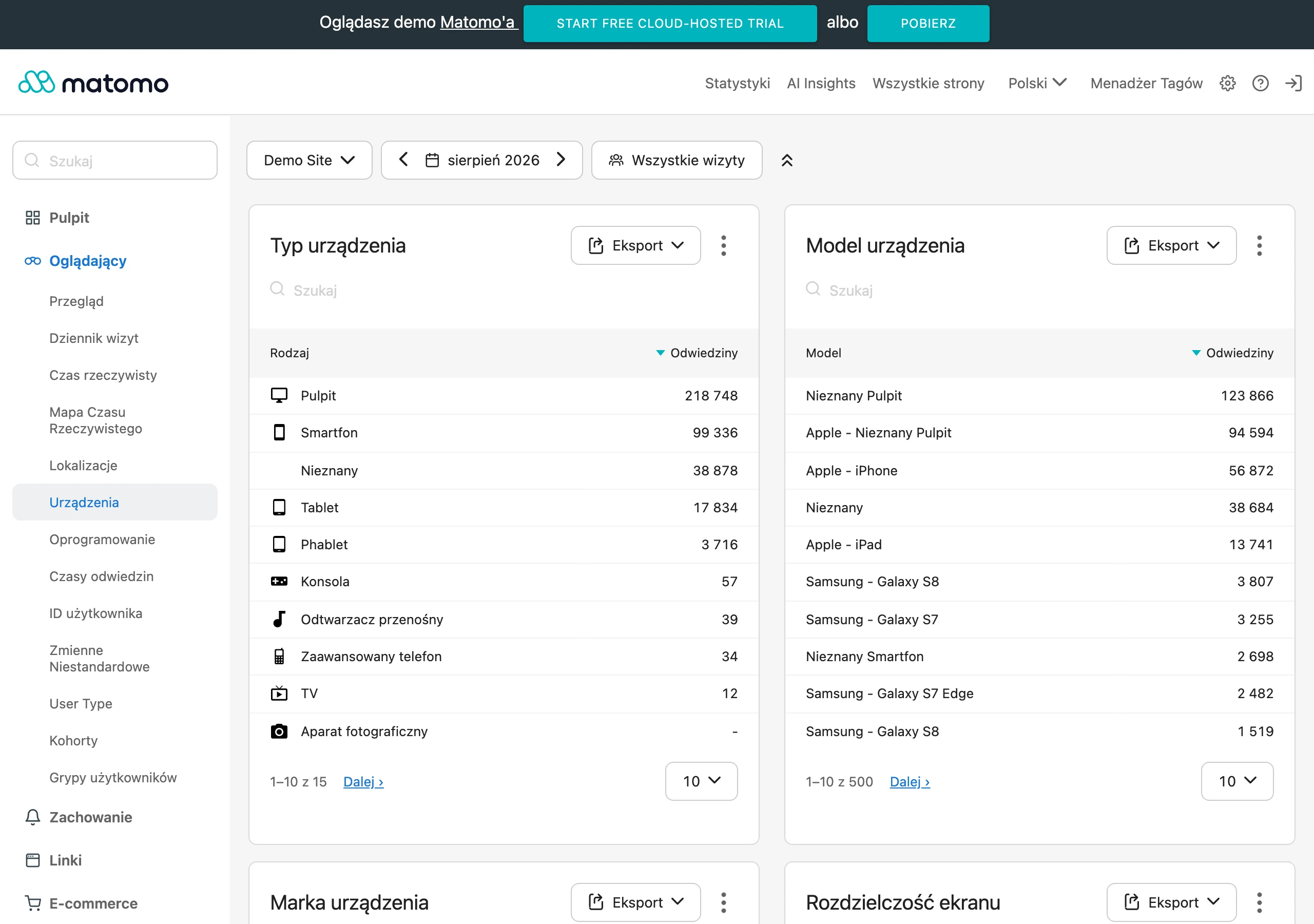
In practice, it pays to look at three levels at once. This means user behaviour, impact on conversion and impact on the sales process itself, because only this set gives a clear picture. At the behaviour level, you check visits to the content, scrolling, clicks on CTAs, transitions to the pricing, offer or form, and the place of this content in the user journey. At the conversion level, you analyse whether people who saw the material take the next step more often than people who did not see it. And at the sales level, what matters is whether the number of the same questions drops, whether leads are better matched and whether decisions are reached faster.
Quality matters more than lead volume. Well-designed content about pricing, implementation or limitations can even reduce the number of enquiries while increasing their relevance. A side effect. Instead of a series of conversations with people who do not meet the criteria for working together anyway, you get more contacts from people who are aware of the scope, costs and requirements. And that is not a cliché. Such a drop in “volume” is often simply a sign that the filter is finally working.
Measurement only makes sense once you combine website analytics with CRM data and feedback from the sales team. Otherwise, you are looking at charts like you would at the weather. Simple content tagging by objection works well, for example: price, implementation time, integrations, resources on the client side or project risk. This lets you check which materials appear before conversion and which merely inflate traffic without affecting the decision. If you cannot assign content to a specific objection and funnel stage, it is hard to assess honestly what is really working.
When assessing effectiveness, compare “before” and “after” for one specific problem, not for the entire content set at once. That makes a difference. A practical example: if you have created a section explaining the implementation process, check whether after publishing it the number of questions about project stages, responsibilities on both sides and launch time has fallen. If you have published content about pricing, see whether fewer conversations stall at the stage of “I didn’t know what the price included”. The best way to measure the effect is at the level of one objection, because then you can see what has actually been defused.
For day-to-day optimisation, the most useful metrics are qualitative ones. Simple, but ruthless. Salespeople should regularly say whether the client’s level of preparedness has changed after the content was published, whether the questions are more advanced and whether the most repetitive ones are disappearing. Support and delivery are also important sources of data, because they often spot information gaps that marketing simply does not see. If clients are still asking the same questions after reading the content, the problem is that the culprit is not only the answer, but also the place of publication, the order of information or overly generic language.
Finally, one thing. Not every piece of content is judged by the same measure. Material placed on a service page usually needs to support the decision and the move to contact, while content used in a follow-up after a demo is meant to close a specific concern and speed up the client’s response. The question is: what function does this material serve in the buying process. That is why you choose metrics according to the role of the content, instead of applying one ruler to everything. Otherwise, it is easy to deem texts effective simply because they are read, but do not move the sales result.
FAQ
Frequently asked questions
What is sales objection handling content?
These are materials that address specific customer concerns in the consideration stage and just before the decision. Instead of describing the offer in general terms, they answer the questions that block the next step, e.g. about price, implementation or risk.
Where should topics for sales objection handling content come from?
From real questions and doubts in sales calls, CRM, forms, chats, emails and notes after demos. They should not come from brainstorming, but from what really stops the customer.
Does sales objection content only work in SEO?
No, its value goes beyond SEO. It can support sales and UX, provided it is placed where the user is actually looking for answers, e.g. on the service page, in pricing, or in a follow-up after a demo.
How do you prepare an effective answer to a customer objection?
First you need to name the objection, establish its context, the funnel stage and the audience segment, and then add proof that confirms the answer. A statement on its own, without conditions, limitations and specifics, is usually not enough.
Why is it worth showing the offer’s limitations in the content as well?
Because customers want to know not only the benefits, but also the terms of cooperation, the implementation process and possible limitations. Overly vague promises increase the number of poor-fit leads and make selling harder.
When is the best time to publish sales objection handling content?
The best time is when you can place it exactly where the customer’s question appears. Even good answers will not help if they are hidden in a place the user does not reach at the right moment.