
Post-purchase notifications are not only there to confirm the transaction. This is the moment when the customer judges whether the brand choice was the right one and whether they want to come back to it. A well-written post-purchase email reduces uncertainty, structures the next steps and builds trust faster than a one-off promotion. That is why it is not the send itself that matters, but the sequence of messages, the relevance of the content and the fit with the stage of the relationship. If an email helps the customer after purchase, it works at the same time on satisfaction, repeat purchase and recommendations.
How do you build customer loyalty through post-purchase email notifications?
Customer loyalty after purchase is built through messages that first reassure, then help, and only later sell. After placing an order, the customer wants to know whether everything went through correctly, when they will receive the product and what to do next. If they get this information quickly and clearly, the risk of post-purchase dissonance falls. This is exactly the stage that often decides whether a one-time buyer becomes a returning customer.
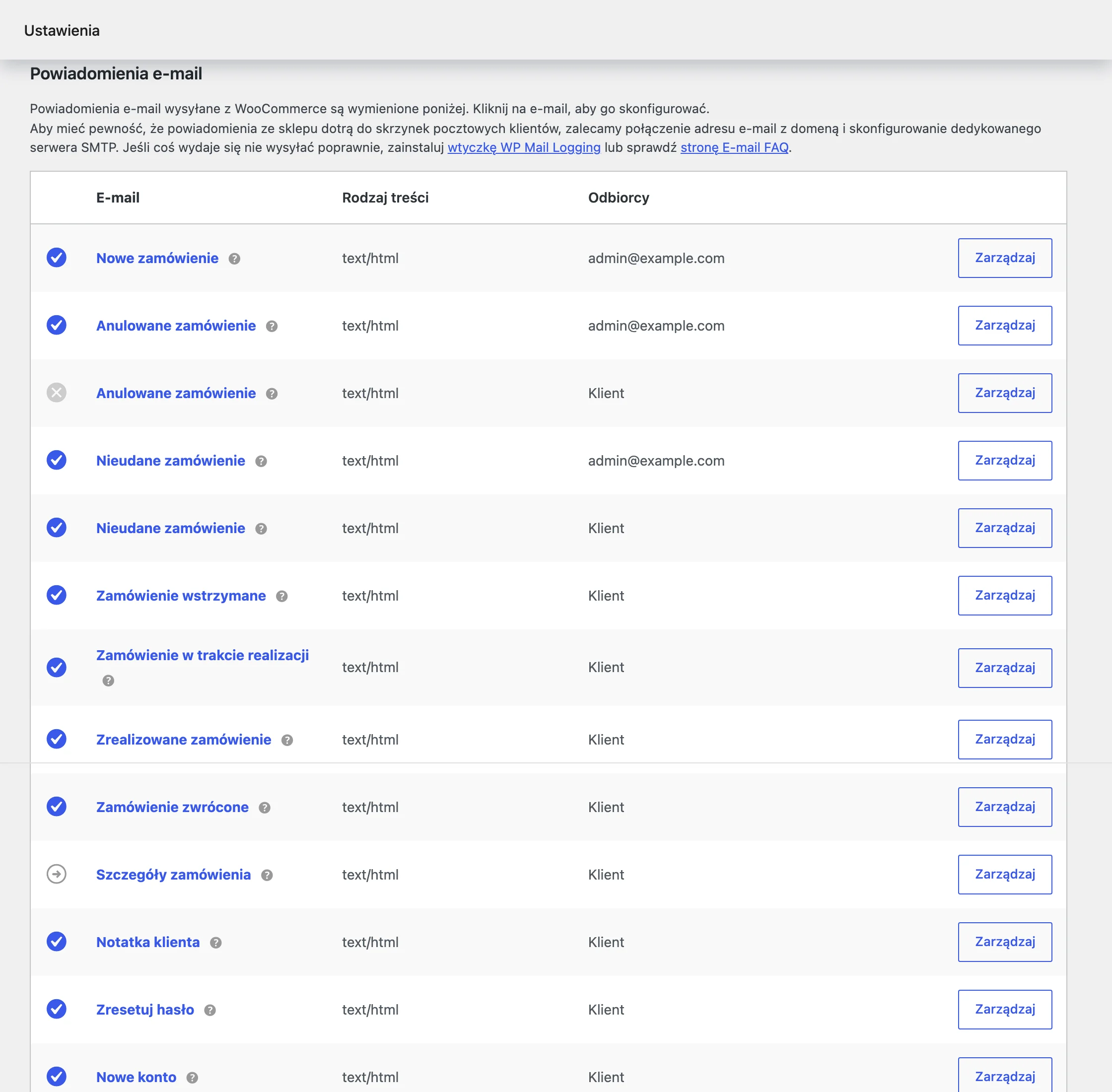
A logical sequence of messages matched to the order journey works best. First you need order confirmation, then a shipping update, and after delivery help with onboarding or using the product. Only when day-to-day order handling is completed without friction can you ask for a review or suggest complementary products. This order increases satisfaction because the customer does not feel that the brand wants to sell before solving the basic needs.
The content of each email should have one main objective and one key decision to make. In practice, that means a clear subject line, the most important information at the top and a single call to action. When a message contains several priorities at once, the customer is more likely to set it aside or ignore it. A common mistake is also overloading transactional emails with promotions, which weakens trust and blurs the message.
Such notifications also influence the brand’s visibility in search engines indirectly. A satisfied customer is more likely to return to the website, search for the brand by name and leave a product review. Reviews, questions and answers from users can later feed descriptions, FAQs and guides. This is not a direct SEO mechanism, but strategically it strengthens the brand presence and the quality of audience data.
The role of automation and segmentation in effective email communication
Automation and segmentation are the foundation of effective post-purchase email communication because they make it possible to send the right message to the right person at the right time. Managing such communication manually quickly leads to delays, errors and content that is too generic. Marketing automation systems organise sequences, trigger sends based on events and help respond in near real time. As a result, the brand not only saves time, but also maintains a consistent customer experience.
Segmentation should be based on what actually changes the customer’s needs after purchase. The most important signals are purchase history, order value, new or returning customer status and behaviour after the transaction. A new customer usually needs more explanation and a greater sense of security, while a regular customer expects efficiency and relevance. When everyone receives the same message, communication is formally correct but practically of little use.
Personalisation only makes sense when it helps the customer take the next step. It is better to refer to the purchase context, delivery date or way the product is used than to highlight excessive data about the recipient. This kind of personalisation sounds natural and supports the relationship instead of causing concern. Over time, it can be strengthened with 1st-party data, for example responses from surveys or reactions to earlier emails.
Automation does not remove the need for quality control and compliance with regulations. You need to distinguish between transactional and marketing messages, because only the latter require proper consent and an easy opt-out. Deliverability is equally important, meaning correct domain authentication, list hygiene and a sensible sending frequency. Even the best segmentation will not work if messages do not reach the inbox or if they tire the recipient with too many contacts.
The importance of personalisation in increasing customer lifetime value (CLV)
Personalisation increases CLV when it helps the customer after purchase and leads them to the next meaningful interaction with the brand. It is not about a flashy linguistic trick, but about matching the content to the order, the stage of the relationship and the recipient’s behaviour. A customer returns faster to a place where communication saves them time and removes uncertainty. This is what translates into repeat purchases and greater relationship value over time.
Personalisation works best when it is based on context rather than excessive personal data. A new customer usually needs a calmer introduction and simple instructions, while a returning customer expects a shorter, more concise message. Order value also matters, because a more expensive purchase increases the need for confirmation that everything is going smoothly. This difference in communication strengthens trust because the customer gets what they actually need.
Good personalisation should be useful, not performative. It is better to refer to delivery status, the way the product is used or the time available to leave a review than to showcase how much the brand knows about the recipient. It is also worth collecting 1st-party data through short surveys and reactions to earlier emails. This makes subsequent messages more relevant and segmentation more accurate without losing naturalness.
Key elements of the structure and content of email notifications
An effective email notification has one main objective, the most important information at the top and one clear CTA. The subject line should immediately say whether it is about the order, shipping, instructions or a review. The customer should not have to wonder why they received the email and what they are supposed to do next. The faster they understand it, the lower the risk of frustration and unnecessary questions to support.
In practice, every post-purchase email should contain a few fixed elements:
- a clear subject line aligned with the message content,
- the key information visible as soon as it is opened,
- one main call to action,
- concise copy suited to a phone screen,
- language consistent with the brand tone.
The CTA must stem from the order fulfilment stage. After purchase, this will usually be checking the details, after dispatch tracking the parcel, and after delivery going to the instructions or support. A request for a review only makes sense after enough time has passed for a fair assessment. Cross-selling and up-selling offers are worth introducing only once the core service has been completed without problems.
If the recipient does not understand the purpose of the email within a few seconds, the structure is too heavy or too sales-led. In transactional emails, too much promotion blurs the message and undermines trust. An equally common mistake is several competing buttons that make it harder to decide. A simple layout and a mobile-first design usually work better than an elaborate, eye-catching format.
How to use cross-selling and up-selling correctly in emails?
Cross-selling and up-selling in emails work properly when they appear only after the order has been fulfilled without issues and are based on a specific purchase. First, the customer needs to receive confirmation, shipping status and post-delivery support. If a brand tries to upsell too early, the recipient sees pressure rather than service. That lowers satisfaction and weakens the chance of another purchase.
Cross-selling should complement the purchase, while up-selling should offer a sensible extension, not an arbitrarily more expensive product. The suggestion should match what the customer has already bought and what they may realistically need later. In practice, it is better to show one or two relevant options than a long block of recommendations. The priority should be the usefulness of the offer, not the number of promoted products.
The safest way is to trigger such messages after delivery has been confirmed or after the time needed for the product to be used for the first time. Automation helps tie the offer to purchase history, order value and customer status. A new customer often only needs a gentle suggestion of a complementary product, while a returning customer can be shown a more specific extension. In every case, the CTA should lead to one next step, not several competing choices.
The most common mistakes in transactional emails and how to avoid them
The most common mistakes in transactional emails are too much promotion, requests for a review too early, lack of segmentation, poor mobile layout and unclear CTAs. Each of these makes it harder for the customer to complete a simple task: checking the order, tracking the parcel or getting help. When a message mixes informational and sales functions, the number of support queries rises and trust falls. A transactional email should first and foremost close a specific service stage, not push sales.
Most often, you need to trim the copy and clearly separate transactional communication from marketing communication. An order confirmation should not compete with discounts, banners and additional buttons. Send extra offers at the right moment and in line with the scope of the customer’s consent. Send a request for a review only once the customer has had time to use the product or service.
The second group of mistakes is messages sent to everyone in the same way. A new customer needs different guidance from someone who buys regularly, so a lack of segmentation reduces the relevance of the content. You also need to design mobile-first, because on a phone you can more quickly spot overly long text and unreadable buttons. Measure effectiveness by clicks, repeat purchases, reviews and unsubscribes, not just opens.
How to measure the effectiveness of email notifications: key metrics
Measure the effectiveness of post-purchase notifications primarily by their impact on retention, satisfaction and the customer’s next actions. The most important metrics are those that show whether the customer returns, clicks, leaves a review and needs less support. Treat Open Rate only as a supporting metric, because after privacy changes, especially Apple MPP, it no longer gives a reliable picture of communication quality. If an email is meant to build loyalty, success is not the open itself, but the effect after the open.
In practice, it is worth tracking several metrics at once, because each describes a different stage of the post-purchase relationship.
- Repeat Purchase Rate shows whether the post-purchase sequence helps turn a one-off purchase into another one.
- CLV assesses whether communication increases customer value over time, rather than just the reaction to a single email.
- CTR shows whether the subject and copy lead to the right action, for example tracking a delivery or leaving a review.
- The number of reviews collected and other forms of UGC shows whether you are asking for feedback at the right time and in a simple way.
- The number of support queries helps assess whether emails explain the order status and next steps well.
- Unsubscribe Rate rises when the frequency, content or send time are poorly matched.
Metrics alone are not enough if you do not read them in the context of segments and sequence stages. Assess order confirmation differently, the post-delivery message differently, and the review request or cross-sell differently again. A new customer clicks instructions more often, while a regular customer reacts faster to a complementary product. That is why you should break down results at least by customer status, purchase history and message type.
The best decisions come from regular A/B tests based on these KPIs. Test the subject line, CTA, send time and copy length, but evaluate the change through repeat purchases, reviews and unsubscribes. If a variant increases clicks but raises unsubscribes or does not improve retention, it is not building loyalty. This kind of measurement also structures the development of automation, because it shows which messages genuinely strengthen the relationship.
FAQ
Frequently asked questions
How do you build customer loyalty through emails sent after purchase?
First you need to reassure the customer, then help them with the next steps, and only at the end sell more. This sequence reduces uncertainty and increases the chance of a repeat purchase.
Should a post-purchase email include promotions and cross-selling straight away?
No, because you first need to complete the core order service. Selling additional products too early reduces satisfaction and weakens trust.
What structure should an effective post-purchase email notification have?
It should have one main goal, the most important information at the top and one clear CTA. This way the customer quickly understands why they received the message and what they should do next.
When is the best time to send a request for a review after purchase?
Only when the customer has had time to properly assess the product or service. Asking for feedback earlier is too pushy and usually less effective.
Why is segmentation important in post-purchase email communication?
Because a new customer needs more explanation and a greater sense of security, while a returning customer expects a shorter and more specific message. When everyone gets the same thing, the content is formally correct but not very useful.
How do you measure the effectiveness of post-purchase email notifications?
The best approach is to look at retention, repeat purchases, the number of reviews, CTR and the number of support queries. Open rate alone is not enough because it does not show the real impact of the message on customer behaviour.