

Companies lose control of marketing not because they have many channels, but because each one starts to live its own life. The effect is predictable: different KPIs, different reports, several definitions of a lead, and still no single answer to the question of what really works. Add to that fragmented analytics, ad automation and several people jointly deciding on the budget. And suddenly marketing stops being steerable. Regaining control is not about mechanically switching off half of your activity, but about building one system of goals, measurement and accountability. Only then is it possible to sensibly assess which channels to scale, which to fix, and which to reduce. This brings order not only to campaigns, but also to reporting, the team workflow and the budget decisions themselves.
How to regain control of multichannel marketing
Control over multichannel marketing is regained by bringing order to the goals, data, accountability and decision-making rules for all channels within one model. It is a process. Not a one-off cut in activity, but an operational way of managing the whole thing day by day. The company needs to know why each channel exists, who is responsible for it, where the data comes from, and according to what criteria the decision on further budget is made.
The biggest problem usually lies not in the number of channels itself, but in the lack of a shared logic. Everything drifts apart. One team optimises for leads, another for reach, a third for sales, and management gets several reports that cannot be fairly compared with one another. If each channel is measured differently, the company sees plenty of numbers, but has no basis for decisions.
In practice, regaining control starts with a full inventory. No shortcuts. You need to list all channels, campaigns, tools, integrations, data sources, owners and maintenance costs. Only on that basis can you see where activities overlap, where measurement is missing, and where a channel is operating mainly out of habit.
The next step is to build a shared source of truth for results. It sounds technical, but the stakes are business-critical. Unified KPIs, consistent campaign naming, one UTM taxonomy and linking the channel to the funnel stage, business goal, metric and owner all come into play. Without a shared measurement model, even good campaigns can look ineffective, and weak channels can hide their real cost for a long time.
At the same time, you need to put the operational infrastructure in order: ad accounts, GA4, GTM, CRM, forms, CMS, mailing tools and dashboards. The most common barrier is not a lack of data. The problem is that the data can be inconsistent, duplicated or not connected to the sales result at all. This is especially important where conversion passes through several touchpoints and cannot be reliably assessed from the perspective of a single ad platform alone.
The effect of a well-run clean-up is not “less marketing”, but greater controllability. The company finally distinguishes between channels responsible for generating demand, capturing intent, remarketing, education, retention and sales support. This makes it possible to reduce chaos without the risk that, as a side effect, a channel that genuinely drives sales will be switched off, simply because it did not previously receive full credit in the reports.
Why goal alignment is crucial in channel management
Without alignment, it turns into a tug-of-war. Channels start competing for budget and attention instead of working towards one business outcome. The same lead, click or sale can be described in a completely different language by advertising, SEO, e-mail and sales, and then everyone defends their own narrative. As a result, the company does not assess the contribution of channels, but compares indicators that cannot be fairly compared.
Each channel should have a goal matched to its role in the funnel. Search usually captures existing intent, content and SEO more often build demand and qualified traffic, remarketing helps close the decision, and e-mail supports activation or retention. And that is where the problem begins. When all channels are measured against a single KPI, roles become blurred, and decisions become random rather than logical.
Lack of goal alignment leads to very specific operational mistakes. The team cuts the budget for a channel that supports sales because, in last-click attribution, it does not deliver “cheap” leads. At the same time, it burns money on a channel that generates volume, but with poor quality and low impact on the pipeline. The most expensive chaos in marketing appears when a company confuses activity with real contribution to the result.
Goal alignment also brings order to accountability. When a channel has an assigned business goal, main metric and owner, it is easier to decide what to scale, what to fix in measurement, and what to pause outright. The classic deadlock disappears: several people manage the same area according to different priorities, and each defends their own set of numbers. The question is who is actually managing then, and who is just reporting.
In practice, simple mapping usually wins: channel, funnel stage, business goal, metric and owner. Such a setup quickly shows whether the company has too many activities at one stage and gaps at another, whether channels are duplicating each other, and whether reporting supports decisions instead of complicating them. If you cannot explain in one sentence why a given channel exists, then usually you cannot manage it well either.
How to carry out a marketing channels audit
A marketing channels audit starts simply: a full list of active channels. Only then do you assign them role, cost, owner and data source, and check whether the results can be measured reliably. Without this, the company only sees scattered reports, not the real contribution of marketing to sales. The aim of the audit is also specific: not another document for the folder, but a basis for deciding what to scale, what to fix, and what to stop. A good audit ends with an operational decision, not just a diagnosis.
The first step is inventory. Without it, you are groping in the dark, because you do not know what is really working in the company and who is responsible for it. You need to list all channels and activities: not only paid campaigns, but also SEO, content, e-mail, remarketing, forms, marketplace, webinars, automations and sales-supporting elements. For each channel, note the specifics: goal, audience, budget, activity frequency, technological dependencies and the person responsible.
The second step is assigning each channel a role in the funnel. This simple distinction makes a difference, because one channel creates demand, another captures intent, another closes the sale or works on retention. The problem is that when you measure several channels against the same KPI despite completely different roles, the comparison of results starts to lie. The most common mistake is assessing all channels with one metric, even though each one works at a different stage of the customer decision.
The third step is a measurement audit. There is no room here for “I think so”, only for checking GA4, GTM, ad pixels, forms, CRM, conversion imports, UTM tags, events, marketing consents and the way the user is identified, one by one. This is precisely the point where duplicate conversions, missing parameters, different lead definitions and discrepancies between the advertising platform and the CRM usually come to light. And suddenly it turns out that the problem is not in the campaigns, but in the counters.
Particularly important is the connection of marketing and sales data. If a lead enters the CRM without the correct source, a campaign may look weak, even though in reality it delivers good sales opportunities. On the other hand, a channel with a large number of leads may simply inflate volume without quality, and the sales team pays for it with time and frustration. First check whether the data passes from click to sale, and only then assess the budget.
In the end, each channel needs to be assessed against the same practical criteria. What matters is the impact on revenue or pipeline, the cost of maintenance, predictability of results, data quality, dependency on an external platform, the time needed to react and the team burden. The question is: can this channel be managed, or are we only “handling” it. Such an assessment shows not only whether the channel generates results, but also whether it can be sensibly managed.
The result of the audit should be a simple mapping: channel, funnel stage, business objective, main metric, owner and data status. This setup works like a torch in a dark warehouse, because it quickly reveals duplicated activities, channels without an owner or reports with no decision-making value. And this is not a cliché. It is precisely at this point that marketing stops being a collection of activities and becomes a management system.
Strategies for consolidating and optimising channels
Strategies for consolidating and optimising channels involve reducing chaos through a clear division of roles, shared measurement rules and conscious decisions about which channels to develop, combine, test or pause. The aim is for the company to have fewer initiatives, but better described, better measured and easier to manage. Consolidation does not automatically mean cuts. Often it means something more mundane, and at the same time more difficult: removing duplication and organising accountability.
The most practical model is portfolio decisions for each channel. After the audit, a channel should be placed into one of the following groups: scale, maintain, fix measurement, combine with another channel, limit to a test or pause. It sounds tough. And rightly so, because such a decision cannot be based solely on ROAS or the number of leads alone, even if these metrics are tempting in their simplicity. What is also crucial is the quality of the leads, how much the channel can be “controlled”, how much management costs and whether the data is trustworthy at all.
In many companies, a big gain comes simply from connecting activities that run separately, even though nobody can sensibly explain why. The example is far too typical: separate content planning, social campaigns and emailings without a shared calendar, despite all of them relating to the same offer. The result. The team produces more content versions, more creative assets and more technical exceptions than are really needed, and then still has to “put out fires” at the channel interfaces. One main communication line, adapted to several channels, usually gives more control than several independent mini-strategies.
Optimisation should start with standardisation. First order, then fireworks. What is needed is shared campaign naming, one UTM taxonomy, consistent definitions of MQL, SQL, opportunity and sale, and a clear list of channel owners. Without this, even a good dashboard will show numbers that cannot be compared, let alone defended in front of the board. And what is the point of all that effort then.
Another element is budget rules. The core budget should fund channels with a confirmed role and stable measurement, while the test budget must be separate and limited by definition. This way, experiments do not get mixed up with ongoing activities and it is easier to assess whether a new channel really adds value or just looks nice in a presentation. A new channel without a hypothesis, a budget cap and a review date almost always stays in the company longer than it should.
Equally important is the consolidation of reporting. The company should have one management dashboard that combines data from ads, analytics and CRM, rather than several parallel reports based on different definitions of the same thing. Such a report should show not only cost and conversions, but also lead quality, response time, the channel’s share in the funnel and data issues. Only on this basis can you make a sensible decision about increasing the budget or withdrawing a channel, without a lottery and without trusting “on word”.
At an operational level, a change backlog ordered by impact and implementation difficulty works well. In short: first what really moves the needle. Usually high on the list are fixing tagging, simplifying the structure of ad accounts, turning off duplicate campaigns, improving landing pages and tidying up email automations. Such a backlog keeps the team in line and cuts down on micro-optimisations that eat time and, in terms of results, leave at best a cosmetic effect.
Everything needs to be closed out with a management rhythm. Weekly reviews serve operational control, while monthly ones serve budget decisions, lead quality and channel priorities. The question is whether this rhythm is actually followed, or only appears in the calendar. If a channel has no assigned role, owner, measurable outcome and review date, it is not being managed — it is only being kept alive by momentum.
The importance of a unified measurement and reporting system
An integrated measurement and reporting system is needed so that all channels are assessed against the same definitions, data and goals. Without it, the company compares numbers that are talking about different things. One report shows leads, another conversions, a third revenue, and none answers directly what really works. If each channel has a different evaluation logic, marketing becomes difficult to manage regardless of budget size.
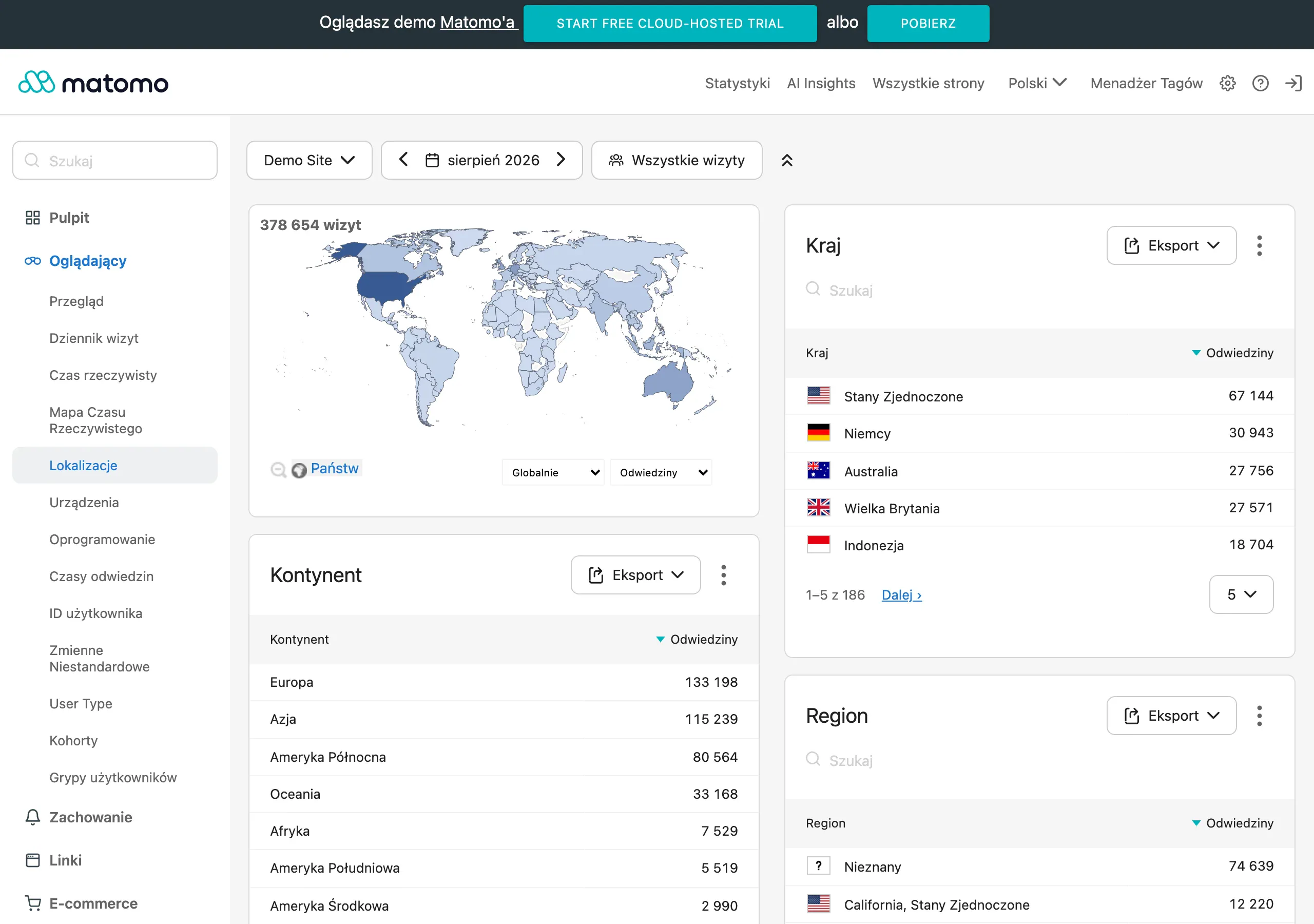
In practice, such a system rests on a single “source of truth” for results. That means shared KPIs, consistent campaign naming, coherent UTM tagging and clear mapping: channel, funnel stage, business goal, metric and owner. This makes it possible to see not only how much traffic or how many leads a channel delivered, but also why it exists at all and how it should be accounted for over time.
The key is connecting marketing data with sales data. Advertising platforms on their own mainly show what is happening in their own environment, not the full path to sale. Only after linking ads, analytics, forms and CRM can you assess lead quality, response speed and the channel’s real contribution to pipeline or sales.
You also have to accept that attribution has its limits. Not every contact with a user can be perfectly assigned to a single source, especially when the purchase decision takes a long time and involves many touchpoints. So the question is not “can we calculate this to the penny”, but whether the report provides a reliable basis for the decision to scale, cut or fix a channel.
At an operational level, order starts with technical fundamentals. It is worth reviewing GA4, GTM, pixels, conversion imports, user identification, marketing consents and the logic for passing data to the CRM. First you need to fix measurement, and only then optimise the budget, because otherwise the company is making quick decisions on weak data.
A well-built management dashboard should show less, but more accurately. Instead of dozens of secondary metrics, it is better to see cost, outcome, quality, the channel’s share of the funnel and data issues. Such a report is meant to help manage, not to produce slides.
Most common pitfalls and how to avoid them in multi-channel marketing
The most common pitfalls in multi-channel marketing stem from a lack of a single operating logic, not from the number of channels itself. A company usually loses control when channels are running “on momentum”, but no one can clearly say what role they play, who is responsible for them and how to tell whether they make sense. The result is predictable: chaos in budget, content, reports and priorities.
- Reporting only from advertising platforms. This can be avoided by combining data from analytics and CRM, instead of evaluating a channel solely on performance in Google Ads, Meta Ads or LinkedIn.
- Different definitions of a lead and a conversion. In practice, it comes down to one thing: define MQL, SQL, opportunity and sale once and use that definition consistently across all reports and tools.
- No owner for the channel or process. Each channel must have a specific person responsible for the result, data quality and action plan, otherwise problems become “nobody’s” and take on a life of their own.
- Duplicating activities across several channels. A shared content calendar, an asset repository and clear versioning rules help avoid producing the same materials two or three times over.
- Keeping channels going without a decision. If a channel has no defined role, data sources or evaluation criterion, it should be structured, limited to a test or simply paused.
A very common mistake is also over-reliance on advertising platform automation. Automated bidding strategies, machine-learning-based campaigns and algorithmic targeting can work brilliantly, but only when they receive correct conversion signals. Automation does not fix messy data; it scales it.
Another pitfall is mixing evergreen channels with experimental ones. When a new channel gets budget but has no hypothesis, review date or evaluation conditions, it stays in the ecosystem permanently despite no evidence of value. And then the question is: who has the courage to switch it off. It is better to separate test budget from core budget and set in advance when the test ends with a decision, rather than dragging it on “because it is already working”.
Problems also come to light on the sales and CRM side. If leads are not tagged correctly, statuses are entered into the system subjectively, and some opportunities disappear outside the CRM, marketing will not see the real impact of its activities. Without order in the CRM, even well-run marketing will look worse in reports than it performs in reality.
The simplest way to avoid these traps is a steady management rhythm. A weekly review is for spotting deviations, measurement issues and quick operational decisions, while a monthly review is for setting channel roles, assessing lead quality, budget allocation and clearing the repair backlog. This closes the loop at process level, rather than firefighting only when results start to drift apart.
The role of sales data in effective marketing management
Sales data are there to distinguish channels that deliver a real pipeline and sales from those that only look good in marketing reports. Clicks, forms or cost per lead alone are not enough if you do not know what happened to the contact afterwards. Only once marketing is connected with the CRM can you see lead quality, how quickly they are handled, movement between stages and the final outcome. If the company cannot see the link between acquisition source and sales status, then in practice it is managing activity, not results.
Order in the data makes the difference. In a well-structured system, every lead and customer has an assigned source, campaign, acquisition date, sales status and final outcome, so you can calculate not only volume from the channel, but also movement through MQL, SQL, opportunity and final sale. And that changes the perspective, because a channel with a more expensive lead can often be genuinely more profitable than one with cheap but weak traffic.
Most often, the problem is not a lack of data. The problem is that it is inconsistent. In one part of the company, a “sales” lead means a contact after a conversation; in another, every person from a form, and in the CRM statuses are entered manually, without a standard and without consistency. Without one definition of a lead, opportunity and sale, you cannot honestly compare channels or sensibly reallocate budget.
Sales data can also ruthlessly show where marketing loses control. Sometimes the culprit is not a weak campaign, but a several-day delay in contacting a lead, incomplete statuses in the CRM or a lost source after passing between the form, the email system and sales. Do you really want to cut a channel if the fault lies in the process, not in acquisition? In such a situation, cutting it would be the wrong decision.
For this data to be usable at all, you need to connect analytics, ads and the CRM into one continuous measurement chain. That means consistent UTMs, correct passing of source parameters, user identification, offline conversion import and duplicate control, instead of estimating “by eye”. First tidy up the data in the CRM and source mapping, then assess channel performance.
In day-to-day marketing management, sales data lead to three kinds of decisions. First, which channels to scale, because they deliver a valuable pipeline. Second, which ones to fix, because they generate interest but get lost at the qualification or handling stage. Third, which ones to reduce or switch off, because they have no confirmed contribution to sales, while at the same time draining budget and team time.
The key is to look not only at closed sales, but also at the quality of the intermediate stages. If a channel regularly delivers leads that reach a sales conversation but rarely win, you need to examine the fit of the offer, messaging and audience, instead of immediately deciding that “the channel does not work”. If, on the other hand, leads drop off straight after coming in, the problem often lies in targeting, the form, or an overbroad promise in the advert.
A company regains control of marketing when each channel can be assessed not only by cost and volume, but by its real contribution to sales. This requires discipline in the CRM, clear statuses, regular data closure and a shared language between marketing and sales. Without that, a report may look impressive, but it still will not answer the question: which activities are really worth maintaining and developing.
FAQ
Frequently asked questions
How do you regain control of marketing when a company has too many channels?
You need to organise goals, data, accountability and decision-making rules in one model for all channels. It is not about turning off half of your activities, but about building a system that lets you manage them.
Why do many marketing channels start to behave chaotically?
Because each channel lives its own life: it has different KPIs, different reports and a different definition of a lead. Then the company sees lots of numbers, but has no single basis for decisions.
How do you audit marketing channels step by step?
First, list all channels, campaigns, tools, data sources and owners. Then assign them a role in the funnel, check the measurement and assess them against the same criteria.
Does one KPI for all marketing channels make sense?
No, because channels play different roles in the funnel and should be evaluated against goals matched to that role. When all are assessed with one metric, comparing results starts to lie.
What should be included in a unified marketing measurement system?
Shared KPIs, consistent campaign naming, one UTM taxonomy, and mapping the channel to the funnel stage, business goal, metric and owner. It is also important to connect marketing data with sales data.
When is it worth limiting or pausing a marketing channel?
After an audit, if the channel falls into the group to be limited, combined with another channel or paused. It is worth basing the decision not only on the number of leads, but also on data quality, result predictability and the impact on revenue or pipeline.