
How do social media algorithms assess organic reach?
Social media algorithms treat organic reach like a attention auction, in which content that generates fast, high-quality signals of interest wins. A post is first shown to a small “test sample” (often to part of your followers and similar users), and only then is it scaled further. If the results in this sample are above average (e.g. a save/view or share/view ratio), distribution is expanded to further audience segments. When the signals are weak, the system “cuts” reach faster, because it predicts lower user satisfaction.
The most important factors are behavioural signals, not the number of followers itself, because the algorithm “sees” watch time, completion rate, returns to the post and saves. In video (TikTok, Reels, Shorts), retention is one of the strongest signals, especially holding attention in the first 1–3 seconds. If most viewers drop off before the 3-second mark, distribution usually ends at a small sample. When assessing interactions, quality often beats quantity: comments, shares and saves usually carry more weight than likes.
Algorithms reduce reach when negative signals appear, such as hiding a post, “Not interested”, quick scrolling past, reports or mass muting of the profile. A clickbait headline without delivering on the promise can boost clicks, but it often increases quick exits and, as a result, cuts distribution. Topic consistency also matters (topic clustering), because the system learns who to show your content to based on recurring topics and audience reactions. In addition, platforms may take account of account history and trust (regular publishing without violations vs warnings, e.g. for copyright) when allowing content into broader recommendations.
- 01Small test samplePart of followers, similar users.
- 02Quality signalsSaves, shares, video retention.
- 03Scaling reachExpansion to new segments.
The algorithm is an attention auction: it promotes content with fast, strong behavioural signals, not just the number of followers.
Key behavioural signals that affect content distribution
Key behavioural signals are audience actions that communicate real value to the algorithm and make it possible to predict satisfaction after engaging with a post. Usually, what matters is: watch time, completion rate, returns to the post and saves, because they show that the content not only “caught the eye” but also proved useful. In practice, a large profile without activity offers no advantage if behaviour after impressions is weak. If you want to grow more steadily organically, optimise your posts for attention retention and “deeper” reactions, not just the number of likes.
- Retention and watch time (especially the first seconds in video): signals of holding attention and getting viewers to the end.
- Saves: particularly important in educational and instructional topics, often signalling long-term reach.
- Shares: increase when content is easy to pass on and responds to a shared problem within a group.
- Returns to the post: a sign that the audience comes back for value (e.g. to check the steps again).
- DMs after watching: in some ecosystems, they are a signal of the content’s “social importance”.
Negative signals reduce distribution when content misses user expectations or is perceived as unwanted. Hiding a post, “Not interested”, quick scrolling, reports and mass muting of the profile are clear signs of low satisfaction. In practice, clickbait without delivering on the promise can be risky, because it can increase entrances while also boosting quick exits. It is therefore wiser to build messages and formats that encourage saves, shares or meaningful reactions, rather than “inflating” only the number of views.
Video content strategies: how to improve retention and watch time?
You can improve retention and watch time when, from the first seconds, you clearly show the problem, the result or a strong thesis and quickly move on to the point. Users make a decision in 1–2 seconds, so long introductions like “hi, today…” usually lower attention retention. In short-form content (TikTok, Reels, Shorts), it is particularly important to hold attention in the first 1–3 seconds, because that is usually where the “to be or not to be” of distribution is decided. The simplest rule: start with a promise of the result and immediately show what the viewer will get next.
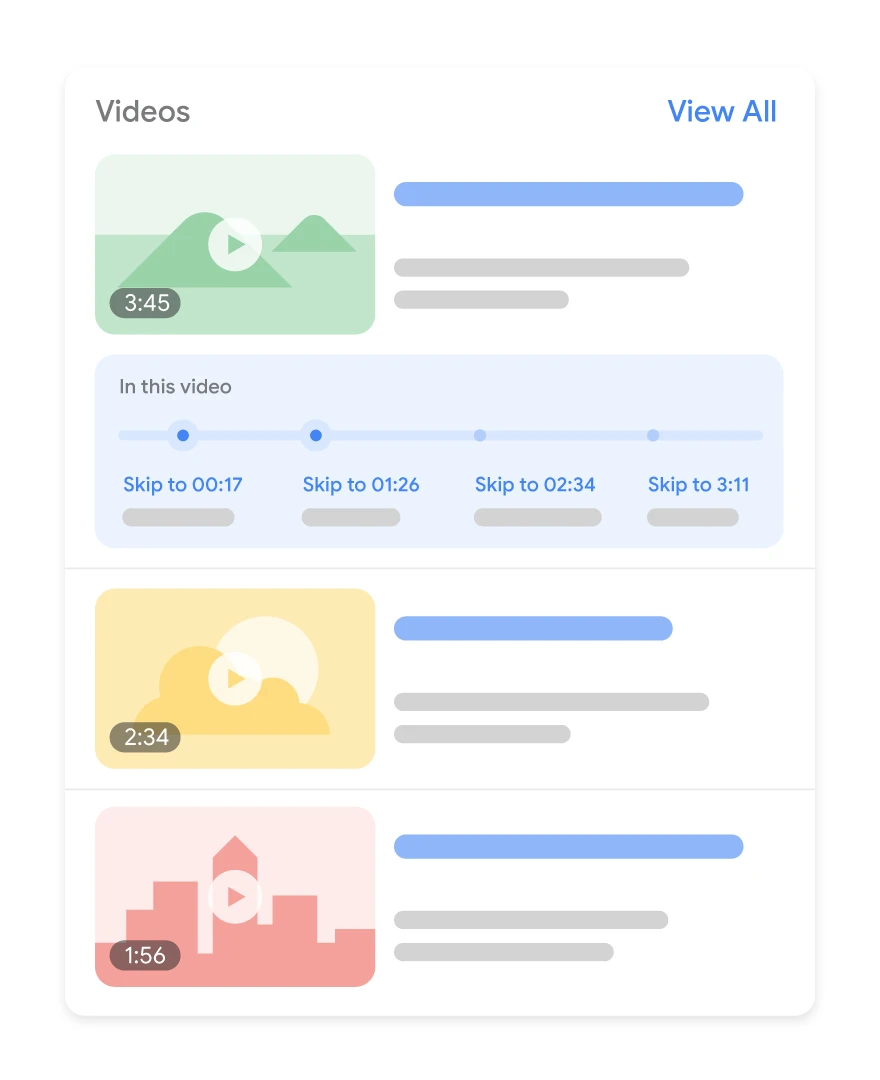
The structure of the material should guide the viewer through coherent segments so they have a reason to stay until the end. A format that works well is: promise → steps → example → summary, because each element closes a loop of curiosity and builds the next expectation. In Reels/Shorts, a cadence of changing the shot every 1–2 seconds often works well, along with captions that draw the eye to the key points. This reduces drop-off caused by the feeling that “nothing is happening” or that it is hard to keep up on a small screen.
Watch time is also affected by technical quality and readability, because poor lighting, shaky shots and unclear audio increase the risk of a quick swipe away. A minimal setup that helps hold attention is front lighting, a lapel microphone (e.g. Boya BY-M1) and captions, because many people watch without sound. It is also worth building series and recurring formats (e.g. “1 minute about…”), because over time viewers know what to expect, and that encourages longer viewing of subsequent episodes. If you care about delivering saves and returns, short how-tos, checklists and templates also work well, because they are something the viewer genuinely wants to come back to later.
- 01Start with the PromiseShow the problem or the result
- 02Short, Specific IntroDecision in 1-2 seconds
- 03Guide Through SegmentsBuild a coherent structure
- 04Maintain CuriosityClose the loop of expectation until the end
Key: Start with the result and hold attention with a coherent structure so the viewer stays until the end.
Content formats and series that algorithms reward
Algorithms reward formats that naturally extend contact with the content and prompt “stronger” actions from the audience, such as saves and shares. In practice, this means creating materials that people want to return to or forward in a conversation. Short how-tos, checklists and templates work particularly well because they are typically “save-worthy” and strengthen the quality signal. If you have to choose one direction to start with, design posts so the audience has a clear reason to click “Save” or “Share”.
Shares grow when the content solves a shared problem for a given group or has a simple “you have to see this” context, while remaining specific and easy to pass on. In practice, industry humour, warnings (“Watch out for…”) and comparisons (“X vs Y”) often work, provided they do not come at the expense of substantive value. Carousels, in turn, can lengthen time spent on the post because the user scrolls through the slides and returns to earlier screens. On LinkedIn, PDF/“documents” with 8–12 slides work especially well, where the first slide promises a result and the following ones deliver steps and examples.
Lives and longer-form content act as a relationship amplifier because they increase the time spent in contact with the brand and often trigger real-time comments. Additionally, on Instagram and TikTok, live content can be cut into short clips that later work as Reels/Shorts, already with “boosted” credibility. Trends and popular sounds make it easier to tap into an existing attention stream, but on their own they do not replace value, and the best results come from combining “trend + your niche”. If you use a trend, make sure you provide clear context and that it addresses a real audience problem rather than merely reproducing the pattern.
Building engagement: how do you generate quality interactions?
Valuable interactions appear when you consciously design the conversation around a specific problem and ask for a precise answer rather than a general impression. Instead of “what do you think?”, decision-making questions work better, or ones that require justification, e.g. “Which option do you choose: A or B and why?”, because they lengthen the thread and increase the post’s visibility in the following hours. It is also worth avoiding empty comments to boost discussion, because what matters is the quality of user behaviour. The simplest way to get better comments is to ask a question that cannot be answered in one word.
Engagement usually increases when you react quickly after publishing, because the first 30–90 minutes often determine the quality test on a small sample. If you have the option, reply, ask follow-up questions and expand the thread so that the audience has a reason to return to the post and keep the conversation going. A good “content multiplier” is also turning comments into a separate piece of content. On TikTok and Instagram, video replies to comments often get better distribution because they start with ready-made context and a clearly defined problem. As a result, you can turn one valuable comment into another post without having to find a topic from scratch.
Deeper relationship signals are also built by DMs after viewing a post, so it pays to prepare materials “to send” (e.g. checklists for a team or mini-briefs for a client). In the long term, it helps to build a community around a problem rather than a person, because users return when they know what to expect and see progress. Discussion hygiene also matters. Toxic threads can boost the number of comments, but they often end with reports, hides and a drop in trust in the account, so it is worth removing spam and using keyword filters (Instagram has built-in filters). Additional support comes from UGC and social proof (reviews, photos of results, stitch/duet), which increase credibility and often translate into more saves and shares.
- 01Precise questionsProblem, not impressions
- 02Quality of behaviourAvoid empty comments
- 03Extend the threadMulti-sentence replies
- 04Fast reactionCrucial 30–90 minutes
Valuable interactions are the result of consciously designing the conversation and reacting quickly at the beginning.
Profile optimisation for search on platforms
You optimise a profile for search on platforms when, already at the level of the name and bio, you clearly communicate 1–2 key phrases describing who you help and with what. This means TikTok, Instagram, YouTube or LinkedIn can more easily match your account to the user’s intent entered into the search. In practice, an описcription such as “PCOS dietitian | meal plans” works better than a creative name without industry keywords. This shortens the path from landing on the profile to the decision “I follow”, because the user immediately knows what to expect.
Shape content for Social SEO by starting with keywords in the first line of the description, because a large share of visits comes directly from the in-app search. At the same time, strengthen the match through spoken phrases and captions (transcription), because platforms analyse both audio and the text visible on screen. Treat hashtags as a way of organising the topic, not a “magic trick”: usually it is better to use 3–8 precise tags aligned with intent than to multiply generic ones. If you publish Reels, also refine the cover and readable on-screen text, because they increase clicks from the profile and make content easier to consume for people watching without sound.
Search and recommendations also reward content that answers questions (Q&A format), because users often type phrases such as “how”, “how much” or “is it worth it”. You can source topics for such materials from Google Trends, AnswerThePublic, AlsoAsked and from search suggestions in TikTok and YouTube. For stable traffic, combine evergreen with news, e.g. in a 70% evergreen and 30% trend response split, so you grow both from search and from current context. If you are building viewing paths, use platform mechanisms: on YouTube these will be playlists, end screens and a pinned comment, while on Instagram pinned posts and Highlights serve as a “start” for new people.
Measurement and analysis: how to test and iterate growth strategies?
You test and iterate growth strategies effectively when you assess them through the lens of metrics that actually explain the algorithm’s decisions, rather than just reach. Instead of focusing solely on views, track quality signals showing whether the content was satisfying for the audience. This makes it easier to understand why one post was “pushed” further, while another got stuck at the start. The key is to combine data with conclusions and make quick adjustments in the next publishing cycle.
- Retention (average watch time) and completions of the content.
- Saves/views and shares/views as indicators of usefulness.
- The retention graph and “drop-off moments”, i.e. the points at which viewers leave en masse.
- Follower growth relative to views (e.g. “followers gained per 1000 views”), to distinguish a viral hit from content that builds the account.
You can carry out A/B tests in social media by comparing variants of one topic, for example two hooks or two lengths (e.g. 15 s vs 35 s), with the background unchanged and a consistent style. When you notice drops, first look for the causes in the choice of topic, format or publishing frequency, and only then consider a “shadowban”, because often the culprit is a weaker hook and lower retention in the first few seconds. In subsequent iterations, use “drop-off moments”: if viewers leave during a digression, cut it; if they leave during a too-long example, shorten it and move the details to the comments or the next episode. For reporting, stick to native tools (Instagram Insights/Meta Business Suite, TikTok Analytics, YouTube Studio, LinkedIn Analytics), and for comparisons and planning use Metricool, Later or Buffer.
The most useful cadence is a review cycle every 14–30 days, because some content “matures” and starts picking up traffic from recommendations or search. During that time, prepare a “playbook”: select the 10 best posts from the last 60–90 days and describe their common features (topic, length, hook, CTA, edit, timing) so you can deliberately replicate them. Also set KPIs depending on the goal: for awareness, views, reach and attention retention matter, while for sales more weight should be given to clicks, DMs and conversions from the link (UTM + GA4). Keeping one main KPI per campaign makes it easier to stay on course with optimisation and speeds up decisions about what to continue, what to cut and what to test next.
Avoiding mistakes that can reduce organic reach
You can avoid mistakes that reduce organic reach when, instead of “optimising for clicks”, you start consistently looking after quality signals and the account’s credibility. Clickbait that fails to deliver on its promise usually ends in quick scrolling and negative reactions, which trims distribution in subsequent segments. A similar effect comes from a mismatch between the profile’s promise and the actual content — the share of people who scroll away rises because they are not getting what they came for. The safest rule: promise a specific result in a real context and deliver it straight away in the content.
Reach can also drop when you infringe copyright or use other people’s materials without a licence, because that can end with the account being muted, removed or its distribution limited. In practice, it is safer to use platform libraries (e.g. Instagram Music, TikTok Commercial Music Library) or licensed sources such as Artlist/Epidemic Sound. Reusing materials with a watermark (e.g. TikTok → Reels) also carries risk, because platforms reward native content and a watermark can reduce distribution. If you do cross-posting, save the master without a watermark (e.g. via CapCut/Adobe Premiere) and export separately for each platform.
Visibility is also reduced by actions that harm topical relevance or make content harder to consume on mobile. Overloaded, overly broad hashtags and “tag spam” do not support categorisation and can blur the post’s message, so it is better to use a few tags aligned with the niche and intent. A format that is too long and not very readable on mobile (text without paragraphs, small fonts in a carousel, no captions in video) increases drop-off, because audiences lose interest more quickly. On top of that, buying followers and artificial boosting (e.g. “like for like”) worsens the quality of the statistics, because it generates irrelevant user behaviour and makes it harder for the algorithm to run accurate distribution tests.
Reach can also fall after long breaks in publishing, because the algorithm has to “test” your content again and the first pieces often start off weaker. A warm-up week helps: Stories, 2–3 “safe bet” posts (proven topics) and a gradual return to the target frequency. It is also worth remembering moderation, because toxic threads can end in reports and hides, which lowers trust in the account. Finally, make sure there is a clear “next step”, because without a well-structured bio, pinned posts and highlights, even high view counts may not translate into lasting growth.
FAQ
Frequently asked questions
How do social media algorithms assess a post’s organic reach?
They first show the content to a small sample of users and check whether quick, quality interest signals appear. If the results are good, reach is expanded; if weak, distribution is cut off.
Does follower count guarantee greater organic reach?
No, because the algorithm looks more at behaviour after viewing than at the sheer number of followers. What matters includes watch time, completion rate, saves and returns to the post.
How can you increase retention in short videos on TikTok, Reels and Shorts?
It’s best to start immediately with the problem, the result or a strong claim and quickly get to the point. In the first 1–3 seconds, it’s worth holding attention, because that is usually when further distribution is decided.
Which signals help increase organic reach the most?
The strongest are retention, watch time, saves, shares, returns to the post and valuable comments. In some ecosystems, DMs after viewing the content also matter.
Why can clickbait reduce a post’s reach?
Because it may increase clicks, but at the same time drive up quick exits when the promise is not delivered. The algorithm reads that signal as lower user satisfaction and limits further distribution.
What content do social media algorithms reward most?
Short how-tos, checklists, templates, carousels and Q&A formats work well because they encourage saves, returns and shares. On LinkedIn, documents with 8–12 slides also perform particularly well.