
Branded and non-branded keywords usually serve different functions in marketing, which is why their ROI should be analysed separately. Brand most often captures existing demand, whereas non-brand more often helps generate it in the first place. For this reason, conversions and cost per click alone are not enough for a reliable comparison. The most common mistake is to put both groups of keywords into one report and draw incorrect budget conclusions from it. In practice, you need to take into account user intent, funnel stage, attribution and revenue quality. Only then can you see what really delivers a quick return and what consistently drives growth.
What are branded and non-branded keywords?
Branded keywords are queries containing the brand name, product, service or their variations, whereas non-branded keywords describe a need, problem or category without naming a specific company. When someone types in a company name, a product model or combines a brand with price or reviews, they are usually already close to making a decision. When they enter a general phrase such as “oprogramowanie do faktur” or “buty do biegania na asfalt”, they are looking for a solution, not a specific brand.
In practice, the difference comes down primarily to intent. Brand often has a navigational or transactional character, because the user knows who they are looking for. Non-brand more often appears earlier in the journey, when the user is comparing options, only naming the problem or gathering information for a decision.
This distinction has a direct impact on campaign and SEO results. Branded keywords usually convert better, but that does not always mean they “created” the demand. Often they are just the final step in a journey started by advertising, social media, a recommendation, PR or an earlier visit from a non-branded keyword.
It is also worth keeping mixed queries on your radar, combining a category and a brand. An example could be a phrase such as “CRM [nazwa marki]” or “alternatywa dla [nazwa marki]”. Such keywords should not automatically be put in one box, because their intent and business value can differ from pure brand or pure non-brand.
From an implementation perspective, the best approach is to separate these groups from the outset in SEO, paid campaigns and analytics. Separate keyword groups, separate landing pages and separate reports make it easier to assess acquisition cost and traffic quality. Without such segmentation, it is easy to attribute brand success to activities that in practice only capture existing interest.
- 01Branded keywordsA specific brand, product or service name.
- 02Non-branded keywordsA general need, problem or category.
- 03Key difference: intentBrand = decision. Non-brand = search.
This distinction defines intent and has a direct impact on campaign results.
What are the key differences in measuring ROI for branded and non-branded keywords?
The key difference is that branded keywords more often capture demand that already exists, while non-branded keywords more often contribute to creating it. That is why their ROI should not be calculated solely on the basis of the last click. Such a model almost always favours brand and understates the real contribution of non-brand.
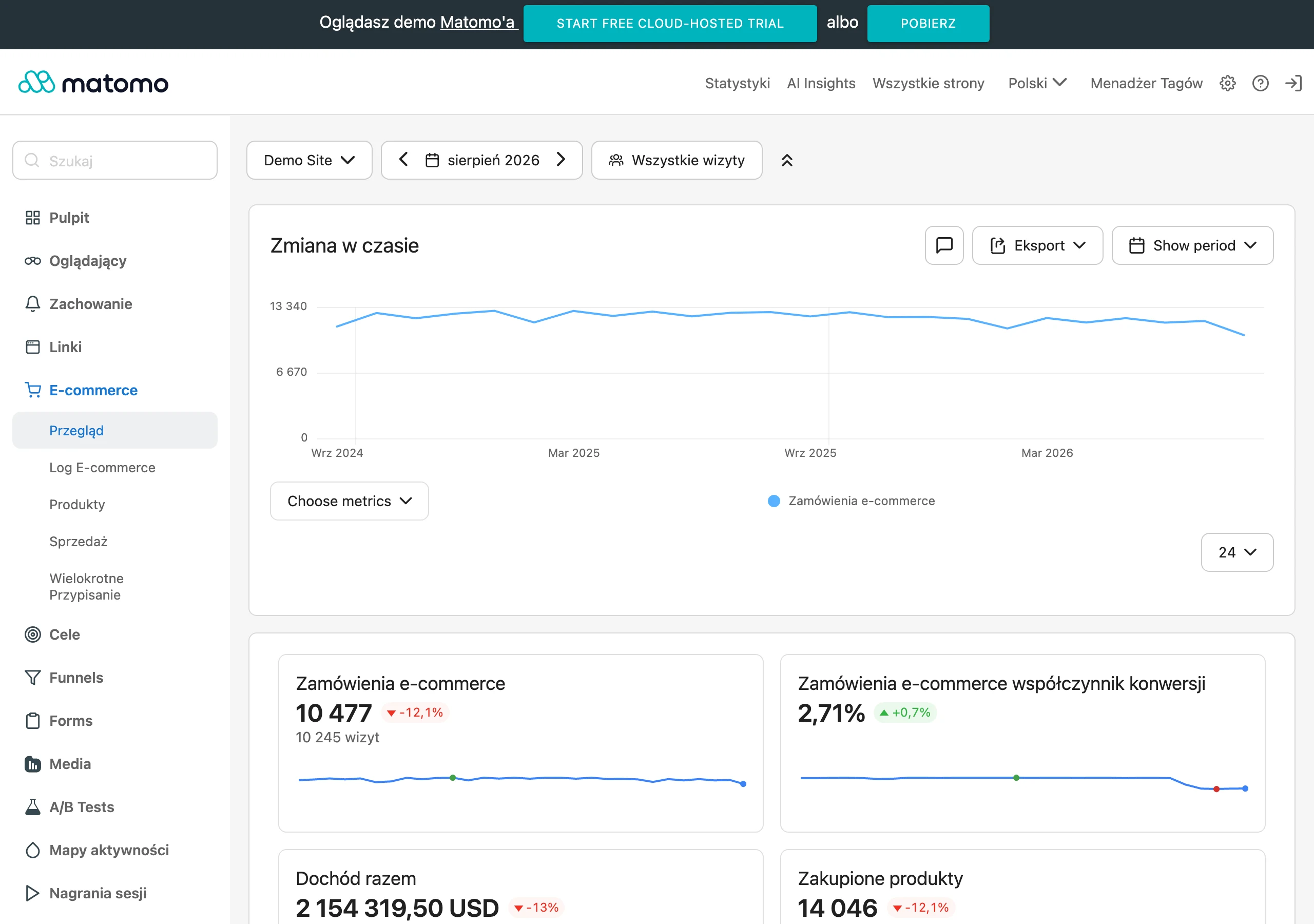
In the case of branded keywords, you will usually see a higher conversion rate, lower acquisition cost and a faster return. However, this does not always show the full picture, especially when the brand is already well recognised or has previously been strengthened by other channels. In such a situation, some of the sales would still have happened without additional spend on the brand, so you need to assess its incrementality, meaning how much of the result was actually added thanks to the campaign or SEO activity.
With non-brand, you will more often see lower direct conversion and a longer path to purchase. That is natural, because the user is still higher up the funnel and is only considering the available options. For this reason, in addition to revenue from the last interaction, it is worth analysing the share of new users, assisted conversions, path length, lead quality and the impact on sales in later stages.
For the comparison to make sense, you need to measure not only revenue, but also costs and outcome quality. In practice, you compare cost per click, the cost of content and visibility maintenance, margin, basket value, returns and the share of rejected leads. A high volume of conversions does not automatically mean a high ROI if the sales have a low margin or the leads are weak.
The source of the data is also important. Search rankings alone are not enough, because CTR is affected by ads, maps, comparison sites, rich results and various elements of the SERP response. That is why a reliable analysis combines data from the ad platform, analytics, Search Console and CRM, rather than relying on a single report.
In practice, it is best to compare brand and non-brand in separate dashboards, while also looking at them from the same decision-making level. For brand, check whether the investment protects traffic and closes sales more cheaply than alternatives. For non-brand, assess whether it genuinely delivers new users and whether it maintains an acceptable acquisition cost once the longer conversion window is taken into account.
In the end, you still need to factor in the business context. Offline campaigns, seasonality, PR activity and brand awareness can artificially boost brand performance because they increase the number of searches for the company name. If you do not filter this out, you may wrongly conclude that brand is more profitable than non-brand and cut growth budget too early.
What factors affect the performance of brand and non-brand keywords?
The performance of brand and non-brand keywords is influenced mainly by user intent, the funnel stage, brand strength, click cost, landing page quality and the way conversions are attributed. Brand keywords usually perform better where the user knows the brand and wants to go straight to the offer. Non-brand keywords are more effective when they match a specific problem, comparison or need at an earlier stage of the decision process. If you compare these two groups without taking intent into account, you are comparing two different types of traffic, not two equivalent sources of sales.
Much depends on brand maturity and the scale of existing demand. The greater the awareness, the higher the conversion rate on brand keywords tends to be, but it is also easier to overstate their real impact. Some of those visits would have happened even without additional activity, because the demand had been built earlier through SEO, social media, PR, email or offline campaigns.
Competition and the layout of search results also have a strong impact on performance. For brand, the problem can be intermediaries, marketplaces, maps, comparison sites or competitors’ ads that intercept clicks from users already ready to buy. For non-brand, what becomes key is whether the content and landing page precisely answer the query intent, because overly broad or generic pages quickly depress CTR and conversion. For non-brand, landing page relevance usually has a bigger impact on results than position itself.
You cannot reliably assess performance without looking at revenue quality. The same acquisition cost can look favourable or unfavourable depending on margin, basket value, returns and lead quality. In B2B, it is also worth analysing the proportion of accepted leads and the impact on the pipeline, because a non-brand click may convert later while delivering better sales opportunities than brand traffic.
The attribution model and the length of the buying cycle also matter. Last click often overstates the effectiveness of brand, because the user enters the brand name only at the end of the journey. If a company sells a more expensive, more complex or comparison-heavy product, non-brand will almost always be underestimated with a short conversion window.
Seasonality, devices and external sources also affect performance. A TV campaign, influencer activity or a spike in media interest can temporarily boost brand volume and artificially improve its ROI. Mobile traffic more often requires simpler navigation, a faster site and a more unambiguous offer, so even a good keyword will not deliver results if the post-click experience remains weak.
- 01User intentGoal and decision stage
- 02Brand strengthAwareness, trust
- 03Cost and conversionCPC, page quality, attribution
- 04Demand scaleExisting market, maturity
Comparing brand and non-brand keywords without taking intent and funnel stage into account is comparing two different types of traffic, not equivalent sources of sales.
What are the best practices for allocating budget between brand and non-brand keywords?
The best approach is to separate budget, objectives and measurement for brand and non-brand, then reallocate funds based on incrementality, acquisition cost and revenue quality. Brand usually captures existing demand, while non-brand reaches new users and builds new sales opportunities. For this reason, these groups should not compete in one shared report or one budget bucket. First secure the demand that already exists, and only then scale the places that genuinely create that demand.
In practice, it is a good idea to maintain a minimal, controlled level of investment in brand, especially in paid campaigns. Such a budget protects the brand when search results are cluttered, the offer is spread across many places or competitors try to intercept clicks on your company name. However, if the brand has very strong SEO, a high share of direct visits and clean search results, it is worth checking whether adding more budget to brand genuinely improves performance or merely pays for traffic that would have happened anyway.
For non-brand, the budget should grow where a sensible acquisition cost can be matched with scale potential. It is not enough to rely solely on last-click ROAS. You need to check which topic clusters attract new users, which landing pages support sales at later stages and which queries deliver valuable leads, not just traffic volume.
- Increase brand share when you need to protect the brand name, organise the path to the offer, or limit click leakage to intermediaries.
- Increase non-brand share when the priority is acquiring new customers, entering new categories, or building visibility before the decision stage.
- Reduce brand budget if organic results dominate and paid campaigns do not show a clear incremental effect.
- Pause non-brand scaling if traffic is growing but lead quality, margin, or the share of new customers is not improving.
Good budget allocation also requires separating execution structures. In PPC, this means separate campaigns and reports for brand, non-brand and mixed queries. In SEO, this translates into separate navigational pages for the brand and separate category pages, guides, comparisons and FAQ sections for non-brand. Directing non-branded traffic to the homepage is one of the most expensive mistakes, because it lowers relevance and wastes conversion potential.
It is worth assessing budget not only through the lens of cost per click, but through total acquisition cost. It is a good idea to include the cost of content, SEO implementation, campaign management, discounts, returns and the time needed to close the sale in the calculation. In many companies, brand looks best at the ad level alone, but non-brand starts to win once you factor in the impact on new customers, assisted sales and longer customer lifetime value.
Finally, you need continuous adjustments based on data from several sources. Combine data from ads, analytics, CRM and sales reports, because only then can you see whether a given keyword group generates revenue or merely cheap traffic. The budget decision should be based on sales quality and incremental effect, not on a high conversion rate alone.
What mistakes are most often made when analysing keyword ROI?
The most common mistake is combining brand and non-brand traffic in one report, which makes the result look better or worse than it really should. This is a fundamental problem, because both keyword groups respond to different intent and usually work at different stages of the decision process. When everything is put into one set of data, it is difficult to assess whether the budget is simply closing existing demand or actually acquiring new customers. Separate measurement for brand and non-brand is a prerequisite for a sensible ROI assessment.
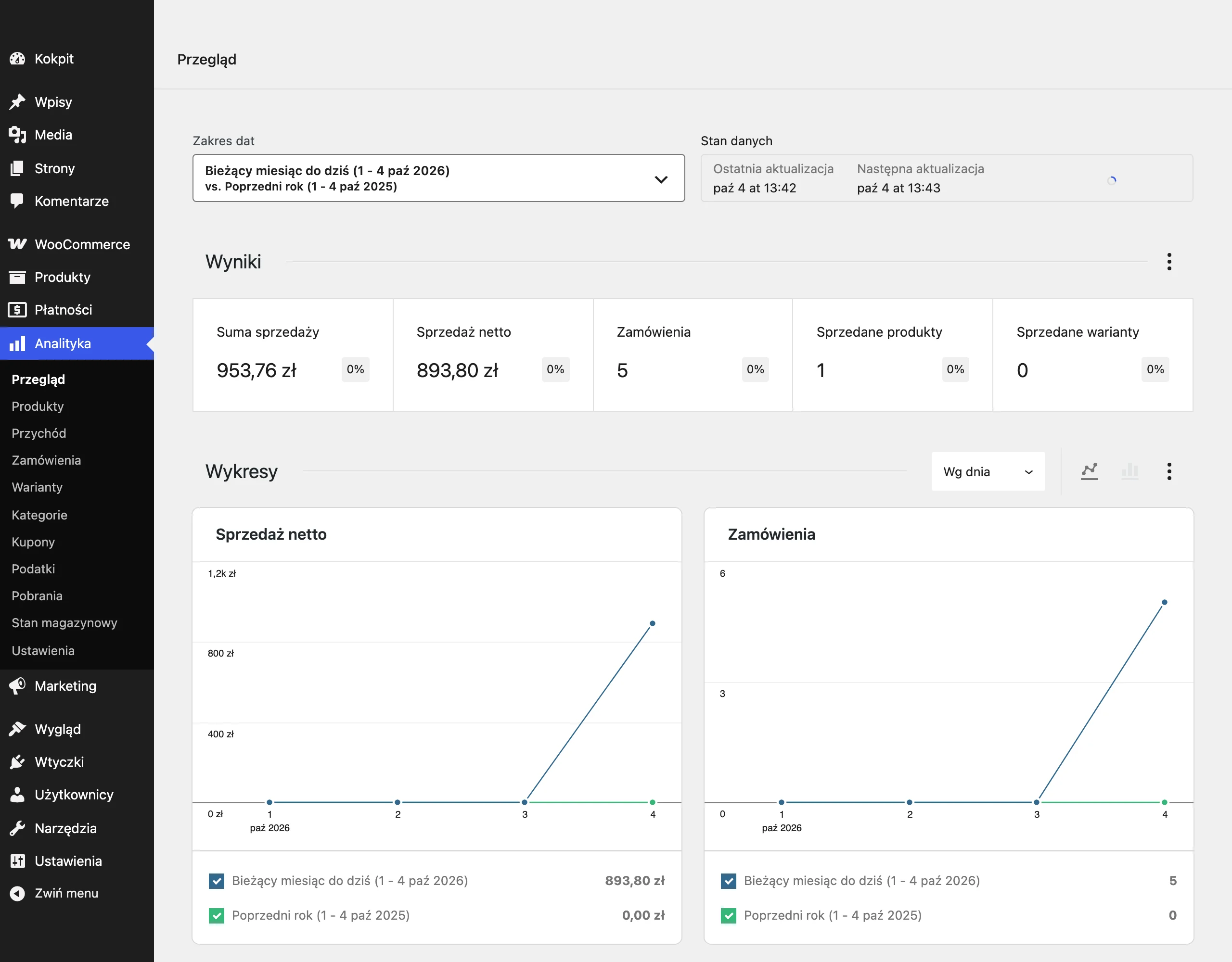
The second common mistake is attributing the whole result using only the last click model. In this approach, brand keywords almost always appear to be the most profitable, because they “close” the journey, while non-brand loses value, even though it previously built interest and brought the user into the funnel. This is especially misleading in industries with a longer decision-making process, where the user returns several times before buying or submitting a lead.
In practice, data quality fails just as often. Brand traffic can be mixed with direct traffic, campaigns are sometimes tagged incorrectly, and conversions are not linked to the CRM or offline sales. As a result, the report shows clicks and forms, but does not show which source delivered revenue, margin and genuinely accepted leads. If you do not connect marketing data with sales performance, you are analysing the cost of traffic, not ROI.
- comparing only the number of conversions without taking revenue, margin and lead quality into account,
- ignoring assisted conversions and the share of new users,
- directing different query types to the same page, which lowers relevance and conversion,
- judging performance by CTR or position instead of business value,
- failing to separate brand, non-brand and mixed queries,
- ignoring seasonality, offline campaigns, PR and social media, which artificially boost brand volume.
It is also a big mistake to assume that every conversion from a brand keyword was generated by an ad or SEO for the brand. Some of this traffic would have appeared anyway, because the user knows the brand, types its name and simply wants to get to the site. That is why brand performance can be overstated if you do not verify incrementality and do not ask the simple question: what would have happened without this impression or without this investment?
In the case of non-brand, a common mistake is cutting budget too quickly because the direct conversion rate looks weaker. Such traffic often “works” earlier: it generates the first visit, builds remarketing audiences, influences subsequent brand searches and supports sales in other channels. Non-brand needs to be evaluated more broadly than by the last click, otherwise it is easy to cut off a source of future growth.
Finally, be wary of drawing conclusions from aggregated data. An average ROI for all non-brand says very little when one pool contains problem, comparison and category keywords, and each of these groups has a different cost, different intent and a different sales potential. Better decisions come from splitting by intent clusters and separately assessing results for new and returning users.
- 01Combining trafficBrand and non-brand in one report.
- 02Only Last ClickIt ignores earlier stages of the journey.
- 03Separate Measurement & AttributionAccurate assessment of the customer journey.
Traffic separation and multichannel attribution are key for reliable ROI.
What tools and methods can be used to optimise branded and non-branded phrases?
When optimising branded and non-branded phrases, it is best to combine data from analytics, ad platforms, Search Console and CRM, and then analyse it separately for each query group. The ad platform alone is not enough, because it will show cost and conversion, but it will not give the full picture of sales quality. Only by combining information on clicks, revenue, new customers and the stage of the funnel can you decide where to increase budget and where to limit yourself to maintaining presence.
In practice, the starting point is proper keyword segmentation. You need to separate branded, non-branded and mixed phrases, and then assign them to intent: navigational, category, problem, comparison or purchase decision. Good segmentation is more important than an extensive dashboard, because without it even the best tool can distort the picture.
- GA4 or another analytics tool to assess paths, new users, engagement and assisted conversions,
- Google Ads and Microsoft Ads to control cost, impression share, query quality and separate campaigns for brand and non-brand,
- Google Search Console to analyse organic queries, CTR, landing pages and intent cannibalisation,
- CRM to assess lead quality, rejections, sales value and time to close,
- Looker Studio or spreadsheets to bring the data together in one decision-making report,
- call tracking and offline conversion import where the sale does not end online.
For branded phrases, protecting demand and getting the user to the right offer as quickly as possible is key. In paid campaigns, this means separate brand campaigns, aligning messaging with product and service names, full use of ad extensions and directing traffic to navigational or product pages, not always to the homepage. In SEO, what matters is a clear information architecture, consistent naming, strong brand pages and a good capture of results for the most important variants of the name.
For non-brand, the best results come from actions matched to the user’s intent and stage of the funnel. Instead of one broad page, it is more sensible to prepare separate landing pages for the category, problem, comparison and specific use case. Building topical clusters also works well: the category page captures demand closer to purchase, while guide and comparison content supports the earlier decision stage. Directing non-brand traffic to the homepage usually lowers relevance, quality score and conversion.
In paid optimisation, it is worth regularly reviewing the search terms report, adding negatives and varying bids depending on intent. Brand usually requires keeping costs under control and protecting impression share, whereas non-brand relies on tests: headlines, match types, topic groups and different landing pages. In SEO, the equivalent of such tests is refining titles, site architecture, FAQ sections, comparisons, supporting decision content and better matching the page to the user’s actual query.
If you want to make more accurate budget decisions, also use measurement methods for incrementality. The simplest approach is to compare periods, locations or campaign groups with controlled changes in delivery to check what share of branded traffic would have been acquired without additional cost. In the case of non-brand, it is worth tracking not only direct sales, but also growth in the number of new users, growth in branded searches and the impact on the sales pipeline.
Operationally, a steady review rhythm works well. Once a week you check costs, queries and landing pages, once a month you assess lead quality, revenue and margin, and once a quarter you decide whether to shift budget between brand and non-brand. The best optimisation is not about maximising traffic, but about moving investment to where real business value is growing.
FAQ
Frequently asked questions
What are the differences between branded and non-branded keywords in SEO and ads?
Branded keywords include the name of the brand, product or service, while non-branded keywords describe a need or category without naming the company. Brand usually means the user is closer to a decision, while non-brand appears earlier in the buying journey.
Do branded keywords always have higher ROI than non-branded keywords?
Not always, because a strong brand result may come from demand built earlier by other channels. Branded keywords often convert better, but that does not prove they generated the sale on their own.
Why shouldn’t ROI for brand and non-brand be calculated in one report?
Because these groups answer a different intent and work at different stages of the funnel. A combined report can easily distort the result and lead to poor budget decisions.
Which factors most affect the performance of branded and non-branded keywords?
The most important are user intent, funnel stage, brand strength, cost per click, landing page quality and the way conversions are attributed. Seasonality, competition and external sources that can boost branded traffic also matter a great deal.
When is it worth increasing budget for non-branded keywords?
When the priority is acquiring new customers, entering new categories or building visibility before the decision stage. The budget makes sense when the traffic delivers valuable leads and an acceptable cost per acquisition.
Which mistakes most often understate or overstate keyword ROI in analysis?
The most common mistake is combining brand and non-brand in one report and attributing everything with a last click model. Another issue is ignoring margin, lead quality, assisted conversions and the impact of offline activity on brand performance.