
When a brand falls into a crisis, marketing should not drown out the problem, but rather organise the facts and reduce information chaos. In practice, this means making sure customers, the media and search engines see consistent, up-to-date and credible messages. The worst outcome comes from trying to win the argument through force of tone, because then the brand quickly starts to look like the aggressor. That is why the first decisions should concern people, process and data, and only then the content and channels.
How to build an effective crisis team and define its roles
An effective crisis team is a small group with a clear division of responsibilities and one decision-maker. Such an arrangement shortens message approval, limits conflicting versions and reduces the risk of responses written under emotion. In the first 24 hours, what matters is not the number of people, but the speed at which confirmed information moves. If everyone speaks separately, the brand starts to look chaotic or hostile.
The best approach is to assign roles according to influence over decisions and contact with the outside world.
- SEO monitors branded results and indicates what information the user sees first.
- PR prepares the message and ensures consistency of language across the media and owned channels.
- The lawyer assesses legal risk and ensures the communication complies with compliance.
- The board approves the direction of action and takes responsibility for operational decisions.
- Customer service collects questions, complaints and signals from the front line of contact.
- Spokesperson, i.e. one person speaking publicly, represents the company externally.
An equally important element is a simple working process: who gathers the data, who approves the content and who responds publicly. SEO and customer service provide signals from the market, PR shapes the message, the lawyer assesses the risk, and the board approves the direction. The spokesperson should speak on behalf of the company, even if the content is created by the team. This makes it possible to publish the confirmed minimum of information and immediately announce the next update.
The importance of monitoring and social listening in crisis situations
Monitoring and social listening are needed to see the source of the crisis, its scale and the pace at which it is spreading in real time. Without this, the company reacts to the loudest comments, not the real problem. In practice, you need to track the media, social media, forums, discussion groups and branded search results. This shows where the allegation is only just emerging and where it is already affecting customer decisions.
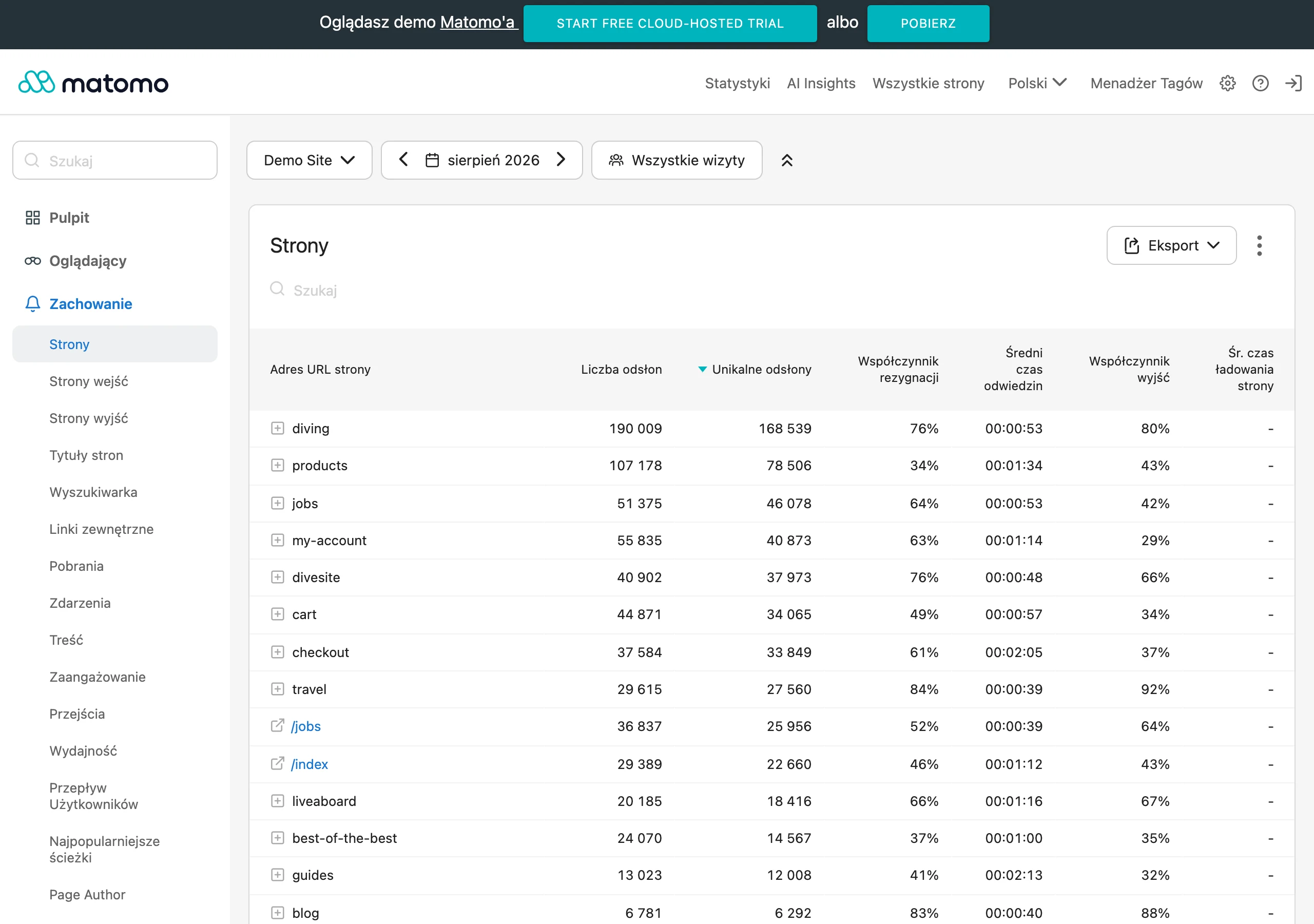
The most useful are the data that can be turned into a communication decision:
- the volume of queries such as “brand”, “brand reviews” and “brand problem”
- the sentiment of mentions and sudden changes in it
- repeating questions, allegations and false information
- the sources giving the topic the greatest reach
- the moment when the discussion moves from niche channels into the mainstream
Well-run monitoring helps you respond proportionately. If a crisis is being fuelled by one misleading thread, the priority is to quickly clarify the facts. If branded queries with a negative add-on are growing, you need to urgently publish up-to-date information in places that are easy to find. Social listening also protects against counterattack, because it shows when audience emotions are running high and an aggressive tone would only add fuel to the fire.
Strategies for diagnosing a crisis and determining its impact
Crisis diagnosis is about determining what happened, what is confirmed, who the problem affects and how quickly the topic is growing. Only then is it possible to choose the tone, scope of the message and sequence of actions. Without this work, the company responds either too broadly or too defensively. Both extremes increase the risk that the brand will sound like the attacking side.
In practice, the diagnosis should cover the source of the allegation, its truthfulness, scale and the speed at which the information is spreading. You also need to establish whether the problem concerns one incident, a process, a product or the behaviour of a company representative. This changes the communication responsibility and the scope of corrective action. You respond differently to an operational mistake and differently to incomplete or false information.
At the same time, you need to assess the impact on customers, the legal risk and the brand’s visibility in search. If queries with add-ons like “reviews” or “problem” are growing, the crisis is already influencing purchasing decisions. Every diagnostic conclusion should be reviewed by a lawyer before it goes into the message. The safest approach is to publish the confirmed minimum of information and immediately indicate the date of the next update.
How to set the goals of crisis communication and avoid mistakes
Crisis communication goals need to be set around calming the situation, providing facts and showing corrective actions. It is not about winning the argument or regaining your point in the comments. A properly set goal helps distinguish the messages that are needed from reactions written out of spite. That is what protects the brand from looking like the aggressor.
The goal should answer three questions: what do we already know, what are we doing now and when will we say more. This structure organises the message and lowers tension. The audience does not have to agree with the company, but it must see that the company has control of the process. That is why the language should be simple, empathetic and free of irony.
In practice, it is worth taking responsibility for explaining the matter and handling the consequences, even when full blame has not yet been established. This is an important distinction, because it allows you to speak honestly without prematurely admitting fault. That is how credibility is built through process, not through a sharp tone. The public usually detects an ego-defensive stance faster than a lack of perfect wording.
The most damage is done by silence, ego defence and a public counterattack on critics. Such moves give the topic greater reach and weaken trust in the brand. Legal jargon, conflicting versions and mass deletion of comments also work poorly. If the brand starts fighting people instead of organising the facts, the crisis usually drags on.
It is also a mistake to promise more than can realistically be delivered. Speed of response is important, but it does not justify speculation. It is better to publish a short, verified statement than a long text that has to be withdrawn shortly afterwards. In a crisis, consistency and timeliness matter more than apparent decisiveness.
Using a crisis centre as the only source of truth
A crisis centre works best as a single official, canonical and indexable page to which all brand communications lead. This means the customer, journalist and search engine see the same state of affairs. It limits chaos, contradictory quotes and guesswork. One source of information reassures the situation more effectively than many fast but fragmented responses.
The page should contain elements that answer the most important questions without having to search for them in comments or media coverage:
- a statement with a clear state of affairs
- an FAQ with answers to recurring questions
- a timeline of events and company actions
- the publication date and date of the last update
- contact details for further questions
The hub must remain neutral in tone and be updated as verified facts emerge. If the matter is not yet resolved, publish the verified minimum and announce the time of the next update. Every change should be visible on the page, not only on social media. All channels, from the website to media contact, should point there.
Technical and on-page optimisation for better crisis management
Technical and on-page optimisation is meant to ensure that the current message is found quickly, interpreted correctly and visible for branded queries. In a crisis, it is not just the content that matters, but also whether Google shows the right version of the page. A well-prepared hub helps organise the branded SERP without aggressively pushing criticism out. It also makes it easier for users to reach the facts rather than summaries and rumours.
The on-page layer should be literal and aligned with user queries. A precise title and H1 must make it clear exactly what the message is about. In H2 and H3 headings, it is worth including the audience’s real questions rather than corporate slogans. Structured data such as Article, NewsArticle, FactCheck, datePublished and dateModified also help.
From a technical perspective, you need to ensure a correct canonical, server stability and fast refresh of the index for the current version. In practice, this also means Last-Modified headers and submitting the URL to Google Search Console, and in the relevant processes also via the Indexing API. If the brand operates in multiple markets, language versions must be consistent and connected with hreflang. The hub should also be internally linked from key places on the site, especially the homepage and contact page.
The most common mistake is creating several similar statements that compete with one another or differ in detail. Such a setup weakens trust, makes indexing harder and complicates responses generated by AI systems. It is better to have one page expanded with Q&A than a series of thin SEO publications. Consistent dates, questions and answers increase the chance that the search engine and AI assistants will show the current context.
Measuring the effectiveness of crisis actions and managing reviews
The effectiveness of crisis actions is measured by whether users reach the current facts faster, not by the number of published statements. In practice, you need to monitor the branded SERP, user reactions and changes in the tone of mentions. If the official hub gains visibility and clicks, and information chaos decreases, the actions are moving in the right direction. When the number of queries with “problem” or “reviews” added increases, the crisis is still affecting customer decisions.
The most useful KPIs are simple and tied to user behaviour. It is worth checking regularly:
- the share of your own assets in the top 10 for brand keywords,
- CTR to the crisis centre,
- Share of Voice for crisis keywords,
- sentiment of mentions in media and social media,
- brand traffic and returning users,
- conversion of users who return after reading the message.
These data need to be read together, because a single metric is easy to misinterpret. A rise in brand traffic alone does not mean improvement if it is accompanied by a drop in sentiment and weak visibility of your own materials. The aim of measurement is not to prove success, but to quickly detect whether communication is bringing order to the situation. That is why monitoring should run every day, and in the first few days even in real time.
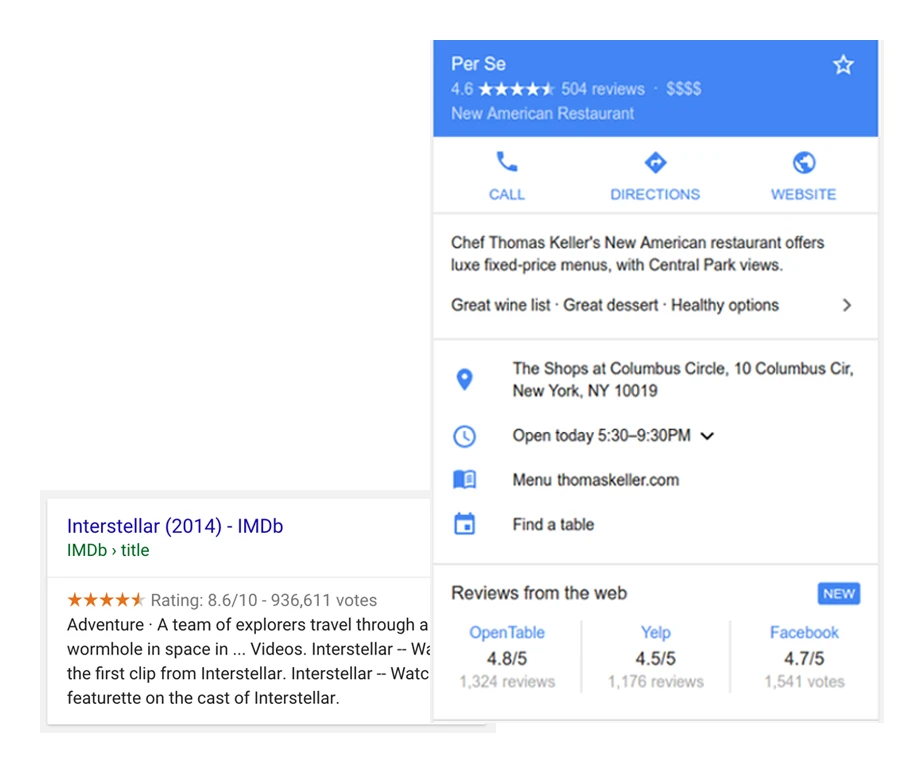
Review management involves responding publicly, briefly and substantively where customers actually leave reviews. This applies especially to Google Business Profile and review platforms, where the brand’s response is visible to the next people. The best response confirms that the company knows about the issue, points to the official source of information and moves the details to a private channel. This approach reduces tension and does not turn the reviews section into a public dispute.
There is no point removing critical content just because it is inconvenient. Removal makes sense only when the post breaches the rules, contains threats, sensitive data or obvious misinformation that can be reported in line with the platform’s policies. Mass deletion of comments usually worsens sentiment and strengthens the effect of attacking critics. It is far safer to leave a trace of a calm, orderly response than to try to wipe the discussion away by force.
When responding to reviews, you need to keep a close eye on tone just as much as in an official statement. Irony, lecturing the customer and legalistic language quickly create the image of a brand that is more focused on defending its ego than solving the problem. It is better to write in simple language, without questioning the user’s emotions and without making promises that the company has not confirmed. It is in reviews that it is easiest to lose credibility through small but public mistakes.
FAQ
Frequently asked questions
How should you run marketing during a reputation crisis so you do not come across as the aggressor?
You need to organise the facts, not drown out the problem with forceful messaging. The best approach is to base communication on verified information, simple language and a single official source of updates.
What should a crisis team in a company look like?
It should be small, with a clear division of roles and one decision-maker. It is also important to have people responsible for SEO, PR, legal matters, management, customer service and the spokesperson.
Why are monitoring and social listening important during a crisis?
They make it possible to see the source of the crisis, its scale and the speed at which it is spreading in real time. This means the company responds to the real issue, not just the loudest comments.
What should be included in a crisis hub on the website?
The website should contain a clear statement, FAQ, timeline of events, publication date and last update date, as well as contact details for further questions. The hub should be neutral, up to date and treated as the only official source of information.
How should you set crisis communication goals?
The goals should focus on calming the situation, providing facts and showing remedial actions. The message should answer three questions: what we already know, what we are doing now and when there will be more information.
How do you measure the effectiveness of crisis actions in SEO and reputation?
It is worth monitoring the visibility of your own content in brand search results, CTR to the crisis hub, Share of Voice, sentiment in mentions and brand traffic. In reputation management, a short, factual response and directing people to the official source of information matter most.