
Podcasts and simple video can build a brand effectively even without a studio and an editor, if from the outset they serve a specific business goal. The biggest mistake at the start is treating recordings as an add-on to marketing rather than as a permanent channel for building trust. Without regular publishing and clear value for the audience, even good equipment will not build a recognisable brand. In practice, what matters is a simple process, selecting topics based on real customer questions and publishing on your own sites. This means the content works at the same time on audience relationship, search visibility and future branded queries.
Brand goal and strategy in podcasts and video recordings
The brand goal and strategy in podcasts and video recordings is to make every episode strengthen brand recognition, trust and recall. Recording alone does not deliver these effects if the audience does not know why they should come back to you. A well-run format shortens the distance, because the voice, the way you explain things and a repeatable perspective build a relationship faster than text alone. This is also important for SEO, because the chance of searches for the brand name grows, along with associating it with a specific topic.
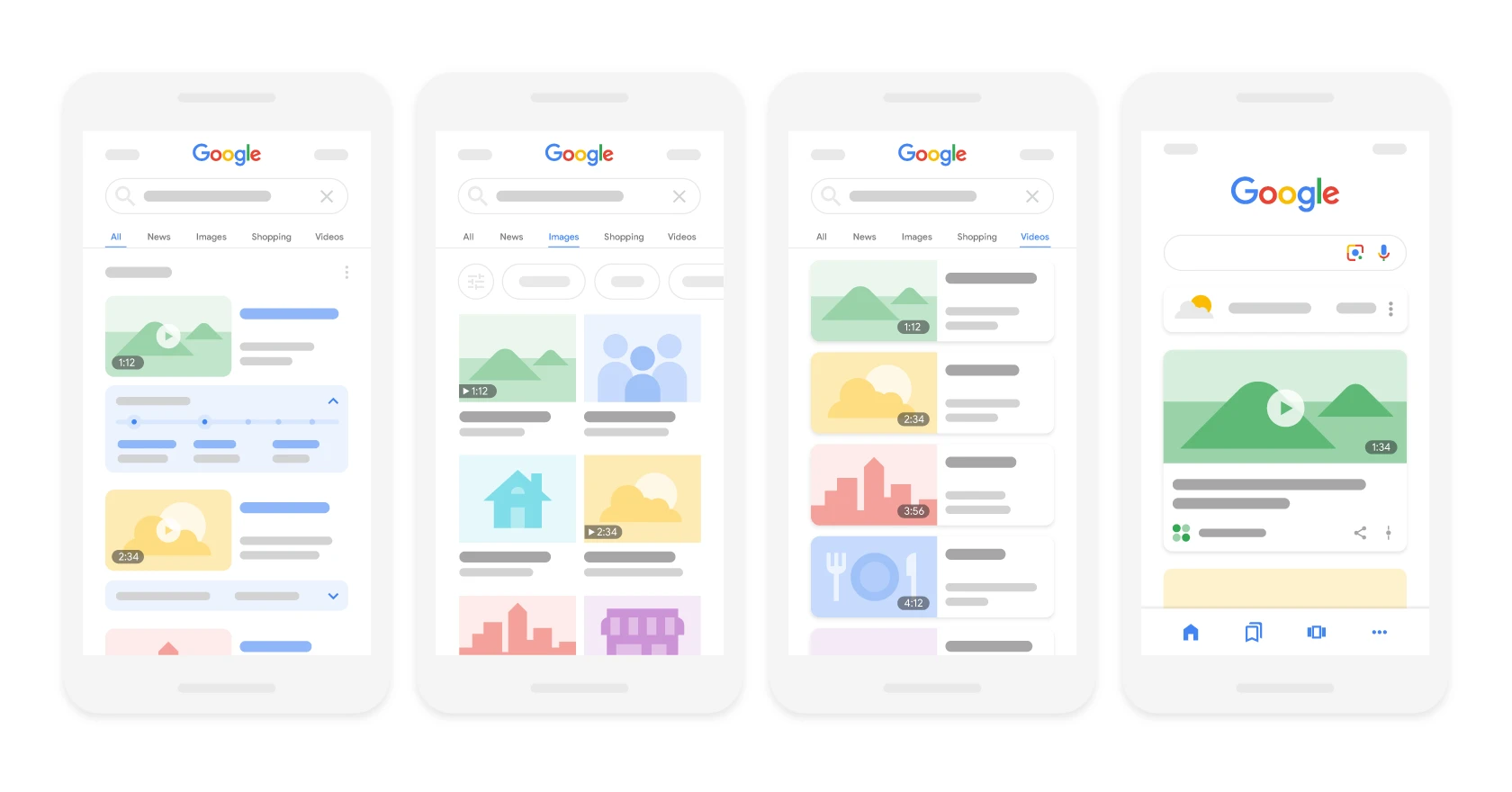
In practice, the strategy should answer three questions: who you help, in what area you want to be associated, and what action you want the audience to take after the content. If you sell an expert service, recordings should strengthen signals of experience, expertise, authority and trust. This means talking about real customer problems, your own observations and clear recommendations, rather than general opinions. When this direction is consistent, each successive episode adds another brick to topical authority rather than scattering attention.
The start strategy: key compromises and decisions
The start strategy is about consciously accepting compromises that make it possible to publish regularly without an extensive setup. The most important decision is this: it is better to record consistently at a good usable quality than to wait for perfect conditions. At the beginning, sound quality has a greater impact on perception than polished video, so an audio-first approach is often more sensible. If the image complicates logistics, it is better to simplify the frame than to cancel publication.
The second group of decisions concerns format and distribution channel. Longer episodes build depth and a knowledge archive, while short clips more often help you reach new people. Your own channel gives you a content asset that can be embedded on the site and developed for SEO, whereas guest appearances speed up entry to a new audience. The most practical approach is to choose one main format, one publishing rhythm and add guest appearances or clips only when the core process works without friction.
How to plan content based on SEO and business goals
It is worth planning content so that each episode answers a specific customer question and supports one stage of the buying decision. The easiest way is to build a list of topics from keyword analysis, questions from sales conversations and common objections. Such material matches audience intent better than general conversations without a purpose. In addition, it is then easier to name the episode, describe it and publish it on the site.
In practice, it works well to divide topics into three groups: problem awareness, option comparison and decision. This means you are not recording only for people ready to buy, but also building earlier interest. Evergreen content provides a long period of usefulness, while a comment on a trend lets you join the current market conversation. The safest rule is this: one episode should solve one problem and lead to one conclusion.
If you want to build topical authority, organise episodes into clusters around one area rather than around random ideas. A series of several pieces on one problem strengthens the brand association with the topic and gives more opportunities for later internal linking. It is also worth keeping the naming of the brand, services and methods consistent. This helps both the search engine and AI systems understand correctly what you are talking about.
Minimal technical setup for a quality recording
A minimal technical setup should provide clean sound, a stable image and predictable recording conditions. Without that, even a good topic loses impact, because the listener gets tired more quickly. You do not need a studio, but you do need a permanent place and a simple kit that you can set up in a few minutes. The goal is usable quality, not commercial production.
Sound has the biggest impact, so the priority is a USB microphone, such as the Blue Yeti or Rode NT-USB, or a decent headset. You can record video on a smartphone, a laptop camera or a simple webcam. The surroundings alone make a big difference: a quiet room, carpet, curtains and soft furnishings reduce echo. That matters more than expensive equipment set up in an empty room.
The image becomes good enough when the frame is stable, the light comes from the front, and the background is not distracting. A tripod or a fixed phone setup saves time and reduces the number of retakes. Avoid backlighting, because the face becomes dark and less clear. The best setup is the one that lets you record an episode without any preparation longer than the recording itself.
The one-take production process: from idea to publication
The one-take production process involves recording an episode in one go based on a short plan, rather than a full script. It is best to prepare one page of bullet points: the problem, the thesis, 3-5 main threads, an example and a closing CTA. This structure organises the delivery without taking away its natural feel. As a result, you speak more freely and are less likely to create material that needs extensive editing.
During the recording, it is worth speaking as you would explain the topic to a client in a meeting or consultation. Minor slips of the tongue do not matter if the meaning remains clear and the pace is steady. If you get stuck, take a short pause and return to the point instead of starting over. If editing becomes a condition of publication, the process stops being scalable.
After recording, only minimal editing is needed: removing the empty beginning and end, and balancing the volume. Fixed intro, outro, graphics and episode description templates save a lot of time. In practice, every element set up from scratch slows publication down more than the recording itself. That is why it is worth deciding in advance on the series name, the structure of the description and one repeatable call to action.
Optimising the episode page for SEO
Optimising the episode page for SEO means creating a separate URL page that explains the topic even without starting the recording. It is this subpage that can gain visibility for questions, comparisons and brand-related queries. The title should match the search intent, not just be the name of the series. The meta description should promise a specific benefit, because it often decides whether someone clicks.
The strongest element of the page is a full transcript or an expanded summary of the episode. This kind of content gives the search engine and the reader context that is not visible in the player itself. It is best to divide the material into short sections answering the main questions raised in the recording. Simply embedding audio or video without text usually wastes the episode’s SEO potential.
It is worth embedding the player on the page and adding links to services, related articles and earlier episodes. This helps the audience take the next step and strengthens thematic connections across the site. It is good when the description leads to one specific CTA aligned with the episode’s goal. If the material concerns the comparison stage, the link should lead to an offer, contact or content that develops the topic further.
Typical mistakes and pitfalls in podcast and video production
The most common mistakes are chasing better equipment, a weak episode title and delaying publication because of minor imperfections. In practice, this kind of start kills consistency, and without consistency the brand does not build memory or trust. Equally costly is the lack of a clear value proposition in the title and the first minute of the recording. If the audience does not immediately see the problem and the promise of a solution, they leave faster and come back less often.
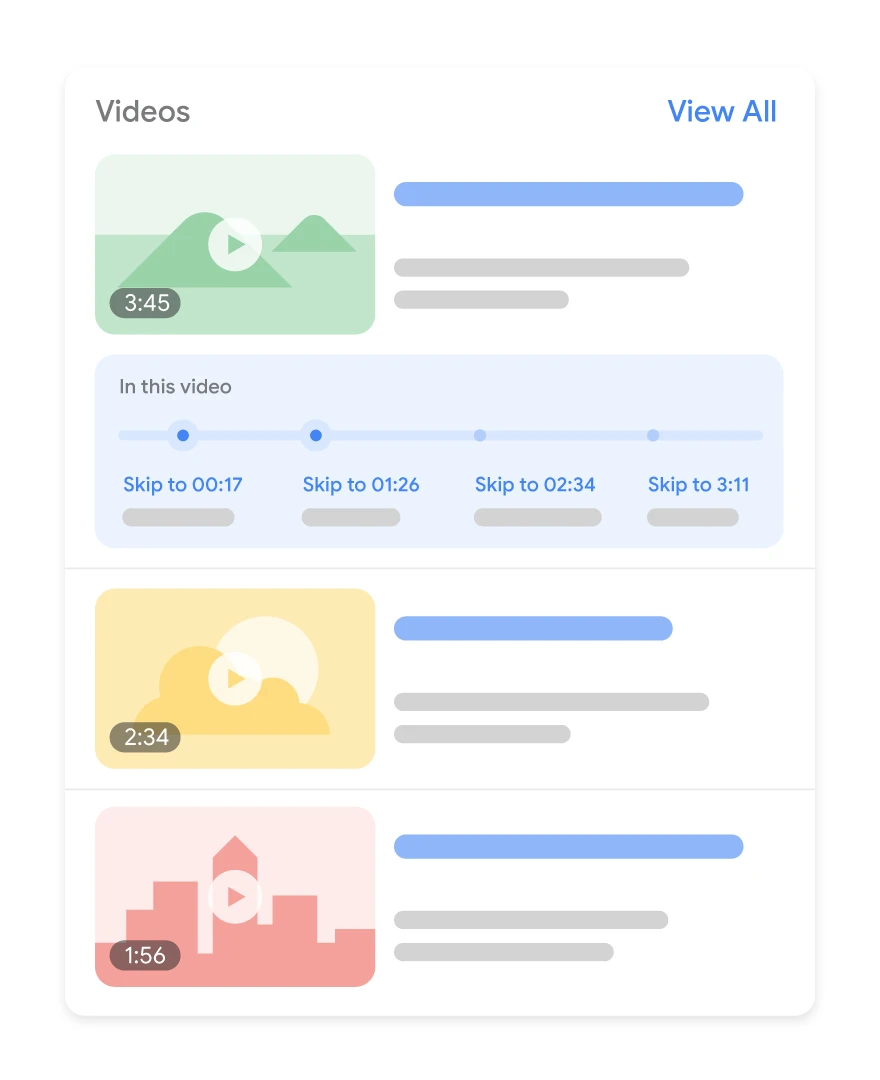
The second pitfall is publishing into a void, meaning uploading an episode only to the platform without your own page, text or links. Such material is harder to index, cite and connect with the rest of the site. When an episode has no dedicated URL and transcript, you lose the chance for SEO, AI Search and sensible internal linking at the same time. This lowers the value of every recording, even if the content itself is very good.
The third mistake is the “publish and forget” syndrome, meaning no repurposing, promotion or simple CTA. Without clips, quotes, a newsletter and active outreach to guests or mentioned brands, the episode lives for too short a time. Very often there is also no link to a service, article or contact, so the audience’s attention does not turn into the next step. In the end, it is these oversights that reduce branded search, referral traffic and the number of invitations to collaborate.
FAQ
Frequently asked questions
How to build a brand in podcasts and video recordings without a studio and editor?
You need to treat recordings as a permanent channel for building trust, not an add-on to marketing. Regularity, clear value for the audience and publishing on your own website are important.
Is good sound or polished video more important at the start?
At the beginning, sound matters more, because it has a stronger impact on how the material is received. Video can be simplified if preparing it makes regular publishing harder.
How should you plan episode topics so they support SEO and sales?
Topics should answer specific customer questions and support one stage of the purchase decision. Good sources are keywords, sales conversations and common objections.
Why is it worth publishing episodes on your own website, rather than only on a platform?
A separate URL can gain visibility in search for questions, comparisons and brand-related queries. Without text, a transcript and links, the material is harder to index and connect with the rest of the site.
What does a simple single-take episode recording process look like?
A short plan is enough: problem, thesis, 3–5 points, an example and a final CTA. This structure lets you speak naturally and reduces the need for heavy editing.
Is it better to record shorter clips or longer episodes?
Longer episodes build depth and a knowledge archive, while short clips help you reach new people. The most practical approach is to choose one main format first and then supplement it with additional materials.