
At present, it is hard to imagine running a business without promoting it through a website. One of the issues related to publishing a website online is purchasing the right hosting, i.e. a place to store the website. It is just as important as the domain. It is also worth finding out what importance hosting has in terms of SEO.
What is web hosting?
The term hosting refers to a service that provides server disk space on a computer permanently connected to the Internet. The client has the option of renting space to store documents, multimedia files, email accounts and website files. Thanks to such a place on the server, the website can operate continuously and users can access its resources.
In other words, a server is a specially configured computer available on the network 24/7. It is what enables the website to operate, and it is on it that the site is installed so that it is available practically all the time.
In our country, you can find various companies offering hosting in both free and paid versions. In the case of the latter option, monthly billing or annual contracts are the most common.
The offers from companies specialising in hosting services are broad and include several types of hosting accounts or servers. In addition, the packages include domain registration, website creation and providing virtual disk space to store various files.
- 01Space sharingServer space
- 02Storing resourcesFiles, mail, websites
- 0324/7 operationWebsite always online
A server is a specially configured computer that provides uninterrupted access to a website on the network.
Types of web hosting available on the market
There are different types of servers / hosting services that use resources in many ways. This means that every client has a wide choice of solutions tailored to specific needs and a defined budget.
Shared hosting
Among the most popular types of servers is shared hosting. Using such a solution does not require specialist knowledge. All you need to do is buy the appropriate package tailored to your own needs. The remaining tasks related to server maintenance and configuration are carried out by the company offering the service.
It can be said that shared hosting refers to a client account located on a server whose resources are shared with other accounts on the same IP address. This option is the cheapest, if we exclude free hosting. The biggest drawback of sharing is the possibility of website loading issues when traffic is high.
It is also worth remembering the server’s limited resources, which will run more slowly when other users put it under load. This solution is the best option for beginner bloggers and smaller businesses whose websites do not place a significant load on the connection or server resources.
- 01Frequent outagesThe first sign of unreliable hosting.
- 02Negative impact on SEOReduces visibility in search engines.
- 03Indexing errorsThe search engine cannot find the site.
- 04Increase in bounce rateA drop in authority and credibility.
- 05Goal: reliable hostingUptime of 99,9% of the time.
To avoid problems and maintain a high ranking, choosing a stable server is key.
Dedicated server
Among the much more expensive services is certainly a dedicated server. This option is a good choice for demanding users whose sites are highly technically advanced. As with the VPS option, the user gets their own server tailored only to specific needs, without dependence on other customers of the given company.
It should be remembered that a dedicated server allows software to be installed and the installed system to be configured however you wish. The resources of a dedicated server are not shared with other users. This exclusivity also applies to the internet connection itself. Such servers are the ideal choice for sites storing data and other information requiring a high level of security.
Such servers are quite often chosen by companies involved in email hosting, website creation, as well as by internet TV and radio stations. Dedicated servers are fairly costly, so in most cases only the largest companies use them.
VPS (Virtual Private Server)
A middle-ground solution between shared hosting and a dedicated server is VPS. When choosing it, the user receives a virtual machine with guaranteed CPU power and RAM. It is also possible to fully control the server resources in terms of installed applications and stored files.
What sets VPS services apart is direct access to the system, which makes it possible to install your own software. Of course, in this case the user must have sufficient knowledge, without which correct server configuration is simply impossible.
It should be remembered that a VPS server is still shared with other customers. This is quite important when it comes to security issues. VPS servers are usually used by online stores, game servers and larger sites whose scripts can place a load on the server.
- 01Low qualityCheap, but unreliable
- 02Spam riskLoss of credibility
- 03Slow performanceLack of scalability
Avoid cheap solutions for better quality and credibility.
Cloud Server
Under the name Cloud Server are so-called cloud servers, which are a fairly new service on the market. Such hosting involves the provision of resources from server clusters, as well as the ability to configure them, as is the case with dedicated servers. Such services are characterised by a high degree of security.
Thanks to this modern solution, in the event of a failure, the virtual machine is moved elsewhere. This translates into a downtime of at most a few minutes when a failure occurs. Such operation is possible thanks to the huge number of powerful Cloud servers.
A huge advantage of Cloud servers is highly flexible resource management. It only takes a few clicks to expand the virtual machine according to your own needs. For example, you can immediately increase the amount of RAM if the need arises.
Server downtime
The basis is, of course, carrying out hosting tests. If the site has frequent problems with server downtime, this is the first sign of unreliable hosting servers.
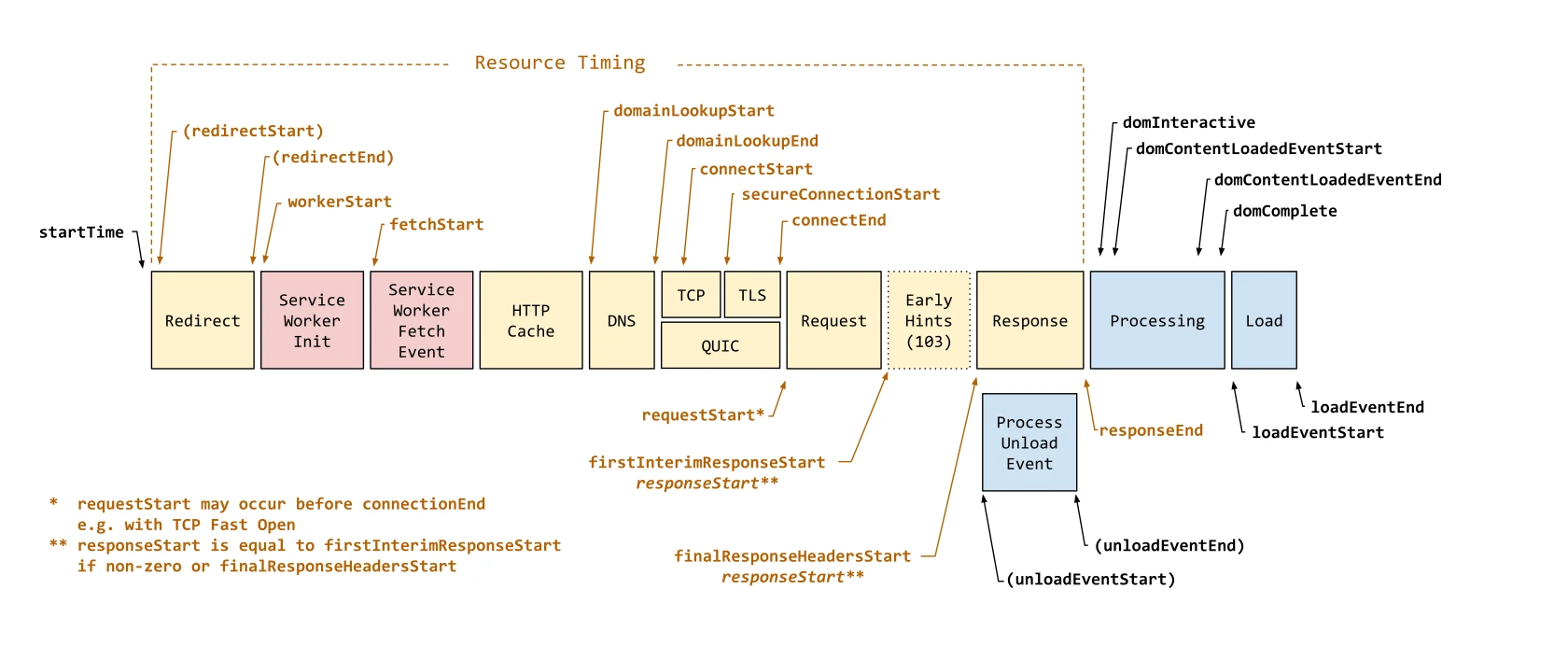
Downtime not only has a negative impact on the overall performance of a website, but it can also lower the SEO health of our site.
For example, a website is not working and does not appear in the search engine. The search engine receives a query related to the site’s content. It then cannot find this website, and such an error lowers the site’s value in SEO terms. In addition, the website’s bounce rate increases, which directly affects its authority and credibility.
As a result, to avoid downtime and to ensure the site is available 99.9% of the time, you should look for the best possible hosting for your website.
Page load time
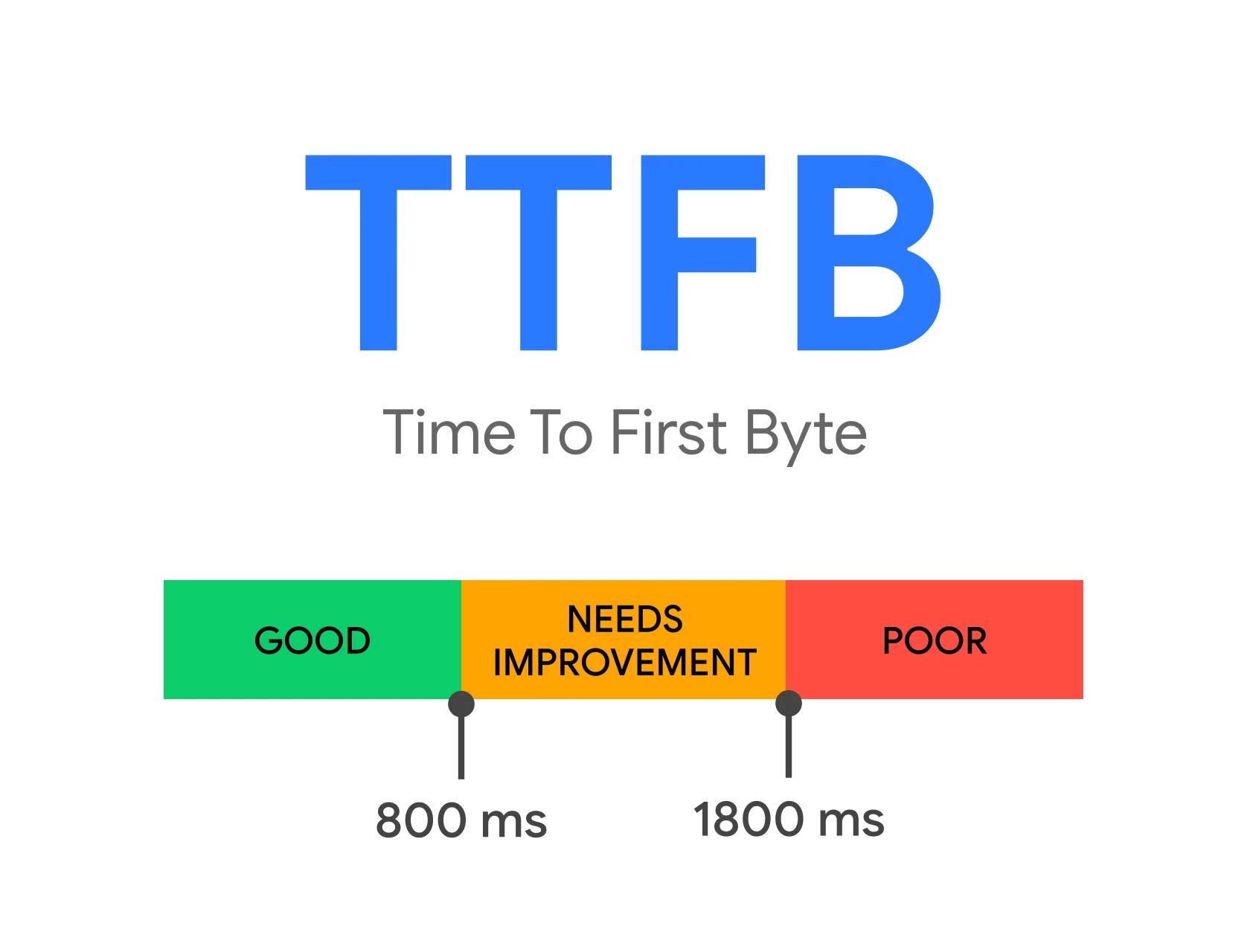
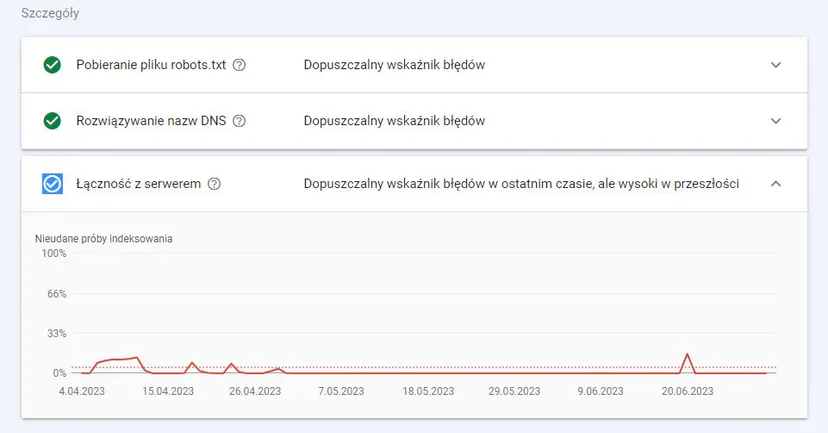
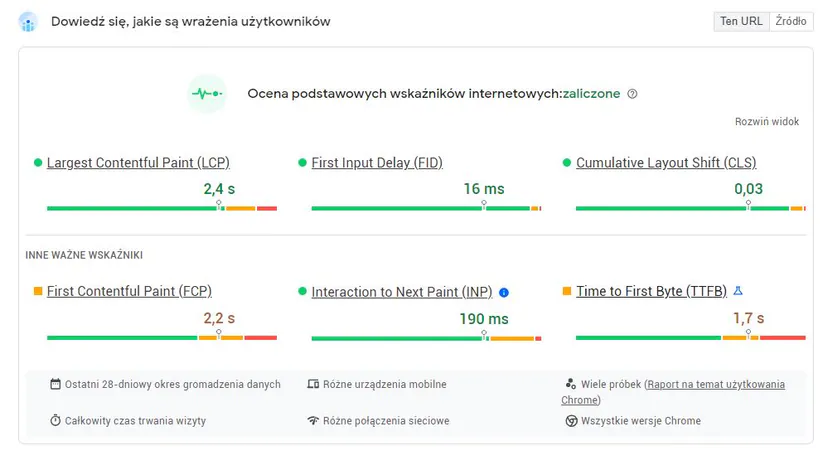
The second factor to test in web hosting is the page load time. If a site is slow and takes a long time to load, this may be due to hosting weaknesses. However, remember that many other factors affect site speed! The development aspect also plays an important role. So before we assess our provider, let’s check our own application.
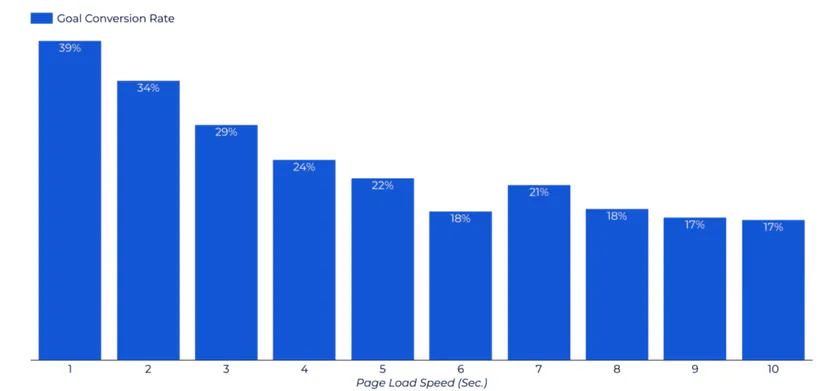
In general, it is assumed that if a page takes longer than two seconds to load, visitors will most likely choose the next available option. As a result, page load time is a very important factor affecting its reputation.
In addition, a page with a long load time will have a high bounce rate, which directly affects its position in search results. The result is a lower conversion rate in terms of SEO results.
Good web hosting reduces page load time by using innovative technological solutions. This translates into a greater number of visitors.
For measuring page load time, you can use the following tools, for example:
Giving up shared hosting
Shared hosting may seem cost-effective, but it is worth remembering that a budget approach is usually not a good solution. This form of hosting allows many websites to be placed on a shared server, and that affects its quality.
Cheap hosting providers offer their servers to everyone, including people involved in spam. It is worth bearing this in mind.
Bad neighbourhood can directly affect a site’s credibility in the rankings. In addition, shared hosting may not provide adequate speed, reliability or scalability.
How to choose a reliable hosting provider?
When making the final decision in this area, you should analyse in detail many key parameters, including:
- the length of time the hosting company has been in business – the more years of experience such a company has, the greater the chances of getting the right services – although, of course, there are exceptions.
- reputation among customers – one of the basic steps to take before making a decision is to check online reviews. Customer experiences indicate how reliable, dependable and competent a given company is.
- secure File Transfer Protocol – if a hosting company offers Secure File Transfer Protocol (SFTP), it means that files are fully protected against modification or interception.
- Secure Sockets Layer (SSL) certificate – this certificate encrypts the path between the server and the search engine. As a result, it is highly important for site security and the protection of sensitive information.
FAQ
Frequently asked questions
How does hosting affect website SEO?
Frequent server downtime and slow page loading lower its value in terms of SEO. They can also increase the bounce rate and worsen visibility in search results.
Is shared hosting good for a website just starting out?
Yes, it is a good solution for beginner bloggers and smaller businesses. It is the cheapest option, and the hosting provider takes care of server administration.
Why can shared hosting harm website performance?
Many accounts run on one server, so resources are shared between users. When traffic is high or other clients place a heavy load on the server, the site can run more slowly.
When is it worth choosing a dedicated server instead of shared hosting?
A dedicated server is a good choice for demanding users and very advanced websites. It also works well where security and full control over configuration matter.
What are the advantages of VPS compared with shared hosting?
VPS gives you guaranteed CPU power and RAM, as well as direct access to the system. It also allows you to install your own software, but it requires greater technical knowledge.
What should you check with a hosting provider before choosing a server?
It is worth assessing the company’s experience, customer reviews and whether it offers SFTP and an SSL certificate. These elements affect credibility, security and data protection.