
A B2B case study should persuade the right company to get in touch, not just deliver pageviews. A well-written piece shows that you understand the specific industry, type of problem and scale of implementation. If the reader does not see a similarity between their own case and the project described, the case study will rarely generate a valuable enquiry. That is why what matters is not embellishment, but context, method, result and a clear next step.
Intent and the role of a case study in generating B2B leads
The role of a case study in generating B2B leads is to reduce purchase risk and make it easier to compare suppliers. This kind of material works most strongly when it reaches the audience at the stage of evaluating options. The reader wants to check whether you can solve a problem similar to their own. They are not looking for inspiration, but for proof of fit.
In practice, the aim is not traffic itself, but a qualified lead. That is why a case study should attract companies that recognise a similar business situation in their own organisation. If the text is too broad and generic, it may collect visits, but it will do little to support sales. A narrower piece is better, but one that is closer to the decision-maker’s real questions.
The biggest impact on performance comes from showing three things: the industry, the problem and the scale of the collaboration. That way, the audience can more quickly assess whether the project described makes sense as a point of reference. When these elements are not visible, the reader does not know whether the conditions are similar. Then even a good result sounds of little use.
What B2B readers need and how to meet those needs
A B2B reader primarily needs proof that a similar problem can be solved under similar conditions. They are interested not only in the end result, but also in the starting point, limitations and the way of working. It is precisely this information that makes it possible to assess whether the solution can be transferred to their company. A simple success story without background is usually not enough.
To meet this need, show the project context as early as possible. It is worth indicating the client’s industry, organisation size, type of problem and the main constraints. For a decision-maker, it matters whether the implementation took place under time pressure, in a complex process or with limited resources. The more real the conditions, the greater the credibility.
The second important need concerns predictability of the collaboration. The reader wants to know how long the process took, what the scope of work was and where risks could have appeared. This helps assess the organisational cost on the client side, not just the potential outcome. A case study should answer the question: can this work for us, not just whether it worked for someone else.
The mechanism of lead generation in a case study
The mechanism of lead generation in a case study is about leading the reader from recognising a similar problem to making the decision to get in touch. First, the audience has to see that the client’s situation resembles their industry, scale and constraints. Then they assess whether the method used sounds credible and feasible to implement. Finally, they look for an outcome that can be related to their own business objectives.
The greater the similarity between the project described and the reader’s situation, the greater the chance of an enquiry. That is why it is not enough to write that the project ended in success. You need to show for whom the solution worked, under what conditions and within what time the result appeared. Without this, a case study may be interesting, but it does not help with the purchasing decision.
In practice, a lead appears when the text answers the question: will this work for us? Concrete data, the description of the process and a clear separation of actions from results all help with that. If the material jumps straight from the problem to the outcome, the reader does not see the path between them. Then it is harder to trust that the result came from the method rather than exceptional circumstances.
The optimal case study structure for readability and effectiveness
The optimal case study structure is quick to scan and immediately shows the most important result. In B2B, the reader usually does not start with the details of the process, but by assessing whether the text is worth a few minutes of their time. That is why it is worth placing a short project summary at the beginning. It should include the industry, the main problem, the scope of work and the result within a defined period.
The best-performing structure is one in which each section answers a single specific buying question:
- what was the client’s starting point,
- what business objective was set,
- what the constraints and risks were,
- what actions were taken,
- how long the schedule took,
- what result was achieved,
- what lessons result from the project.
This order organises the reader’s thinking and shortens the path to assessing fit. The decision-maker does not have to piece together the story from scattered paragraphs. They can more quickly see whether the description concerns a problem similar to their situation. This matters especially when the case study reaches someone comparing several suppliers.
Separating the method from the results is critical, because it protects the text from feeling like a marketing story. First describe what was done and in what order, and only then show the result. This way, the reader understands the connection between action and outcome. If these elements are mixed together, it is easy to confuse the real cause with mere correlation.
Evidence and credibility as key elements of a case study
Evidence and credibility are key because they turn a promise into material on the basis of which a sales conversation can be started. In a case study, specifics work strongest, not the narrative about the collaboration itself. A B2B reader wants to see what things were like before the implementation, what was changed and what effect appeared within a defined period. Without these elements, even a good project looks like a marketing claim.
The best approach is to show the baseline data, the post-implementation result, the measurement period and the source of the information. This structure makes it possible to assess the scale of change and check whether the result has business significance. If there are measurement limitations, state them plainly. Honestly presented conditions and limitations usually strengthen trust more than a polished success story.
Credibility is also boosted by elements confirming the course of the collaboration, provided the client agrees to their publication. These may be quotes, screenshots, assets or a factual description of the implementation process. When anonymising, do not remove the entire context. Keeping the industry, company size and type of problem is necessary, because without that the reader cannot assess the similarity to their own situation.
The importance of SEO in promoting and indexing a case study
SEO matters for case studies when the material is meant to be found by companies looking for a solution to a specific problem. Such text should have its own, indexable URL and a clear search intent. The best results come from combining several intents at once: service, problem, industry and outcome. That way, the case study does not compete only for general informational keywords.
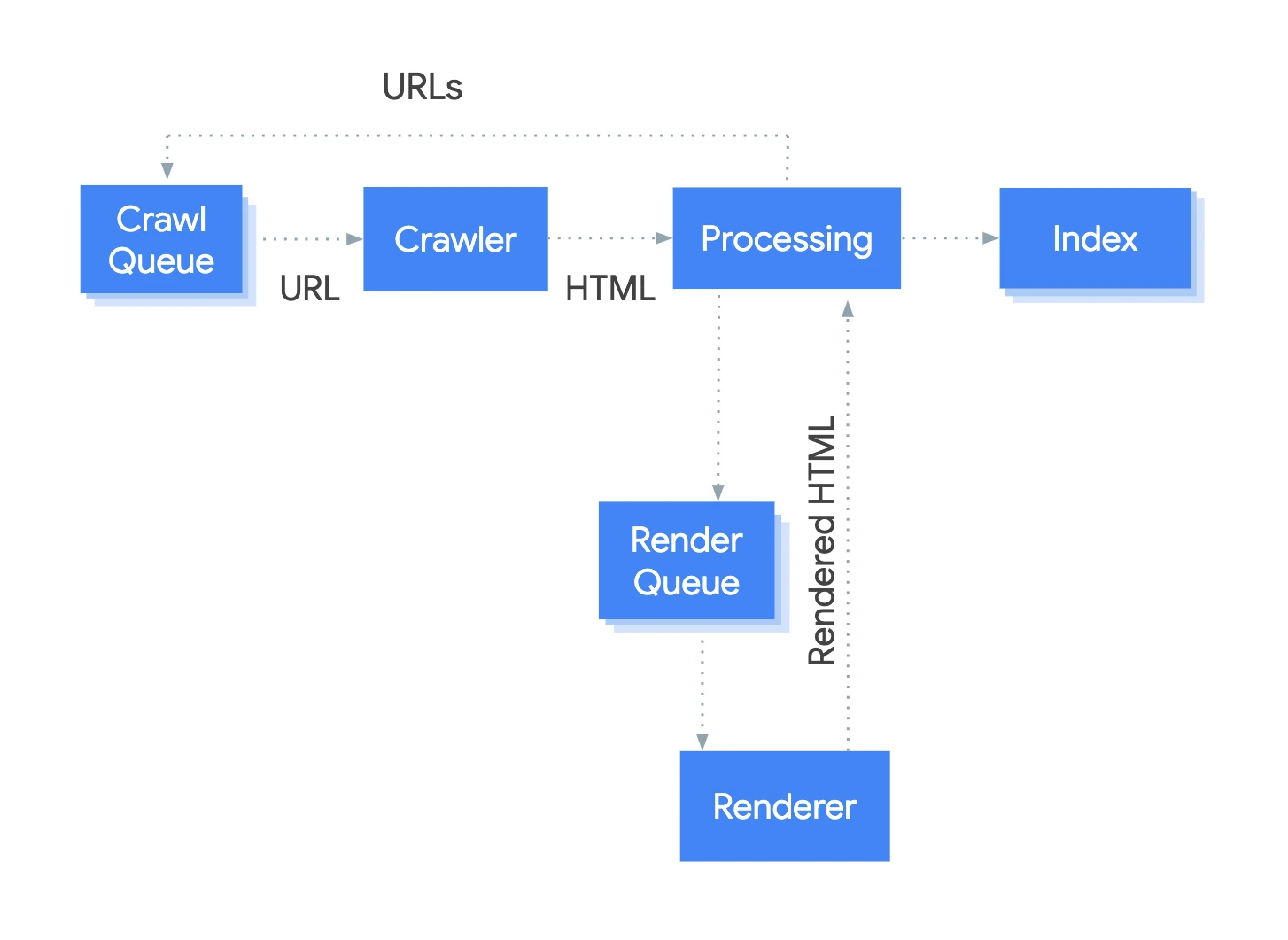
From a visibility perspective, a clear heading structure and semantic HTML matter, because they make the content easier to scan for both the user and the search engine. Right at the start of the page, it is worth clearly naming the industry, the scope of the work and the result. This helps match the page to service-and-problem queries. A poor solution is to hide the whole material only in a PDF or a heavy slider, because that limits indexing and usability.
A case study gains more when it works as part of a larger content cluster. Link to it from service descriptions, guides and industry pages, and from the case study itself link back to related offers. This structure strengthens the topical context and leads the reader to the next step. A good case study should not be a dead end for SEO or sales.
Most common mistakes when creating case studies and how to avoid them
The most common mistakes are a lack of numbers and context, omitting constraints, using vanity metrics and overly generic CTAs. Each of them lowers the chance of contact, because the reader cannot assess whether the described solution fits their situation. As a result, the material may be impressive, but weak from a sales perspective.
You can spot these mistakes most easily by a few signals:
- lots of stories about the collaboration, little baseline data and result,
- showing only success without conditions, risks and limitations,
- highlighting metrics that are not the client’s KPIs,
- a call to contact that is detached from the described problem.
To avoid them, build a case study as material for evaluating a supplier, not as a brand success story. First show the starting point, objective and constraints, then describe the actions, and only at the end the result. This way, the reader can see the link between the method and the effect. If the outcome depended on specific conditions, state them explicitly.
Choosing the wrong metrics is particularly costly. If a client measures a project by lead quality, do not mask that with traffic or reach growth alone. Instead of a general “contact us”, suggest a conversation about a similar problem, a quote or a consultation in similar conditions. Such a CTA closes the logic of the case study and qualifies enquiries better.
FAQ
Frequently asked questions
How do you write a B2B case study so it generates quote requests?
The most important thing is to show the similarity between the project and the potential client’s situation. You need to clearly describe the industry, the problem, the scale of the collaboration, the actions taken and the result, rather than focusing only on the overall success.
Should a B2B case study show only the final result?
No, a simple description of success is usually not enough. The reader also needs the starting point, constraints, the method used and the delivery time to assess whether it fits their own business.
What should be included at the beginning of a case study for a B2B client?
It is worth opening with a short project summary. It should include the industry, the main problem, the scope of work and the result within a specified time.
Why should you separate the method from the results in a case study?
Because then the reader can see what was done and what was the result of those actions. Mixing these elements makes it harder to assess whether the outcome really came from the method used.
What evidence increases the credibility of a B2B case study?
Baseline data, the result after implementation, the measurement period and the source of the information all help. Credibility is also strengthened by quotes, screenshots, artefacts or a factual description of the process, if the client agrees to publication.
What mistakes most often damage the effectiveness of a case study?
The most common problems are a lack of numbers and context, omitting constraints, using metrics that are irrelevant to the client and an overly generic call to get in touch. Such material looks impressive, but does little to help with the buying decision.