

“Evergreen content” is content that remains relevant to readers for a long time, usually several years. Such content usually addresses common difficulties or questions. Evergreen content does not require frequent updates, yet it remains relevant. For example, a blog post about “how to write a book” is evergreen content. The information does not change, and it is a topic people will be interested in for a long time.
Seasonal, popular and evergreen content
Seasonal content is relevant only at a specific time of year. Examples may include content about Halloween or other holidays.
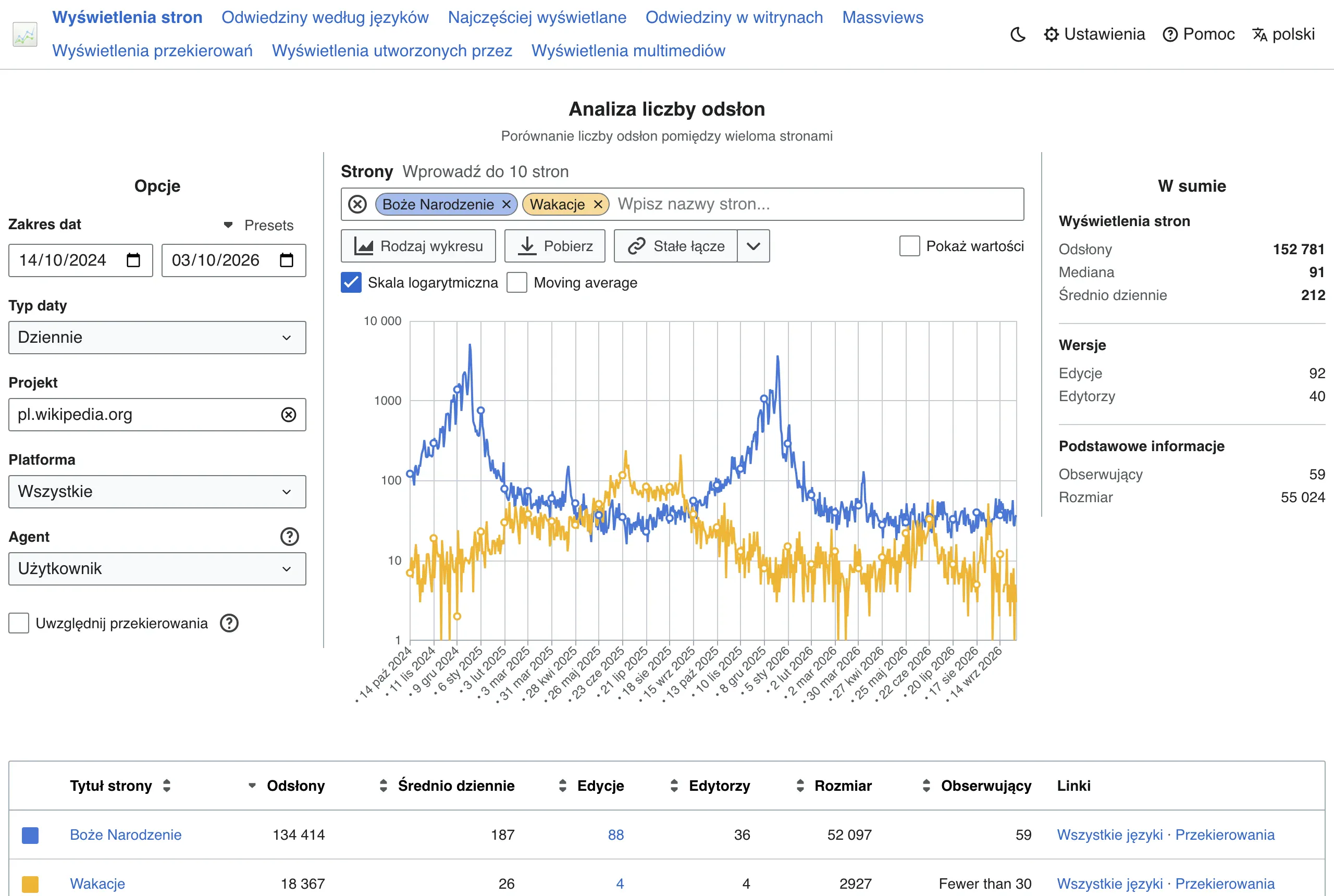
Popular content is relevant only for a short time. Then interest in the topic will decline. Examples may include content about series and TV programmes that are no longer broadcast.
Evergreen content retains its importance compared with popular and seasonal content. So it is not:
- press releases,
- news and articles about current events,
- reports from research on topics that quickly become outdated,
- content about holidays.
- 01Seasonal contentImportant at a specific time (e.g. holidays)
- 02Popular contentShort-lived interest, quickly fades
- 03Evergreen contentRetains relevance, remains up to date. These are not: press releases; news and articles about current events; research reports (outdated topics); holiday-related content
The key to long-term value: evergreen content stays current, unlike seasonal and popular content.
Formats and examples of evergreen content
Content known as evergreen content comes in many different formats. The most commonly used formats are:
- “how-to” guides – a list of instructions needed to carry out a specific task or learn a new skill,
- FAQ – content covering popular questions and issues in a given niche,
- guide – an in-depth resource providing a broad range of information on a specific topic,
- list – an organised list of tips, recommendations or resources relevant to your audience,
- expert interviews – a published conversation with relevant industry experts,
- case study – a report showing how your client solved a problem using your products or services,
- resource library – a collection of valuable tools, templates and references available in one place,

Benefits associated with “Evergreen Content”
- 01Consistent return on investmentLong-term profitability, stability.
- 02Accumulated annual salesOver time it surpasses trends.
- 03Continuous sharingAlways relevant, broad reach.
Evergreen content builds long-term value and stable results, outperforming one-off hits.
Higher return on investment
Evergreen content usually provides a better return on investment compared with content on popular topics. The long-term relevance of such content ensures steady traffic, leads and potential sales.
For example, you have evergreen content generating five sales a day. You also have popular content going viral. It generates 400 sales over a few days, but after some time those sales drop to zero.
Popular content seems to have better value. On the other hand, evergreen content can achieve over 1800 sales a year (5 sales a day x 365 days). To secure the best possible profits, you should therefore focus on evergreen content.
Long-term shareability
Evergreen content usually gets more shares compared with popular topics. Evergreen topics are always relevant, so people will share them on social media for many years.
This means that with one approach you can generate many shares. This in turn increases brand exposure and builds credibility in your niche.
- 01Falling positionsMonitor keywords.
- 02Low positionsImprove content visibility.
- 03New informationTake the latest data into account.
- 04Keeping it up to dateEnsure value for readers.
- 05Building authorityStrengthen audience trust.
The key to maintaining relevance, reader trust and high ranking positions.
More backlinks
Websites with many backlinks (that is, links from one page leading to another page) usually achieve higher positions in search results.
Because evergreen content is characterised by a longer lifespan, it is able to acquire more backlinks.
As the number of backlinks increases, so does the authority of the site. This means there is a greater chance of achieving a higher position in search results. This in turn will bring more people to your site.
Steady traffic
Optimising evergreen content for search engines makes it possible to drive steady traffic to your site. Unlike seasonal or trending content, you do not have to worry about traffic drying up over the course of the year.

4 stages of creating evergreen content
1. Choose a topic
To create evergreen content, choose a topic that is timeless and relevant to your audience. Think about whether there is something people will be interested in over the next few years.
If so, you are most likely dealing with an evergreen topic. If you are not sure about that, use a topic research tool.
Enter your niche – in our example, this will be “meditation”. An additional option is to specify the domain. Then choose the origin of your audience and click “Get content ideas” (get content ideas).
Review the list of topics and save the ones you think are relevant to your audience.
2. Conduct keyword research
Keyword research allows you to find keywords that will help you achieve high positions in search results. Let’s stick with the “meditation” topics mentioned above.
One suggested topic is “meditation apps”. It may seem that this topic is in itself a good keyword. However, keyword research can help you find many more relevant phrases for this topic. You can find keywords in free or partly free tools, such as: Google Keyword Planner, Ahrefs Keywords Planner or Answer The Public.
3. Choose the format of your content
Choosing the right format allows your content to have a significant impact on your audience. For example, you will be more likely to choose a list-style blog post format if you are creating a blog post on “free meditation apps”.
If, on the other hand, your keyword is “how to meditate”, the ideal format will be a guide explaining how to do it. If you are unsure about the best format, use the Keyword Overview tool.
Enter your keyword and click “Search”. Then scroll down the page to the “SERP Analysis” section (analysis of search results pages). It shows which websites achieve the highest positions for this keyword.
Click each page to read its content. Look for patterns and critically assess which format will be best for your keyword.
What if you cannot find any patterns? Do not be afraid to experiment. While working, you can always check, improve and change the format of your content.
4. Write and publish your content
ChatGPT may prove to be an interesting alternative for creating content. However, you need to remember the basics of content creation. Above all, do not rely on short, flat prompts. Try to introduce variety such as the style of speech, tone, potential recipient, number of headings, length, etc.
It is also worth remembering the following tips when writing high-quality evergreen content.
Add visual enhancements
Visual enhancements, such as infographics and illustrations, break up the text and convey information in a more effective way. Moreover, the shareability of the content increases (because users have more elements to share).
Here are some other ideas:
- add illustrations with key information,
- include charts or diagrams showing important data,
- include screenshots or “step by step” illustrations showing a process or a guide,
- use icons or symbols to highlight key elements or sections.
Use clear and concise language
Clear and concise language helps to preserve the timelessness of content. For example, industry terms used today may be inappropriate in a few years. That is why jargon should be avoided in evergreen content.
In addition, clear language improves readability and ensures that a wider audience will be satisfied with the content. What is more, this kind of language helps to focus readers’ attention. Audiences appreciate content that quickly delivers value without writing unnecessary things.
If readers reach the end of the article, there is a greater chance that they will respond to your call to action (CTA – call to action).
Avoid references to pop culture
To keep content current and relevant, references to pop culture should be avoided. Such references are short-lived, and that has a negative impact on the longevity of content.
For example, the documentary “Tiger King” was very popular in 2020. After less than three years, it is hard to find any mentions of it online.
Encourage users to interact
User interaction ensures that content remains current even long after it has been published. So make sure users have the opportunity to interact with every piece of content you create. Add elements such as social media share buttons and comment sections beneath blog posts.
In addition, comment sections make it possible to identify ways to improve content in the future. If users keep asking the same questions in the comments, it may mean that you need to add key information to your content.
Placing internal links in relevant content
Internal links (links that point to other pages within the same website) help search engines discover your content. This translates into a higher ranking in search results.
In addition, internal links direct readers to other content that may be useful to them. This makes users spend more time on your site and see it as a valuable source of information.
Updating evergreen content
Improving content will keep it up to date. This makes it possible to achieve better rankings and to ensure that readers receive current information.
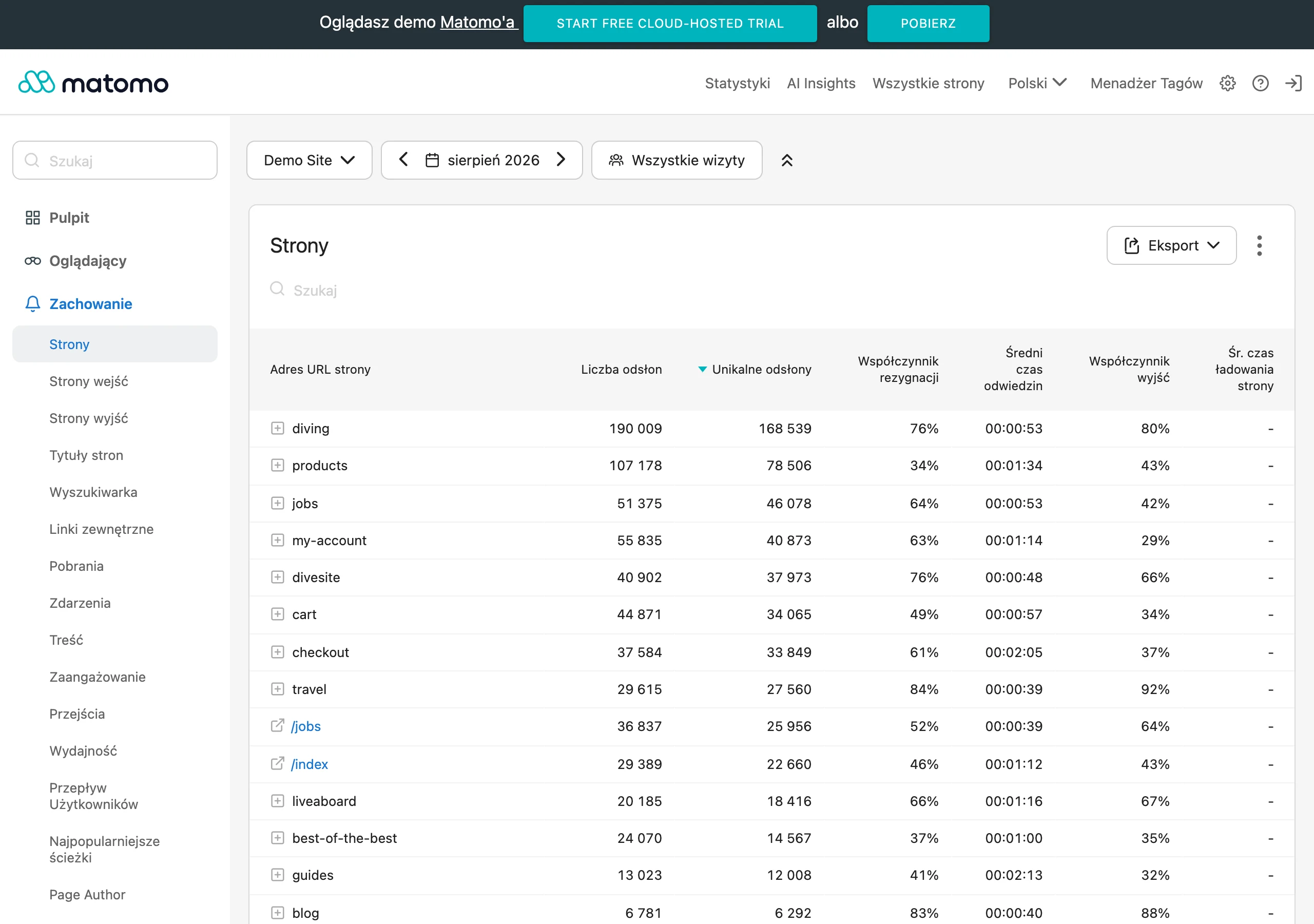
Here are a few examples of situations in which evergreen content should be updated:
- your rankings are dropping: use a rank tracking tool (e.g. Senuto, Ahrefs, Semrush or Google Search Console) to closely monitor every keyword you are ranking for. Update your content when rankings start to drop,
- you want to achieve a higher ranking: try rewriting the content if you are not achieving good positions for a given keyword,
- new information has been published: update the content if new research and information have appeared in your niche,
- there have been changes in your industry: pay attention to best practices in your industry and make sure your content reflects those best practices,
- you have made changes to your business: make sure the information will still be relevant to your business. If not, then you need to spend time updating your content so that it reflects all the changes introduced.
Promoting evergreen content to get the best performance out of it
Consistent promotion of your own content helps to build reach more effectively.
Here are a few ideas:
1. Social media
Social media is an excellent way to promote evergreen content. Reuse your content by sharing quotes, excerpts and interesting facts from each article or post. Social Media signals are always wanted!
2. Email marketing
A newsletter is a fantastic way to connect with people who love your brand. Add sign-up forms with an email address directly to blog posts to generate new leads. Then send newsletters that promote the evergreen content you publish.
3. Guest blog posts
Guest blog posts help to gain new readers and backlinks. For example, you run a blog about skydiving advice for your skydiving business.
You could look for a local travel website and write a guest post for it about skydiving equipment. Then, in your guest post, you could include a link to your original blog post about skydiving advice.
4. Paid advertising
You can opt for paid advertising to generate traffic for your content straight away. This is possible by advertising content through various platforms, such as Google Ads.
To make the most of a paid advertising strategy, encourage readers to share your content with sharing buttons and clear calls to action (CTA). This will help generate organic traffic even after the ads are switched off.
Measuring the effectiveness of evergreen content
Measuring the right key performance indicators (KPI) helps ensure that evergreen content is doing its job well.
The KPIs you track depend on your business and goals. It is worth considering the ones that are most useful.
1. Organic search sessions and clicks
Organic search sessions mean free traffic coming from search engines (not from paid ads). High organic sessions mean that evergreen content is achieving high rankings. In other words, people are clicking on it in the search results.
Analytics tools such as Google Analytics 4 (GA4) and Google Search Console allow you to track and monitor the organic sessions of each page (and piece of content) that makes up your site.
2. Average engagement time
Average engagement time is the time during which a user was focused on your page. If a user on your site switches tabs, they will not be counted as engaged.
You should aim for the longest possible engagement time. This means that people like your evergreen content.
Create another new piece of evergreen content
Evergreen content can have a positive impact on SEO. Before that happens, however, you need to identify the topics and keywords that fit this type of content.
It is worth using the “Keyword Magic Tool” to find ideas for more evergreen content.
How do you refresh evergreen content?
You should regularly check whether evergreen content is still achieving high positions in the search results. Regardless of how much work went into it and how good it is, it may start to drop in the rankings after some time. If you notice a drop, it may be necessary to refresh the evergreen content.
The good news is that you do not need to rewrite the content from scratch. Instead, you should add certain elements to the existing content. Google can tell when articles have been updated.
Here are a few ways to update content:
1. Correct outdated information
Evergreen content remains relevant over time, but that can change. For example, if you published an article about the usefulness of a Twitter account in business a few years ago, it may now be outdated because the channel has introduced some changes, such as increasing the character count in a post and changing its name to X. The general concepts and principles in the article may still apply, but the information on the site name and the number of characters in posts should be updated.
2. Add new text
Open your content again and check what you may have missed the first time. This could be expert quotes or whole sections that were not included. In the Twitter example, you could add a new section explaining how to become a verified user.
3. Add new media
An easy way to bring freshness to content is to add new media. For example, you can create an infographic summarising the information in a given section or embed a podcast that further explains the points covered in the article. You can also add video materials or presentations.
4. Provide interactivity wherever possible
Interactive elements such as polls and quizzes encourage users to stay on the page longer, and even to share it. For Google, this is a sign that it is dealing with the right content, which should rank higher.
5. Check grammar and spelling carefully
Even if you were accurate before the first publication of the content, it may still contain grammar and spelling mistakes. Read the content aloud or its sections in a different order. This will help you spot mistakes that were previously missed.
Evergreen content works for you!
Evergreen content can be an effective, valuable part of your content marketing strategy. It can help increase traffic without constantly investing in new content. Of course, it is essential to mix time-sensitive content with evergreen content. It is important to refine your evergreen content strategy so that you increase brand awareness and manage your marketing budget appropriately.
FAQ
Frequently asked questions
What types of content can be considered evergreen content?
These are pieces of content that remain relevant to readers for a long time, usually several years. They most often address common problems or questions and do not require frequent updates.
How does evergreen content differ from seasonal and popular content?
Seasonal content is only important at a specific time of year, while popular content loses its significance after a short time. Evergreen content stays relevant for much longer and does not “stop working” once interest in the topic drops.
Which formats work best for evergreen content?
The most common formats include “how-to” guides, FAQs, guides, lists, expert interviews, case studies and resource libraries. The choice of format depends on the topic and the audience’s needs.
Why does evergreen content deliver a better return on investment?
Because its long-term relevance can generate steady traffic, leads and potential sales for a long time. One good piece of content can work much longer than a trending topic that quickly loses reach.
How do you create evergreen content step by step?
First choose a timeless topic, then carry out keyword research and select the right content format. Finally, write, publish and take care over quality, clear language and the right visual elements.
When does evergreen content need to be updated?
It is worth doing when rankings drop, new information appears or best practices in the industry change. An update is also needed if your business has changed and the content no longer fully matches your offer.