

Types of Google updates and how to understand them
Types of Google updates are easiest to organise when you separate changes affecting content quality, spam, reviews, local results, SERP appearance, and indexing and crawl.
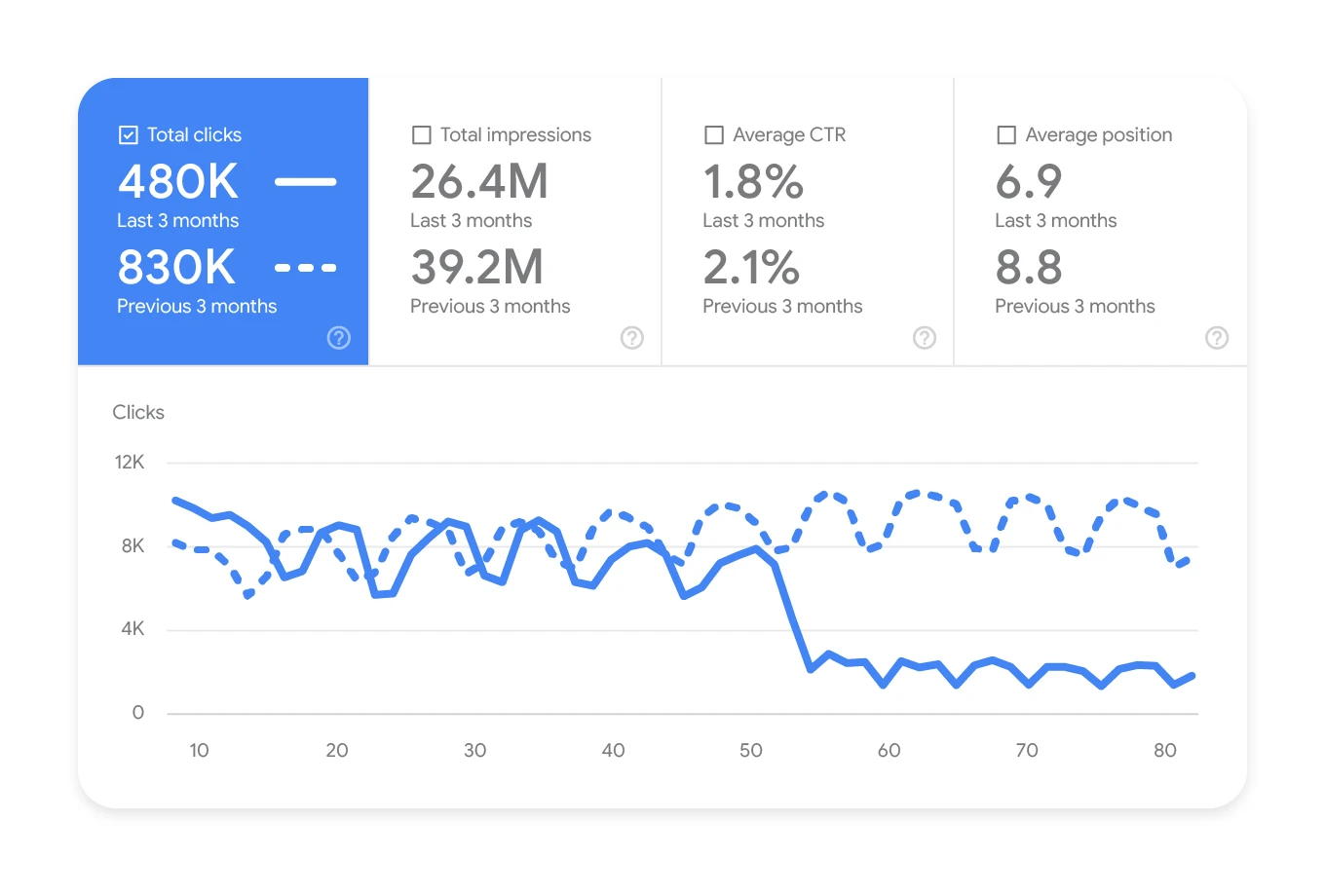
Core Updates adjust the weighting of many signals at once, which is why fluctuations often affect whole sections or content categories rather than a single technical slip-up. Helpful Content rewards material created with the user in mind, so preparation usually starts with an audit of low-value pages and a decision on whether to rewrite or consolidate them. If you see a drop “everywhere at once”, you most often need a quality assessment and a better match to user intent, rather than a point technical fix. Spam Updates, on the other hand, can quickly suppress the visibility of sites abusing automatically generated content, doorway pages, hidden redirects or aggressive link schemes.
Product Reviews / Reviews Updates reward reviews based on experience, tests, comparisons and hard data, instead of simple rewrites of specifications or slogans such as “best product 2026”. Local Search Updates cover, among other things, Google Business Profile, NAP consistency, reviews and local content relevance, which is why for service businesses location pages with unique value matter, rather than mass-produced copies of the “service + city” template. Changes in SERP (e.g. AI Overviews and other modules) can reduce clicks without a drop in rankings, so the interpretation is best based on CTR in Google Search Console and alignment of content with result formats (e.g. Q&A sections, step-by-step lists, schema.org structured data). If you suspect a “penalty”, first separate manual actions from algorithmic drops: you will see a Manual Action directly in Google Search Console reports, whereas with an algorithm there will be no such message. Sometimes the source of the problem is indexing infrastructure (canonicals, sitemaps, URL parameters and linking architecture), not the content itself, so before drawing conclusions from “alerts” on social media, check them against data from GSC (e.g. 28 days compared with 28 days), and only then plan changes.
- 01Category breakdownContent, spam, reviews, local, SERP, crawl
- 02Core UpdatesWeighting many signals. Impact on whole sections.
- 03Helpful ContentRewards content for users. Requires a quality audit.
- 04Spam UpdatesRapid visibility drops for abusing sites.
The key is assessing quality and matching intent, not point technical fixes.
How to monitor and detect algorithmic changes
You will spot algorithmic changes fastest when you track visibility and traffic by site section, rather than reducing everything to one aggregated number. A good starting point is a Looker Studio dashboard based on Google Search Console and GA4, which shows clicks, impressions, CTR and positions for key directories (e.g. /blog/, /category/, /product/). This way, within a few minutes you can check exactly what has dropped: a given directory, device, country or type of query. Segmentation by page type (guides/categories/products) and intent (informational vs transactional) gives the most value, because only then does it suggest the right direction for diagnosis.
Early warning is worth basing on anomaly alerts, because manual chart reviews usually only start after a drop. Set rules when organic traffic falls by, for example, >20% day on day or week on week, but separately for brand and non-brand, so you do not confuse demand fluctuations with an SEO problem. You can implement such alerts through GA4 + BigQuery + simple SQL queries or through ready-made alerts in Ahrefs/Semrush and rules in Google Analytics. It is also a good idea for a company to keep a change log, because without it it is easy to attribute a drop to a Google update when, in practice, your own CMS release was responsible.
- Dashboard (GSC + GA4): clicks, impressions, CTR, positions split by directories and page types.
- Anomaly alerts: drops >20% for brand/non-brand, day on day and week on week.
- GSC “Pages”: increase in “Excluded”, duplication issues, soft 404s and indexing and canonicalisation signals.
- CTR vs positions: a drop in clicks with stable positions as a signal of changes in the SERP appearance or competitors winning snippets.
- Server logs: check whether Googlebot is not wasting crawl budget on parameters and duplicates at the expense of key URLs.
Assess the impact of updates within an appropriate time window, as results from 24 hours can often distort the picture. A sensible standard is a minimum of 7–14 days from the deployment of changes, plus a 28 days to 28 days comparison, taking seasonality and campaigns into account. If there is a suspicion that “it wasn’t us that dropped, it was the competition that grew”, set up ongoing share of voice monitoring: top 10 competitors, new content types, structural changes and the increase in linking domains (Ahrefs/SEMrush). When clicks fall and positions remain similar, first verify CTR and changes in the SERP rather than immediately assuming a technical problem.
Technical SEO: optimisation of indexing and architecture
Technical preparation for updates comes down to making sure Google can index the right URLs without obstacles and correctly understand their priorities within the site architecture. Start with XML sitemap hygiene: include only canonical 200 URLs that are genuinely suitable for indexing, because otherwise you are sending inconsistent signals. If you see sitemap errors in Google Search Console, common causes are redirects, 404/410s, parameterised URLs or pages with noindex. Clean sitemaps and consistent canonicals are the foundation that stabilises indexing when the way signals are calculated changes.
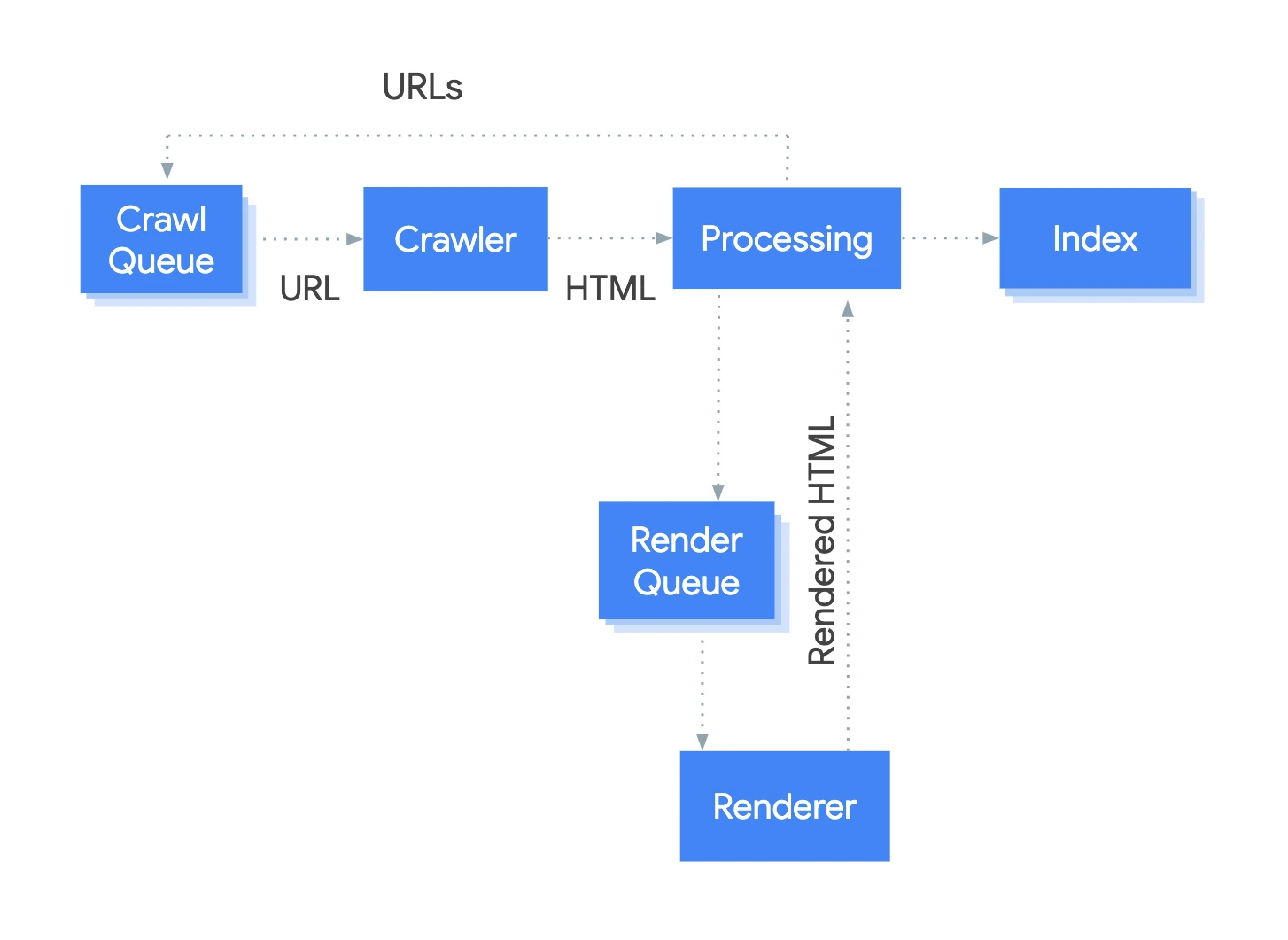
Duplication resulting from filters, sorting and parameters (e.g. UTM) blurs signals and can weaken key pages during periods of algorithmic change. The solution is a consistent canonical strategy, parameter control in GSC and clear indexing rules for filters (some can be index, most are usually noindex). At the same time, strengthen internal linking in a “topical hubs” model, i.e. a pillar page plus supporting subpages with contextual links. If you want to strengthen an important category, send links to it from how-to articles and “related” sections based on intent, not random tags.
Accessibility and completeness of content for the crawler also depend on pagination, rendering and the quality of server responses. With infinite scroll, make sure there are paginated URLs (e.g. ?page=2) that can be crawled and indexed, otherwise Google may not reach deeper products. On SPA sites, indexing can be slower, so check rendering in “URL Inspection” in GSC and consider SSR/prerender for key sections. In addition, limit large-scale soft 404s (e.g. empty categories or out-of-stock products with thin content) and stick to the rules: 410 for permanent removals and 301 only to the closest equivalent.
Structured data, correctly implemented hreflang and UGC spam control also affect how content is interpreted. schema.org data does not guarantee rich results, but it helps Google recognise the content type, so verify it in the Rich Results Test and Schema Markup Validator and track errors in GSC reports (e.g. Product, FAQ, Breadcrumbs). If you have international versions, an incorrect hreflang can trigger keyword cannibalisation between countries, so you need language-country mapping, reciprocal links and consistent canonicals. If your site includes comments, profiles or a forum, implement moderation, nofollow/ugc attributes for links, and publication limits and filters (e.g. reCAPTCHA, Akismet), because UGC is often a source of spam and toxic outbound links.
- 01XML sitemap hygieneOnly canonical 200 URLs.
- 02Handling GSC errorsFix redirects, 404s, noindex.
- 03Consistent canonicalsThe foundation of stable indexing.
- 04Avoiding duplicationFilters and parameters blur signals.
A stable and consistent site architecture ensures Google reads priorities correctly, which is crucial during algorithm updates.
Content strategy resistant to algorithm updates
A content strategy resilient to algorithm updates is based on consistently improving quality, uniqueness and format fit to search intent, rather than on “cosmetic” tweaks. Start with an audit of all URLs and decide what stays, what needs refreshing, what should be merged and what should be removed, because this is the fastest way to tidy quality signals across the site. Often a better result than deleting content comes from combining several weaker pieces into one strong guide and setting up 301 redirects from duplicate posts. It is also important to spot keyword cannibalisation: when several pages answer the same question, Google may “shuffle” visibility between them, which destabilises traffic.
- URL audit: decision keep / update / merge / remove and prioritisation of pages with the greatest business importance.
- Fit to intent: SERP analysis and choosing the format (step by step, comparison, definitions) instead of an “all at once” piece of content.
- Unique value: proprietary data, photos/screenshots, test results, checklists, and practical procedures and workflows.
- Quality control in programmatic SEO: unique contribution on each page and blocking indexing where the required value cannot be maintained.
Matching content to search intent requires deciding whether the user is looking for instructions on “how to”, a “what to choose” comparison, or a transactional “where to buy” page. When the format diverges from what dominates the results for a given keyword, even a factually correct article may lose to better structured answers. The advantage comes from elements that are hard to copy: proprietary data, photos, screenshots, test results, checklists and a description of the real process (e.g. GA4 + GTM configuration and example events). In the case of programmatic SEO (e.g. many “X in city Y” pages), stick to quality thresholds and do not index pages where you cannot deliver unique, useful value.
Resilience to updates is strengthened by regular substantive refinement and a consistent editorial process, not just by changing the publication date. Plan genuine content refreshes: update “money pages” every 3–6 months, and seasonal guides at least once a year, adding new tool versions and up-to-date screenshots. Organise authorship and review: who writes, who reviews, who approves, and which elements must be included in the brief (goal, intent, sources, examples, FAQ section). Verify quality from the user side as well, observing behaviour (scroll, time to conversion, returns, micro-conversions) and comparing it before/after changes in GA4.
building trust and credibility in the context of E-E-A-T
Building trust and credibility in the context of E-E-A-T involves showing experience, verifiable expertise and editorial transparency, especially in YMYL topics (health, finance, law). The content should clearly signal “Experience”, meaning that the author has genuinely carried out the actions described: in reviews and guides, your own screenshots, specific settings, test results and usage takeaways help. In specialist areas, accurate definitions, precise numbers and alignment with up-to-date knowledge matter, so strengthen the text with citations from reliable sources (e.g. Google documentation, industry standards). If the topic affects purchasing decisions or user safety, transparency and the ability to verify information become part of the “quality” assessed by algorithms.
Service credibility is boosted by “real business” elements and clear publication rules. Author pages should include experience, position, publications, certifications and contact details, because this makes it easier to assess who is responsible for the content. It is also good practice to describe editorial policies: how you verify facts, how you update content, how you handle conflicts of interest and how you label sponsored materials. For shops and service businesses, clear contact details, terms and conditions, returns policy and company information are essential, because their absence can lower trust in transactional pages.
E-E-A-T is also influenced by reputational signals and by how you approach reviews and affiliate content. Customer reviews can support sales, but manipulation (fake reviews or hiding negative ones) increases reputational risk, so you need honest collection and response procedures (e.g. in Google Business Profile, Opineo, Trustpilot). If you earn from affiliate marketing, clearly label relationships and add substance beyond “buy now” (sections “for whom/not for whom”, alternatives, transparent ranking criteria), because updates often hit “thin affiliate” content. Refresh citations regularly and check whether source links do not lead to 404s (e.g. a quarterly crawl in Screaming Frog), and monitor reputation beyond the site too, tracking mentions and results for queries such as “brand reviews” (e.g. Brand24).
- 01ExperienceOwn tests, concrete results, screenshots.
- 02ExpertiseAccurate definitions, precise numbers, alignment with knowledge.
- 03AuthoritativenessCiting sources, documentation, industry standards.
- 04TrustworthinessTransparency, verification, safety (YMYL).
Key: Transparency and verifiable knowledge build quality and trust, especially in YMYL topics (health, finance, law).
safe management of links and off-site signals
Safe management of links and off-site signals comes down to making the link profile look natural, while promotional activities do not follow patterns that algorithms can easily pick up. It is worth starting with an audit in tools such as Ahrefs, Majestic or Semrush and checking whether there are any unnatural patterns: too many exact anchors, sharp spikes in links from low-quality domains or sitewide links. When the topic of disavow comes up again, in practice you usually first remove spam sources and strengthen the profile with healthy links, and only then consider disavow in clear cases of mass abuse. The safest approach is to cut out practices that look like a “shortcut”, because these are the ones that most often come to light during Spam Updates.
A stable link profile is built through anchor diversification, where brand terms, URLs and general phrases predominate, rather than only money keywords. Instead of forcing anchors, it is easier to carry out link building based on content that genuinely “deserves” to be cited (reports, tools, calculators), as well as PR publications with real reach and topical relevance. At the same time, it is worth limiting exposure to PBNs and exchange systems, because repetitive templates, identical footprints and artificial sitewide links increase the risk of an algorithmic quality demotion. If you need to set priorities during changes, remember that internal links can usually be corrected faster than external ones, because they do not depend on third parties.
Off-site signals also include local citations and who you link to from your own site. For local businesses, consistency of NAP (name, address, phone) across multiple sources matters more than being present in a large number of random directories, so it is better to focus on completing and correcting profiles where there is a rationale for doing so (e.g. Google, Apple Maps, Facebook, Panorama Firm). At the same time, it is worth carrying out an audit of outbound links, because linking to poor-quality sites (e.g. gambling, pirated content) can reduce trust, even if your own content is correct. Mark sponsored materials correctly (rel=”sponsored”) and keep ad formats under control, because an overly commercial layout (ads above the content, aggressive pop-ups) can be a signal of poor experience. If there is concern about negative SEO, monitor new linking domains and sudden link spikes, and in the case of content copies respond with DMCA notices. In extreme cases, consider disavow only after analysis.
the role of UX and Core Web Vitals in site stability
UX and Core Web Vitals stabilise results because they improve the actual user experience, which Google pays particular attention to in its mobile-first approach. It is worth sticking to CWV thresholds for the 75th percentile of users: LCP ≤ 2.5 s, INP ≤ 200 ms and CLS ≤ 0.1, and usually starting prioritisation with LCP and INP. In practice, you will most often improve LCP through image, server and critical CSS optimisation, and INP by reducing JavaScript load and the number of interactions. If you do not know what to improve first, start with the elements affecting LCP (media, server) and INP (JS, forms), because they usually deliver the biggest return.
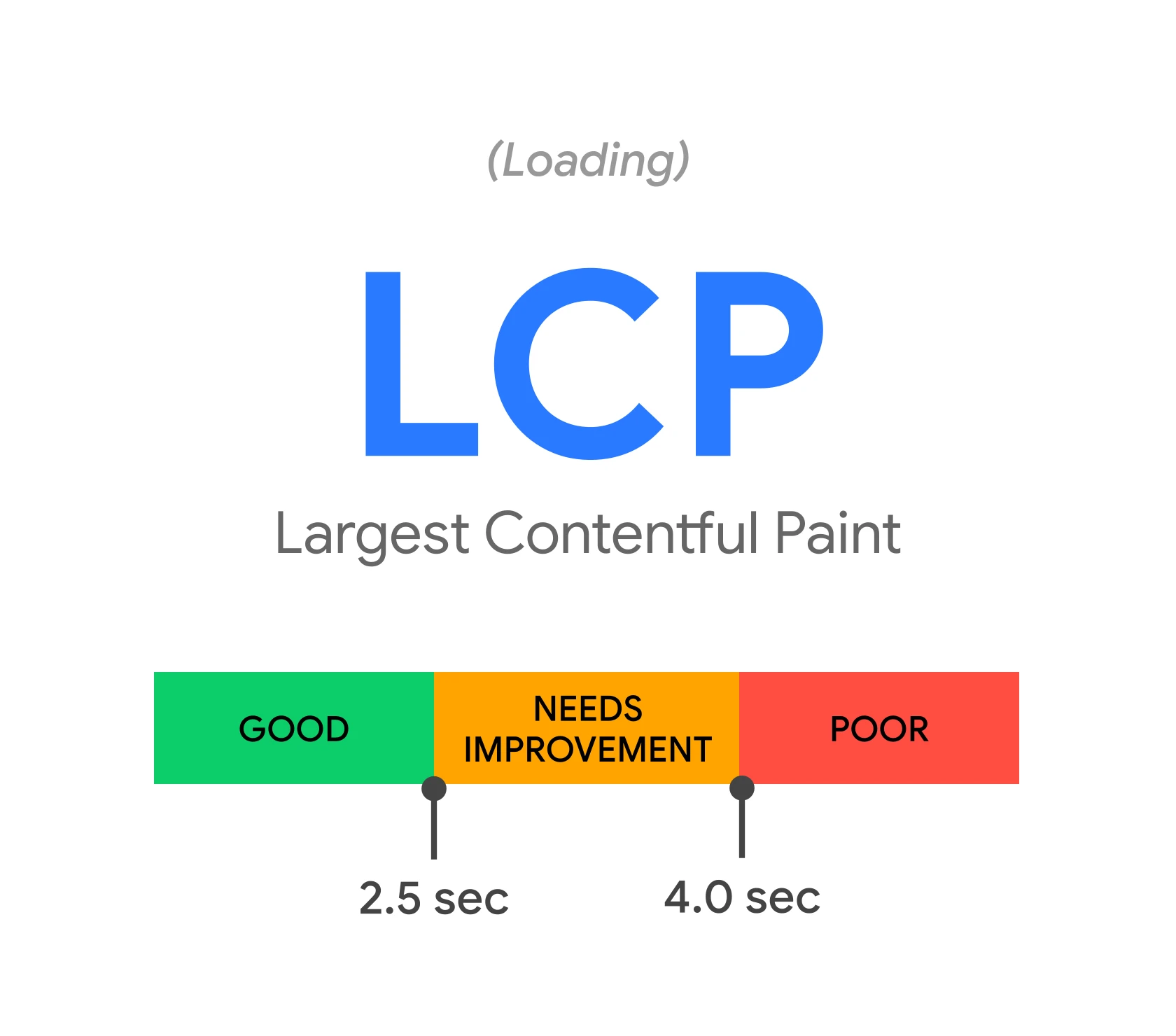
Differences between Lighthouse and data in GSC come from the fact that Lighthouse is a lab test, while CrUX presents measurements from real users. When you see “green” in Lighthouse and “orange” in GSC, it most often means slower devices and networks in real traffic, so optimisation should take actual mobile conditions into account. Large images and video often worsen LCP, so use AVIF/WebP, correct sizes (srcset), compression and a CDN (e.g. Cloudflare). If video dominates the landing page, consider a poster image and delayed loading, because autoplay above the content can lengthen render time.
Layout stability and interaction speed are most often undermined by ads, dynamic components and too many marketing scripts. CLS increases when elements “jump”, so reserve space for ads, set image dimensions (width/height) and avoid injecting components above the content being read. INP is lowered by heavy frameworks, too many tags and unused libraries, so audit tags in Google Tag Manager, remove unnecessary scripts and defer anything that is not critical for the first interaction. In addition, limit intrusive pop-ups and interstitials on mobile to the essentials (e.g. cookies) and support accessibility (alt text, form labels, logical heading order), because this indirectly improves navigation and site comprehension. Use PageSpeed Insights and WebPageTest for testing, and tools such as SpeedCurve to monitor trends after deployments, ideally while keeping an eye on the performance budget (e.g. maximum JS size of 250–350 KB gzip for a key page) in the deployment process.
response procedure to a Google update
The response procedure to a Google update should start with a rapid triage that rules out outages that misleadingly resemble an “update”. In the first 48 hours, check site availability, robots.txt, unintended noindex, redirects, 5xx errors and CMS changes, because these elements can produce identical symptoms to an algorithm change. If the number of indexed pages drops in Google Search Console or the number of 403/404 errors rises, fix technical issues first before you start restructuring content. The most expensive mistake at the outset is treating a technical problem as a “quality issue” and starting mass edits without diagnosis.
In days 2–7, you will get to the source of the problem fastest by identifying the sections of the site that have been affected. Download a list of URLs with the biggest drop in clicks and sort them by page type, topic and intent to check whether the issue concerns, for example, a specific content cluster rather than the whole domain. If mainly “definition” articles have been hit, treat this as a signal that the competition answers the user’s question more accurately or that the SERP has taken over the answer (e.g. snippet/AI). In such a situation, the right direction is to add unique value, not to “shuffle” individual elements on the page.
In days 7–14, make decisions based on a SERP audit and competitor analysis for 20–50 key keywords. Compare the top 3–5 results in terms of length, format, authorship, multimedia, recency, trust elements and structured data, as this usually shows well what your pages are lacking. If competitors offer specific assets (e.g. a calculator, a PDF checklist or comparison tables), treat this as an implementation cue rather than rewriting the text “from scratch”. A SERP audit should start from how the user receives the answer in the results, and only then translate into a plan of changes in content and structure.
Implement changes in a controlled way so you do not blur the picture and can assess what worked. Work in batches (e.g. 20 URLs per week) and record in the change log: what was changed, what the objective was and which KPI you are monitoring. If rankings remain similar but CTR drops, test new titles and descriptions matched to intent and the content’s advantage (e.g. “calculator”, “checklist”, “comparison 2026”), but only on a limited sample. Assess the results after 14–21 days, as weekly fluctuations can distort interpretation.
After initial stabilisation, decide whether consolidation, speeding up re-evaluation or escalation to an external audit will deliver a better result. Removal makes sense when a page is permanently without value and cannot be improved without artificial “inflation”, and with a large volume of thin content it is often more sensible to merge many pages into a smaller number of strong guides with redirects and updated internal links. You can support re-evaluation with up-to-date sitemaps, links to refreshed URLs from strong pages, correct lastmod and manual indexing requests for key addresses (prioritising the top 50–200 pages generating the highest revenue). If the drop exceeds approx. 30–50% in a key segment and persists for 14–28 days after the update has ended, a sensible step is an independent audit (technical + content + links) based on the list of changes, exports from GSC (Top pages/queries), crawl logs and a list of the most important URLs.
FAQ
Frequently asked questions
how to tell the difference between an algorithmic drop and a manual action in Google Search Console?
You can see a manual action directly in Google Search Console reports, whereas an algorithmic drop will not display such a message. That is why it is worth checking GSC first before deciding the problem is a penalty.
what do Google Core Updates change most often?
Core Updates adjust the weighting of many signals at once. That is why drops often affect whole sections or categories of content, rather than one single technical element.
how can you monitor algorithmic changes on a site?
The best approach is to track visibility and traffic by directories, page types, devices and countries, rather than looking only at one overall figure. A dashboard based on Google Search Console and GA4, plus anomaly alerts, helps with this.
does a drop in clicks with stable rankings mean an SEO problem?
Not necessarily, because with similar rankings, a drop in clicks can result from changes in the SERP layout or competitors’ snippets. In that situation, you need to check CTR first and compare the results in GSC.
how should technical SEO be prepared for Google updates?
It is worth keeping XML sitemaps clean, using correct canonicals, controlling URL parameters and maintaining a clear linking architecture. This helps Google index the right addresses and reduces duplication issues.
why are content based on experience and testing important after Google updates?
Updates related to reviews and content quality reward material based on experience, testing, comparisons and your own data. Simply rewriting specifications or generalities delivers a weaker result.