
A company does not have to be present on social media to acquire clients regularly. However, this model works only when the strategy is based on real demand, a strong website and its own communication channels. Without social media, you are not giving up marketing, you are simply shifting the emphasis from rented attention to the company’s durable assets. This changes the way you plan budgets, measure results and build relationships with your audience.
What is a marketing strategy without social media?
A marketing strategy without social media is a client acquisition model based on search, a website and your own communication channels. Instead of fighting for attention on social platforms, the company captures existing demand driven by search intent. The core is owned assets: content, a contact database, offer pages and the sales process that the company controls.
In practice, SEO and content that answers the user’s questions at different stages of the decision-making process become the main source of traffic. Some pieces educate, others compare solutions, and others help the user take contact or make a purchase. As a result, the website does not just collect visits, but moves the audience further down the funnel.
This model does not end with publishing articles. It also needs its own channels, such as email and CRM, which nurture leads and support retention. In addition, valuable links, mentions and citations from credible industry sources strengthen domain authority.
When is a marketing model without social media cost-effective?
A model without social media is cost-effective when clients actively search for a solution in the search engine and the purchase is preceded by research. It most often applies to B2B services, expensive B2C products, specialist offers and slower decisions. In such situations, the user wants to compare options, understand risks and assess the supplier, so good content has a real impact on the choice.
The strategy also makes sense when customer value is high and the company can guide them through a longer sales process. If LTV exceeds the cost of acquiring a customer, investment in content, SEO and CRM can pay back over a longer period. This matters because the model requires upfront cost and patience before the effects become stable. Without a nurturing process, part of the traffic will be lost, even with good visibility.
The model can also be cost-effective in niche markets and local services, where queries are specific and communication competition is lower. In such industries, a precise presence on offer pages works better than broad reach built for the sake of reach alone. In practical terms, that means less incidental traffic and more visits from people closer to making a decision.
What are the limitations and risks of a strategy without social media?
A strategy without social media has three main limitations: it grows more slowly, it is harder to build mass reach, and it depends heavily on the search engine. This means it is less effective for new categories, impulse products and community-led brands. If the audience is not yet looking for a solution, the website and SEO alone will not create demand quickly enough. A similar problem applies to highly visual offers, where the decision often arises under the influence of exposure.
This model also requires patience and upfront investment before a stable return appears. The company has to fund content, optimisation, website development and the lead management process before the channel starts working predictably. That is why it is a better fit for businesses that control sales and can nurture contact after the first visit. If the goal is rapid growth at all costs, the lack of social media usually limits the pace.
The biggest operational risk is that organic traffic on its own does not deliver a business result. If the company measures only visits, it is easy to overlook lead quality, enquiries and sales. In addition, full dependence on Google’s algorithms increases sensitivity to visibility changes. In practice, this means the need for constant analysis and diversification through owned channels.
The most common mistakes that weaken such a model are fairly repetitive:
- focusing on traffic rather than leads and revenue,
- lack of a nurturing process after capturing a contact,
- publishing content without distribution and link support,
- neglecting offer and transactional pages.
Each of these mistakes affects a different stage of the funnel. You can have visibility but no trust. You can have educational traffic but give the user no simple path to contact you. You can also collect enquiries, but lose them because of a lack of further communication.
Key pillars of the strategy: SEO and Content Marketing
SEO and Content Marketing are the core of this strategy because they capture existing demand and turn it into valuable visits to the website. This is not just about writing articles, but about building a system that responds to specific user intents. Good content helps someone who is only recognising the problem, comparing options or ready to make contact. As a result, organic traffic supports the entire funnel, not just the top of it.
In practice, content must cover the TOFU, MOFU and BOFU stages. Educational materials build understanding of the problem, comparison content narrows the choice, and offer pages and responses to objections close the decision. If a company publishes only how-to guides, it usually generates traffic that is too far from purchase. If it focuses only on offers, it loses people who are still in the research phase.
The effectiveness of this pillar depends on the technical foundations and the site architecture. The website must be properly indexed, fast, mobile-friendly and logically connected with internal linking. Equally important is the content structure based on topical clusters and search intents. Without technical SEO and clear UX, even good texts often fail to gain visibility or convert.
Content does not work in a vacuum either, because it needs domain authority. Valuable links, mentions and citations from trustworthy sources strengthen trust in the site and help rankings. This is particularly important in competitive topics, where many companies answer similar questions. Publishing on its own, without strengthening authority, often ends up with weak organic reach.
Changing search results additionally raise the bar for content. AI-generated answers more often reward concise, specific materials that are well described with data and entities. That is why it is worth building content with clear definitions, a structured format and trust signals. Structured data becomes a practical support here, because it makes it easier for the search engine to understand the page content.
The role of Owned Media and CRM in a strategy without social media
Owned Media and CRM turn search traffic into contact, a relationship and sales that the company controls itself. When a user does not buy immediately, owned channels make it possible to come back to them later. This is particularly important with a longer decision-making process and a higher customer value. Without your own contact base, even good organic traffic often ends in a one-off visit.
In practice, the centre of this pillar consists of an email list, a newsletter and the customer base in the CRM. The newsletter maintains contact, educates and reminds people about the offer without depending on the algorithms of external platforms. The CRM organises relationships with contacts and supports further sales follow-up. As a result, the company makes better use of leads instead of losing them after the first visit to the site.
This pillar works best when it is fed by content from SEO and content marketing. An article or a service page can start the relationship, and the newsletter and CRM carry it further. This matters because many decisions are not made on the first visit, and the relationship does not end after the first sale. Your own database makes it possible to come back with education, offers and retention actions.
The importance of Digital PR and Link Building for authority growth
Digital PR and link building build domain authority, which helps content gain better visibility in search results. This matters a great deal when several companies answer the same questions and offer similar solutions. Good content alone is not always enough if the site does not have external trust signals. That is why valuable links, mentions and citations genuinely strengthen SEO results.
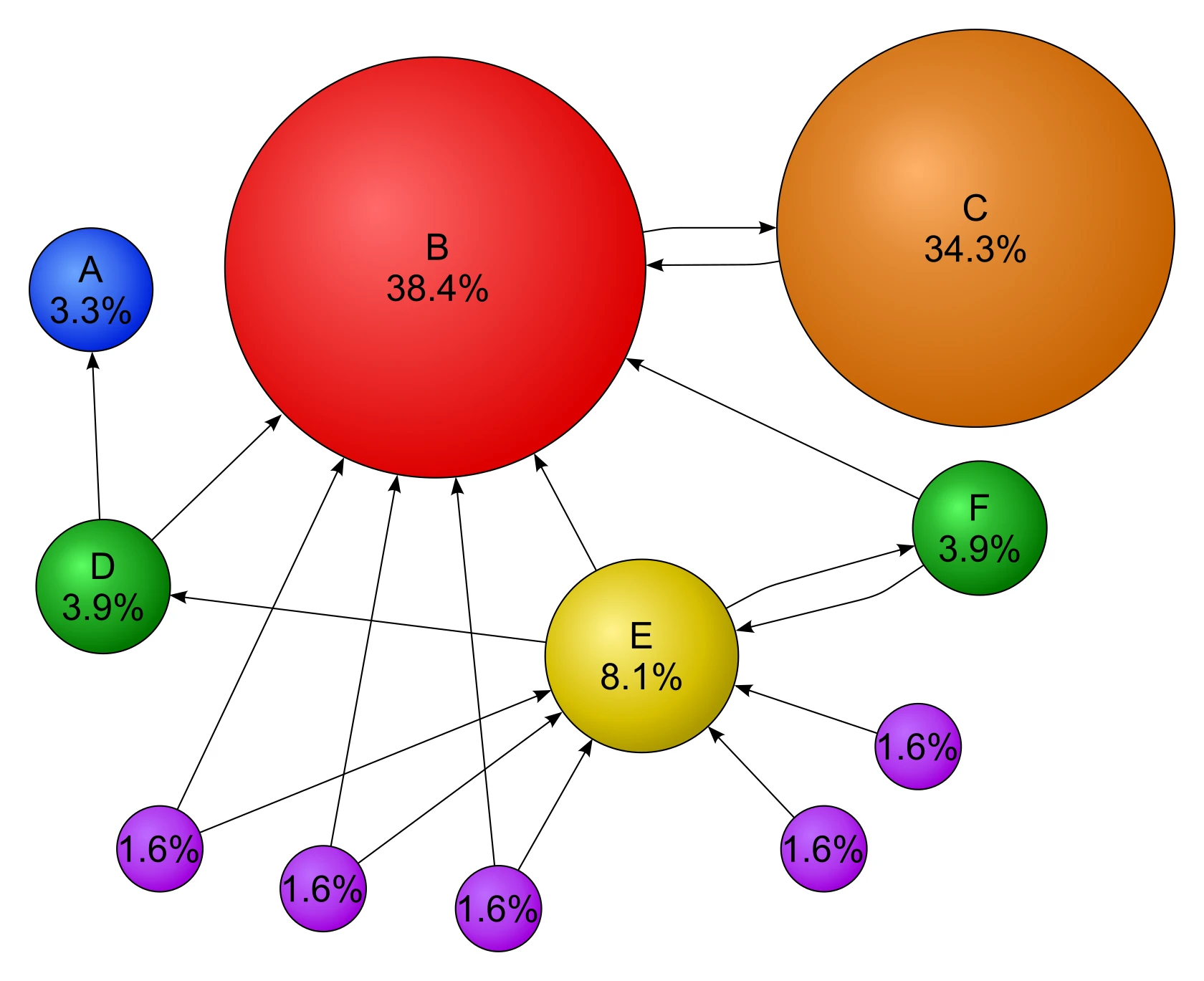
In practice, what matters is not the number of links alone, but the credibility of the sources and how well they match the topic. A link or citation from a recognised industry source strengthens the ranking and the audience’s perception of the company. This is especially important for specialist services and offers that require comparing providers. Users find it easier to trust a brand they encounter in a sensible expert context.
Content without distribution and without strengthening authority often remains invisible despite good quality. Digital PR helps prevent this, because it takes the content beyond your own website and gives it external validation. Link building should therefore support the most important areas of the site, rather than sit alongside the content strategy. When a company neglects this pillar, it is harder for it to grow on competitive queries and stabilise visibility.
How to measure and optimise the effectiveness of the strategy?
The effectiveness of this strategy is measured by its impact on leads, sales and traffic quality, not by visits to the site alone. If visibility grows but the number of valuable enquiries does not, the channel is not yet working commercially. In a model without social media, every stage should be linkable to the user’s next step. The most important test is: does organic traffic feed a real sales pipeline, rather than just a report in an analytics tool.
In practice, several metrics need to be monitored at once, because a single number can easily be misleading. Growth in branded traffic means something different from growth in non-branded traffic. Visibility for informational keywords does not deliver the same value as visits to service and transactional pages. That is why measurement should cover both the top of the funnel and the moment of moving towards contact or purchase.
You should usually track:
- visibility for key topic clusters and quote enquiries,
- branded and non-branded traffic,
- conversion rate on landing pages,
- the number and quality of leads in the CRM,
- the share of content and service pages in generating enquiries.
Optimisation starts with finding the place where the funnel is leaking. If articles are getting traffic but not moving the user further on, the problem may be internal linking, the offer or the call to action. If forms collect low-quality contacts, the subject matter of the content or the fit of the page to search intent needs to be corrected. When the leads are good but sales are not closing the conversations, the cause is often a lack of nurturing in email or CRM.
CRO is not an add-on here, but part of the strategy. The website should shorten the route to the goal, clearly show the next step and remove unnecessary friction. Often, simplifying the form, better content hierarchy or a stronger connection between an article and a service page brings improvement. Such changes do not just increase user convenience, but genuinely improve the use of existing traffic.
This model also needs to be assessed over time, not after a short period. SEO, content, link building and owned media work in layers, so results rarely appear straight away. Sensible optimisation consists of regularly comparing data from analytics and CRM, and then improving specific pages and processes. This way, the company does not guess what works, but strengthens the elements that really support revenue.
FAQ
Frequently asked questions
How does marketing work for a company without social media?
It relies on search, the website and owned communication channels, rather than competing for attention on social media. The key elements are SEO, content matched to user intent, and email and CRM.
Can a company regularly acquire customers without social media presence?
Yes, but only when the strategy is based on real demand and a well-designed website. Without that, simply not using social media does not replace marketing.
When does a marketing strategy without social media pay off?
Most often when customers actively look for a solution in search and research before buying. It works particularly well in B2B, higher-priced B2C products, specialist offers and longer buying decisions.
Why are SEO and content marketing important in this model?
Because they capture existing demand and guide the user through the full sales funnel. Well-planned content educates, compares options and helps move the user towards contact or purchase.
What role do owned media and CRM play in a strategy without social media?
They make it possible to turn a one-off visit to the website into a longer relationship and a sale. A newsletter and CRM keep you in touch with leads, even if the customer does not buy immediately.
How do you measure the effectiveness of marketing without social media?
Not by visits to the site alone, but by the impact on leads, sales and traffic quality. It is worth looking at conversion, the quality of enquiries in CRM and whether organic traffic feeds a real sales pipeline.