
A six-month marketing plan for a service company organises activity so that marketing actually delivers sales, rather than spinning around beside them. It is a simple tool. It helps decide which services to promote, which channels to play in and how to measure the effect without guesswork. In services, this carries double weight, because the result depends not only on ads, but also on the website, response speed and how you handle enquiries. A good 6-month plan is not a strategy presentation, but a working system for decisions, implementation and performance control. The key is that it should take account of the real budget, team availability and how customers actually make the decision to buy a service. The more tightly it connects marketing, sales and analytics, the easier it is to improve results month by month.
What a six-month marketing plan is in practice
A six-month marketing plan is an operational plan for managing a service company’s marketing over the next 6 months. It is not about brand slogans, but about specifics: which services we promote, which customers we want to reach, which channels we work in and how we will know it is working. The data makes it clear that without these decisions, marketing becomes a set of “trial-and-error” activities. Such a plan should lead to measurable results, for example a higher number of enquiries, better-quality leads or more sales conversations.
In practice, such a plan combines business goals with the day-to-day work of marketing. It is not just advertising and content publishing, but also the website, forms, analytics, SEO, remarketing, automated responses and the way the lead is handed over to sales. And here the question arises: can you see responsibility and deadlines in it? If the plan does not show who does what, by when and how we measure the effect, then it is not yet an operational plan.
For a service company, it is particularly important to align the plan with the realities of the offer. Marketing for local services is structured differently, marketing for services with a long decision-making process is structured differently again, and premium or B2B offers are different still. The problem is that these worlds are governed by different numbers and by different levels of customer patience. You need to take account of seasonality, margin on the service, the length of the buying journey and whether the sales team is able to handle incoming enquiries quickly and well.
A good plan answers six practical questions: what we are doing, why we are doing it, who we are doing it for, where we are implementing it, how we measure the result and who is responsible. Without this, priorities and budget are just declarations, instead of A — B; in other words, instead of a decision we have a wish list. The most common mistake is trying to promote all services at once, instead of choosing those with the greatest sales or strategic potential.
Such a document should also allow room for adjustments. After the first few weeks it often turns out that the problem is not the channel itself, but the message, the offer, the form or the quality of traffic. Let’s look at it differently: the plan is meant to guide, but not to constrain. That is why a six-month plan is not a rigid schedule, but a framework for action that is updated on the basis of data.
How a six-month marketing plan works
A six-month marketing plan is not a “document for the drawer”, but a sequence of decisions and implementations. It starts with a cold diagnosis and ends with regular, data-led optimisation, not gut feeling. First you check the starting point: the offer, customer groups, existing lead sources, sales results, the website, analytics, SEO, ad campaigns and the enquiry handling process. Without this, you will not be able to tell whether the problem is visibility, traffic, conversion or simply the offer itself.
After the audit comes the time for diagnosing demand and profitability. This is the stage at which you select priority services, refine customer types, name their problems and check what they are really searching for in Google or asking about in sales conversations. The key is that service marketing wins when the message matches a specific customer need, not when it describes the company in an overly broad and “safe” way.
Then you set goals and metrics that can be delivered operationally. Traffic on its own is tempting, but it can be misleading. Instead of focusing solely on sessions, it is better to measure the number of enquiries, the number of sales conversations, lead quality, cost per acquisition, the conversion rate of the service page or the share of individual channels in generating contacts. On this basis, you build audience segmentation, value propositions and messages tailored to different customer types.
The next step is selecting channels and mapping actions out by month. Sounds simple. The problem is that for some companies Google Ads and service pages will be key, while for others local SEO, educational content, remarketing or LinkedIn activity will matter more. The schedule must take technical and operational dependencies into account, because often you need to improve tracking, the website or forms first, and only then turn up the ad budget.
For the plan to work at all, it needs foundations. And that is not a cliché. In practice, this means configuring analytics, conversion goals, tags, UTMs, CRM, automated responses, the reporting dashboard and account access. If measurement is wrong, the company usually optimises not results, but its own assumptions.
At the same time, sales assets and content are prepared. This means service pages, landing pages, testimonial sections, FAQ, remarketing materials and scripts for the first response to a lead. Only then are campaigns, publications and activities launched that genuinely support the buying decision. In the following weeks, you analyse enquiry quality, ad effectiveness, user behaviour on the website and the reasons for rejections, and then adjust budgets, messages, pages and priorities.
The whole thing is rounded off by a fixed rhythm of monthly and quarterly reviews. Results are compared with assumptions, bottlenecks are identified and decisions are made about which activities to scale, which to improve and which to pause. In a well-run plan, every adjustment comes from data and observation of the process, not from a fleeting impression after one weaker week.
Current context for delivering the plan
The context is simple. Effective marketing for a service company today must consist of several channels and be built on proper measurement, because one channel rarely delivers a stable flow of valuable enquiries for the full 6 months. That is why the plan needs to combine owned, paid and organic activities, rather than relying on ads or SEO alone to solve the issue.
Visits to the website alone no longer impress. What matters is whether the traffic responds to a real buying need and whether the user sees a message aligned with intent, quickly understands the offer and moves through to contact without friction. What is the point of thousands of views if there are no conversations. High traffic without enquiries is not a result, but a signal that something is not working in the fit between the content, the offer or the website.
Locality has returned to the forefront. In many service companies, the importance of local SEO, service pages and content that responds to specific customer problems is growing, especially when the buying decision starts with typing the service into a city or region. Simply appearing in search results does not deliver if the page does not clearly show the scope of the service, the service area, reviews and a simple CTA.
Without data, the plan is just decoration. And that is not a cliché, because if analytics are not configured properly, you do not know which source the lead came from, which forms are working and which campaigns are generating real sales conversations, so optimisation turns into guesswork. A lack of proper measurement is not a minor technical issue, but a block on the entire decision-making process.
Operations bring marketing back down to earth. Budget, the availability of the person creating content, the state of the website, the quality of the CRM and the sales team’s readiness to handle enquiries quickly often matter more than the channel choice itself, because even the best campaign will not save a company that does not deliver on service. In practice, the plan has to be tailored to what the company can genuinely implement and maintain for six months.
A half-year plan cannot be concrete. After implementation, things almost always emerge that were not visible at the start, so sometimes you need to change the target audience, refine the offer, improve the message or shift budget between channels. The question is whether the plan is meant to learn or to pretend to be infallible. A well-structured plan assumes iterations from the outset, instead of pretending that everything can be predicted in the first version.
What should be planned and controlled
First order, then scale. You need to plan the service priorities, goals, channels, resources, measurement and decision rules, and control above all lead quality and the efficiency of the entire funnel, because that is what tells you whether the system is working or just generating noise. The most common mistake is trying to promote all services at once, instead of choosing a few areas with the greatest potential margin, demand or competitive advantage and basing the first 6 months on them.
At the start, you need to define the main goal of the plan clearly. For one company it will be rapid lead generation, for another entry into a new local market, improving lead quality or building stable organic visibility. Without one overarching goal, it is easy to spread the budget too thin and later not know whether the result is good or just incidental.
If the website converts poorly, the plan has to include improving it, not just increasing traffic. In practice, this means CTAs, content structure, speed, forms, trust sections and the alignment of the message with what the user is looking for. If the offer is unclear or contact requires too much effort, ads and SEO will only deliver expensive visits with no effect.
If analytics are not working properly, their implementation becomes a condition for further actions. You need to measure forms, calls, lead sources, basic on-site events and the link with the CRM or at least with the enquiry qualification process. First you need to know where valuable leads come from, only then is it worth increasing the budget.
With a longer sales process, you need to plan not only lead generation campaigns, but also content that helps the customer make a decision. Good-performing materials address objections, compare service options, FAQs, checklists and remarketing that reminds people about the offer. In local companies, you also need to plan local keywords, service area pages, the company profile, customer reviews and consistent contact details.
If there are many leads but they are poor quality, the problem usually lies in the message, targeting, an offer that is too broad or in a form that does not filter enquiries. If there is traffic but no contacts, you need to check the alignment of the content with buying intent, the visibility of the CTA, the company’s credibility and the length of the path to submitting the form. Lead quality needs to be assessed together with sales, because marketing alone cannot see the full picture.
In practice, it is worth setting out right away exactly what is meant to be produced within the plan. Most often these are: a goals and KPI map, service priorities, audience segments, a channel plan, a monthly schedule, a content list, website requirements, a campaign plan and a reporting model. Such a set organises the work and reduces chaos during implementation.
- track the number and quality of leads, not just the number of clicks,
- check the conversion rate of service pages and landing pages,
- compare the cost of acquiring an enquiry with the value of the service and actual sales,
- measure lead response time and the effectiveness of the first contact,
- analyse which content and campaigns lead to sales conversations,
- decide in advance when you increase the budget, when you improve the message, and when you pause the channel.
The plan also has to take into account the availability of input materials and tools. Without service descriptions, references, sales data, access to ad accounts, the CMS, analytics tools and the CRM, implementation usually drifts over time or loses quality. That is why, alongside the action schedule, it makes sense to set out responsibilities and dependencies so that from day one it is clear who delivers which elements and by when.
Selection of marketing channels and tools
The choice of channels and marketing tools comes down to one thing: matching them to how the client looks for the service, compares offers and finally makes a decision. They are not chosen because “everyone is there”, but because a given channel genuinely delivers a valuable lead. In a service business, the game is about specifics: locality, the length of the decision-making process, margin, competition and the team’s readiness to handle enquiries quickly.
When a service meets an urgent need, Google Ads and a well-prepared service page will work fastest. If the client is considering things for longer, SEO, educational content, remarketing and e-mail marketing come to the fore, because they patiently “warm up” intent. A short purchase journey requires a quick move to contact, while a long journey requires building trust at several stages.
For local businesses, local service keywords are key. Next come city pages or service areas, the company profile and client reviews, because they are often what moves a client from “I’m checking” to “I’m calling”. For more expert or more expensive services, a mix works better: specialist content, search campaigns, remarketing and materials that make it easier to compare offer variants. Meta Ads and LinkedIn can support demand generation or remarketing, but note that they should rarely be the only pillar of the plan.
In practice, channels are worth arranging in layers. One should ensure a quick flow of enquiries, another should build visibility and reduce dependence on advertising budget, and a third should help “close” a user who already knows the brand but has not yet submitted a form. The most stable approach is a mix of owned, paid and organic channels, because each of them performs a different function in the funnel.
Tools are chosen not for promotion alone, but for managing the whole process: from a user entering the site to a sales conversation. The basics are: analytics and tagging, a CRM or lead handling system, forms, a reporting dashboard, keyword research tools, campaign monitoring and tools for analysing on-site behaviour. The problem is that if you cannot connect the traffic source to a specific lead, assessing which channel actually makes money becomes guesswork.
It is crucial that the tools are connected with one another and provide data for decision-making. The form should pass the lead to the CRM, campaigns should have UTM tags, and conversions must be measured correctly and attributed to the source. Only after such implementation can you sensibly increase the budget, change messaging or switch off ineffective activities.
Most common mistakes and how to avoid them
What usually ruins everything is a lack of priorities. On top of that comes poor measurement and the artificial separation of marketing from sales, which means the company launches too many things at once and loses any sensible assessment of what actually delivers good enquiries. The budget then starts to spread itself thin. And the team optimises elements that look nice in reports but do not move the result.
A very common sin is promoting all services at the same time. In a six-month plan, it is wiser to choose a few priority services and align the message, the page, the campaigns and lead handling to them, instead of diluting the message across ten directions. If the company tries to advertise everything at once, it usually fails to build a strong position in any area.
The second mistake is prosaic, but costly. Ads go live without a prepared page and without a clear CTA, so even good traffic has nowhere to “land” and turn into an enquiry. How is the user supposed to know who the service is for, exactly what it includes and what the next step is. In practice, before the campaign starts, you need to check the consistency between the ad message and the page, the form layout, trust signals and the speed of response after the enquiry is sent.
Another trap is evaluating activity by clicks, reach or the cost of traffic alone. The problem is that these metrics are at best secondary and do not answer the key question: was the lead valuable and did sales have something to work with. A better benchmark is the number of meaningful enquiries, the share of channels in sales conversations, acquisition cost and lead quality assessed together with the sales team. So let’s not count fireworks, only results.
The organisation of work often fails too. Marketing publishes content and runs campaigns, but does not get hard feedback on which enquiries turn into real sales opportunities and which merely clog the funnel and burden the team. And that is where friction begins. That is why the plan should set the rules from the start: when we change the offer on the site, when we tighten lead qualification, when we increase the budget and when we pause a channel.
Avoiding these mistakes does not require an elaborate strategy. It requires operational discipline and day-to-day consistency, rather than a burst of effort once a quarter. You need to start with correct measurement, choose priorities, prepare the site and regularly compare marketing against sales results. The best decisions in a six-month plan come not from opinions, but from data combined with information on the quality of the leads that were actually acquired.
Monitoring, optimisation and reporting results
Monitoring, optimisation and reporting results is not a ritual for tables, but a constant check on where leads come from, what quality they are and what needs to be improved so the plan works better month by month. Clicks alone are not enough. In a service business, you may see visits to the site and still have no idea which channels are delivering real sales conversations, which are only pumping up traffic and where users drop off along the way. The question is: where exactly are we losing the opportunity. The most important thing is connecting the data from marketing with what happens later in sales.
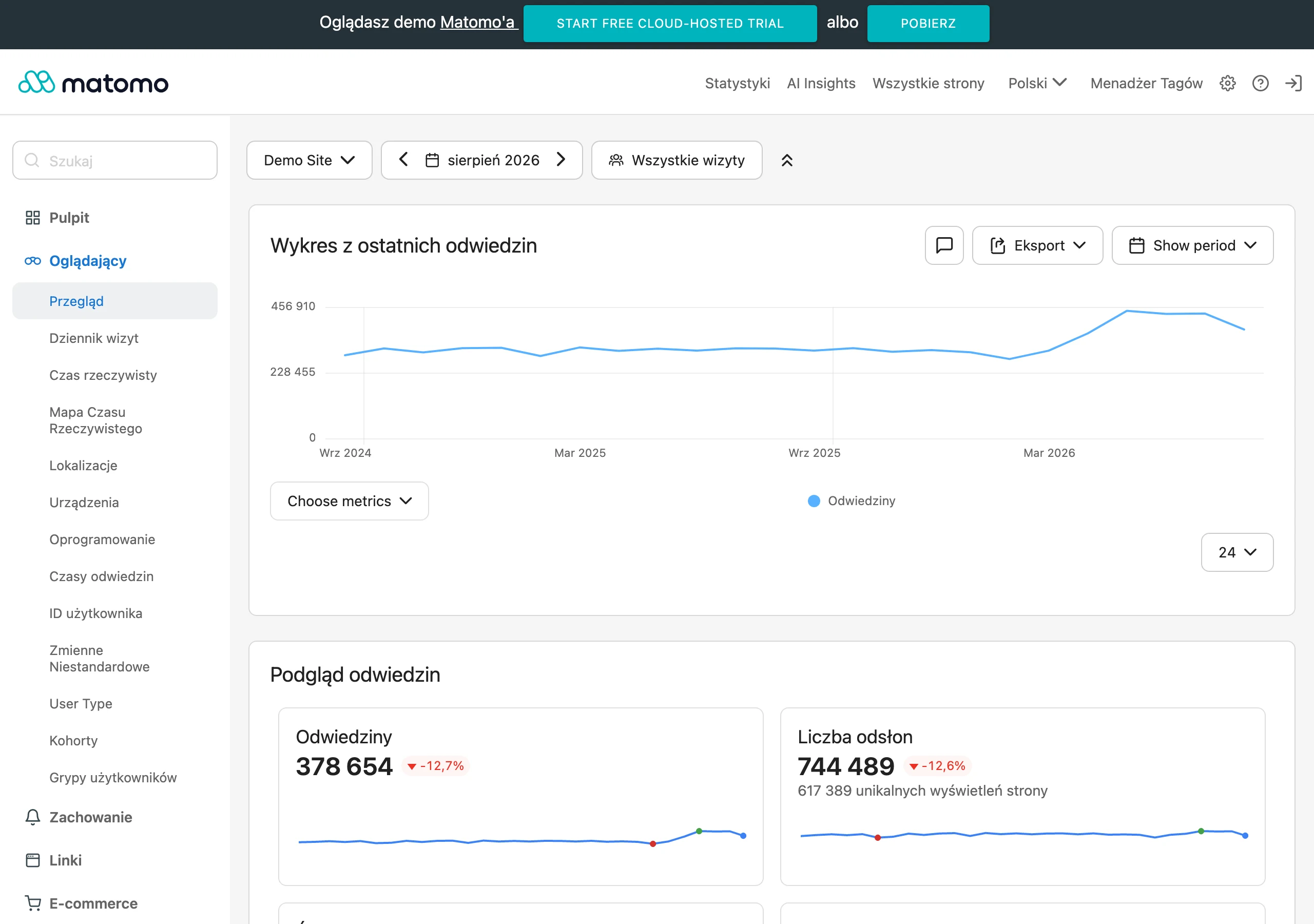
Monitoring starts with measurement. To know what really works, you need to track forms, phone clicks, submitted enquiries, traffic sources, campaigns, landing pages and user behaviour on key service pages. The problem is that when analytics setup is wrong, the report may look fine, but decisions will go in the wrong direction.
In practice, you look at several levels at once. The first is channel effectiveness, meaning cost per lead, number of enquiries and share in generating contacts. The second is traffic quality and site conversion, meaning whether the user lands on the right message, understands the offer and has a simple route to contact. The third is lead quality, assessed by the salesperson or in the CRM. A large number of leads does not mean a good result if most of them are not a fit for the service.
Optimisation should follow the cause, not the mood. Instead of a general “the campaign is underperforming”, it is better to identify straight away what exactly is breaking and where. If traffic is high but there are no enquiries, first check the site: CTA, form, offer copy, trust signals and alignment with user intent. If there are enquiries but they are low quality, the problem usually lies in the ad message, campaign targeting, exclusions, an overly broad promise or an imprecise form.
A good report is not an overloaded table. In a half-year plan, the only metrics you need are those that genuinely support decisions: number of leads, cost per lead, conversion rate, channel share, lead quality, number of sales calls and the most important month-on-month changes. The question is whether the report helps you act, or only organises the numbers. The report should answer “what works, what does not work and what do we do next”, not just archive figures.
Ongoing reporting and management reporting are two different conversations. Ongoing reporting, usually weekly or biweekly, is used to adjust campaigns, bids, ad copy and landing pages. Monthly and quarterly reviews are for bigger decisions: shifting budget, changing service priorities, launching new content, reducing a channel or rebuilding the funnel. Without a steady review rhythm, marketing easily turns into a set of actions with no control over direction.
In service businesses, the bottleneck is often not marketing, but lead response. That is why monitoring needs to include not only the source of the enquiry, but also whether someone called back, how quickly they responded and whether the lead was qualified correctly. The facts are these: if ads deliver good contacts and sales responds too late, campaign optimisation will not solve the problem.
By the end of the half-year, the report should show not only the results, but also the operational conclusions for the following months. You need to state clearly which channels are worth scaling, which require rebuilding, which content delivered the best effect and which elements of the site are still lowering conversion. Well-run monitoring turns marketing from a cost that is hard to assess into a process you can genuinely manage. And that is not a cliché.
FAQ
Frequently asked questions
How does a six-month marketing plan for a service business work in practice?
It is a sequence of decisions, implementations and performance checks for the next 6 months. It starts with diagnosing the starting point, then sets goals, channels, measurement and an action schedule.
Should a six-month marketing plan include only ads?
No, because in services the website, forms, analytics, SEO, remarketing and the way the lead is handed over to sales also matter. Promotion alone is not enough if the rest of the process does not work.
Why in a marketing plan for services does lead quality matter, not just traffic?
Because high traffic without enquiries does not produce results if the content, offer or website does not match the user’s intent. That is why you also need to measure the number of sales conversations, conversion and the cost of acquiring an enquiry.
When should you improve a service website instead of increasing the ad budget?
When the website converts poorly, has unclear CTAs, overly complicated contact options or a message that does not match intent. In that case, adding more traffic only generates more expensive visits without results.
What should a good six-month marketing plan include?
It should include service priorities, goals, audience segments, channels, a monthly schedule, content, website requirements and a reporting model. Also important are resources, responsibilities and decision rules for when to scale or pause activity.
Which marketing channels work for a service business?
It depends on how the customer searches for and compares the service. For urgent needs, Google Ads and a good service website work better, while for a longer decision-making process, SEO, educational content, remarketing and email marketing matter more.