

AI and automation in marketing: key tools and strategies
AI and automation are gaining importance because they make it possible to create, test and adapt messaging faster as campaigns become more complex. The hybrid model is being adopted fastest: a person defines the strategy and tone, while tools (ChatGPT, Claude, Jasper) streamline content variant creation. In performance, it is becoming standard to prepare 20–50 versions of headlines and descriptions for A/B tests in 1–2 hours instead of several days. The safest and most effective setup is “strategy on the team’s side, scaling on the AI side”.
Automation now covers not only copy, but also the dynamic assembling of creatives for a segment or intent (e.g. separate packshots and claims for new vs returning users). Tools such as Canva Magic Studio, Adobe Firefly and Google Ads Asset Generation make it easier to build asset sets, but they need “guardrails” in the form of a brand library (colours, fonts, prohibited wording). Similarly, in automated campaigns (Performance Max, Advantage+, Demand Gen) the direction is clear: more and more control is handed over to algorithms, and the emphasis shifts to the quality of input data (feed, signals, creatives). Without controlling brand exclusions, placements and goal separation (prospecting vs remarketing), automation can burn through budget.
AI is increasingly also supporting personalisation and operational decisions, rather than being limited to content creation alone. Predictive models (e.g. churn probability, LTV) are used in CDP/CRM (HubSpot, Salesforce, Klaviyo) to trigger scenarios such as a voucher after a drop in activity or recommendations after a specific category. Chatbots and voicebots (Intercom, Zendesk, Freshchat and LLM-based bots) reduce response times to seconds and can combine FAQs, order status updates and product advice without switching channels. In B2B, lead scoring based on behavioural signals (time on site, case studies viewed, email opens) and automatic prioritisation in tools such as HubSpot Scoring, Marketo or Pipedrive Insights are growing.
In optimisation, multivariate tests and multi-armed bandit approaches are gaining increasing recognition, as they route traffic to winning variants more efficiently than classic A/B testing. In practice, teams turn to Optimizely, VWO or Convert, and smaller organisations use experiments based on GA4 + BigQuery and rules in GTM. At the same time, companies are organising AI risks: they are implementing fact-checking policies, source-citation rules and a ban on generating sensitive claims (e.g. medical ones), supported by compliance and brand safety checklists. Operationalisation increasingly means prompt repositories and SOPs in Notion/Confluence, as well as automations in Zapier/Make that provide AI with context (brief, campaign results) and standardise output.
- 01Hybrid modelHuman: strategy. AI: scaling.
- 02Content optimisationFast variant creation (ChatGPT, Claude).
- 03Scaling A/B tests20–50 versions in 1–2h.
- 04Dynamic creativesSegment-based adaptation (e.g. Adobe Firefly).
The safest setup is strategy on the team’s side and scaling on the AI side.
Privacy, data and effectiveness measurement in the post-cookie era
In the post-cookie era, first-party data collected in CRM, newsletters and via logins becomes the foundation of effective marketing. Companies are developing their own sources through email, customer accounts, loyalty programmes and post-purchase surveys, and then using them for segmentation (e.g. in Klaviyo or Salesforce). As third-party cookies lose importance, identifiers based on login and hashed email (e.g. Meta Advanced Matching) are becoming more important, so brands are designing incentives to log in (order status, discounts, purchase history). This directly translates into user recognition across paid channels and CRM automations.
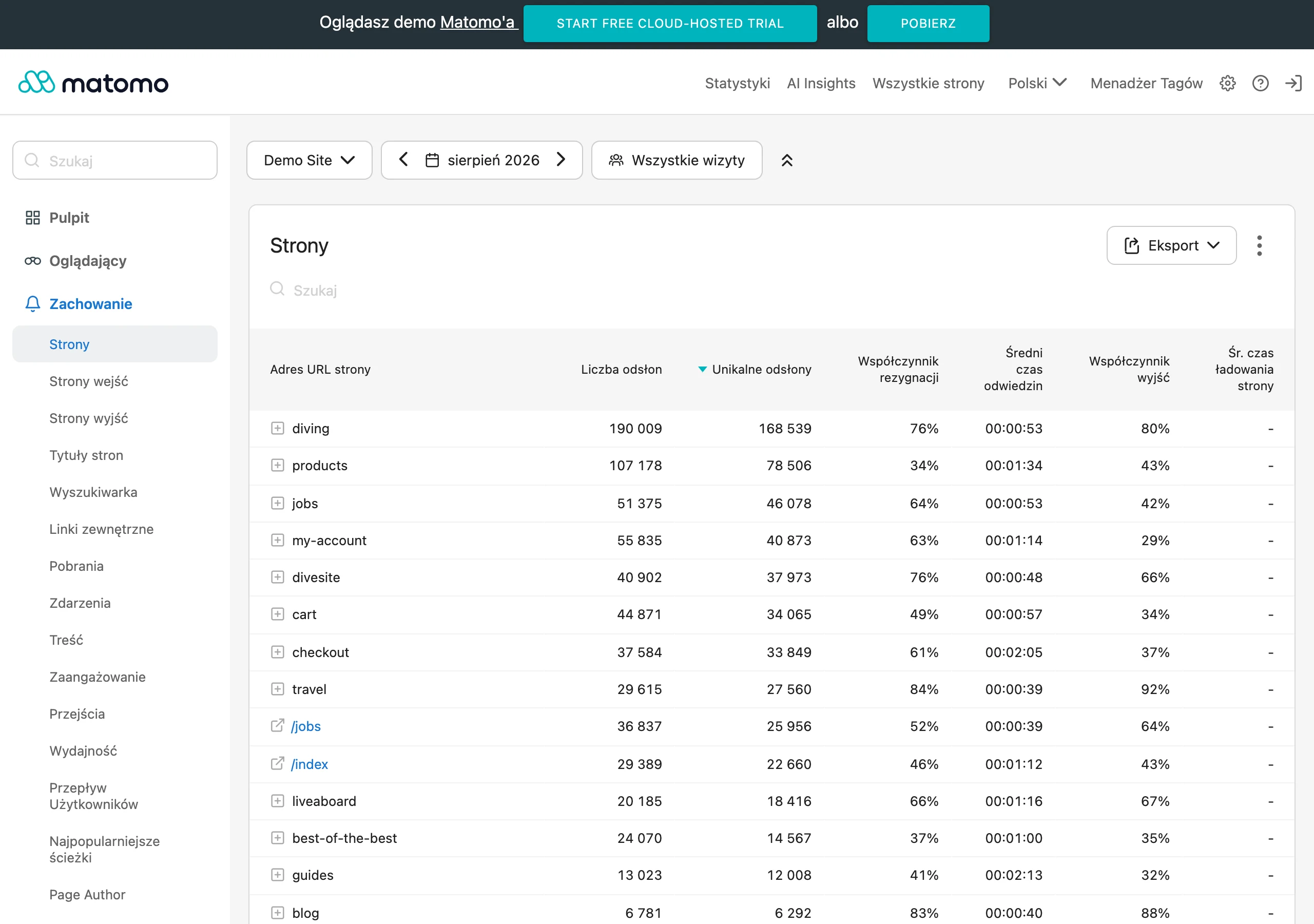
Proper consent management and compliance in the EU are now a prerequisite for maintaining measurement quality, as well as the ability to run remarketing and personalisation. Consent Mode v2 in the Google ecosystem forces a technical tidy-up of tracking, while CMPs (Cookiebot, OneTrust, Didomi) help map processing purposes and reduce data loss in GA4 and Google Ads. The most common cause of “inconsistent” reports is not the tool, but inconsistent events, a lack of deduplication between pixel and CAPI, and no clear measurement plan. A measurement plan with a list of events, parameters and rules, verified in GA4 DebugView and tools such as Tag Assistant, is therefore becoming the standard.
When you can no longer rely on last-click, companies move to conversion modelling and source triangulation. In practice, GA4, platform reports (Meta, Google) and sales data are combined to assess the direction of change instead of searching for the “perfect truth” about every click. Server-side tagging (e.g. GTM Server-Side on Google Cloud or Stape.io) gives greater control and stabilises measurement by reducing script blocking, while events can be sent in parallel to GA4, Meta CAPI and CRM. Increasingly, the question “does advertising really generate sales?” is answered through incrementality tests (geo-holdout, audience holdout) and solutions such as Meta Conversion Lift and Google Geo Experiments, while major brands use clean rooms (Google Ads Data Hub, Amazon Marketing Cloud) for aggregated analysis.
- Build and nurture first-party data: email, logins, loyalty programme, post-purchase surveys.
- Tidy up consent in the EU by implementing a CMP and configuring Consent Mode v2.
- Introduce a measurement plan, an event naming standard and deduplication (pixel vs CAPI), then verify the implementation in GA4 DebugView and Tag Assistant.
- Consider server-side tagging (GTM Server-Side on Google Cloud or Stape.io) and parallel event delivery to GA4, Meta CAPI and CRM.
- Supplement attribution with modelling and incrementality tests (holdout), combining GA4, platform reports and sales data.
SEO and next-generation search: how to adapt to AI Search
To adapt SEO to AI Search, it is worth focusing on content with a unique contribution, because AI-generated responses in the results (AI Overviews) can increase impressions while clicks fall. In practice, this means shifting the emphasis from “topic descriptions” to materials that cannot easily be replaced by a summary: first-party data, calculator tools, comparisons, expert opinions and real tests. At the same time, the importance of language that answers specific user intent and questions is growing. If your content does not show methodology, data or experience, AI in the SERP can easily “bury” it under a ready-made answer.
In AI Search, trust signals play an increasingly important role, so E-E-A-T translates into concrete actions in the content itself and around it. Google more clearly rewards experience and expertise, especially in YMYL areas, which in practice means author profiles with qualifications, source bibliographies, regular updates and showing “how we checked this” (e.g. the product test methodology). For e-commerce, schema.org structured data is also important, as it makes it easier to understand the offer and improves presentation in the SERP (e.g. prices, availability, ratings). It is also worth taking care of the indexing strategy for filters: index only valuable combinations, and restrict the rest with noindex/canonical, so as not to dilute authority.
Search is becoming more conversational and multimodal, so SEO should cover both long-tail queries and visual search. Longer, “human” questions lend themselves to FAQ content and natural language, and the visibility of such phrases is measured, among other things, in Senuto or Ahrefs. In the case of Google Lens, high-quality images, descriptive file names, alt texts, product data and consistency of variants matter, so that algorithms correctly connect the image with the offer. In addition, consolidating and updating content (content pruning) increasingly delivers better results than publishing more similar articles, especially when old pages cannibalise new ones.
The most stable results come from building topical authority, meaning developing a subject from A to Z within topic clusters. A “pillar page + detailed subpages” structure helps not only with indexing, but also with internal linking and maintaining a consistent taxonomy. At the same time, it is worth linking SEO with demand data: keywords with a high ROAS in Google Ads should make the shortlist of priorities for organic content, and questions and objections from CRM can be turned into articles and landing pages. On the technical side, speed and correct indexing still matter, which is why tools such as PageSpeed Insights, Lighthouse, Search Console and Screaming Frog help quickly identify issues (e.g. high LCP caused by heavy graphics, indexing errors, canonical duplicates).
- 01Rise in impressions, fall in clicksAI Overviews are changing traffic
- 02Focus on a unique contributionFirst-party data, tools, opinions
- 03Respond to intentShow methodology and experience
- 04Build credibility (E-E-A-T)Trust signals are key
Key takeaway: Focus on content that is hard for AI to replace by building authority and responding to specific user needs.
Social media and creators: how to build authentic communities
Authentic communities in social media are built today through regular video formats, a clear value proposition and greater control over channels, rather than relying on growth solely through algorithmic reach. Short-form video (Reels, TikTok, Shorts) is promoted by platforms, so an approach based on 15–45 second series works well, in which one problem and one promise appear, plus a clear CTA to the product or lead magnet. At the same time, the importance of actions that reduce dependence on algorithms is growing: communities in Discord, Facebook groups, newsletters or in the app. The communities that work best are those that deliver specific value (e.g. expert advice, early access, discounts), rather than a “general place to talk”.
Collaborations with creators are increasingly moving towards micro-influencers, because they can deliver higher engagement and more credible recommendations. Selection and verification of creators are supported by tools such as Upfluence, Modash or indaHash, which allow filtering by demographics, real views and collaboration history. At the same time, UGC is becoming fuel for performance ads: brands build a pipeline (briefs, a library of hooks, tests of 10–20 variants), and scale winning assets as Spark Ads (TikTok) or dark posts (Meta). The social commerce trend is also becoming increasingly clear, that is, shortening the path from inspiration to purchase in the app, which strengthens the role of product catalogues, integrations (e.g. Meta Commerce Manager) and “shoppable” content.
Credibility in social media grows when a brand exposes its processes and shows “behind the scenes”, because audiences want to see proof of how the product is made, where prices come from and what quality control looks like. In B2B, employee advocacy gives an additional advantage: company experts’ posts on LinkedIn often inspire greater trust than messages from the brand account, and effective programmes are based on training, a topic bank and measuring real impact (e.g. the number of sales conversations from posts). Creative analytics is also gaining increasing importance: instead of limiting themselves to likes, teams check the first 2 seconds, average watch time and drop-off at key moments in TikTok Analytics, Meta Insights or tools such as Triple Whale. At the same time, crisis procedures and monitoring are needed (Brand24, SentiOne) so that spikes in negative mentions can be detected quickly and responded to in line with the agreed tone and escalation rules.
Paid advertising: budget optimisation and creativity as a ROAS lever
Budget optimisation in paid advertising increasingly comes down to matching channels and objectives more accurately to purchase intent, as well as to a consistent creative testing system. Performance budgets are shifting, among other things, to retail media (Amazon Ads, Allegro Ads), because these platforms have strong intent and transaction signals, which makes it easier to connect activity with sales results within the marketplace. At the same time, companies plan paid media in a full-funnel model: at the top of the funnel they build awareness with video and education, in the middle they drive traffic to landing pages, and at the bottom they close the conversion. When targeting is less precise, creative becomes the main ROAS lever and “does” the segmentation through the message itself.
Creativity in performance works best as a repeatable process, not a one-off “campaign”, which is why teams build a steady rhythm of iteration based on CPA/ROAS and attention metrics (CTR, thumbstop). In practice, they test packages: 5–10 hooks, 3 value propositions and 3 formats, then update the conclusions every week. The approach to remarketing is changing too: it still delivers results, but it is harder to scale because of privacy and a smaller number of recognised users, so the role of first-party data (CRM lists), context (categories) and creative sequences is growing instead of “aggressive” tracking. Video (YouTube, CTV) is increasingly combined with search and remarketing, and the result is assessed through the impact on branded queries and assisted conversions in GA4.
Performance control does not end with ROAS, because companies increasingly optimise for margin and LTV, taking into account delivery and return costs as well as differences between new and returning customers. Automatic bidding strategies (e.g. Smart Bidding in Google) and objectives in Meta work best when the conversion signal is stable, which is why in practice a prerequisite is often organised event tracking, offline conversion import and a sensible campaign split into segments. In the battle for attention, the winning formats are those that clearly show the problem or result in 1–2 seconds and add “proof”: reviews, product demonstrations or specific offer limitations (within platform rules). If traffic is increasing without conversions, it is worth looking at inventory quality and fraud, because poor placements can burn through budget, especially in display/programmatic.
- Test creatives in a creative-first approach (hooks, value propositions, formats) and iterate based on CPA/ROAS and CTR/thumbstop.
- Choose channels according to intent: retail media (Amazon Ads, Allegro Ads) for users comparing offers and full-funnel for demand generation.
- Set goals based on real profitability: margin, LTV, delivery costs and returns, instead of looking only at revenue.
- Implement automatic bidding only when the conversion signal is stable and campaign segmentation is well thought through.
- Reduce budget waste by controlling traffic quality: DoubleVerify/IAS, placement exclusion lists and monitoring spikes in CTR and zero-engagement sessions in GA4.
- 01Matching intentStrong purchase signals (e.g. retail media).
- 02Full-funnel modelBuilding awareness, traffic, conversion.
- 03Creative as a leverSegmentation through message, ROAS growth.
- 04Testing processA repeatable system, not a one-off campaign.
The effectiveness of paid advertising depends on continuously matching channels to intent and treating creativity as an ongoing testing process.
CX, UX, CRO: how to improve the customer experience and increase conversion
Customer experience and conversion are improved the fastest by reducing friction on mobile, speeding up the site and simplifying the key purchase steps. As most traffic is mobile, speed and the “lightness” of the site (e.g. WebP/AVIF compression, limiting scripts) are becoming the standard, affecting both usability and sales results. Equally important is a frictionless checkout: users abandon their basket when their preferred payment method is missing or when costs are unclear. Practical elements that shorten the journey include BLIK, Apple Pay/Google Pay, PayPo, fast delivery (InPost) and clear information about the delivery date and costs already on the product page.
CRO works more effectively when it is based on qualitative data, because numerical reports alone do not answer the question of why the user gives up. Tools such as Hotjar and Microsoft Clarity, as well as on-site surveys, make it possible to see where users get stuck (e.g. they cannot see delivery costs), which makes it easier to form hypotheses for tests. On-site personalisation is returning in a more pragmatic form: recommendations based on behaviour and context (rather than “full tracking”), which can increase average basket value through cross-sell and upsell. In this area, tools such as Dynamic Yield, Nosto and Recombee are used for modules like “fits with” and “better version”.
Trust and accessibility are increasingly becoming part of UX and genuinely lowering purchase barriers, especially for new brands and new users. Social proof (Opineo, Trustpilot, Google Reviews) and a clearly described returns policy (e.g. 30 days) reduce perceived risk and make purchase decisions easier. Companies are also increasingly designing inclusively in line with the direction of WCAG 2.2 (contrast, keyboard navigation, alternative descriptions), because beyond compliance itself it improves the ergonomics of forms and the whole purchase journey. An additional advantage can be omnichannel. Online-offline consistency (click&collect within 2 hours, returns in store) reduces concerns about availability and collection time, while at the same time increasing readiness to test new products.
E-mail, SMS, push: retention automations and communication personalisation
Retention automations in e-mail, SMS and push consist of triggering communication at key points in the customer lifecycle to increase repeat visits and sales without continually increasing the advertising budget. In practice, companies set up a range of scenarios in Klaviyo or HubSpot: welcome (3–5 messages), abandoned basket (1–3), abandoned browsing, post-purchase education and winback after 60–120 days of inactivity. This approach works in both e-commerce and B2B, because it makes it possible to tailor the message to the stage of the decision. The biggest effect comes not from “more sends”, but from precisely configured triggers and consistently applied segmentation.
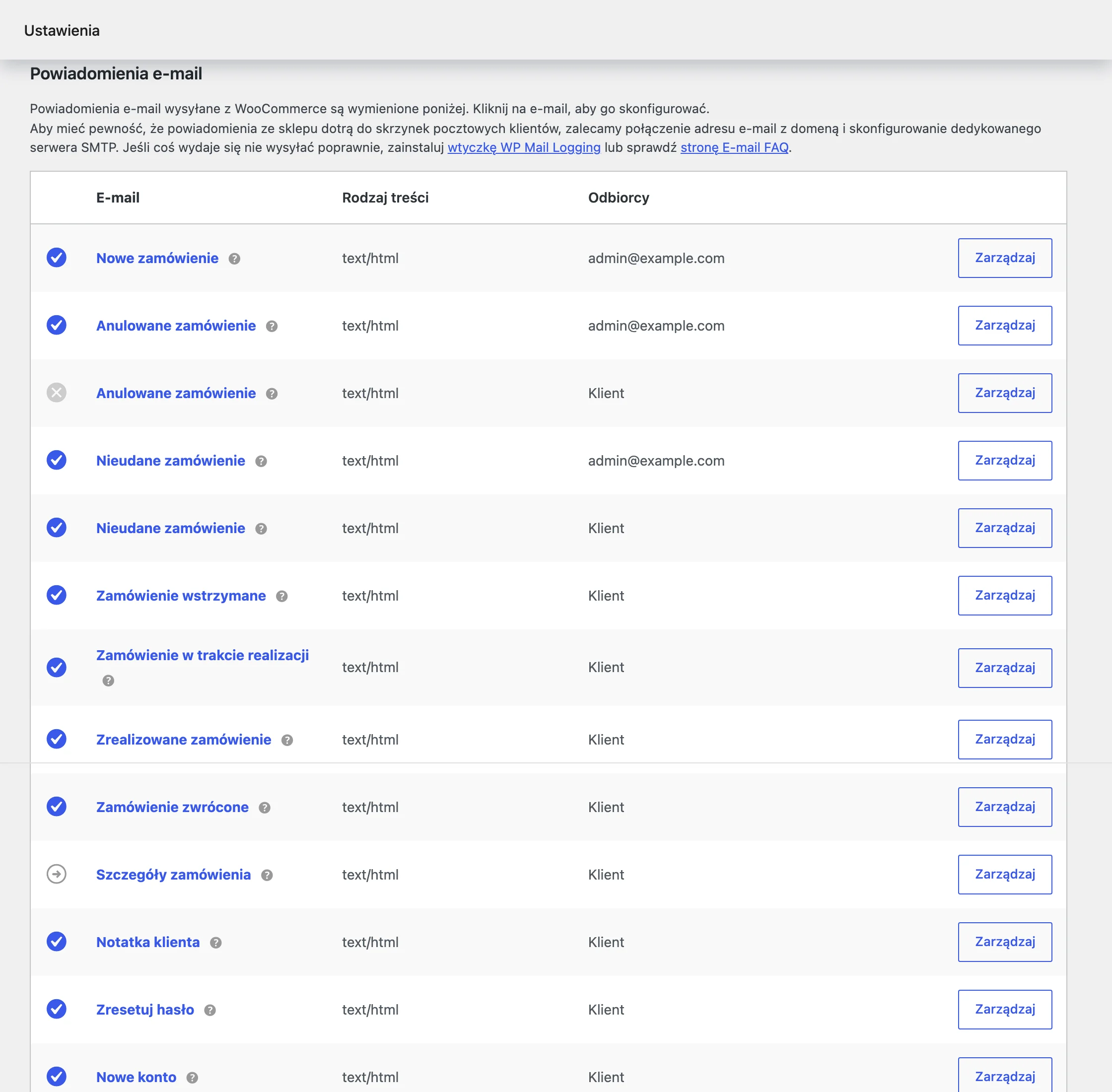
Communication personalisation is based mainly on behavioural segments and customer value, because differences in conversion between segments can be several-fold. A good example are separate campaigns for VIPs (top 10% LTV), new customers and “price-sensitive” people who buy mainly during promotions, which makes it easier to select discounts and frequency without burning through margin. Brands are also increasingly collecting zero- and first-party data through preference forms and a preference centre (e.g. in Klaviyo), so that the user can indicate their interests and preferred contact method themselves. This reduces unsubscribes and stabilises results, especially when paid channels are becoming more expensive.
The effectiveness of owned channels depends on deliverability and sender reputation, because a drop in open rate is often the result of list quality, not just the subject line. The standard is becoming list hygiene (removing inactive contacts), SPF/DKIM/DMARC configuration and frequency control so that messages do not end up in spam, especially in Gmail and Outlook. SMS and push require stricter selection, so they are most often launched at moments of high intent, such as order status, limited availability or an abandoned basket with a short window. In retention, integration with a loyalty programme (Smile.io, LoyaltyLion) and automatic NPS/CSAT surveys after purchase, plus follow-up to dissatisfied customers (Delighted, Survicate, Zendesk), are also growing in importance in order to fix the experience before a public negative review appears.
Content and formats: how to use video, audio and interactive content
Video, audio and interactive materials work best today when each format has a precisely defined role in building reach, credibility or lead generation. Short video gauges interest and helps deliver reach, while longer YouTube publications (6–20 minutes) close trust and address more complex concerns at the comparison stage. In practice, brands combine these two approaches by releasing short tips and then directing the audience to the full guide when they need broader context. Shorts and long-form video are two different tools, so the content plan should separate their objectives rather than treat them as interchangeable.
Audio and podcasts make particular sense when listener quality and long contact time matter, rather than scale of listens alone. Distribution is made easier by Spotify for Podcasters and YouTube Podcasts, and effectiveness should be measured by leads from dedicated links and codes, not just plays. At the same time, interactive content is becoming more important, as it is harder to copy in a world of AI answers, such as quizzes, calculators or benchmarks. An example is an ROI calculator and a quarterly report with user data in a SaaS company, which attract natural links and high-intent leads.
Production and distribution are increasingly being organised as a repurposing system in order to increase publishing frequency without proportionally expanding the team. One webinar can become the basis for an article, a dozen shorts, a newsletter and posts on LinkedIn, while tools such as Descript, CapCut, Riverside and Notion help break the material down and maintain an orderly, repeatable process. As placements become more automated, the importance of brand safety is also growing, so companies are implementing exclusion lists, recurring audits of placements in video and programmatic, and clear rules on which topics and channels are unacceptable. An increasingly important role is also played by “evidence-based storytelling”: case studies with numbers (implementation time, costs, impact) and materials from tools are cited more often and usually convert better than general service descriptions.
FAQ
Frequently asked questions
How are AI and automation changing the creation of marketing assets?
They make it possible to create, test and tailor content faster, often in a hybrid model: a human defines the strategy, and tools help scale the variants. In performance marketing, preparing many versions of headlines and descriptions in a short time is becoming standard.
Can campaign automation waste budget?
Yes, if there is no control over brand exclusions, placements and the separation of objectives, e.g. prospecting from remarketing. Good inputs are also crucial, such as the feed, signals and assets.
Why is first-party data so important in the post-cookie era?
Because first-party data from CRM, newsletters, logins and loyalty programmes becomes the basis for segmentation and personalisation. As third-party cookies lose significance, the role of identifiers based on login and hashed email also grows.
How can you improve ad effectiveness measurement with incomplete data?
You should organise your events, implement a measurement plan and deduplication between pixel and CAPI, and then verify the implementation in tools such as DebugView GA4 and Tag Assistant. When assessing results, it is worth combining GA4, platform reports and sales data instead of relying solely on last-click.
Does SEO still work in AI Search results?
Yes, but content with a unique contribution that cannot be easily replaced by a summary has a bigger advantage. First-party data, methodology, expert opinions, tests and trust signals aligned with E-E-A-T all matter.
How do you build effective communities on social media?
A regular video format, a clear value proposition and less dependence on algorithmic reach alone work best. In practice, it is also worth developing your own channels, such as a newsletter, Discord or groups, and working with micro-influencers.