
Follow-up automation works well only when the system knows who the lead is, where they came from and what they were looking for at the moment of contact. Without that, sequences quickly become serial, and the recipient sees mass communication rather than a relevant response. The personal character of follow-up does not come from manually writing every message, but from using real context from the very first contact. That is why the foundation of the process is correctly recorded data about the inbound lead and sensible segmentation before automation is launched.
The importance of Lead Inbound in sales follow-up automation
Lead Inbound gives follow-up automation the right starting context. A lead from a form, a demo request, an audit or a content download leaves a different intent trail than a random database signup. If the system knows the source of contact, the first page and the type of enquiry, it can trigger an appropriate follow-up instead of one template for everyone. It is precisely this start that determines whether the message sounds like a helpful response or automated selling.
In practice, you need to record not only contact details, but also the context of entry into the process. The acquisition channel, the page visited, the offer enquired about and the problem suggested by the lead’s behaviour all matter. Someone who has visited the pricing page expects a different conversation from someone who has only just downloaded a lead magnet. The most common mistake is that both contacts receive the same follow-up at the same pace.
How behavioural and demographic segmentation affects follow-up effectiveness
Behavioural and demographic segmentation increases follow-up effectiveness because it matches the content, pace and path to the lead’s real intent. It is not enough to know that a contact comes from inbound. You need to distinguish the industry, company size, job title, source, funnel stage and the business problem the lead is trying to solve. Only then can automation speak the language of the recipient’s situation rather than the language of the internal sales process.
In practice, it is worth segmenting at least by:
- the lead source and entry page,
- industry and company size,
- job title or decision-making role,
- funnel stage and strength of intent,
- the main business problem.
Such segmentation changes not only the content of the message, but also whether you send educational material, an invitation to talk or a short question. A lead with high intent needs a shorter route to contact, while an early-stage lead needs a more cautious follow-up. The mistake is both creating one segment for everyone and building so many segments that no one can manage them.
The role of Lead Scoring in prioritising sales contacts
Lead Scoring organises the order of work with leads because it shows which contacts require a quick response and which still need time to mature. The system awards points for demographic attributes, such as job title, and for behaviours, such as a visit to the pricing page. This means the salesperson does not treat all enquiries the same. Automation can immediately assign the right pace and the right further follow-up path.
In practice, scoring should combine two types of data: who the lead is and what they did after entering the funnel. A job title alone, without activity, often gives a false sense of quality. By contrast, clicks alone, without company context, can inflate the score of random visits. A well-set model helps distinguish real intent from mere interest in content.
The greatest value of scoring is that it changes operational decisions, not just reports. A lead with a higher score can receive a shorter sequence, a faster contact and a more direct CTA. A lead with a lower score should go into a calmer follow-up with educational value. The mistake is setting the scoring once and leaving it unverified, even though lead behaviour and source quality change over time.
Using engagement signals to automate follow-up actions
Engagement signals make it possible to trigger follow-up when a lead shows a specific intent. The most valuable are explicit signals, such as a reply or a form submission, but hidden behaviours also matter. Clicking a link, returning to the site or spending longer on the pricing page can change the next step in the sequence. It is precisely these events that make automation react to the recipient rather than simply count days.
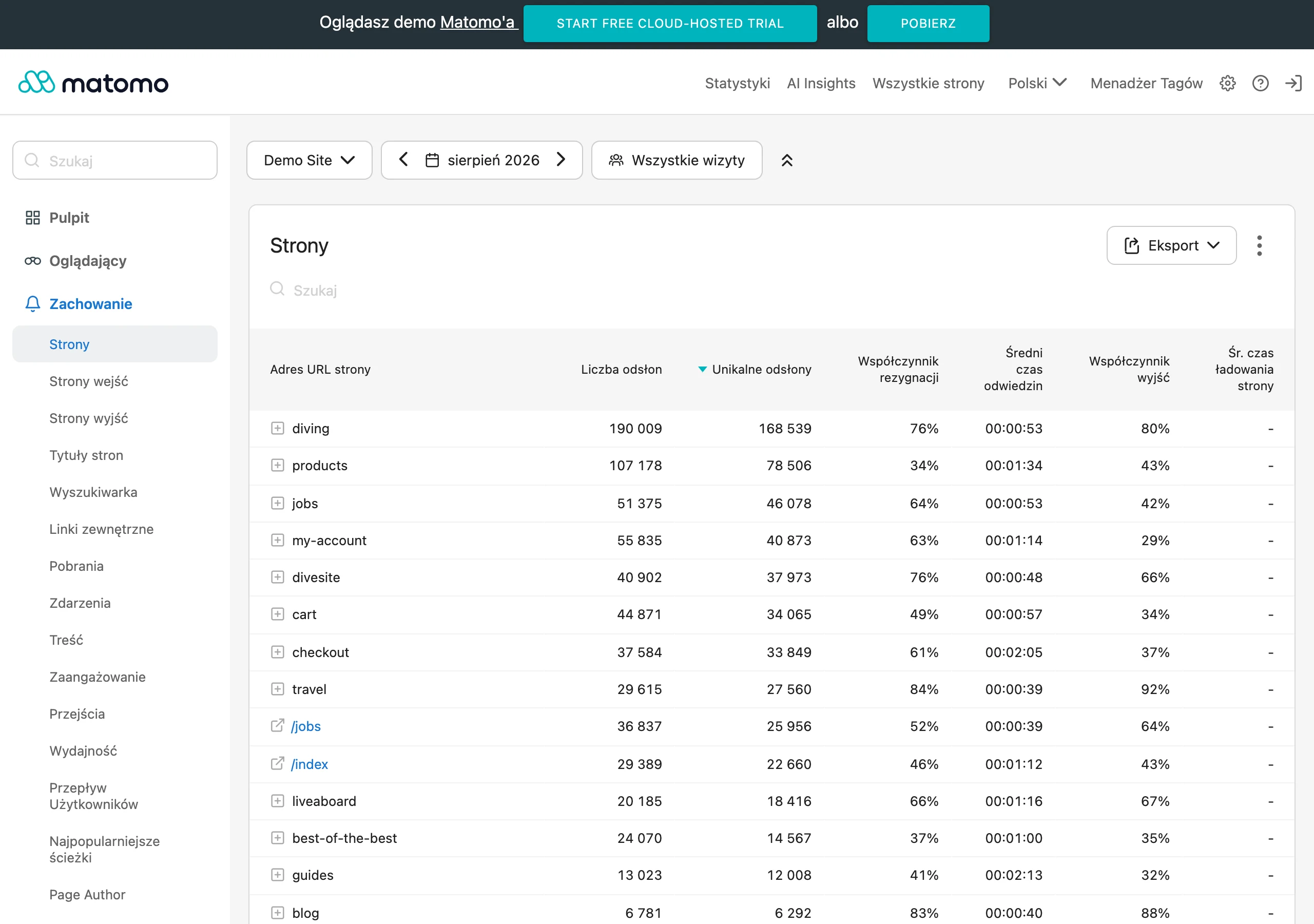
In practice, it is worth assigning a specific action to each signal instead of one reaction for all behaviours. A reply should stop the automatic sequence, while a click on a piece of content can trigger a message with the next, related insight. Returning to the offer page may justify a faster contact than simply opening an email. This makes the follow-up feel like a continuation of the conversation rather than a series of random messages.
The most common mistake is overvaluing weak signals and ignoring negative ones. One click does not always mean readiness for a sales conversation. It is equally important to notice a lack of response, unsubscribing or a clear drop in activity. If the system does not distinguish the quality of signals, automation starts to accelerate at the wrong moment and loses its personal character.
The importance of contextual personalisation in communication with customers
Contextual personalisation gives communication a personal character because it refers to the lead’s situation, not just their name. The recipient recognises relevance faster when the message refers to the demo form, the pricing page or the problem they previously signalled. As a result, the follow-up looks like a continuation of the contact, rather than a ready-made campaign sent to everyone.
In practice, this works through dynamic inserts and conditions in the message content. A lead from the e-commerce sector should see a different paragraph, and someone after an audit or returning to the service page should see another. This logic changes not only the wording, but also the proposed next step. If context does not affect the copy and CTA, personalisation is only cosmetic.
Good personalisation does not mean longer emails, but more relevant ones. Each message should be short, focused on one problem and lead to one clear CTA. It is also worth adding micro-value: a short insight, an example of application or a question that helps the recipient assess the situation. This matters because a personal tone comes from usefulness, not from the message’s wording alone.
What mistakes and risks can affect follow-up automation
Follow-up automation is most often undermined by mistakes that speed up communication at the expense of relevance and judgement. Excessive automation means the system sends messages even when there is no sensible reason to get in touch. False personalisation, based only on the first name and company, sounds artificial when the content does not match the intent. Just as harmful is ignoring negative signals such as no response, unsubscribing or a clear slowdown in activity.
In practice, these operational missteps are particularly costly:
- no STOP rules after a reply or meeting booked,
- message and channel timing that is too fast,
- the same sequence for leads with different intent,
- escalation to a phone call without sufficient signals,
- ignoring contact preferences and an easy opt-out path.
Each of these mistakes lowers credibility, because the recipient sees a process rather than a conversation. The result is weaker responses, more opt-outs and less readiness to meet. A non-human pace particularly quickly damages the relationship when several contacts come in too close together.
A separate risk is relying on AI without editing and oversight. AI is good at preparing drafts and scaling personalisation, but it can add inaccurate details or overconfident statements. Every automation requires quality control, otherwise it quickly turns into spam. That is why it is worth regularly checking the live sequences, rule logic and real lead responses.
Metrics and KPIs for measuring the effectiveness of follow-up automation
The effectiveness of follow-up automation is measured by KPIs that show whether a sequence generates replies, meetings and progression to opportunity without an increase in opt-outs. The number of messages sent alone proves nothing. In follow-up, what matters is the quality of the response and the speed at which the lead moves on. That is why the metrics need to be read together, not separately.
At sequence level, the most important are reply rate and meeting rate, because they show whether the copy, timing and channels lead to a real conversation. If there are plenty of replies but few meetings, the problem usually lies in the CTA or a mismatch between value and the lead stage. If meetings appear only in one segment, there is no point averaging the result for the whole database. Separately, you need to look at lead-to-opportunity rate, because only that shows whether follow-up attracts the right contacts, not just active correspondents.
Warning indicators are just as important, namely funnel velocity, opt-out rate and cost per opportunity. A shorter time to move through the funnel is a good sign only if the number of opt-outs or poor meetings is not rising. An increase in opt-outs often means overly aggressive timing, the wrong channel or artificial personalisation. The most practical approach is to measure KPIs for each segment and each sequence separately, because only then do you know what to improve.
FAQ
Frequently asked questions
How can you automate sales follow-up so it doesn’t sound mass-produced?
You need to base the sequence on the lead’s context: where they came from, what they did and what they were looking for. That way, the message looks like a relevant response rather than a ready-made template for everyone.
Are just the first name and company name enough to personalise follow-up?
No, because that kind of personalisation is only cosmetic. The content must refer to the lead’s situation, for example a demo form, a pricing page or a previously signalled problem.
What lead data is worth recording before launching automation?
It is worth recording not only contact details, but also the acquisition source, the page visited, the type of enquiry and the problem suggested by the behaviour. This makes it possible to set up a relevant follow-up from the very first contact.
Why does lead segmentation improve follow-up effectiveness?
Because it matches the content, pace and path to the recipient’s real intent. Someone who visited the pricing page needs different communication from someone who has only just downloaded a resource.
How does lead scoring help with automating sales follow-up?
Scoring shows which contacts need a quick response and which still need time to mature. It combines lead characteristics with behaviour, so it makes it easier to set the right pace and order of actions.
Which engagement signals should trigger further follow-up?
The most important are replies, forms, link clicks, returning to the site and a longer time on the offer or pricing page. Each of these signals can trigger a different action instead of one response for everyone.