
AI-powered automation of email sequences works best when the model does not create communication on its own, but operates within the brand framework. Consistency in communication does not come from the tool itself, only from a well-designed process, data and control. In practice, the point is for every email to develop the same promise that the recipient saw earlier in search, an article or a form. This guide shows how to combine the purpose of the sequence, segmentation and automation so that AI speeds up work without diluting the brand voice.
The role of email automation in the SEO ecosystem
Email automation in SEO is used to maximise the value of organic traffic, not to improve rankings in search results. Its job is to take over the user after they land from an article, guide or lead magnet and move them further along. This matters because traffic alone does not deliver business results if it does not turn into a relationship, an enquiry or a sale.
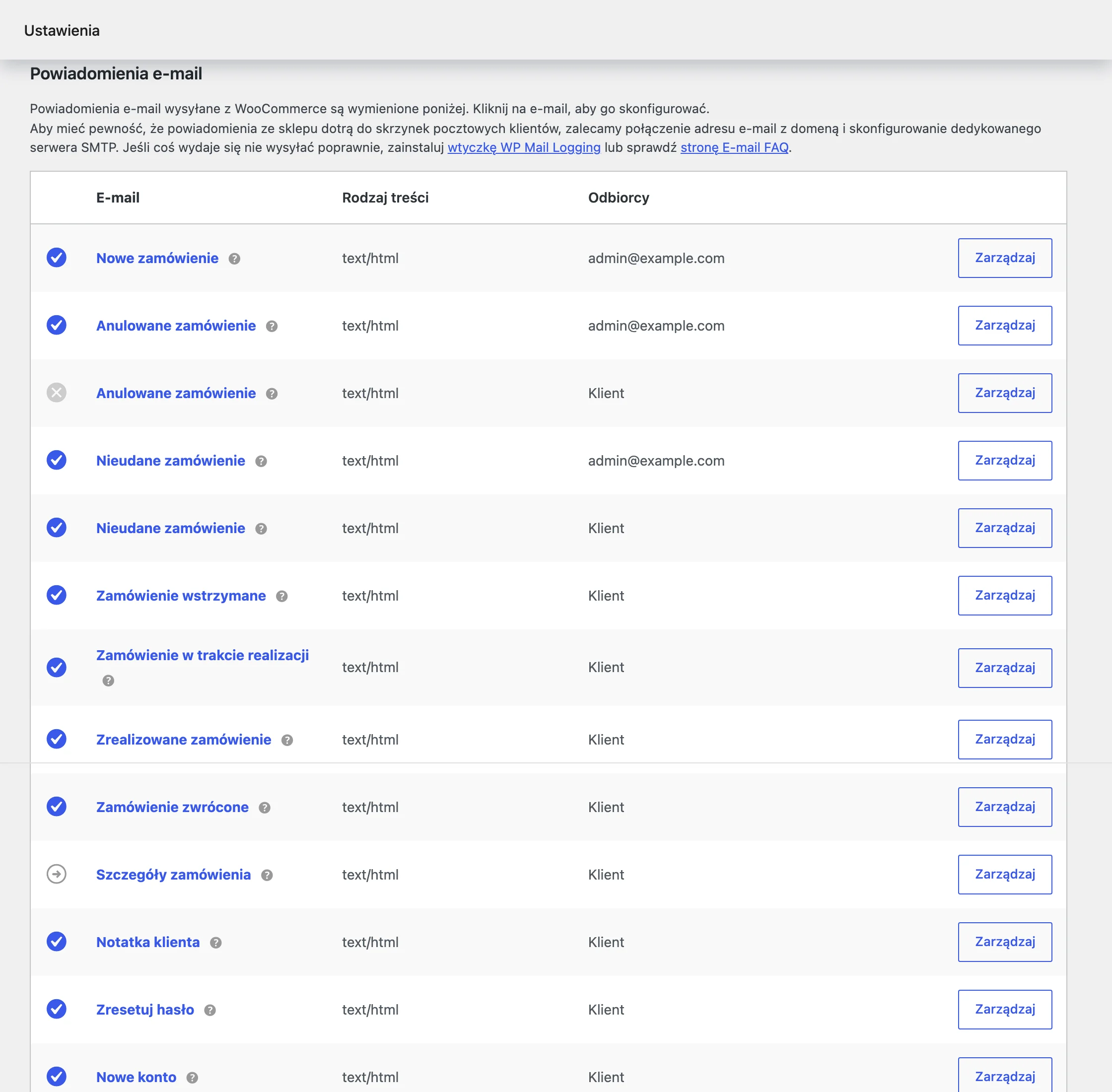
In practice, email sequences close the loop after a resource is downloaded, maintain contact with the recipient and direct them to further content. This allows you to educate leads from organic traffic, reactivate people who previously read the content, and distribute new publications to the right segments. The same mechanism also supports outreach and relationship building, if the messages are personalised on the basis of real data rather than AI guesswork.
How to define the strategic goal of an email sequence
The strategic goal of an email sequence needs to be reduced to one main outcome and one main CTA. If in one sequence you try to onboard, educate, sell and reactivate at the same time, the communication quickly loses direction. The goal should be assigned to the stage of the customer journey and to the source of entry, because a new subscriber does not expect the same thing as a ready lead.
Most often, the sensible main goal of a sequence looks like this:
- onboarding a new subscriber,
- education and trust building,
- lead qualification,
- sales conversion,
- reactivating inactive recipients,
- distributing content pillars.
In practice, you make the decision based on the recipient’s intent and behaviour. A person who downloads a guide from Google usually first needs education and only then an offer. By contrast, a user returning to the product page may go straight into a qualifying or sales sequence. The most common mistake is building one universal sequence for all sources and all intents.
Brand foundations as the basis for consistent communication with AI
Brand foundations are the basis of consistent communication with AI, because they define the boundaries within which the model can write. If you do not define those boundaries, AI will start mixing tone, vocabulary and promises. In practice, you need a separate brand brief for AI, not a generic company description. Such a document should cover the tone of voice, level of formality, brand archetype, preferred and forbidden words, and the fixed names of products and services.
Equally important are the sales elements that cannot change from email to email. This includes the UVP, key promises, the way CTAs are phrased, and a bank of proven arguments and social proof. AI should work from approved claims, not invent benefits that the offer does not actually deliver. This protects brand consistency and reduces the risk of emails that sound good but are inconsistent with the offer or the landing page.
The best-performing model is one in which a human sets the rules and AI only fills in selected parts of the content. This helps you maintain fixed terminology, a predictable style and a repeatable communication structure. This also matters beyond email, because a consistent language strengthens brand recognition across the entire content ecosystem. When the recipient sees the same terms in an article, an email and on the offer page, it is easier for them to trust the message.
The importance of data-driven segmentation in email automation
Data-driven segmentation determines whether automation will be relevant or only seemingly personalised. AI should not guess the recipient’s intent; it should use first-party and zero-party data. The most value comes from segmenting by acquisition source, the topic of the article read or the material downloaded, the explicitly declared need, and activity on the site and in emails. This makes it possible to tailor the content to the real context rather than to an averaged profile.
In practice, the safest approach is to segment mainly by intent and behaviour, because these signals best explain what the recipient needs right now. A person who lands organically on a guide usually expects education, not an immediate offer. A lead who returns to the product page and clicks on sales emails may enter a different path. The segment should change dynamically based on the user’s actions, rather than being assigned once and for all.
Not every contact is suitable for deep personalisation. If you have too little data, it is better to use a simpler, broader sequence than to create messages based on guesswork. Overdone personalisation without value feels unnatural and lowers trust. That is why it is worth cutting out segments for which it is not possible to reliably determine the intent, funnel stage or a sensible next step.
Automation architecture: how AI supports email content creation
The safest automation architecture is one where AI generates only selected fragments of the email within an approved framework. It is not worth handing the model the entire message from scratch, because then it easily loses the brand tone and the purpose of the sequence. In practice, you create a template with fixed blocks, and AI fills in only those areas that need to be adapted to the segment.
Every sequence needs a clear entry trigger, conditions and logic for the next steps. It is segmentation that controls the path, not the model’s freedom. If someone downloaded a guide, they should receive a different order of content than someone who returned to the offer page.
The simplest approach is a clear split between fixed and dynamic elements:
- Fixed: UVP, main CTA, product and service names.
- Fixed: key links, legal footer and mandatory information.
- Dynamic: subject line and headline.
- Dynamic: example, argumentation and reference to the recipient’s last action.
It is worth using a separate prompt for each dynamic block. One prompt should create the subject line, another the argument, and yet another an example based on the source content. This separation reduces chaos, makes revisions easier and lets you test one element without affecting the whole message.
You also need to add send frequency and timing rules to the architecture. Too frequent emails weaken brand perception, while too infrequent ones break the communication flow. A well-designed sequence collects variant results and uses them for further adjustments, but always within the boundaries of the established template.
Quality control and validation of communication consistency
Quality control and validation of communication consistency means systematically checking whether each email variant fits the brand rules and the purpose of the sequence. You cannot assume that a good prompt will be enough forever. The model may write a correct text that nevertheless does not fit the offer, tone or landing page.
Before implementation, it is worth reviewing samples for the most important segments and assessing them against a single rubric. Such an assessment should cover tone of voice, alignment with the offer, naming accuracy, CTA relevance and consistency with the landing page. If any point performs poorly, you either refine the prompt or narrow the scope of content generated by AI.
A practical QA checklist should include at least the following questions:
- Does the email use approved vocabulary and the right level of formality?
- Does the promise in the message match what the recipient will see after clicking?
- Has AI added features, benefits or proof points that are not in the offer?
- Does the CTA lead to one logical next step?
- Does the content not sound like spam and stay within the boundary of unsettling personalisation?
After launching the sequence, check not only clicks, but also recipient replies, unsubscribes and spam complaints. These signals quickly show whether the communication is relevant and whether the brand sounds credible. Consistency has to be measured, not assumed.
A/B tests are best run only on dynamic elements, such as the subject line, headline or example. It is not worth testing the core of the brand promise, because that dilutes the message and makes results harder to assess. Key segments and emails closer to the sale are still worth approving manually, even if the rest of the process runs automatically.
Key performance indicators and analytics in email automation
The key performance indicators in email automation should show the sequence’s impact on the business goal, not just inbox activity. That is why the most important metrics are CTR, response rate, conversion to the right goal, and the unsubscribe and spam complaint rates. These data show whether the recipient not only opened the message, but also took the next step. In practice, an educational sequence will be assessed differently from a sales sequence, but each still has to be judged against one main outcome.
The most common mistake is optimising for vanity metrics, especially Open Rate. Opening an email does not confirm content fit, traffic quality or alignment between the promise and the offer. What happens after the click tells you much more: time on page, visit depth and progression to the next stage of the funnel. If an email has a high CTR but users quickly leave the landing page, the problem usually lies in an inconsistent message.
It is worth analysing segments, acquisition sources and stages of the sequence separately. The same variant may work well for people after an expert article, and poorly for recipients after a lead magnet with a different intent. It is also a good idea to check assisted conversions and the speed at which a lead moves through the funnel, because some emails do not sell immediately, but instead prepare the decision. Such analytics provide material for improving prompts, automation logic and source content, instead of forcing random changes.
FAQ
Frequently asked questions
How do you define the goal of an email sequence so that AI does not dilute brand communication?
The best approach is to choose one main outcome and one main CTA. The goal also needs to match the customer journey stage and traffic source, instead of mixing education, sales and reactivation in one sequence.
Can AI write email sequences on its own without a brand brief?
No, because it will easily lose the brand’s tone, vocabulary and promises. You need a separate brief with rules that constrain the model and set its writing boundaries.
Which data is most important when segmenting audiences in email automation?
The most useful are first-party and zero-party data, especially acquisition source, topic read, downloaded asset, stated need, and activity on the website and in emails. It is best to base segmentation primarily on intent and behaviour.
When is it better not to use deep personalisation in AI-generated emails?
When you do not have enough reliable data about intent, funnel stage or the recipient’s next step. In that case, it is safer to use a simpler sequence than to create content based on assumptions.
How do you build email automation so that communication stays consistent?
A split between fixed and dynamic elements works well, where AI fills in only selected parts within an approved framework. Fixed elements should include the UVP, product names, CTAs and key information, while dynamic ones can be the subject line, example and argumentation.
What should you check in quality control for an AI-generated email sequence?
You need to assess tone, offer alignment, name accuracy, CTA relevance and consistency with the landing page. After launch, it is also worth monitoring replies, unsubscribes and spam complaints, because they quickly show whether the communication is trustworthy.