
Google Display Network is Google’s advertising system that enables graphic and responsive ads to be served on websites and in applications belonging to the partner network. For many businesses, it provides a way to build reach, remind users about an offer and re-engage them after an earlier contact with the brand. It does not function like search ads, because it often reaches the audience before they actively start looking for a solution. The biggest mistake in display campaigns is judging them solely by clicks, without proper conversion tracking and control over the quality of placements. In practice, results are determined by the campaign objective, creative quality, audience data, exclusions and later optimisation. When these elements are refined, Google Display Network can effectively support both awareness and sales.
What Google Display Network is and what it is used for
Google Display Network is Google’s advertising network in which ads appear on partner websites and in applications. Unlike search campaigns, it is not based primarily on the query entered, but on signals about the user, the context of the page and earlier interactions with the brand. That is precisely why it makes it possible to reach audiences beyond search results.
It is most often used to build awareness, increase the number of brand touchpoints and for remarketing. It is the right choice when the user is not yet ready to buy or needs several interactions with the offer before making a decision. In practice, GDN works best as support for other activities, rather than as a completely isolated sales channel.
Today, responsive ads are the standard, combining headlines, text, images and a logo into different layouts matched to the available ad space. The advertiser does not prepare one rigid banner, but rather a set of assets from which the system builds many serving variations. This increases reach, but at the same time requires a consistent message and solid graphic materials.
The serving does not result from one setting, but from a combination of campaign objective, bids, audiences, location, device, page content and performance history. For this reason, two campaigns with a similar budget can deliver completely different results. If the campaign objective is poorly matched to the stage of the funnel, even technically correct serving will generate weak traffic.
How Google Display Network works in practice
Google Display Network works in practice as a system that matches an ad to a specific ad auction based on the campaign objective, audience signals and predicted performance. Everything starts with choosing the objective, because it determines the optimisation method and the choice of bidding strategy. A campaign focused on reach is configured differently from one focused on traffic, and differently again from remarketing for sales.
The next stage is measurement, namely implementing the Google Ads tag or importing conversions and checking whether events are being counted correctly. Automation needs reliable signals in order to learn which clicks and impressions lead to valuable actions. Without proper conversion tracking, the algorithm optimises the campaign blind.
Next, audiences and targeting signals are defined. Available options include remarketing, first-party data, affinity segments, in-market audiences, topics, keywords or specific placements. An ad may be shown because the user has visited the site before, fits a defined segment or consumes content related to the campaign topic.
At the same time, creatives are prepared, namely images, a logo, headlines, text and calls to action. The more accurately the message matches the user’s decision stage, the greater the chance of a sensible response after clicking through to the site. With responsive ads, it is a good idea to provide several asset variants, because the system then has more combinations to test.
After setting locations, languages, devices, schedule and budget, the campaign enters ad auctions. The system assesses whether a given ad has a real chance of working in a specific placement and for a specific user. The result is made up of the bid, audience match, creative quality and earlier performance data.
Once the campaign is running, the number of clicks alone tells you very little. It is worth analysing placements, audience segments, devices, locations, contact frequency and what the user does after landing on the site. If traffic quality is poor, the usual fixes are refining exclusions, narrowing or expanding audience groups, swapping creatives or improving the landing page.
Automation is also important, because smart bidding strategies learn from conversion data and the quality of signals. This makes it easier to scale campaigns, but only if analytics is implemented properly and the campaign gathers a sensible volume of data. In GDN, the campaign with the broadest targeting does not win, but the one with good data, a clear objective and consistent optimisation.
Current trends and strategies in Google Display Network
In Google Display Network, we can now see growing automation, greater importance of conversion data and the dominance of responsive ads. The system increasingly chooses the combination of audience, placement and creative itself, based on predicted performance. In practice, this means that the quality of the setup more often determines the result than the sheer number of options configured in the interface.
The most noticeable change is the role of smart bidding strategies. If a campaign is optimised for conversions, the algorithm requires proper event tracking and sensibly defined goals. Automation works well only when the system receives correct data about what is actually a business result.
The operational standard is responsive ads, so it is worth preparing several variants of headlines, text, images and logo. This allows the system to test a greater number of combinations across different placements and on various devices. The better structured the asset set, the greater the chance that the ad will adapt to the placement without losing the clarity of the message.
Data quality about users is also becoming increasingly important, because targeting is based on consent, tagging and implemented analytics. When remarketing lists are too small, events are counted incorrectly, or consent limits data collection, the campaign loses some of the signals needed for optimisation. In such a situation, it is wiser to simplify the structure and make decisions based on harder data, rather than trying to rescue results with overly broad targeting.
A theme that regularly comes back in effective strategies is control over ad serving quality. Audience settings alone are not enough if the ad appears in low-quality apps, random placements, or alongside content that does not fit the brand. Active exclusions of placements, apps, topics and content categories are just as important in display as targeting itself.
Assessing a display campaign requires a broader perspective than CTR alone. It is worth analysing reach, frequency, cost and traffic quality after the click, as well as assisted conversions and later user returns. A campaign may perform only average in terms of clicks, and yet still genuinely support sales or leads in a longer decision-making process.
Steps to effective campaign setup in Google Display Network
Effective campaign setup in Google Display Network starts with a clearly defined objective and correct conversion tracking, and only then with audience and creative selection. If these first two elements are set up incorrectly, further optimisation is usually based on misleading signals. That is why, before launch, you need to decide whether the campaign is meant to build reach, generate traffic, remind users of an offer, or close sales.
The next stage is implementing measurement. You need to verify the Google Ads tag or conversion import, event accuracy, conversion values and the attribution model. Without reliable measurement, it is impossible to tell a weak campaign from badly counted results.
Next, it is worth designing a simple campaign structure. It is safest to separate remarketing from prospecting, because these are two different types of users and two different levels of intent. This split makes it easier to control budget, match the message and assess performance without mixing traffic of completely different quality.
The choice of audiences should result from the objective and funnel stage, rather than from a desire to use all available options at once. In remarketing, it is better to segment users by on-site behaviour, for example people who viewed a product, added something to basket, or visited a specific category. In prospecting, it is best to start with a few sensible segments rather than a very broad reach without real quality control.
The next step is to prepare the creatives and landing page as one coherent set. The ad should promise exactly what the user will see after clicking, and the page must load quickly and lead directly to action. When the promise in the ad does not match the content of the landing page, the campaign loses effectiveness regardless of how good the targeting is.
At the ad serving settings stage, it is worth specifying locations, languages, devices, schedule and any frequency cap. This is particularly important with a limited budget, because too broad a reach quickly dilutes spend. At the same time, exclusion lists should be added, especially if the brand has clearly defined requirements regarding the quality of the advertising environment.
After the campaign starts, it is not enough to look only at the aggregate result. You need to regularly check placements, audience segments, devices, locations, contact frequency and user behaviour on the site. When results are poor, the most sensible way to analyse the campaign is in this order: measurement, audience, placements, creative, landing page, and only then bidding strategy.
When to use Google Display Network in a marketing strategy
Google Display Network makes sense when the goal is to reach the user outside search and influence their decision earlier, or again after the first contact with the brand. This channel works particularly well where a purchase does not happen immediately after a single visit. It helps build brand recognition, remind users of the offer and sustain interest. This is not a tool only for “quick sales”, but for working on demand and regaining the user’s attention.
The most practical use is remarketing. If someone visited the site, browsed a specific category, added a product to basket, or started filling in a form, GDN allows you to return to that person with a tailored message. This traffic usually has better quality than broad prospecting, because the user already knows the brand and is easier to re-engage.
Display is also often a good support for search campaigns. Search captures existing demand, while GDN helps maintain contact with people who are not yet ready to buy or are only comparing offers. In practice, these channels often work better together than separately, because they play different roles in the same decision-making process.
This channel is also worth launching when the product or service requires additional explanation. For higher-priced offers, B2B services, education, aesthetic medicine, property or software, users rarely convert straight away. In such situations, regular contact with the brand, a well-planned sequence of messages and matching the ad to the funnel stage all matter.
GDN rarely works as the only sales channel if there is no properly configured conversion tracking, a sensible test budget and well-prepared ad materials. Without data, the algorithm has no reference point for optimisation, and without strong creatives it is hard to generate traffic with any value. If you cannot identify which visits end in a lead or sale, sort out your analytics first, and only then scale display activity.
In a marketing strategy, it is best to think of GDN as a channel for three roles: building reach, remarketing and closing the path after earlier contact with the brand. This is especially important where the user needs several visits before making a decision. In such a situation, judging a campaign only by clicks or CTR usually leads you astray. What matters is not only who clicked, but whether the campaign improves traffic quality, supports assisted conversions and maintains a sensible contact frequency.
The most common mistakes and pitfalls in Google Display Network campaigns
The most common mistakes in Google Display Network campaigns include: the wrong objective, poorly set up conversion tracking, and overly broad settings with no traffic quality control. GDN can deliver a large number of impressions and clicks, but that alone does not mean the campaign is delivering business results. If it is not clear from the outset whether the priority is reach, leads, sales or remarketing, optimisation quickly starts to go in the wrong direction.
A very typical trap is judging a campaign solely through the lens of CTR or “cheap” clicks. In display, it is easy to attract traffic that leads to nothing, especially with poor placements or poorly matched audiences. Low cost per click is not an advantage if users leave the site immediately and do not carry out any valuable actions.
Another problem is combining remarketing with prospecting in one campaign or one asset group. This mix makes it harder to assess results because users have different intent and respond to different messages. In practice, it is better to split campaigns into new people and those who have already been on the site, and then compare the results separately.
Creative quality also often lets you down. Ads are often too generic, have dull headlines, do not communicate a specific benefit, or send users to a page that does not deliver on the ad’s promise. Even good targeting will not save a campaign when the message is unclear and the landing page is slow or inconsistent.
A lot of budget can “evaporate” through a lack of exclusions. This applies to content categories, mobile apps, irrelevant placements, locations or topics that do not support the campaign objective. If the brand cares about the quality of its ad environment or wants to limit accidental traffic, exclusions should be updated regularly, not set once at the start.
Another trap is running a campaign with no frequency cap and without regularly refreshing creatives. The same user, seeing the identical message too many times, eventually stops responding to it, and the cost of contact rises without any real improvement in results. When frequency goes up and effectiveness drops, it is usually worth simultaneously reviewing the frequency cap, preparing new creatives and organising audience segmentation.
Finally, it is worth remembering diagnostic mistakes. When results disappoint, many people immediately change bids or add budget instead of checking the fundamentals first. A better order is: measurement, audiences, placements, creatives, landing page, and only then bidding strategy. In GDN, the problem rarely comes down to one setting; more often it is the result of a mix of poor data, an unconvincing message and too little control over delivery.
How to measure and optimise results in Google Display Network
Results in Google Display Network are worth evaluating through a combination of data on reach, traffic quality and conversions, rather than by the number of clicks alone. CTR by itself says little, because display advertising often influences a decision earlier than the final sales visit. First, you need properly implemented conversion tracking; otherwise optimisation is based on appearances. In practice, this means verifying the Google Ads tag or conversion import, value attribution, and checking whether key user actions are actually being recorded.
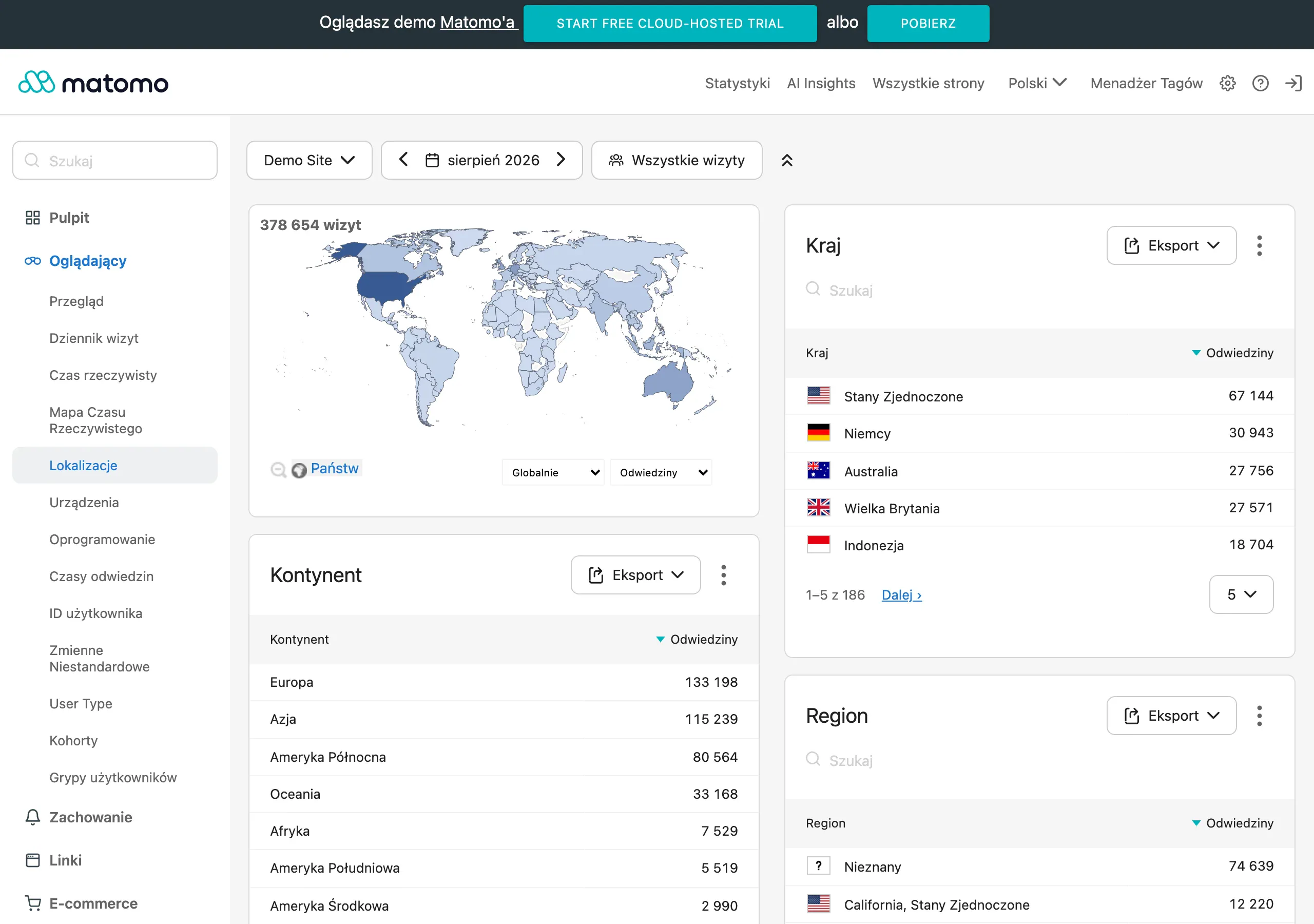
The most important metrics depend on the campaign objective. In remarketing, the most common analyses are cost per conversion, conversion rate, conversion value and contact frequency. In prospecting, greater weight is given to reach, unique users, session quality after the visit, assisted conversions and whether the campaign is actually adding new audiences to the funnel. If the campaign is meant to build demand, evaluate it more broadly than just by sales “here and now”.
Optimisation is best started by understanding exactly where the results come from. It is worth reviewing placements, audience segments, devices, locations, delivery times and specific creatives. Often the problem does not concern the entire campaign, but just one audience group, a poor mobile app or an ad that generates clicks but does not translate into engagement on the site.
The most practical optimisation actions are excluding weak delivery locations, organising audiences and replacing creatives. If a lot of low-quality traffic appears, it is worth limiting apps, excluding unsuitable content categories or narrowing geolocation. Regular checks of placements and exclusions have a direct impact on traffic quality and brand safety. When ads have a high frequency and their effectiveness drops, you need to refresh the visuals, headlines or the message itself.
In campaigns based on automated bidding strategies, data quality directly affects optimisation quality. The algorithm learns from conversions, so incorrectly recorded events, duplicated goals or too little data end up with poor bidding decisions. Do not change too many settings at once, because then it is hard to determine what actually improved or worsened the result. It is wiser to introduce changes in stages and give the campaign time to gather comparable data.
It is also worth analysing what happens after the click. If the bounce rate is high, time on site short and there are no conversions, the source of the problem is often not the campaign itself, but a mismatched landing page, too slow loading or an inconsistent message. In GDN, an ad can attract attention, but it is the site that closes the user’s intent.
When results are weak, it helps to stick to a fixed order of checks: measurement, audiences, placements, creatives, landing page and bidding strategy. This sequence makes it quicker to get to the root cause, instead of reacting only to the symptoms. That is why effective display campaigns are won not by one “trick”, but by consistent analysis and adjustments implemented on the basis of data.
FAQ
Frequently asked questions
How does Google Display Network work in practice when serving ads?
The system matches an ad to a specific auction based on the campaign goal, audience signals and predicted performance. The result also depends on the bid, audience match, creative quality and previous performance data.
Is Google Display Network better for building reach or for sales?
It is most often used to build awareness, increase the number of touchpoints with the brand and for remarketing. It can also support sales, but it usually works best as support for other activities rather than as a fully standalone channel.
Why is it not worth assessing display campaign results based only on clicks?
Because the number of clicks alone says very little about traffic quality or whether the campaign delivers a business result. More important are conversions, user behaviour after landing on the site and the quality of placements.
When is it worth using Google Display Network instead of search ads alone?
When you want to reach users before they actively start looking for a solution or remind them of you after an earlier interaction with the brand. It is particularly useful when the purchase decision requires several visits and several touchpoints.
What needs to be set up before launching a campaign in Google Display Network?
First, you need to define the campaign goal and implement conversion tracking correctly. Only then do you choose audiences, creatives, locations, languages, devices, schedule and budget.
Should remarketing in Google Display Network be combined with prospecting?
It is better not to mix them, because they are two different user types and different intent levels. Separate campaigns make it easier to control budget, tailor the message and assess effectiveness.