

A brand knowledge base for AI is a structured collection of facts, rules and answers that models, the team and website content can draw on. Its purpose is not simply to store documents, but to provide correct information quickly in a repeatable form. A well-prepared knowledge base becomes a single source of truth for SEO, support, sales and AI-generated answers. This matters especially when a brand operates across multiple channels and it is easy for the offer, FAQ, processes and communication to drift apart.
The role of a knowledge base in a brand strategy for AI
A knowledge base serves as the central source of truth about the brand, used by both people and AI systems. As a result, the same facts about the product, prices, rules or processes are not rewritten in several places. In practice, this reduces the number of conflicting answers and speeds up content production. This is particularly important when a brand publishes a lot of material or handles many repeated questions in sales and support.
Strategically, such a base organises not only the information, but also the way it is used. If the content team, SEO and customer support work from the same definitions and rules, it is easier to maintain consistent names, descriptions and messaging. This affects the quality of landing pages, FAQs, briefs and AI-generated answers. Without this, the brand starts giving different answers to the same question, which weakens trust and makes communication harder to control.
The greatest value appears when the knowledge base is not a file archive, but an operational tool. It should contain concrete facts about the offer, products, pricing, policies, processes, case studies, FAQs, a glossary and expert data. This scope makes it possible to use it in day-to-day work, rather than only for a one-off tool implementation. The easier it is to find the correct answer there, the greater the chance that the team and AI will actually use it.
Key SEO and AI uses for a knowledge base
A knowledge base is a practical support asset for SEO and AI, because it feeds the most important answer formats about the brand. From one set of structured information, you can create materials that answer user questions and reduce drift between channels. This shortens content preparation time and makes updates easier when the offer, process or company policy changes. As a result, the brand responds faster to the questions that keep coming back.
In practice, such a knowledge base most often supports:
- FAQ on the website and in the help centre,
- briefs for copywriters and experts,
- landing pages for services, products and categories,
- topic clusters around user questions,
- schema where it helps organise the meaning of content,
- support and consistent brand answers in AI search.
For SEO, this means better coverage of intent and questions, and for AI, more predictable answers about the company. If the knowledge base clearly describes facts, exceptions and limitations, it is easier to build answer-first content rather than generic marketing descriptions. This matters because models and search systems make better use of specifics than advertising slogans. From the brand’s perspective, what counts is not the number of documents, but whether the knowledge base helps you quickly build a correct answer, landing page or support material.
Conducting a question audit to optimise the knowledge base
A question audit involves collecting and organising the questions that the brand must answer correctly and consistently. This includes questions from sales, support, SEO activities and users themselves. Such an audit shows what is really missing from the knowledge base, instead of expanding it based on assumptions. In practice, it is the first step towards reducing incorrect answers and inconsistent communication.
First, it is worth identifying frequent topics and those where a mistake is costly. Priority should therefore go to questions about the offer, how the product works, pricing, policies and processes if their lack of clarity causes lost time or incorrect expectations. Do not start with a full catalogue of topics, but with the most frequent and most risky questions. This allows the knowledge base to start working operationally more quickly.
A good audit does not end with a list of questions, but links each question to a specific source of facts. If the team cannot point to where the correct answer comes from, that is usually a sign that the knowledge is scattered or out of date. At this stage, it is also worth identifying duplicates and questions that the company currently answers differently across channels. These are the ones that most often should be prioritised for development first.
How AI works in the context of a knowledge base
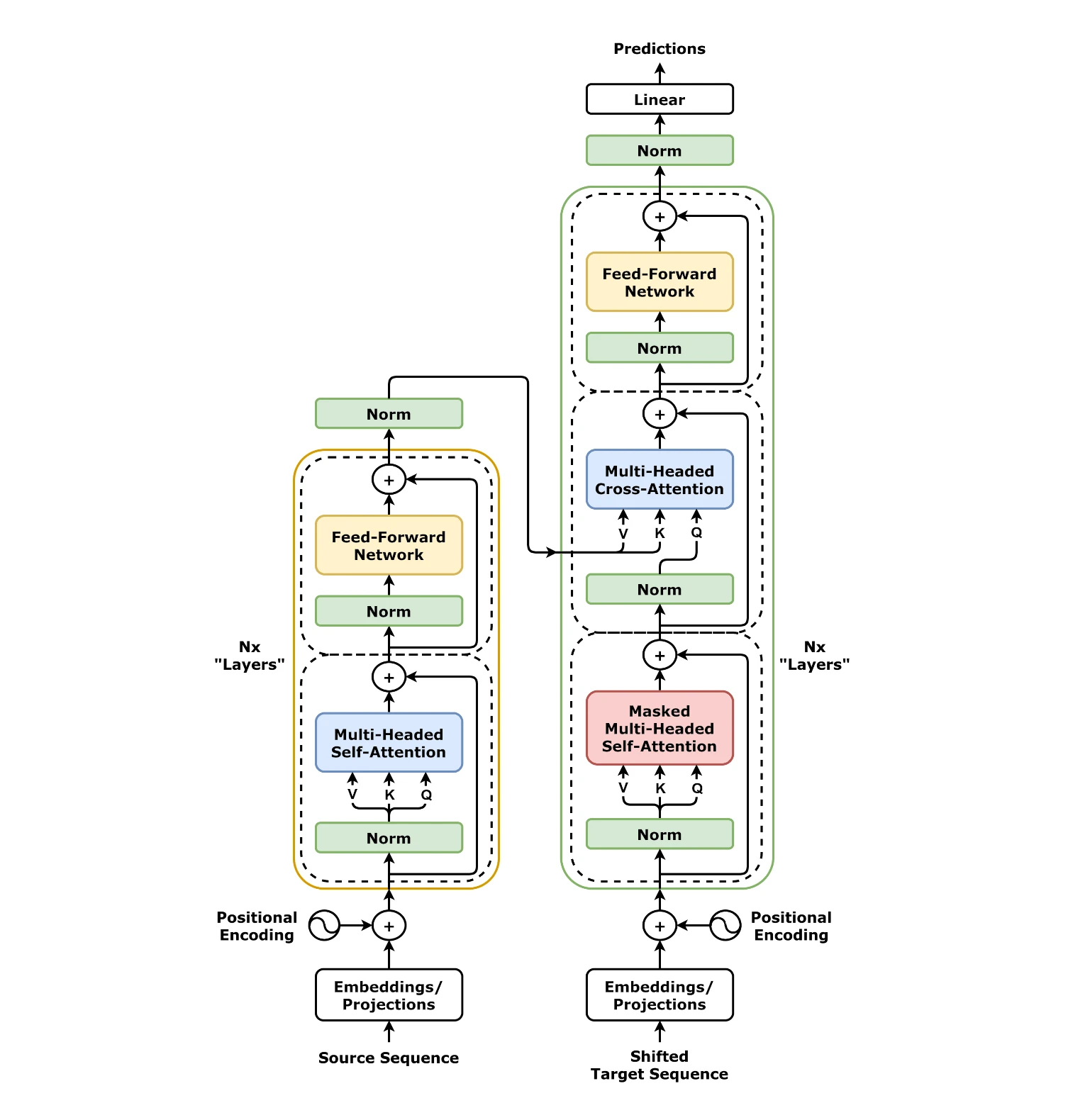
AI works on the basis of fragments of content that it finds and combines into an answer, which is why it performs best with clear, specific information. The model does not “understand the brand” like a human does, but matches the most useful fragments to the question. For this reason, content that includes the fact, context, date and source is what performs best. The fewer assumptions the model has to make, the lower the risk of distorting the answer.
In practice, this means that a knowledge base should be written so that information is easy to find, rather than to look impressive. Short materials on a single topic work better than long documents mixing rules, exceptions and marketing descriptions. It also helps to state clearly what the information refers to, from when it applies and who is responsible for it. This makes it easier to distinguish a current fact from an old version or a general statement.
This mechanism also rewards consistent entity names and a predictable content structure. If you use one product name at first and later several variants, the model has a less certain reference point. The same happens when dates, sources and limits are missing: the answer may sound correct, but it will be based on an incomplete fragment. That is why an AI knowledge base must be edited so that an individual fragment can be used safely outside its original context.
Creating effective knowledge units and their structure
An effective knowledge unit is a separate document describing one topic in a short, unambiguous and complete way. This structure makes it easier for AI to find the right fragment without guessing what the author meant. In practice, one document should answer one business question or one decision area. If you combine several topics at once, the risk of incomplete or contradictory answers increases.
The best-performing format is one where the answer appears immediately, followed by clarification. This means the same material can be used in FAQ, briefs, support and on a landing page. One knowledge unit should provide a correct answer even when lifted out of its broader context. This matters because models often work with individual fragments.
The easiest way to build a good knowledge unit is from repeatable elements:
- a short definition of the topic,
- the most important rule or answer,
- steps to follow if the topic concerns a process,
- exceptions and limitations,
- a concrete usage example or edge case.
This structure reduces the gaps that the model would otherwise have to fill in itself. It matters greatly for questions about offers, pricing, policies and processes. If exceptions are hidden in another file, AI can easily produce an answer that is only partially correct. From a brand perspective, this is a common cause of misunderstandings.
Metadata describing each unit is equally important. The minimum is a title, main entities, owner, version, date, language, country, product, status and source of information. This makes it clear whether the document is up to date, what it refers to and who is responsible for corrections. Without metadata, even good content quickly loses operational usefulness.
In practice, it is not worth starting with large imports of chaotic material. It is better to rewrite the most important sources into short, edited units than to dump in large PDFs with a mix of facts and marketing copy. Titles should match real questions, and product and service names must be consistent across the entire knowledge base. It is precisely this editing that determines whether the base will be a tool or just a file store.
Security of sensitive data in the knowledge base
Security of sensitive data in the knowledge base is about clearly separating public content from confidential content and controlling who can see each type of information. An AI knowledge base cannot be a jumble of everything the company has in its documents. If you mix marketing knowledge with sensitive data, the risk of error rises already at the stage of feeding the system. This applies both to human work and to the use of AI tools.
Personal data, contracts, rates, unapproved drafts and materials without a clear status should not go into the confidential zone. Such content requires separate access rules and separate oversight. First decide what can be used publicly, and only then build your AI and content base from it. This is simpler than later cleaning risky data from multiple places.
In practice, it is worth dividing resources into two layers: a public base and a private base for selected teams. The public one should contain only information that the brand accepts in communication on the website, in support and in AI responses. The private one can support operations, but it requires more restrictive permissions and version control. This split also affects the decision about what to publish online and what to keep strictly internal.
Security does not end with access to files alone. Each area should have an owner, a review date and a rule for retiring old versions, because outdated information is also a risk. Documents without dates, with unclear sources or with several contradictory versions are especially problematic. In such an environment, it is easy to produce an answer that sounds credible but is based on the wrong material.
A common mistake is assuming that simply uploading files into a tool will solve the security issue. It will not if the files contain data that cannot be used without control. You need to clean the sources first, assign a status to the content and establish update rules. Only then can the knowledge base support the brand without unnecessary risk.
Measuring the effectiveness and accuracy of the knowledge base
The effectiveness and accuracy of the knowledge base are measured by coverage of key questions, content freshness, answer accuracy and the speed of finding a fact. Such measurement shows whether the base really helps AI and the team, or whether it is only growing in volume. The number of documents alone says little if there is no answer to the most important questions. In practice, operational usefulness matters, not the size of the repository.
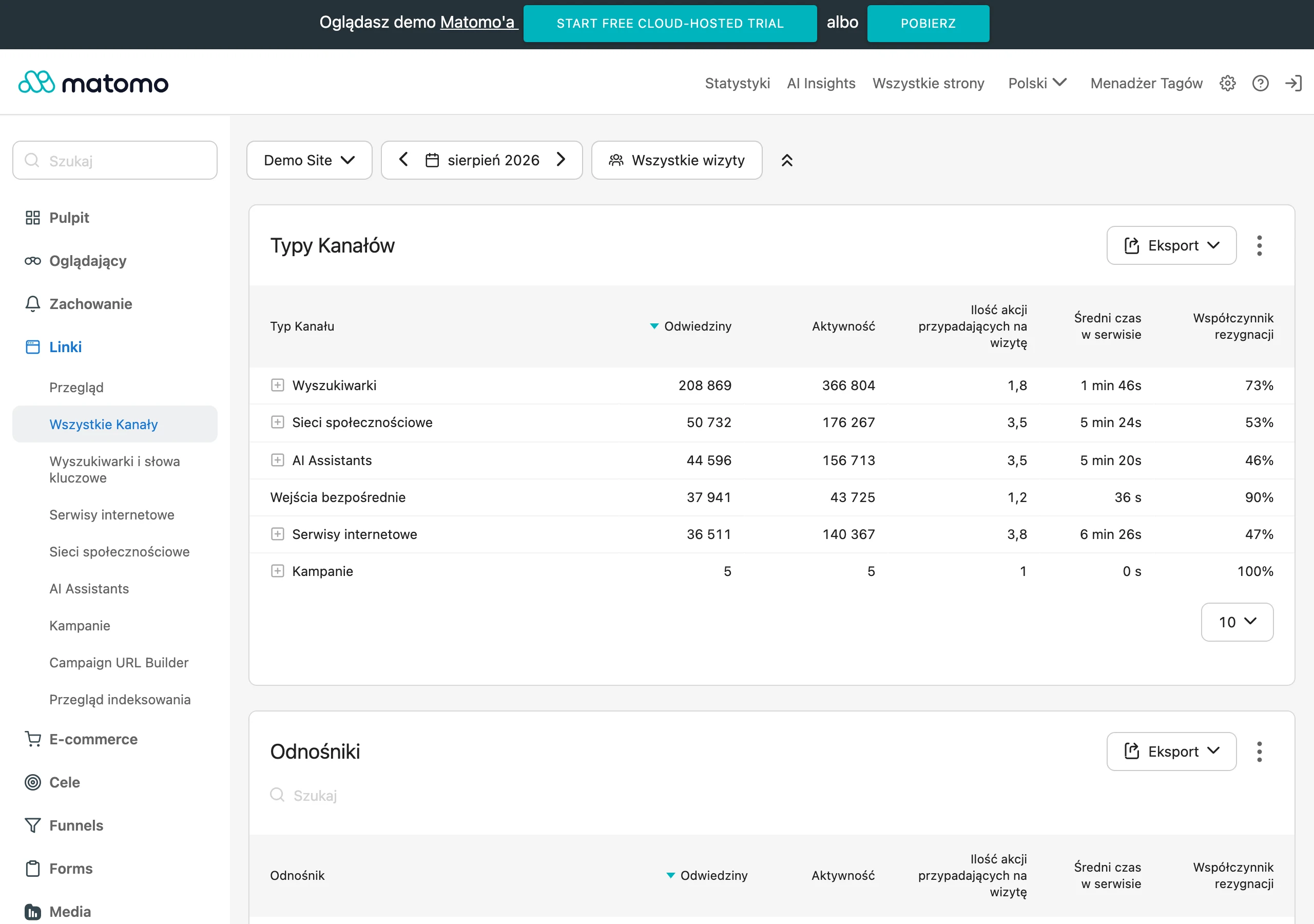
The best approach is to start with a few metrics that can be checked regularly:
- coverage of the highest-priority questions,
- content freshness by date and version,
- answer accuracy against the source,
- time needed to find a specific fact,
- use of the base in content, FAQ and team work.
These metrics are practical because they show both content gaps and knowledge-organisation problems. If an answer is correct but hard to find, the base still performs poorly. If a document is easy to access but out of date, the risk of a wrong answer remains high. That is why measurement should cover both content quality and its accessibility.
A fixed set of test questions gives a comparable picture of the quality of the knowledge base over time. Such a set is worth building from frequent questions, questions that are costly when answered incorrectly, and questions representing different areas of the brand. You then check whether the answer is complete, consistent with the source, up to date and based on the correct passage. This makes it possible to quickly detect whether a new version of the knowledge base improved the result or introduced chaos.
Metadata makes measurement much easier, because you can immediately see the owner, date, status and scope of the document. This makes it possible to check which areas are out of date, which have no owner and where gaps appear most often. Without such labels, it is difficult to distinguish a content problem from a management problem. As a result, fixes are slower and less accurate.
A common mistake is to assess the knowledge base solely by the fact that it has been loaded into an AI tool. That tells you nothing about the correctness of the answers or the quality of the sources. Large PDFs without dates, conflicting document versions and marketing language instead of clear facts are equally misleading. Good measurement exposes these weaknesses quickly, because it shows where the model answers imprecisely and what causes that error.
FAQ
Frequently asked questions
How should you prepare a brand knowledge base for AI so it is genuinely useful?
It is best to build it from short, unambiguous units of knowledge covering one topic. It should contain facts, rules, exceptions, the source and metadata so it can be used quickly in content and AI answers.
Should an AI knowledge base be only an archive of documents?
No, its purpose is to deliver accurate information quickly in a repeatable format. It works well when it is an operational tool rather than a file store.
Why is a brand knowledge base important for SEO and support?
Because it allows FAQs, pages, briefs and support responses to be based on the same facts. This means the brand is less likely to answer the same question differently and it is easier to maintain consistent communication.
What questions are worth including in a knowledge base audit?
First the most common and most risky ones, especially about the offer, pricing, product operating rules, policies and processes. It is also important to include questions the company currently answers differently across channels.
How does AI use a brand knowledge base?
AI looks for fragments of content and pieces together an answer, so it works best with clear, specific information. The fewer assumptions the model has to make, the lower the risk of distorting the answer.
How can you measure whether an AI knowledge base is working well?
You need to check coverage of key questions, content freshness, answer accuracy and how quickly a fact can be found. The number of documents alone is not enough if correct and easily accessible information is missing.