

SEO texts are not articles “packed with phrases”, but content designed to answer a specific user query accurately. Their effectiveness is based on a combination of three elements: search intent, substantive quality and proper on-page optimisation. The mere fact that a text is long does not determine the outcome if it does not answer what the audience is actually looking for in Google. First, you need to understand why someone enters a given query and which answers are already winning in the results. Only then does it make sense to plan the structure, write and optimise. This approach increases the chances that the content will genuinely join the competition for high positions.
What SEO texts are and how they work in practice
SEO texts are materials prepared for a specific topic and search intent so that they are useful to the reader and at the same time clear to the search engine. The point is not to mechanically multiply keywords, but to provide a reliable and relevant explanation of the subject. Such a text should answer the user’s main question, add the necessary context and organise the information in a clear format.
Work on an SEO text usually starts with analysing the keyword and the search results. It is worth establishing whether the user is looking for a guide, a definition, a comparison, a ranking, a service page or perhaps a local answer. It is the layout of the results in Google that shows the real intent better than the keyword itself.
The next step is to prepare a brief, that is, a plan for the text. It should cover the main topic, supporting questions, the scope of the answer, the heading structure and the places where it is worth adding examples, definitions or internal links. This means the material is not created “by feel”, but according to a coherent framework matched to the query.
The writing stage is about providing a concrete answer to the main question as quickly as possible, and then expanding it in separate sections. Each of them should fulfil one micro-intent, for example explaining a concept, comparing solutions or indicating conditions and exceptions. A well-performing SEO text leads the reader from the basics to a decision instead of flooding them with random information.
At the end comes the time for on-page optimisation and post-publication checks. This includes refining the title, headings, meta data, URL, internal linking and the readability of the content. Then it is worth monitoring search data, because an effective SEO text is usually created not in one version, but in several iterations.
What elements influence the effectiveness of SEO texts
The effectiveness of SEO texts is determined above all by: alignment with search intent, completeness of the answer, quality of the work and the way the content is presented. Even a well-written piece usually will not achieve good results if it misses the type of query. Google evaluates it not in isolation, but against what users expect from a given phrase.
The first key element is SERP analysis. It is worth checking what types of pages dominate the TOP results, how extensively they develop the topic and which sections repeat most often. This makes it easier to establish the minimum quality threshold and at the same time spot information gaps that can become an advantage.
The second element is substance and credibility. The content should be specific, up to date and consistent with the theme of the whole site. When a text is based on generalities, contains inaccuracies or relies on outdated data, it quickly loses value, even if its SEO structure is correct.
The structure of the text is also very important. A clear H1, logical subheadings, short paragraphs and smooth transitions between sections make both quick scanning and interpretation by crawlers easier. The main phrase and related terms should appear naturally, without the impression of being artificially crammed in.
Effectiveness also increases when the text goes beyond answering a single question. In practice, it is a good idea to include definitions, examples, comparisons, boundary conditions, common mistakes and follow-up questions visible in search results. This allows the article to close the topic more fully and reduces the risk that the user will return to Google for another answer.
It is also not worth overlooking technical elements and the site’s internal context. Indexability, a sensible URL, correct meta data and links to related subpages help the search engine better understand the role of the text across the whole site. Even a good article, if it is not properly embedded in the site structure, often does not use its full potential.
The last important factor is later updates based on data. It is worth tracking clicks, positions, queries and sections that are not delivering the expected results. Sometimes the decisive factor is not writing the material from scratch, but refining the lead, filling in a missing thread or better internal linking.
How to analyse user intent and SERP results
Analysis of user intent and SERP results comes down to checking what form of answer Google “expects” for a given phrase and what the user is actually looking for. This cannot be assessed reliably from the keyword alone, because the same query may look informational, but in practice return rankings, service pages or categories. That is why the starting point is simple: you enter the phrase into Google and analyse which types of pages dominate the TOP10. It is the quickest way not to prepare the text in an unsuitable format.
First, determine whether the user wants to learn something, compare options, solve a problem, or is already close to a decision. If tutorials dominate the results, you create a tutorial. When rankings are won by listicles, a definition alone or a general article usually will not be enough. It is not worth judging intent by instinct; instead, base it on what is already working in the results.
Next, look at the structure of competitors’ content. Check which headings they use, how quickly they move on to answering the main question, and whether they use examples, step-by-step lists, comparisons, FAQ sections or a section on common mistakes. The point is not to reproduce their layout, but to identify the elements that are simply standard in this topic. If most materials answer five basic questions and you omit two, the impression may be that the text is left unfinished.
It is also worth checking what is missing from the results. Sometimes all the articles look similar, but none explains the edge cases, shows a concrete case, or guides the user through the decision step by step. These gaps are usually where the room for an advantage lies. The best SEO text does not have to be the longest, but it must close the topic better than the competition.
When analysing the SERP, do not limit yourself to classic organic results. Look at the “related questions” section, featured snippet, local results, images, video and autosuggest prompts. These are practical signals of which additional questions and formats Google considers closely related to the topic. This makes it easier to prepare an outline that covers not only the main keyword, but also the user’s micro-intents.
Finally, turn the findings into a brief. Write down the main intent, the content type, the mandatory sections, the list of questions to cover, the expected level of detail and the elements that improve usefulness. Such a brief organises the work and limits writing “by feel”. Without it, it is easy to create a text that is linguistically correct but weak from an SEO perspective, because it misses what the specific query requires.
How to optimise the content and structure of SEO text
Content optimisation and the structure of SEO text involve arranging information so that the material is both readable for the user and clear for the search engine. The key answer should appear quickly, ideally right at the start of the section or article. Users usually do not want to wade through a long introduction to get to the point. The faster a text starts solving the problem, the greater the chance it will be received well.
A good structure starts with a sensible breakdown into headings. H1 should clearly name the topic, while subheadings organise the following questions and sub-problems. Each section should fulfil one specific micro-intent: explain a concept, compare options, lead through steps, warn about an error or clarify exceptions. This layout improves scannability and helps robots understand exactly what the text is about.
Merely including the keyword does not give you an advantage if the text sounds artificial or is too thin on substance. The main keyword is worth placing in the title, H1, naturally near the start of the copy and in selected subheadings, but without forcing it in. Far more important is discussing the topic in the language actually used to describe it: synonyms, supporting questions, examples, definitions and related concepts. Google understands a text that covers the topic thoroughly better than a text that only repeats one keyword.
In practice, well-optimised content should contain not only the answer, but also the context needed to make a decision. When the topic calls for it, add conditions, exceptions, comparisons, the most common mistakes, short instructions or FAQ. This increases usefulness and reduces the risk that the user will return to the results because they did not get the full picture. This is particularly important for competitive keywords, where many materials look almost identical.
When optimising, it is worth reviewing a few technical and editorial elements:
- whether the title precisely answers the topic and encourages clicks without overdoing it,
- whether the meta description supports the topic and does not promise something the text does not deliver,
- whether the URL is short and understandable,
- whether the headings lead the user from basics to detail,
- whether the paragraphs are short and the language simple and specific,
- whether the text contains internal links to supporting content and business-critical pages.
Internal linking matters more than is often assumed. If you publish an article on a narrower subject, it should point to broader content, related guides or service pages, provided they have a logical connection to the topic. This makes it easier to move around the site and strengthens the coherence of the whole website. At the same time, the link anchor should clearly communicate where it leads, instead of being a random “click here”.
After publication, the work on optimisation does not end. It is worth checking whether the text has been indexed correctly, whether it is getting impressions for the right queries and where users are dropping off. If an article has lots of impressions but a low CTR, the problem is often the title or meta description. If it has traffic but is stuck in place, you usually need to add missing sections, improve the lead, strengthen linking or update the data.
An SEO text wins when it combines a relevant answer, a good structure and regular refinement based on data. That is why effective content does not end with “writing the article”. First, it has to be sensibly planned, then properly published, and finally developed on the basis of real user behaviour and signals from the search engine.
How to create an SEO brief and what the key stages of writing are
An SEO brief is created after analysing the keyword and SERP, and before writing begins, so that the text has a clearly defined goal, the right format and a sensibly chosen scope. It is a working document that organises the topic and limits random decisions made along the way. Thanks to it, you know who you are addressing, which questions you are answering and what does not need to be expanded. A well-prepared brief shortens writing time and reduces the risk of creating content that is linguistically correct but does not meet the user’s needs.
In practice, a brief does not have to be extensive, but it should cover everything that genuinely affects the quality of the final piece. The key elements are: the main topic, intent, a heading plan and a list of issues that need to be properly explained. When these elements are missing, the author usually writes too broadly, too vaguely or reproduces what is already visible in the search results.
- main keyword and the most important language variants,
- the type of audience and their level of knowledge,
- the goal of the text: information, comparison, problem-solving, conversion support,
- proposed H1-H3 structure,
- user questions and mandatory sections,
- data, examples, definitions and caveats to include,
- internal linking suggestions and any CTA.
Once the brief is ready, the actual writing begins and order matters here. The introduction should quickly answer the main question, and only then develop the topic in logically arranged sections. Each subsequent part should fulfil a separate micro-intent: explain a concept, set out conditions, compare options or protect against a typical mistake. If the user has to wait too long for the point, the text often loses already at the engagement stage.
While writing, it is worth making sure the sections do not overlap in meaning. Instead of circling around the same point in different words, it is better to add elements that increase usefulness: an example, an exception, an edge case, a simple instruction or a short comparison. It is often precisely these details that distinguish an average text from material that genuinely closes the topic.
The final stage is on-page refinement and post-publication control. It is worth checking whether the title and headings are precise, whether the main keyword appears naturally, whether the URL is consistent, and whether the text has sensibly handled internal links. Publication does not end the work, because only after the text is indexed can you see which sections need to be added, shortened or named more accurately.
How to avoid common mistakes when creating SEO content
The easiest way to avoid common mistakes in SEO content is when the material is created for intent and usefulness, not solely for a keyword. Most often, the problem is that the author focuses on the keyword but does not give a good answer to the user’s question. As a result, content is created that is seemingly optimised, but does not give the reader a clear conclusion or a reason to stay on the page.
A very common mistake is also blindly copying the structure of competitors’ content without bringing your own value. When most articles have similar sections, simply rearranging them changes nothing. The topic needs to be covered more precisely than others: add practical context, describe conditions, point out exceptions or resolve doubts that rivals leave unanswered. Matching the SERP pattern alone is not enough if the text brings nothing new or does not explain the topic more precisely.
The second common mistake is artificially stuffing content with keywords. Too many repetitions spoil the wording, reduce readability and usually do not translate into a better ranking. It is better to stick to natural language, use synonyms and terms related to the subject, rather than forcing the same phrase into every paragraph. The reader should understand the text effortlessly, and the crawler should see a full treatment of the topic, not the mechanical stuffing of words.
Empty introductions, generalities and long-winded paragraphs can also be a problem. The user lands on the page for a specific piece of information, so the text should quickly move to the answer and guide them step by step. If every paragraph can be removed without harming the meaning, that is a sign that the content is too weak or excessively diluted.
A separate category consists of materials created with the help of tools, but without editing and verification. Such texts often have repetitions, vague phrasing, excessive simplifications or information inconsistent with the rest of the site. Before publishing, it is therefore worth checking the facts, matching the level of expertise to the audience and removing sentences that sound correct but in practice explain nothing.
Many pieces of content also lose out because they are not updated and are poorly connected to the rest of the site. Even a good article eventually stops answering current questions if it is not developed on the basis of search engine data. More often than not, it is not the content that was written well once that wins, but the content that is regularly improved, internally linked and adapted to real user queries.
Why it is worth monitoring and updating published SEO texts
It is worth monitoring and updating published SEO texts because their effectiveness changes along with search results, competition and user behaviour. An article that matches intent well today may in a few months turn out to be too superficial, outdated or less well aligned with what Google shows in the TOP10. Publication alone does not mean the work on the content is finished. In practice, the best results often come not from writing more new texts, but from improving those that already have visibility and potential.
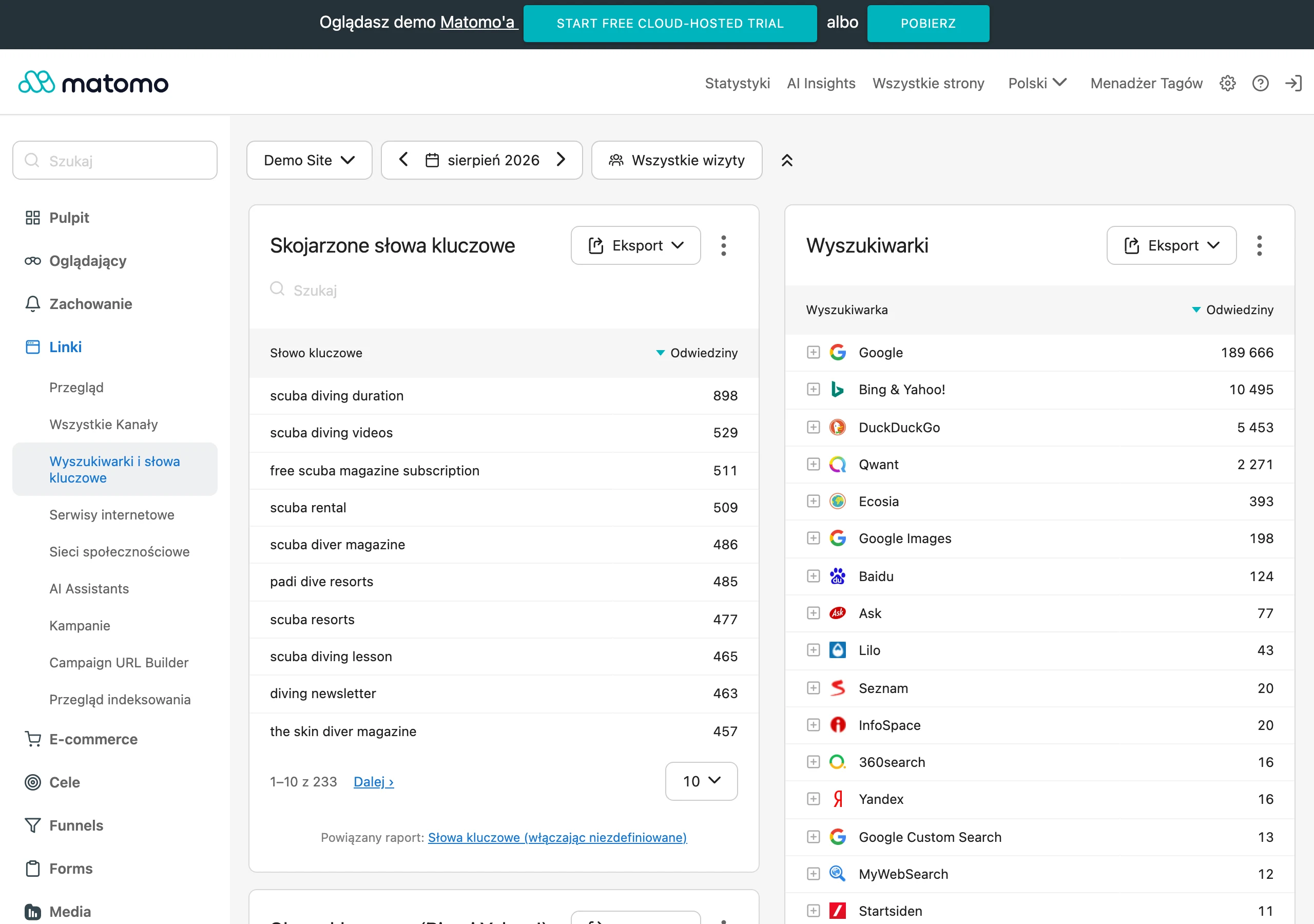
Monitoring makes it possible to assess whether the text is actually generating traffic and whether it answers the queries it was prepared for. The most valuable data comes from Google Search Console: impressions, clicks, CTR, average position and a set of real keywords for which the page appears. When an article generates a lot of impressions but few clicks, the cause may be the title, meta description or a mismatch with search intent. If the clicks are there but engagement remains low, the source of the problem often needs to be sought in the lead, the content structure or the quality of the answer.
- drops in rankings over time despite no changes on the site,
- an increase in impressions without an increase in clicks,
- the appearance of new queries that the text does not yet cover well,
- sections that are too general, outdated or do not answer users’ specific questions,
- lack of internal linking to newer or more important subpages.
Updating should not be reduced to a cosmetic swap of a few sentences, but rather to removing a specific weakness of the piece. Sometimes you need to add a missing section, at other times shorten an overlong introduction, and sometimes reorganise headings so the content can be scanned more quickly. If the user expects a quick answer, refining the first paragraphs and the title may bring a greater effect than adding another 2,000 characters.
It is also worth updating when facts, definitions, prices, regulations, tools or best practices in a given area change. Outdated content undermines credibility and can weaken the whole site, especially when the topic concerns business, financial or technical decisions. Regular updates strengthen the quality signal: they show that the content is maintained, refined and still useful.
The frequency of monitoring depends on the type of topic and the site’s potential. Evergreen content can be checked every few months, while articles in highly competitive areas or on fast-changing topics are better analysed more often. The simplest and most effective model looks like this: publication, data observation, adjustment, reassessment of the effect. Without such a cycle it is difficult to distinguish a text that is genuinely underperforming from one that simply needs better alignment with the current SERP.
FAQ
Frequently asked questions
How do you write SEO texts so they have a chance of ranking highly in Google?
First, you need to understand search intent and check which content is already winning in the results. Only then is it worth planning the structure, writing a specific answer and refining the on-page optimisation.
Does a long SEO text on its own deliver better results?
No, length alone does not determine a position in Google. The text must above all accurately answer what the user is really looking for.
How do you check user intent before writing an SEO article?
Enter the keyword in Google and see which types of pages dominate in the TOP10. That will show whether a guide, ranking, definition, comparison or service page will work better.
What should a good SEO brief contain?
The brief should define the main topic, intent, heading plan and the required questions and sections. It is also worth including the main keyword, target audience, examples, definitions and internal linking.
How do you optimise the structure of an SEO text so it is readable for both people and the search engine?
The key answer should appear quickly, and the rest of the text should be split into logical sections and short paragraphs. Each heading should fulfil one micro-intent, for example explain a concept, set out conditions or point out an error.
Why is internal linking important in SEO texts?
It helps the search engine better understand the role of the text across the entire site and makes it easier for the user to move to related content. The link anchor should clearly say where it leads, rather than being random.