
The service page needs rewriting when it regularly attracts people looking mainly for the lowest price rather than the best fit. This is not just a sales problem, but also one of messaging, content structure and the way the user is guided to contact you. A good service page does not maximise the number of enquiries, but increases the proportion of conversations with the right clients. If most forms start with a question about cost, the page is probably positioning the service as an easily comparable commodity.
How do you identify and solve the problem of attracting the wrong leads?
You can recognise the problem of the wrong leads by the fact that there are plenty of enquiries, but few of them fit the scope, budget and way of working. Typical signals are questions purely about price, a lack of business context and contact from people without decision-making authority. If the salesperson is constantly explaining the basics of the offer and defending the rates, the page is attracting the wrong type of client.
To confirm this, review the data from GSC, CRM, forms and notes from sales calls. Look for patterns: which entry phrases appear most often, which subpages generate weak enquiries and which questions recur in the form. Supplement this with an analysis of search results for key phrases, because the SERP will show whether the user is looking for price, comparison or a solution to a problem.
The solution is to change the page’s goal from capturing every lead to filtering for people who are genuinely a fit. First define the ideal client by industry, scale, problem and maturity, then describe the anti-persona you do not want to serve. Only on that basis should you rewrite the headings, service description and form, even if the number of enquiries eventually drops.
Mechanisms that attract price-driven leads and their impact on a service page
Price-driven leads appear when the page speaks generic language and takes the user straight to a request for a quote. Phrases such as “comprehensive”, “professional” and “bespoke” do not differentiate anything, so the audience mainly compares rates. When there is no clear working method, no success criteria and no service limitations, the offer becomes a commodity.
This mechanism is reinforced by CTAs focused solely on price and promises without evidence. The “Request a quote” button suggests that the most important question is “how much does it cost”, not “is this right for me”. Hiding the price without explaining the cost factors works in a similar way, because the user still returns to the simplest comparison.
The impact on a service page is simple: the number of poor-quality contacts increases, the quality of conversations drops and pressure to cut prices grows. In practice, sales waste time on leads without a budget or a real need, while valuable clients see no reason to pay more. That is why the page content must show the outcome, the way of working and the terms of cooperation before the user moves on to contact.
How do you effectively acquire high-quality leads?
High-quality leads are acquired when the page first shows fit and only then encourages contact. The user should quickly see who the service is for, what problem it solves and what model the collaboration works in. This structure limits random enquiries from people looking only for the lowest rate. The aim of the page is not a larger number of forms, but a larger proportion of conversations with clients you can genuinely help.
In practice, this means a message built around the outcome and the method, rather than vague promises. Instead of saying you work “comprehensively”, show in which situations the service makes sense and what the client can expect from the process. If the scope, limitations and success criteria are clear, the audience compares the offer through the lens of value. This reduces the pressure for a simple price contest.
The call to action also plays a major role. CTAs such as “Assess project fit” or “Book a consultation” set a different conversation from the “Request a quote” button. The form should ask about the objective, project context and decision-making role. This filters leads at the entry stage, rather than only after the first contact.
The role of enquiry and market analysis in defining the ideal client
Analysis of enquiries and the market is the foundation of defining the Ideal Client, because it shows who actually reaches the page and with what intent. Without this data, it is easy to describe the client in wishful terms and then write content for too broad an audience. Reviewing phrases from GSC, forms, CRM and sales conversations reveals which entries end in poor conversations. This allows you to distinguish valuable traffic from traffic that only increases the sales burden.
Equally important is analysis of search results for key topics. If the SERP mainly shows price comparisons and rankings, the intent may be too transactional for a service that requires fit. If guides, case studies and process descriptions dominate, the user is probably looking for a solution to a problem. This difference affects the choice of words, headings and subpages worth developing.
On that basis, you define the ICP specifically rather than generally. Specify the industry, company size, type of problem, level of maturity and whether there is a decision-maker on the client side. At the same time, describe the anti-persona, that is, the companies and situations in which cooperation usually does not make sense. The more precisely you define who the service is for and who it is not for, the easier it is to rewrite the page so that it attracts the right enquiries.
Creating a unique value proposition and a filtering content structure
You create a unique value proposition by clearly combining the outcome, the working method and the type of client for whom the service makes sense. A good USP is not broad; it says who you help, with what problem and in what operating model. This filters out some traffic, but improves the quality of conversations, because the audience sees the difference between an expert service and a simple quote. If, after reading the first screen, everyone feels the offer is for them, the message is too generic.
The structure of filtering content should qualify the reader even before the form. The most common layout works like this: who the service is for, what the process looks like, what you do not do, what affects the price, and how you will know success. This sequence organises the decision, because the user first assesses fit, then scope, and only at the end cost.
In this structure, evidence must appear, not just declarations. Instead of superlatives, show a case study, a testimonial with a name or company, a certificate, or a description of the methodology. The price section should explain what the cost depends on, rather than pretending the topic does not exist. You can use price ranges or an entry threshold if the client understands what affects the scope and time required.
The CTA should close the qualification, not reduce the conversation to a rate. An invitation to a consultation or a project fit assessment works better than asking for a quote alone. A form that asks about the goal, budget, and decision-making role saves both sides time. Logical linking to pages on the method, case studies, and pricing also helps, because the user fills in the necessary context themselves.
What mistakes should you avoid when optimising a service page?
When optimising a service page, you need to avoid mistakes that expand traffic at the expense of fit. The most common mistakes may look harmless, but each one lowers lead quality or makes sales harder. The most problematic are usually these elements:
- hiding the price without explaining what the cost depends on,
- a “for everyone” message without specifying the industry, problem, and scale,
- a form without questions about the goal, budget, and decision-making role,
- promises without evidence and without showing the way of working,
- expert jargon without explaining its practical meaning.
A separate mistake is judging changes solely by the number of leads. After rewriting the page, there may be fewer form submissions, but if the share of well-matched conversations and the value of projects grows, the direction is right. It is worth measuring not only form completions, but also the share of qualified leads, conversion to customer, and form abandonment. A smaller number of enquiries can be a good result if sales stops dealing with random contacts.
Another mistake is improving the headings alone without changing the information architecture. If the service page does not lead to a description of the method, evidence, and information about pricing factors, the user returns to a simple comparison of offers. The same applies to on-page SEO focused only on generic keywords, because such traffic more often asks about price than fit. Optimisation works best when the content, CTA, form, and page structure communicate one criterion: does this project really fit your collaboration.
Measuring lead quality and the business trade-off when making changes on the site
Lead quality is measured by fit to the Ideal Customer and the sales outcome, not by the number of forms alone. After changes on the site, check how many enquiries pass sales qualification, not just how many come in. If there are fewer forms, but a larger share concerns the right scope, budget, and decision-making authority, the site is working better.
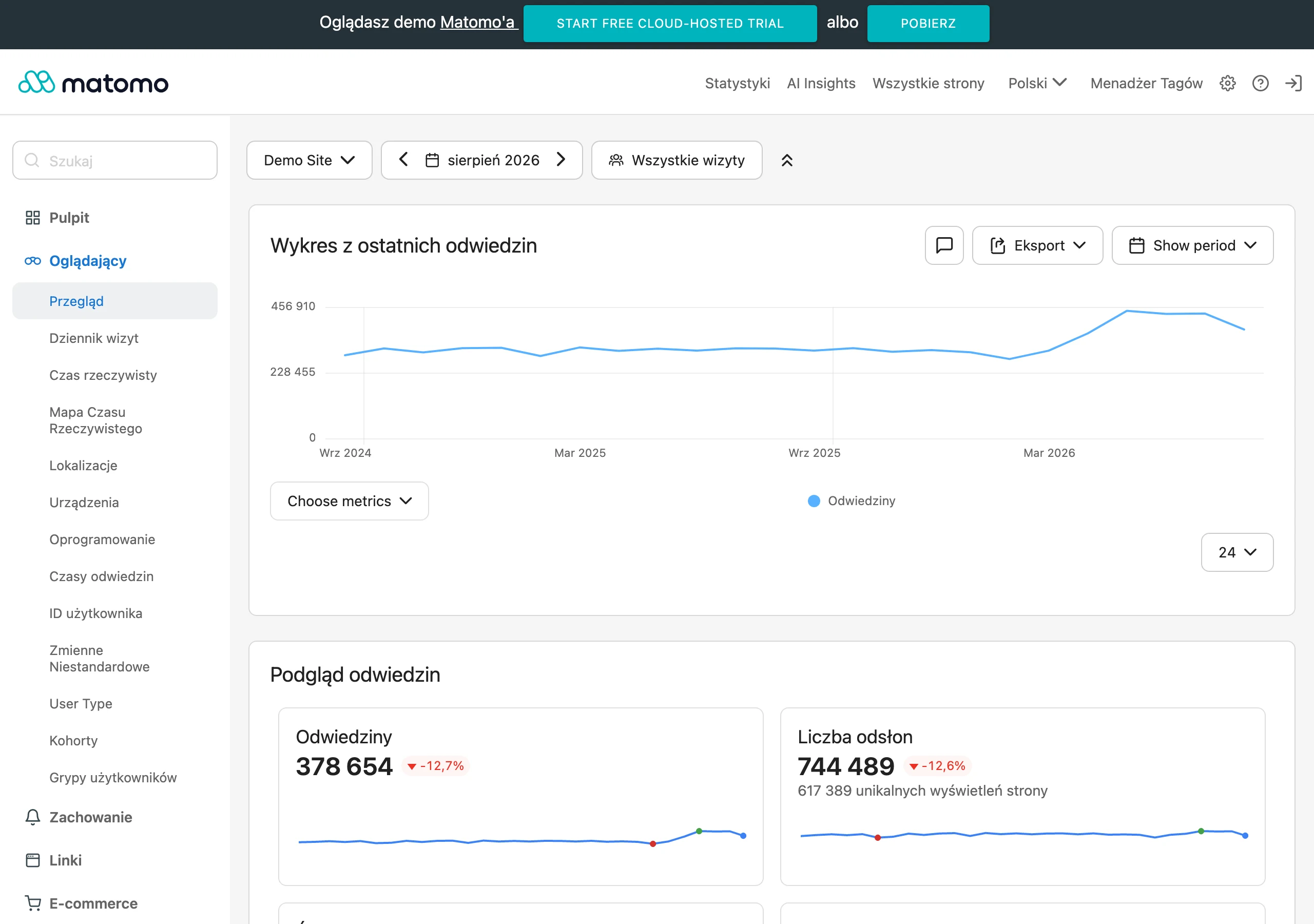
In practice, it is worth monitoring several metrics at once, because a single figure can easily give a misleading picture.
- the share of leads qualified as SQL,
- SQL-to-customer conversion,
- average contract value,
- form abandonment rate.
These data need to be compared before and after the changes within the same lead-scoring model. If salespeople qualify contacts differently than before, the result will be misleading. It is also worth checking which subpages and CTAs generate the best conversations, because not every section supports sales equally.
The business trade-off involves consciously accepting less traffic or fewer enquiries in exchange for better customer fit. This usually eases the burden on sales, shortens the number of unproductive conversations, and improves project margins. The worst reaction is to roll back the changes just because the number of forms has dropped. If SQL, contract value, and the share of worthwhile conversations are rising, a smaller volume is an acceptable cost.
FAQ
Frequently asked questions
How do you tell that a service page is attracting the wrong leads?
The sign is a large number of enquiries, but only a few fit the scope, budget and way of working. Questions about price alone often recur, there is a lack of business context, and people without decision-making responsibility get in touch.
Why do forms on a website start with a question about cost?
Because the page communicates the service in a generic way and leads the user straight to a quote. When there is no working method, success criteria or service constraints, the offer becomes easy to compare mainly on rate.
Which CTA works better than “Ask for a quote”?
Better calls to action are those that frame the conversation around fit, for example “Assess project fit” or “Book a consultation”. This way, the user first checks whether the service is for them, rather than reducing the contact to price straight away.
What should be in a form so that it filters leads?
The form should ask about the goal, project context and decision-making role. This setup allows you to weed out random contacts from the outset, instead of doing it only after the first sales interaction.
How do you define the ideal client before rewriting a service page?
You need to define the industry, company size, type of problem, level of maturity and whether there is a decision-maker on the client side. At the same time, it is worth describing the anti-persona, i.e. the companies and situations where collaboration usually does not make sense.
When is a lower number of forms on a website a good result?
When the changes increase the share of qualified leads, conversion to client and contract value. In that case, lower volume means better fit and fewer random contacts for sales.