
Google’s performance depends to a very large extent on the introduction and operation of various important algorithms. There are many algorithms that are not used or that are used but not announced by Google. This is done deliberately so that website owners do not change their sites in order to artificially increase traffic. However, some solutions have been known about for some time. Neural Matching can be included in this group.
Neural Matching – what is it?
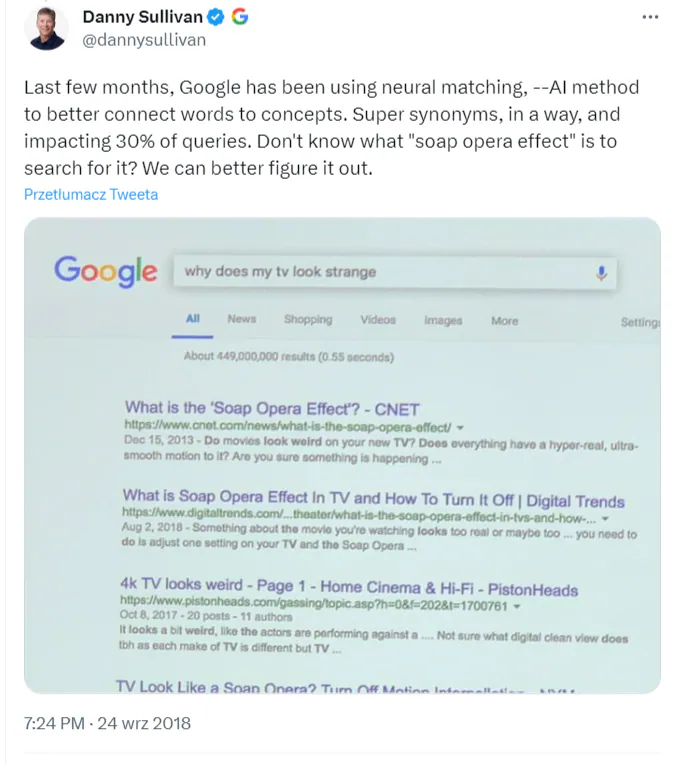
Neural Matching is a component of Google’s search algorithm update. This solution uses artificial intelligence to make search results more diverse. The use of AI technology makes it easier for Google Search to analyse language and interpret the intent behind queries entered into the search engine. This allows Google to match a website to a query solely on the basis of the content of that page
The expected effect of the Neural Matching algorithm is to improve the search engine’s ability to interpret queries by enhancing its recognition of whether people are looking for a term that means the same thing as a keyword on a website. It is estimated that this algorithm will affect around 30% of user queries.
According to a research paper released by Google, the algorithm may use document relevance ranking to determine the best search results while avoiding spam and inappropriate results. In other words, this algorithm can help the search engine discover which results are the best and rank them higher, pushing down sites trying to game the system or those that are not relevant to the query.
- 01Artificial intelligenceLanguage and intent analysis
- 02Query interpretationUnderstanding the meaning of words
- 03Content matchingThe page matches the intent
- 04Broader resultsImpact on 30% of queries
Key: Better understanding of user intent, not just keywords.
How does Neural Matching affect SEO?
The main concept behind Neural Matching is to reward content creators for effectively answering questions asked by users in search and to reduce the role of links and keywords. However, this does not mean that Google has completely abandoned the traditional ranking criteria used by the main algorithm.
It is rather believed that traditional criteria are used first to screen out irrelevant and spammy pages from the results. Then the new algorithm is used to rearrange the ranking of the remaining results.
This means the most useful results will achieve top positions in the rankings. Content creators have the opportunity to improve their page rankings by creating content useful to users, while maintaining basic credibility and relevance of the content by providing high-quality backlinks, and taking appropriate keywords into account.
From now on, SEO activities based on NLP techniques should be focused on semantic matching. Thanks to the application of this algorithm, search can be expected to become more personalised than ever before, because the new algorithm understands queries much better. This also means the development, design and implementation of new SEO strategies, enabling Google’s AI technology to better rank websites in search results.
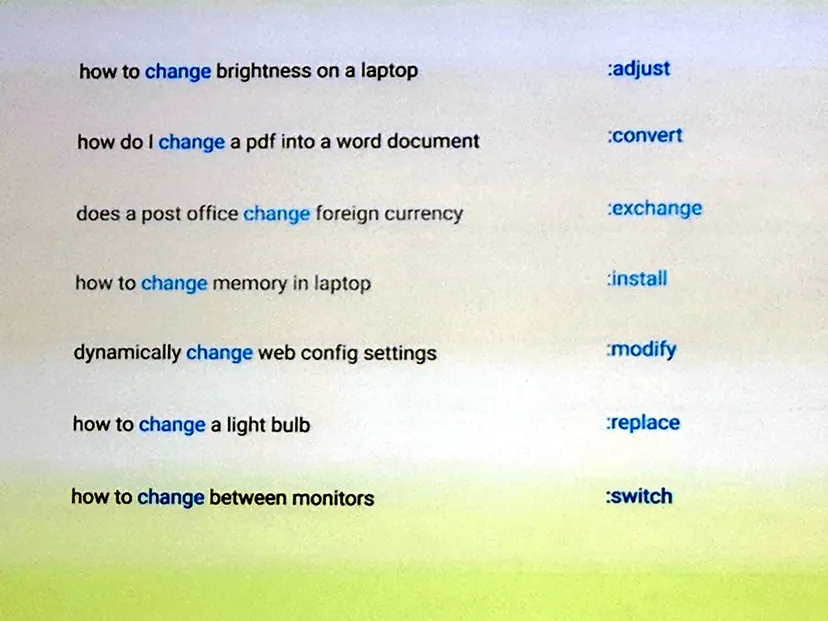
This means that exact searches based on questions will be even better matched than before and Google Search can now understand those questions more precisely and will be able to generate results that could not be found previously. With the growing importance of voice and visual search, having AI technology will certainly deliver better, smarter results that provide greater benefits for users and websites.
How does Neural Matching work?
Many people wonder about how the Neural Matching algorithm works and its results and their relevance. This method is inspired by ad hoc retrieval. According to many experts, the document relevance ranking using TF-IDF scoring and similarity to match phrases in documents needs this expressed in queries.
Because the Neural Matching algorithm uses only words from queries to match concepts. This is where artificial intelligence comes into play. In this case, an unsupervised machine learning technique is used to understand words and their relationship to concepts even better.
Supported by the Deep Relevance Matching Model (DRMM – model dopasowania na podstawie głębokiego znaczenia) for temporary retrieval, the Neural Matching algorithm is based on meaning. As indicated in the documents, this method uses a deep architecture at the query terminology level along with local interactions between terms in the query and document in terms of matching by meaning.
- 01Traditional matchingOnly exact phrases (TF-IDF).
- 02Neural MatchingUnderstanding query concepts.
- 03Artificial Intelligence (AI)Unsupervised learning (DRMM).
- 04Better resultsMore relevant answers, deeper meaning.
Neural Matching uses AI to understand intent and the relationships between words and concepts, going beyond simple phrase matching.
SEO optimisation
The implementation of Neural Matching did not radically change how Google rankings work. However, it may have an impact on website SEO. In connection with this, SEO optimisation aimed at Neural Matching and other latest Google algorithms is essential.
FAQ
Frequently asked questions
How does Neural Matching work in Google Search?
The algorithm uses artificial intelligence to better understand the words, concepts and intent behind a query. This allows Google to match results not only by keywords, but also by the meaning of the content.
Does Neural Matching change the rules of website optimisation?
No, it does not change them radically, but it can affect positions in search results. It becomes especially important to create content that is useful for users and semantically relevant.
Why is Neural Matching important for SEO?
Because it reduces the importance of matching only keywords and links, and rewards content that answers users’ questions more heavily. This means greater importance for quality, content relevance and search intent match.
When does Google use Neural Matching in search results?
The algorithm works as part of search updates and is used to reorder the remaining results in the ranking. First Google removes irrelevant and spammy pages, and then Neural Matching helps choose the best results.
What does Neural Matching do with spam and irrelevant pages?
It helps the search engine identify which results are the best, while pages trying to trick the system are pushed down. Its aim is also to avoid spam and irrelevant results.
How should you create content for Neural Matching?
It is worth writing content that is useful, trustworthy and meaningful for users, and also taking care of the right keywords and high-quality backlinks. The article also emphasises the importance of semantic relevance and NLP techniques.