


SEO optimisation in Joomla can significantly improve your site’s visibility in Google, increasing traffic and your position in search results. From improving URL structure, through effective metadata management, to technical optimisation such as caching or eliminating 404 errors – this system offers broad opportunities for webmasters. Find out which SEO practices and tools are best to use in Joomla and how to monitor the results achieved!
Joomla SEO – how to optimise a site on joomla to achieve better results in google
Optimising a Joomla site for SEO is a key step in increasing its visibility in Google search results. To achieve better results, it is worth paying attention to several important technical and content-related aspects.
Start by renaming the htaccess.txt file to .htaccess. This simple modification enables you to configure redirect rules and improve URL structure. By enabling URL translation in the Joomla administration panel, you create friendly URLs that are beneficial both for users and for search engine crawlers.
The next step is to edit the robots.txt file. Removing the /images/ line allows search engine crawlers to access images, which can increase the visibility of multimedia content in the results.
The importance of metadata cannot be overlooked. Each subpage should have a unique meta title and meta description, containing the relevant keywords. This not only attracts users’ attention, but also affects click-through rate.
Site structure is also hugely important. Make sure navigation is intuitive and the content is logically divided using headings H1-H6. Such organisation helps both users and Google robots better understand the hierarchy of information.
It is also worth installing dedicated SEO extensions for Joomla, such as SEF URLs or JoomSEF. These tools automate many optimisation processes, such as managing 301 redirects or generating an XML sitemap.
Regularly monitoring the effects of optimisation with tools such as Google Analytics or Google Search Console is just as important. Analysing data allows you to adapt your SEO strategy to the changing requirements of search engine algorithms.
Thanks to these practices, a site based on Joomla can become more user-friendly and compete more effectively in Google search results.
- 01Enable URL translation and .htaccessFor friendly links
- 02Allow access to /images/Image indexing
- 03Complete titles and descriptionsUnique for each page
The key to visibility: technical configuration and unique descriptions for each subpage.
Advantages and disadvantages of Joomla in the context of SEO
Joomla, as a content management system (CMS), offers both benefits and challenges in the context of SEO optimisation. To effectively rank websites, it is worth getting to know these aspects in detail.
Advantages of Joomla in the context of SEO:
- flexibility in adapting content – the system makes it easy to modify the site structure, which translates into better indexing by search engine crawlers,
- SEO-supporting extensions – thanks to add-ons such as SEF URLs or JoomSEF, many optimisation processes can be automated, e.g. generating friendly URLs,
- integration with Google tools – easy connection with Google Analytics and Google Search Console allows effective monitoring of SEO results,
- security – regular system updates provide better site protection, which indirectly affects its position in search results.
Disadvantages of Joomla in the context of SEO:
- problems with HTML code optimisation – default templates often contain unnecessary code, which can slow down page loading and reduce performance,
- slower page loading – compared with other CMSs, Joomla can generate less efficient pages without appropriate technical modifications,
- the need for regular updates – neglecting updates can lead to security and compatibility issues with SEO-supporting extensions.
However, by using the available tools and extensions appropriately, it is possible to minimise Joomla’s weaknesses and make the most of its strengths, achieving better results in website ranking.
Joomla and SEO out of box
Joomla offers solid support for SEO without the need to install additional plugins. The system has built-in features that make it much easier to optimise a site for search engines. By default, it enables the creation of friendly URLs, which is crucial for correct indexing by Google robots. In addition, Joomla allows easy management of metadata such as page titles and meta descriptions, which have a huge impact on visibility in search results.
It is also worth paying attention to the possibility of generating a XML sitemap. This tool helps search engine bots better understand the structure of the website. Joomla also allows integration with popular analytics tools, such as Google Analytics and Google Search Console, which makes it easier to monitor the results of optimisation efforts.
Although Joomla handles SEO quite well “out of the box”, it is worth considering additional extensions. They can make the optimisation process even more efficient. Examples include tools for managing 301 redirects or automating metadata generation. Such features help achieve better rankings without the need to make complex technical changes.
- 01Structure optimisationLogical content hierarchy (H1-H6)
- 02Friendly URLsReadable, containing keywords
- 03Metadata optimisationUnique title and description
The key to better visibility is understanding hierarchy and clear communication with search engine bots.
Best SEO practices for Joomla
To improve the visibility of a Joomla site in search results, it is worth applying several proven SEO practices. The first step is to optimise the site structure, which should be clear and logical. Key here is the proper use of H1-H6 headings, which help indexing bots understand the content hierarchy.
Another important aspect is creating readable URLs. By enabling URL translation in the Joomla administration panel, you can generate addresses that are friendly both to users and to search engines. It is worth remembering that URLs containing keywords can significantly affect the site’s SEO.
Equally important is metadata optimisation. Every subpage should have a unique meta title and description containing the relevant keywords. This not only attracts the attention of potential visitors, but also increases the chance of a higher click-through rate in search results.
Well thought-out management of titles and headings also plays a crucial role. Page titles should be concise yet descriptive, and H1-H6 headings must reflect the content hierarchy. This way both users and Google bots can more easily understand the structure of the website.
It is also worth paying attention to adding alt attributes and titles to images. These descriptions not only improve site accessibility for people using screen readers, but also help indexing bots better interpret the content of graphics. This can translate into a higher position in Google Image search results.
It is also worth considering installing dedicated SEO extensions for Joomla, such as SEF URLs or JoomSEF, which automate many optimisation processes. Regular monitoring of results using tools such as Google Analytics or Google Search Console allows you to continuously adjust your SEO strategy to changing search engine algorithms.
By applying these practices, a site based on Joomla can become more user-friendly and compete more effectively in Google search results.
Site structure optimisation
Site structure optimisation in Joomla plays a crucial role in its visibility in search results. A clear website layout not only makes navigation easier for users, but also helps indexing bots better understand its content.
The first step is to organise the content logically by dividing it into categories and subcategories. Each section should have a clearly defined purpose, which affects both user experience and SEO effectiveness. It is worth ensuring the proper use of H1-H6 headings, which help mark the hierarchy of information and indicate to Google bots which elements are the most important.
Equally important is intuitive navigation. The menu should be simple and clear, and internal links must lead directly to the relevant sections. This way, visitors will quickly find what they are looking for, and algorithms will index the site’s content more easily.
It is also worth paying attention to grouping thematically related content. For example, creating an archive of articles or a blog in one place not only makes it easier to manage content, but also increases the chances of ranking higher in search results for specific keywords.
Structure optimisation also requires eliminating unnecessary subpages or content duplicates, which can lower the site’s rating by Google’s algorithms. Regularly reviewing and updating the website layout is key to maintaining high SEO effectiveness.
A well-organised Joomla site structure is not only a benefit for users, but also a greater chance of better search engine results. It improves indexing and increases the visibility of online content.
- 01XML sitemapContent indexing, site structure.
- 02Integration with Google AnalyticsTraffic tracking, behaviour analysis.
- 03Improving visibilityBetter SEO, performance evaluation.
Key tools that streamline the SEO process in Joomla.
Friendly URLs
Friendly URLs in Joomla are key to effective on-page SEO optimisation. They should be concise, readable and contain keywords relating to the content of a given page. This approach makes them easier for visitors to remember and better recognised by search engine algorithms.
In the Joomla admin panel, you can enable the URL translation feature, which automatically creates friendly addresses. It is worth remembering to avoid special characters, numbers or overly long strings of characters, which can reduce readability. For example, instead of a complicated link such as “www.example.com/index.php?option=com_content&view=article&id=123”, it is better to use a simpler format, e.g. “www.example.com/przykladowa-strona”.
Another important aspect is maintaining a consistent URL structure across the entire site. Each subpage should have a unique address reflecting its content. This not only makes navigation easier for users, but also improves SEO performance in search results.
To streamline the process of creating friendly URLs, it is worth using tools such as SEF URLs or JoomSEF. In addition, regular analysis of their effectiveness using Google Search Console allows you to adjust your SEO strategy on an ongoing basis to the current requirements of search engine algorithms.
Metadata optimisation
Metadata optimisation in Joomla is a key element affecting a site’s ranking in search results. Every subpage requires a unique meta title and meta description, which should contain relevant keywords. The title, ideally 50-60 characters long, must be concise yet attention-grabbing. Its main purpose is to encourage users to click. The meta description, around 150-160 characters long, should briefly describe the page content and include key words.
In the Joomla admin panel, editing metadata is straightforward and available while creating or updating content. It is crucial that the meta title matches the page content and contains the main keyword at the beginning – this is what appears as the heading in Google results. The meta description, on the other hand, acts as an advert whose aim is to convince the user to visit the site.
Although meta keywords are no longer as important for SEO as they once were, it is still worth including them. In Joomla, you can add them manually or use extensions that automate this process, such as JoomSEF or SH404SEF. These tools are particularly useful on sites with a large number of subpages, making metadata management much easier.
Regular monitoring of metadata effectiveness using tools such as Google Search Console allows you to adapt your SEO strategy to current search engine algorithms. As a result, the site can improve its position in rankings and increase organic traffic without additional investment.
Managing titles and headings
Managing titles and headings in Joomla plays a key role in optimising a site for SEO. Proper use of heading hierarchy (H1, H2, H3) not only helps search engine bots understand the structure of the content, but also improves the user experience.
The page title should be marked as H1, which emphasises its importance as the main content element. Each page can contain only one H1 heading, which should include the keyword or phrase. Subheadings, on the other hand, are best marked as H2 or H3 to reflect the logical order of information. For example, if a page is about “Optymalizacji SEO w Joomla”, the H1 may read: “Optymalizacja SEO w Joomla – poradnik”. The subheadings can then take the form of H2: “Managing titles and headings” and H3: “How to use H1-H6 headings”.
Headings serve a dual purpose – they organise content and affect SEO. Google algorithms analyse the site structure to better understand its subject matter and the importance of individual sections. That is why it is so important for each heading to contain relevant keywords and be closely related to the content.
However, overuse of heading tags should be avoided. Too many H2 or H3 elements can create chaos for both visitors and crawling bots. The ideal structure should be clear and logical, making navigation around the site easier.
In Joomla, editing headings is intuitive thanks to the simple text editor. In addition, you can use SEO extensions such as JoomSEF or SH404SEF, which automate the process of managing titles and headings and ensure consistency of structure across the whole site.
Well-managed titles and headings not only increase a site’s visibility in search results, but also make it more attractive to visitors. As a result, the website becomes friendly for both users and Google algorithms.
Adding alt attributes and image titles
Adding alt attributes and titles to images in Joomla is a key part of optimising a site for SEO. The alt attribute serves a dual role: it describes the content of the image, which is important both for site accessibility and for indexing robots. Meanwhile, the image title can include keywords related to the page content, which affects its visibility in Google image search results.
To add these elements, simply edit the image properties in the Joomla content editor. In the alt field, enter a concise description that accurately reflects what the graphic shows. For example, if you are adding a photo of a laptop on a desk, you could write: “Laptop on a desk while working”. In the title field, it is worth including a keyword phrase such as “Modern laptop for work” to strengthen SEO.
Well-described images not only make a site more accessible for people using screen readers, but also increase the chances of a higher position in image search results. In addition, alt attributes and titles help Google algorithms better understand the context of the content on the page.
It is important that every image has a unique alt attribute and title. Repeating the same descriptions for different graphics can negatively affect how search engine algorithms assess the site. Regularly checking and updating these elements is a simple way to increase the SEO effectiveness of your Joomla website.
Technical aspects of Joomla optimisation
Technical Joomla optimisation is the key to improving site performance and its visibility in search results. One of the most important elements is loading speed. Studies show that websites loading within 2 seconds achieve a 15% higher conversion rate than those that run more slowly. To speed up a site, it is worth using solutions such as caching, compressing CSS and JavaScript files, and image optimisation. Another key issue is managing 301 redirects. These are essential when changing URLs in order to preserve SEO value for existing links. Incorrectly configured redirects can lead to indexing problems and a loss of organic traffic. Regular monitoring of their effectiveness using tools such as Google Search Console helps avoid mistakes. 404 errors also require attention, as they can negatively affect the user experience and the site’s assessment by Google algorithms. In Joomla, you can customise the 404 error page or automatically redirect visitors to the appropriate subpages, minimising user frustration. Automating SEO processes is another step towards effective website management. Extensions such as JoomSEF or SH404SEF make it possible to automatically generate SEO-friendly URLs, manage metadata and monitor indexing errors. This saves you time and removes the need to make changes manually. Site security is just as important an aspect of technical optimisation. Regular updates to the system and extensions reduce the risk of hacking attacks, which indirectly affects the site’s position in search results. Implementing these technical solutions not only improves site performance, but also increases its visibility in Google and provides a better experience for users.
Site loading speed
Site loading speed in Joomla is crucial both for user experience and for visibility in search engine results. Studies show that websites loading within 2 seconds achieve a 15% higher conversion rate than those that run more slowly. To improve performance, it is worth implementing a few proven solutions.
One of the most important steps is image optimisation. Large graphics files can place a significant burden on a site. It is worth using compression tools such as TinyPNG or JPEGmini, which reduce file sizes without affecting quality. In addition, remember to add alt attributes and titles to images – this not only improves SEO, but also increases site accessibility.
Another important aspect is minifying CSS and JavaScript files. Excess code can lengthen loading times. In Joomla, extensions such as JCH Optimize are useful, as they automatically compress and combine these files, reducing the number of HTTP requests and speeding up the site.
It is also worth implementing a caching system, which stores static versions of pages, significantly speeding up their display. In Joomla, there are tools such as JotCache and Cache Cleaner, which automate this process and help keep the site running smoothly.
Don’t forget to monitor your site speed regularly. Tools such as Google PageSpeed Insights and GTmetrix help identify areas that need improvement. Analysing their results allows you to adapt your optimisation strategy to the current needs of the site.
Thanks to these practices, your Joomla site can run faster, providing a better user experience and improving its position in Google search results.
301 redirects and 404 errors
301 redirects and 404 errors are key to the technical optimisation of Joomla websites for SEO. A 301 redirect permanently moves an old URL to a new one, which is especially important when changing the site structure or migrating a domain. If such a redirect is omitted, it can result in 404 errors, which negatively affect both the user experience and the site’s assessment by Google algorithms. As a consequence, this can lead to a loss of backlink value and a drop in domain authority.
In Joomla, 301 redirects can be configured in two ways:
- by manually editing the .htaccess file,
- using dedicated extensions such as SH404SEF.
Regularly checking 404 errors using tools such as Google Search Console makes it possible to quickly detect and fix broken links. It is also worth customising the 404 error page by offering users alternative navigation options – this not only reduces frustration, but also increases the chances of a longer stay on the site.
Taking care to eliminate 404 errors and properly manage redirects are simple but highly effective ways to maintain high website performance. These actions can also significantly improve its visibility in search results.
SEO automation
SEO automation in Joomla is a process that uses specialist tools and extensions to streamline website optimisation management. It allows you not only to save time, but also to increase the effectiveness of SEO activities such as managing metadata, canonical links or monitoring technical errors.
One of the key areas of automation is metadata management. Tools such as JoomSEF or SH404SEF automatically generate meta titles and descriptions for each subpage. This solution removes the need for manual data entry, which is particularly useful on large websites with hundreds of pages.
Another important element is monitoring technical errors. Joomla extensions detect 404 errors, incorrect redirects or indexing issues. This allows administrators to respond quickly to problems, minimising their impact on the site’s position in search results.
Automation also includes XML sitemap generation, which helps Google bots better understand the site structure. In Joomla, there are tools available that create and update the sitemap without the need for manual intervention.
It is worth paying attention to keyword analysis and search engine rank tracking. Dedicated extensions integrate with tools such as Google Search Console or Ahrefs. They provide detailed reports on the effectiveness of SEO activities.
Automation can also streamline the link building process. The tools analyse competitors’ link profiles and suggest opportunities to acquire valuable backlinks.
Implementing SEO automation in Joomla not only saves time, but also increases the precision of optimisation activities. It is a key step for any website that wants to compete effectively in Google search results.
Tools and integrations for Joomla SEO
Optimising a site for SEO in Joomla requires the right tools and integrations, which have a significant impact on its visibility in search results. One of the most important elements is the XML sitemap, which helps Google bots better understand the site structure. Thanks to extensions such as XMap or OSMap, generating a sitemap in XML format becomes simple and effective, which speeds up indexing of new content and improves SEO.
Another key tool is integration with Google Analytics. It allows you to track traffic on the site, analyse visitor behaviour and assess the effectiveness of SEO activities. In Joomla, this can be achieved by adding the tracking code directly to the template or by using dedicated extensions such as GAnalytics. This gives you access to up-to-date data that help adapt the marketing strategy to users’ needs.
No less important is integration with Google Search Console. This tool provides detailed information about indexing errors, site performance and its position in search results. In Joomla, it can be configured by adding a verification code or using extensions such as JoomSEF. Regularly monitoring the data makes it possible to respond quickly to technical issues and continuously improve the site’s visibility.
It is also worth investing time in tools that automate SEO processes, such as SH404SEF or JCH Optimize. These extensions streamline metadata management, optimise HTML code and speed up page loading. Thanks to them, you can save time and increase the effectiveness of optimisation activities without the need to make manual changes.
Implementing these solutions not only improves site performance, but also increases its chances of achieving higher positions in Google rankings. As a result, a Joomla-based site can compete more effectively with other websites and attract more organic traffic.
XML sitemap
The XML sitemap in Joomla is an XML file that contains a list of all the key URLs of the website. Its main purpose is to make it easier for search engine crawlers, such as Google, to index content quickly and efficiently. As a result, bots better understand the site structure and more effectively find new or updated subpages, which translates into their faster appearance in search results.
In Joomla, the process of creating an XML sitemap can be automated using dedicated extensions such as XMap or OSMap. These tools generate an XML file compliant with Google standards, which significantly speeds up indexing. In addition, an XML sitemap minimises the risk of important subpages being missed by bots, which is particularly important for large websites with hundreds of pages.
It is worth noting that an XML sitemap differs from an HTML sitemap. The former is intended for search engine crawlers and focuses on efficient indexing. An HTML sitemap, on the other hand, is designed to make site navigation easier for users. Although both serve important functions, their purposes are completely different.
Regularly updating the XML sitemap and submitting it to tools such as Google Search Console is a key element of an effective SEO strategy. This allows the site to increase its visibility in search results and attract more organic traffic.
Integration with Google Analytics
Integrating Joomla with Google Analytics is a key element in monitoring the effectiveness of SEO activities. By adding the tracking code to the site template, we gain access to detailed data on site traffic, visitor behaviour and the effectiveness of individual subpages. The tool provides valuable insights such as:
- traffic sources,
- average time spent on the website,
- bounce rate.
This data allows you to better tailor your marketing and optimisation strategy.
In Joomla, the integration can be carried out in two ways:
- manually, by modifying the template file,
- using dedicated extensions such as GAnalytics.
These solutions automate the process and enable convenient access to up-to-date data directly from the administration panel. This allows administrators to react quickly to changes in user behaviour and adapt content to their preferences.
For online stores, integration with Google Analytics is particularly important. It allows you to:
- track conversions,
- analyse purchase journeys,
- identify the most popular products.
This information is essential for optimising the offer and increasing sales.
Regularly monitoring performance with Google Analytics also helps to detect technical issues such as:
- slow page loading,
- indexing issues.
This makes it possible to quickly implement fixes that translate into better visibility of the site in Google search results.
Integration with Google Analytics is not just an analytical tool – it is a way to continuously improve your SEO strategy and increase the competitiveness of your website. It helps you better understand user needs and respond more effectively to their expectations.
Integration with Google Search Console
Integrating Joomla with Google Search Console is a key element in optimising a site for SEO. The process starts by adding the website to the console and confirming ownership, which can be done in several ways:
- by placing an HTML file in the root directory,
- adding a meta tag in the page header,
- connecting it to a Google Analytics account.
Once verification is successful, the tool allows you to monitor your site’s performance in search engines. It provides detailed data on clicks, impressions and average position for individual keywords. This information helps identify areas that require improvement in your SEO strategy.
An important aspect is also detecting indexing errors. Google Search Console alerts you to issues such as 404 errors or incorrect redirects, which may hinder access to the site for search engine crawlers. Quickly removing these errors improves the website’s visibility in search results.
The integration also allows you to submit an XML sitemap, which speeds up the indexing of new content. In Joomla, this process can be automated with extensions such as XMap or OSMap, which generate and update the sitemap in line with Google’s requirements.
Additionally, using Google Search Console regularly enables the analysis of backlinks and the identification of pages linking to your website. This is a valuable source of information for link building strategy, helping to build domain authority and increase its value.
Integrating Joomla with Google Search Console is not only a tool for monitoring SEO results, but also a way to continuously improve optimisation strategy and increase a site’s visibility in Google search results.
Effective Joomla SEO
To effectively do SEO for a Joomla site, it is worth focusing on several key strategies that significantly affect its visibility in search results. One of the most important elements is internal linking, which not only makes navigation easier for users, but also helps search engine crawlers better understand the site structure. Thanks to well-planned links to related content, you can increase the time spent on the site and improve its assessment by Google’s algorithms.
Another key factor is content analysis. Regularly checking published materials for their value to the audience and the presence of relevant keywords is the basis of success. It is important that content is unique, SEO-optimised and tailored to user needs. This helps the site attract more organic traffic and maintain a high position in search results.
You should also not forget about user experience. Page loading speed, intuitive navigation and responsive design have a huge impact on visitor satisfaction. Google’s algorithms increasingly take these factors into account when assessing site quality. That is why it is worth investing in technical optimisation and regularly testing the site for usability.
Implementing these strategies not only increases the visibility of a Joomla site in search results, but also builds its authority and attracts more valuable organic traffic.
Internal linking
Internal linking in Joomla is one of the key elements of an effective SEO strategy. It not only improves navigation on the site, but also affects its visibility in search results. It involves connecting related content with links, which makes it easier to move around the website for both users and search engine crawlers. Thanks to a well-thought-out network of links, you can increase time spent on the site, reduce the bounce rate and strengthen SEO.
In Joomla, there are several ways to carry out this task:
- the simplest is to add links manually to related articles or categories directly in the content,
- it is also worth using keywords as anchor text to emphasise their importance for Google’s algorithms,
- for example, if the page is about SEO optimisation, a good idea would be to add a link to an article about metadata using the phrase “how to optimise metadata”.
Another important element is creating a clear navigation menu with a logical structure. It should lead to the key sections of the website, such as the blog, services or contact. This kind of organisation not only makes it easier for users to find the information they need, but also helps Google’s robots better understand the site hierarchy.
It is also worth using Joomla modules that automatically generate internal links. Extensions such as Related Articles or Smart Content allow related content to be displayed based on tags or categories. This solution not only simplifies navigation, but also increases the chances of users staying on the site for longer.
Regularly monitoring the effectiveness of internal linking with tools such as Google Analytics allows you to adapt the strategy to the needs of visitors and the requirements of search engine algorithms. As a result, the site becomes more user-friendly for both users and Google.
Content analysis and user experience
Content analysis and user experience play a key role in the effectiveness of SEO in Joomla. Focusing on high-quality materials and users’ interactions with the website not only improves SEO, but also builds visitor satisfaction.
The first step should be to assess the published content. It should stand out for its originality, substantive value and alignment with audience needs. Regular monitoring of its performance using tools such as Google Analytics provides valuable insights. Data on time spent on the site, bounce rate or number of visits helps identify areas that need improvement.
It is also worth using A/B testing, which makes it possible to compare different versions of a page in terms of user engagement. This allows you to adapt the content layout, CTA buttons or contact forms to visitors’ preferences, which translates into better results.
User experience is not just about content, but also page load speed, intuitive navigation and responsive design. Google’s algorithms increasingly take these factors into account when assessing website quality, so it is worth investing in technical optimisation and regular usability tests.
In addition, tools such as Hotjar or Crazy Egg allow you to analyse user behaviour on the site in detail. Heatmaps and session recordings help you understand how visitors move around the website and which elements attract their attention most.
Systematic analysis of content and user experience is the foundation of an effective SEO strategy in Joomla. As a result, the site can not only achieve higher rankings in search results, but also provide satisfaction to its visitors.
Monitoring and analysing SEO results
Monitoring and analysing SEO results in Joomla is an essential process that makes it possible to assess the effectiveness of the optimisation measures taken and make the necessary adjustments. By regularly tracking results, you can identify which elements of the strategy deliver the best outcomes and which need modification. This, in turn, allows you to adapt your actions to the current search engine algorithms and user expectations.
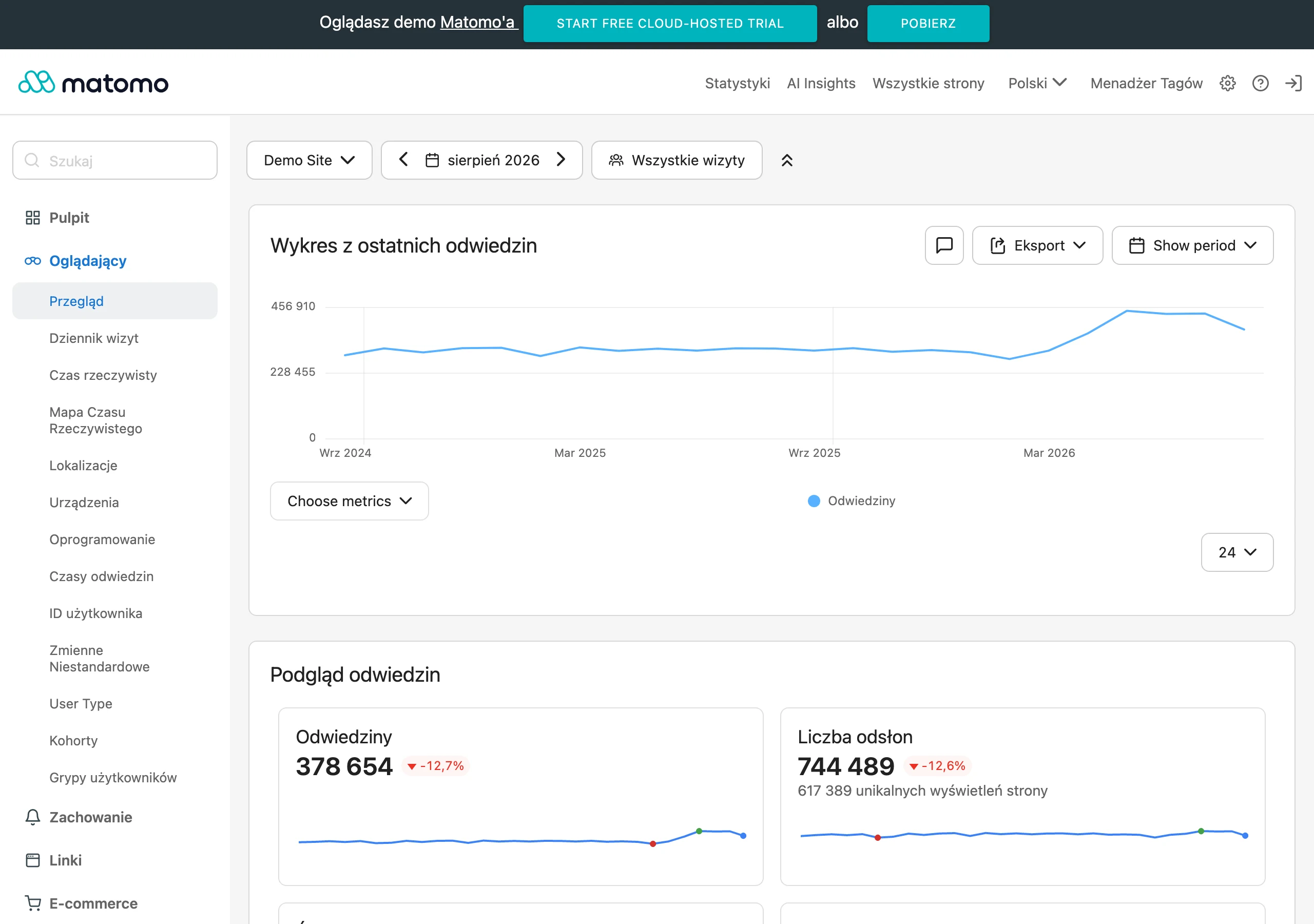
One of the most important tools for SEO analysis is Google Analytics. It allows you to track traffic on the site, analyse visitor behaviour and identify sources of visits. Key metrics such as time spent on the website, bounce rate or number of conversions provide valuable clues about the effectiveness of your activities. Thanks to this data, it is easier to understand which content attracts the most attention and generates the highest organic traffic.
Another indispensable tool is Google Search Console. It makes it possible to monitor the site’s positions in search results for selected keywords and provides information about indexing errors, such as 404 errors or issues with 301 redirects. Regular analysis of this data allows you to respond quickly to any technical issues and maintain high visibility of the website in Google.
An important element of SEO monitoring is also a technical audit, which includes a comprehensive analysis of the site in terms of performance, structure and compliance with Google’s guidelines. In the case of Joomla, it is worth regularly checking page load speed, image optimisation and the correctness of the HTML code. Tools such as GTmetrix or PageSpeed Insights help identify areas that need improvement.
We must not forget about monitoring keyword rankings, which makes it possible to assess changes in the site’s visibility for selected keywords. It is worth using professional solutions such as Ahrefs or SEMrush, which offer detailed reports on the site’s rankings and the competition.
Regular reporting of SEO results makes it possible to flexibly adapt the strategy to dynamic market changes and the requirements of Google’s algorithms. As a result, a Joomla site can maintain a high position in search results and attract more valuable organic traffic.
Technical audit
A technical audit in Joomla is a comprehensive process that includes analysing the site structure, HTML code, loading speed and indexing errors. Its main task is to identify areas requiring improvement, which makes it possible to implement the necessary optimisation changes. This can significantly improve site performance, increase its visibility in search results and provide users with a better experience.
When carrying out an audit, it is worth paying attention to a few key elements:
- loading speed – research indicates that pages loading within 2 seconds achieve a 15% higher conversion rate. To identify issues affecting performance, it is worth using tools such as Google PageSpeed Insights or GTmetrix,
- indexing errors – regular monitoring of 404 errors and incorrect redirects using Google Search Console allows for a quick response and the elimination of technical issues,
- HTML code structure – default Joomla templates often contain unnecessary code that can slow down the site. It is worth simplifying it by removing unnecessary elements and optimising existing ones,
- image optimisation – large graphic files can significantly extend the site’s loading time. An effective solution is image compression and adding alt attributes, which affects both performance and SEO,
- XML sitemap – regularly generating and submitting the sitemap to Google Search Console speeds up the search engine’s indexing process for new content.
Carrying out a technical audit regularly makes it possible to adapt the site to the changing requirements of Google’s algorithms and maintain a high position in search results. This is a key step towards ensuring the long-term success of a website.
Monitoring results and data analysis
Tracking the results of SEO activities and analysing data in Joomla are essential steps in assessing the effectiveness of optimisation and adapting it to the current requirements of search engine algorithms and users’ needs. Regular monitoring of results makes it possible to identify which elements of the strategy deliver the best results and which require adjustment.
One of the key tools is Google Analytics. It allows you to track traffic on the site, analyse visitor behaviour and determine traffic sources. Metrics such as time spent on the page, bounce rate or number of conversions provide important information. This makes it possible to better understand which content attracts attention and generates the most organic traffic.
Another important tool is Google Search Console. It allows you to monitor a site’s position in search results for selected keywords and provides information about indexing errors, such as 404 errors or problems with 301 redirects. Regular analysis of this data makes it possible to respond quickly to technical issues and maintain high site visibility.
An technical audit is also extremely important, as it includes a comprehensive analysis of the site in terms of performance, structure and compliance with Google’s guidelines. In the case of Joomla, it is worth regularly checking page loading speed, image optimisation and the correctness of the HTML code. Tools such as GTmetrix or PageSpeed Insights help identify areas requiring improvement.
It is also worth remembering to monitor keyword rankings, which makes it possible to assess changes in the site’s visibility for selected keywords. Professional solutions such as Ahrefs or SEMrush offer detailed reports on the site’s rankings and the competition.
Regular reporting of SEO results makes it possible to flexibly adapt the strategy to dynamic market changes and the requirements of Google’s algorithms. As a result, a Joomla site can maintain a high position in search results and attract more valuable organic traffic.
FAQ
Frequently asked questions
How can you optimise a Joomla site so it displays better in Google?
It is worth improving friendly URLs, unique metadata and a logical content structure with H1-H6 headings. Technical actions also help, such as configuring .htaccess, robots.txt and monitoring results in Google Analytics and Search Console.
Does Joomla have built-in SEO features without additional plugins?
Yes, Joomla offers friendly URLs, metadata management and the ability to generate an XML sitemap. The system can also be easily connected with Google Analytics and Google Search Console.
Why are friendly URLs important in Joomla?
They are shorter, clearer and better understood by users and search engine crawlers. In Joomla, you can enable URL translation to create such addresses automatically.
How do you set the meta title and meta description in Joomla?
Each subpage should have a unique title and description containing the relevant keywords. The meta title is best kept within 50–60 characters, and the meta description around 150–160 characters.
Do H1-H6 headings affect SEO in Joomla?
Yes, because they help organise the content and show Google’s crawlers the hierarchy of information. There should be one H1 on the page, and subsequent sections are best marked as H2 and H3.
Which SEO extensions are worth using in Joomla?
The article mainly highlights SEF URLs and JoomSEF, as well as SH404SEF. Such tools help, among other things, manage 301 redirects, generate an XML sitemap and automate metadata.