
Social proof works when it removes a specific customer concern before a click, contact or purchase. On a website, what matters is not just the presence of reviews, but their credibility, format and place of use. The best social proof is the one that confirms the decision precisely at the moment the user hesitates. In practice, different elements help sell a simple product, while different ones are needed for a more expensive service or a B2B offer. That is why social proof should be assessed not by the number of widgets, but by its impact on trust and conversion.
The purpose and role of social proof on a website
The purpose of social proof on a website is to reduce uncertainty and make it easier for the customer to make a decision. A user rarely knows your company as well as you do, so they look for confirmation that the choice will be safe. When they see credible signals from other people or entities, they move more easily to the next step. In practice, this means fewer doubts and a greater chance of conversion.
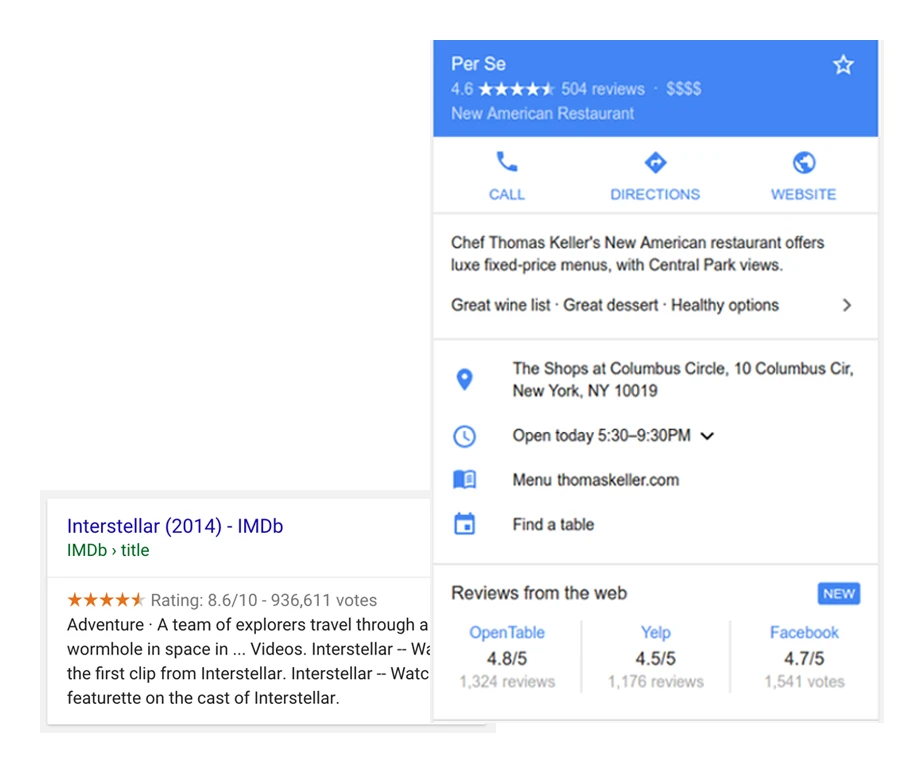
The role of social proof is primarily sales-related, meaning linked to CRO, rather than directly to rankings. Google does not treat reviews or logos alone as a simple ranking factor. However, they can indirectly help SEO if they improve user behaviour on the site. Better engagement, more interactions and fewer drop-offs can strengthen the effectiveness of the whole website.
Good social proof answers a specific customer question: does this offer work, is the company credible and is the risk reasonable? If it does not address any of these concerns, it becomes decoration rather than an argument. A simple slider with anonymous quotes rarely helps because it does not give certainty. Effectiveness begins when the proof genuinely simplifies the decision.
The psychological basis of how social proof works
Social proof works because people simplify decisions by observing the choices and experiences of others. It is a mechanism of conformity, often called the herd effect. When the customer does not have full knowledge, they treat other people’s decisions as a cognitive shortcut. This helps them assess more quickly whether the offer is worth attention.
The second important mechanism is uncertainty reduction and the authority principle. The greater the risk, price or complexity of the decision, the more strongly the user looks for confirmation from people, companies or experts. That is why sources that look genuine and competent carry more weight. The customer does not trust the content of the review alone, but also the person giving it and whether they have grounds for being believed.
In practice, this means one thing: people do not buy just because “others bought”. They are more likely to buy when someone else’s experience reduces their concerns and seems similar to their own situation. If the source is unclear or too general, the psychological mechanism weakens. Instead of building confidence, such a message starts to raise suspicion.
The importance of source credibility in social proof
Source credibility determines whether social proof reassures the customer or looks like an advertorial element. The user evaluates not only the content of the review, but also who is giving it and whether that person or company can be trusted. The greater the purchase risk, the more important the source becomes. This is especially true for specialist services, B2B offers and more expensive products.
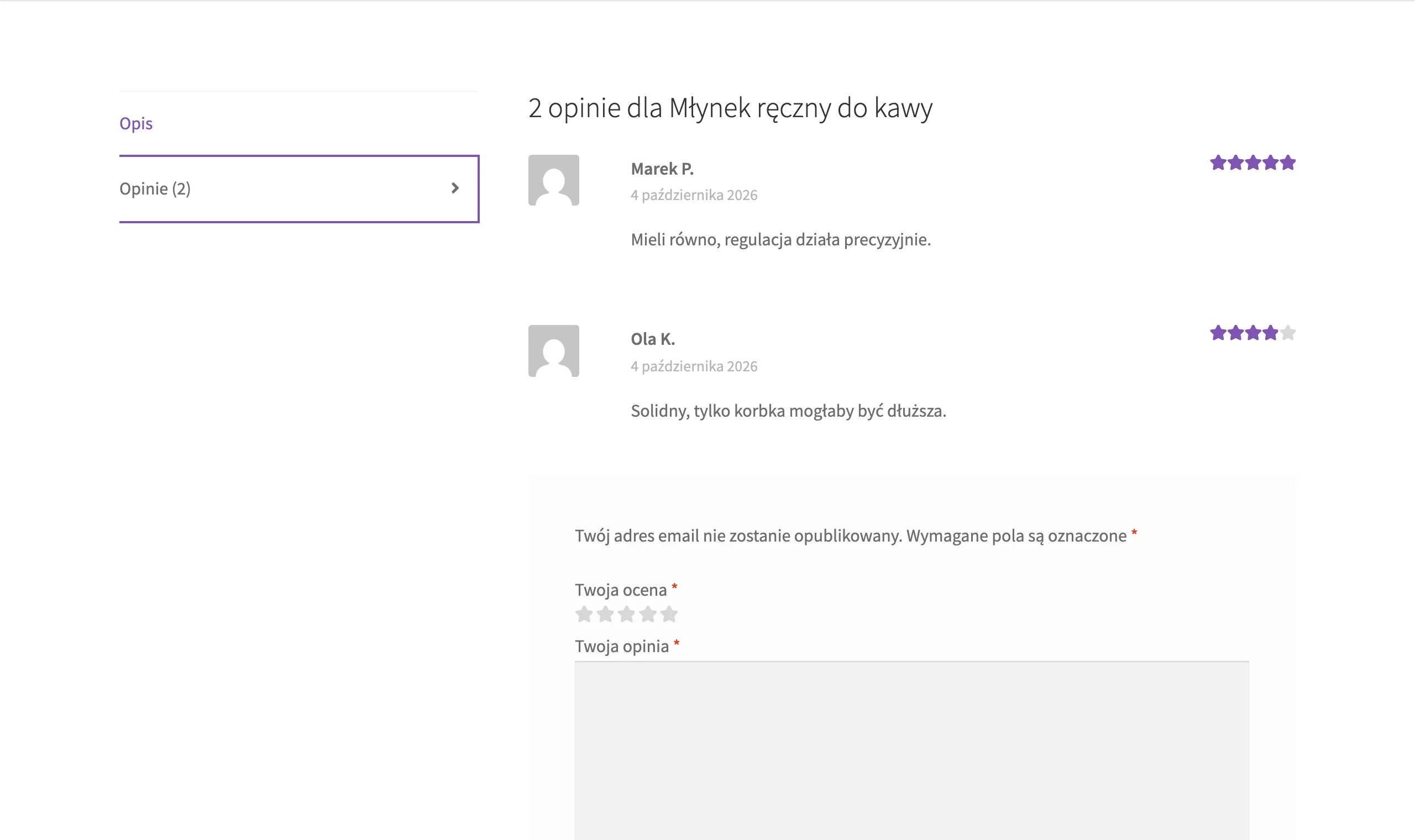
That is why reviews and recommendations embedded in the real context of the company work best. Company details, a visible team, content authors, certificates and a clear brand identity strengthen every piece of social proof. If the website does not show who stands behind the offer, even good references lose some of their force. First the customer has to believe in the source, only then in the promise itself.
In practice, this means that anonymous quotes next to the CTA button are rarely enough. A customer review linked to a recognisable person, company or role works much better. Similarly, partner logos and certificates only help when they are up to date and relevant to the offer. A mere collection of them without context creates the appearance of authority, but does not always dispel objections.
How verifiability and specificity affect the effectiveness of social proof
Verifiability and specificity increase the effectiveness of social proof because they turn general assurances into something that can be checked. A customer trusts a review faster if they can see a full name, company name, date and source. This format looks like real experience rather than text written for sales purposes. The fewer assumptions the recipient has to make, the lower the resistance to the decision.
Specificity works better than praise without substance. A review such as “great collaboration” says very little because it does not show exactly what worked. A much stronger format is a description of the problem, the course of the cooperation and the result, ideally a measurable one. If a result appears, for example an increase by a specific amount, the customer more easily understands the practical value of the offer.
This principle is especially important for case studies and services that require greater trust. What matters there is not success alone, but also the path to the result: the starting point, the solution applied and the outcome. The easier it is for the audience to verify the details, the less room there is to suspect that the proof is artificial. That is why it is better to have fewer reviews, but current and specific ones, than many anonymous, similarly worded messages.
Context and matching social proof to the customer journey
Context and matching involve selecting the type of proof to suit the decision stage, the price of the offer and the level of risk. At the start of the journey, the customer usually wants to make sure that the company is real and worth attention. When making the final choice, they are already looking for confirmation that the solution works in a situation similar to their own. The same element can therefore help on one subpage and be almost irrelevant on another.
In simpler e-commerce, ratings, the number of reviews and short opinions describing the product’s everyday use usually work best. In local services, up-to-date reviews about contact, punctuality and the effect of cooperation matter more. Such content addresses the customer’s practical concerns before they send a form or make a call. If the user wants a quick decision, an overly elaborate proof may only slow the choice down.
In specialist services, B2B offers and higher-priced products, case studies and references with the company name and a concrete result work best. Stars alone or general praise are too weak in that case, because they do not show the process, the scale of the problem or the result. Client logos, media mentions and certificates build authority, but they are usually not enough as the main argument. The greater the responsibility on the client’s side, the more they need proof similar to their own situation, rather than just a signal of popularity.
Common mistakes and risks associated with social proof implementation
Common mistakes in social proof implementation involve using elements that look like advertising instead of credible confirmation. The fastest to do harm are fake reviews, stock photos and quotes without a surname, company, date or source. Such messaging does not reduce uncertainty; it just triggers new doubts. The user starts evaluating not the offer, but the authenticity of the website itself.
Another common issue is outdated logos, old references and counters without context. A message such as “10,000 companies have trusted us” means very little if it is not clear from which period it comes and what it refers to. It is similarly risky to display awards or partnerships that are not related to the current offer. Instead of reinforcing authority, such elements give the impression of decoration.
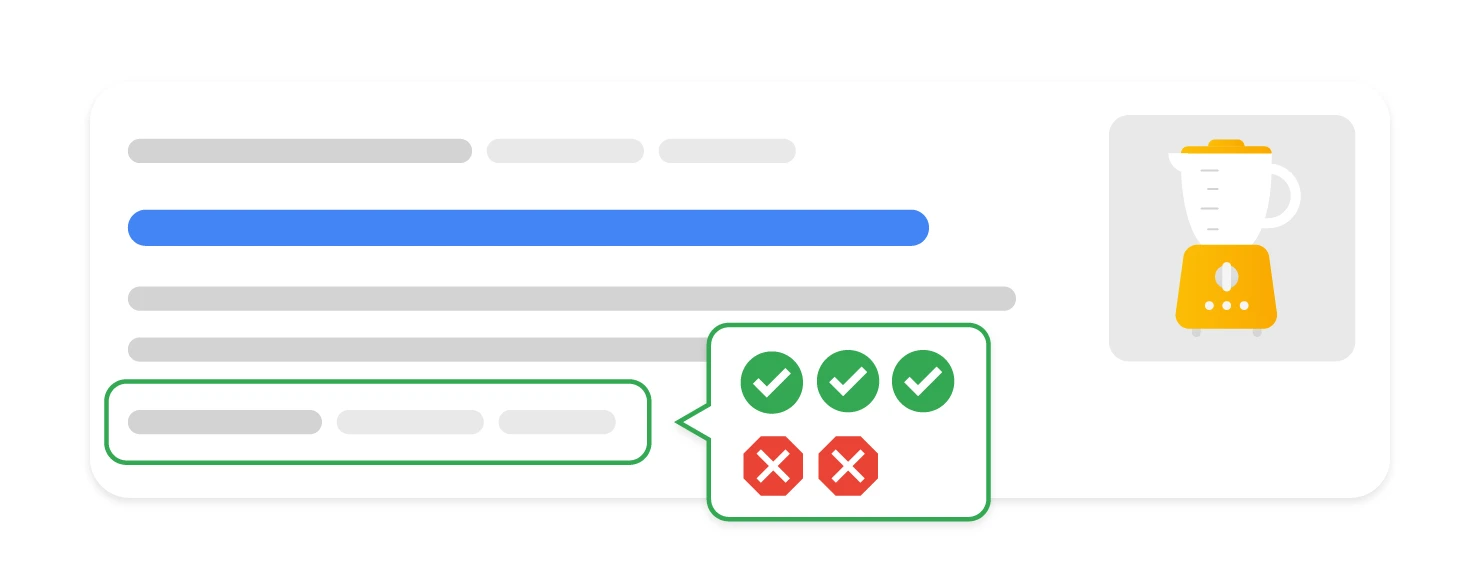
A mistake also appears when the site shows negative social proof, for example no reviews or zero comments. Such a signal highlights a lack of interest rather than building trust. A technical problem can also be overuse of structured data and marking up schema content in a way that does not comply with the guidelines. It is better to have fewer proofs, but ones that are real, up to date and verifiable, than to fill the site with elements that reduce credibility.
Measuring the effectiveness of social proof in the context of analytics
The effectiveness of social proof is measured by changes in user behaviour, not by the mere presence of reviews on the site. The most important metrics are conversion rate, interactions with CTAs and the number of abandoned forms or baskets. If, after adding references, users click more often, abandon less frequently and complete the step more often, the proof is working in practice. If nothing changes, the problem may be the content, the format or the place where it is used.
The most reliable method of evaluation is A/B testing that compares different types of proof and their placement. You can check whether a short review near the price, logos above the form or a case study below the offer works better. Such a test shows which element actually removes an objection at a given decision point. That matters more than a choice based on aesthetics or habits from a different subpage.
The results need to be analysed in segments, because the same proof does not work equally well for every offer and every user. People on a product page behave differently from companies comparing service providers. Look at the full journey, not just one click, because more entries into the form may also mean more drop-offs. Good social proof shortens the moment of hesitation without adding new friction to the decision process.
FAQ
Frequently asked questions
Which social proof elements on a site really influence customer decisions?
The strongest proof is the kind that addresses a specific customer concern and appears at the moment of hesitation. Credibility, specificity and fit with the price and risk of the offer also matter.
Are reviews alone enough to increase trust on a site?
No, the mere presence of reviews does not deliver the effect. Their format, source, recency and whether they are set in the real context of the business all matter.
Why do anonymous quotes work less well than signed testimonials?
Because an anonymous quote does not let people judge who is really behind the opinion. The more detail there is, such as a name, company, date or job title, the easier it is to see the proof as credible.
When is a case study more effective than a standard customer review?
For specialist services, B2B offers and more expensive products, a case study usually works better. It shows not only the result, but also the path to it, which builds greater trust.
How do you match social proof to the stage of the customer journey?
At the beginning of the journey, it is better to show signals that the company is real and worth paying attention to. At the final selection stage, proof similar to the customer’s situation is more effective, for example reviews, testimonials or case studies.
Are counters like “10,000 companies trust us” credible social proof?
Only if they are up to date and have clear context. Without information about what they refer to and which period they come from, they look more like decoration than proof.