

Your articles may secure high rankings and steady traffic, yet still generate no leads, sales or sign-ups. A high ranking in Google does not yet mean the content is leading the user to take action. Most often, the problem is not SEO itself, but that the content answers the search engine differently from the business’s needs. To fix it, you need to check what purpose a given article serves, who it attracts and what the user can do next.
Misalignment between SEO and business goals: how does it affect conversions?
Misalignment between SEO and business goals lowers conversions because Google rewards a relevant answer to the query, while the business expects a specific action. An article can therefore rank thanks to relevance and credibility, but still fail to encourage contact or purchase. That is normal when the content is designed for visibility rather than the user’s next step.
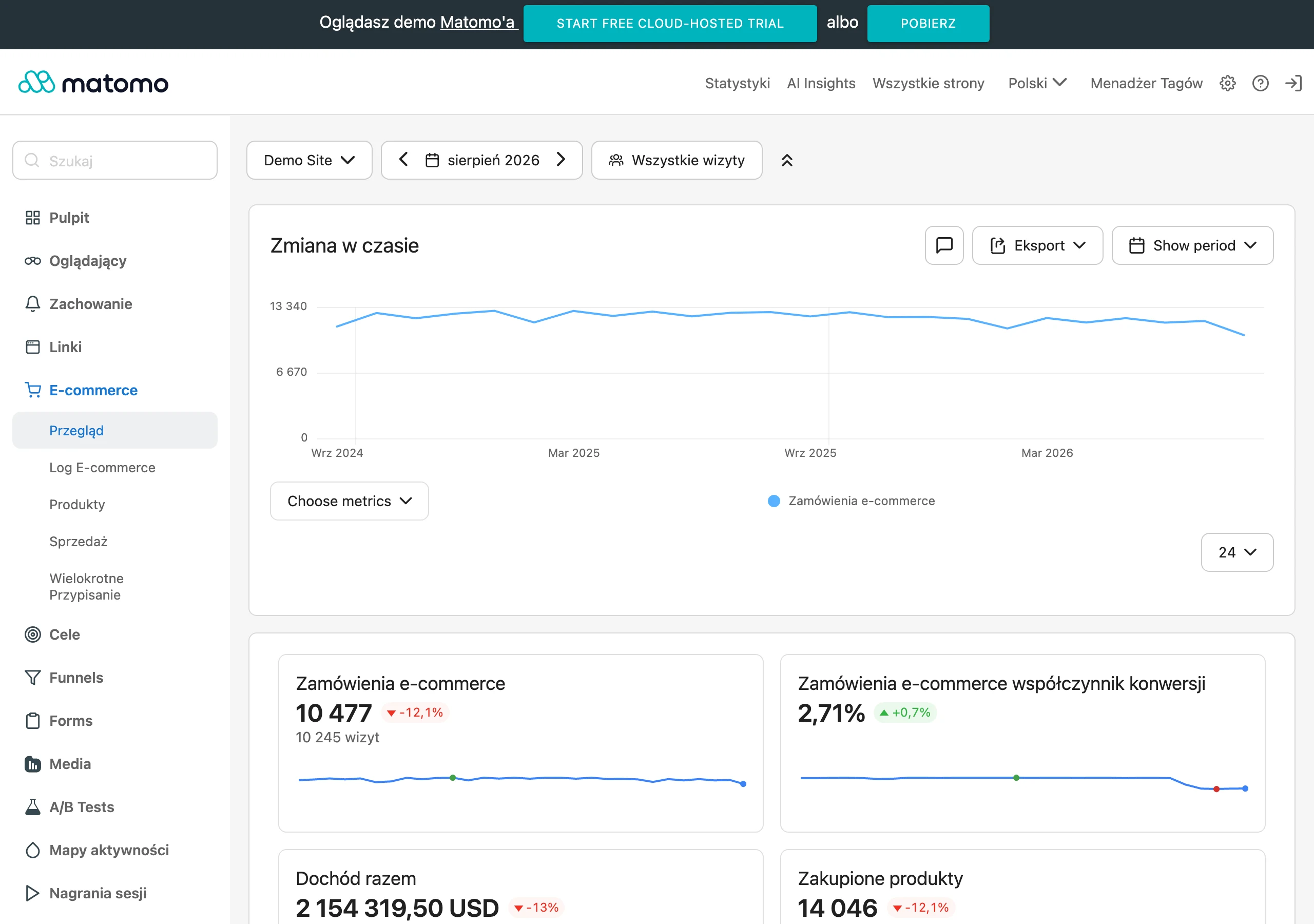
In practice, this shows up where success is measured by position, clicks and traffic, without assessing the quality of that traffic. The team then creates content around broad questions because it is easier to win visits from the top of the funnel. Such visits often come from people who are still learning about the topic, not from people ready to buy.
That is why every article should have a defined role: educate, support the decision or lead to a transaction. When one URL tries to do everything at once, it usually loses clarity for the user and logic for the algorithm. The result is traffic that looks good in SEO reports but works poorly for the business.
Mismatch in search intent: the main cause of low conversion
Search intent mismatch lowers conversion when an article answers an information need, while the offer requires readiness to compare or buy. A user entering an informational query usually wants to understand the problem, not leave their details straight away. If you present the offer immediately, you skip the decision stage and lose most of the traffic.
The practical test is simple: check what Google shows for a given keyword. If the results are dominated by guides and definitions, the intent is mainly informational. If you see service pages, comparisons, pricing or categories, the user is closer to making a decision and needs a different content format.
A common mistake is SEOing a blog article for a keyword with purchase potential instead of creating a dedicated service or comparison page. The article then gathers traffic but does not convert, because it is not the best place to close the decision. In the age of AI Overviews, this problem is growing, because mainly people expecting added value and a clear next step click through.
How to identify and fix intent cannibalisation in content?
You can identify intent cannibalisation when an informational article takes visibility away from a service page for the same commercial keyword. As a result, the user lands on a guide even though they are already at the comparison or purchase stage. Google also receives conflicting signals, because two URLs are trying to answer different needs around the same query.
The most reliable diagnosis starts with analysing data split by query and landing page. Check which keywords drive traffic to the article and whether there is also a service page, category or landing page on a similar topic. If the blog captures visits from sales keywords, and the transactional page is not growing, you have a strong sign of a problem.
In practice, you will usually notice it through a few symptoms:
- the article ranks for queries with purchase or comparison potential,
- the service page has weak visibility for the same topics,
- users end their journey on the blog instead of moving on,
- internal linking more often strengthens the article than the sales page.
The fix depends on the role that a given URL is meant to play. If the article addresses an important informational intent, it is better to leave it educational and link it to a dedicated decision page. If the intent is mixed, you can refine the current URL so that it clearly leads to the next step.
When an article clearly harms a transactional page, a strategic decision may be needed. Sometimes it is enough to weaken its optimisation for a commercial keyword, and sometimes it makes more sense to redirect or split the topics. Do not turn a guide into a sales page just because it has traffic.
Overly aggressive changes from informational to sales-focused content can reduce rankings, because the page will stop being relevant to the original query. It is safer to build a content cluster and guide the user from TOFU to MOFU and BOFU. This structure organises the signals for the search engine and shortens the path to conversion.
On-page optimisation for conversion: key elements to improve
On-page optimisation for conversion means restructuring the page so that after answering the question, the user sees a sensible next step. Good rankings alone are not enough if the lead, headings and page layout do not lead to action. First, improve the match between the promise in the search results and what the reader sees after clicking through.
The start of the article must quickly confirm that the user has landed in the right place. If the title suggests a solution but the first paragraphs drag out definitions, disappointment grows and readiness to continue declines. The same applies to headings, which should lead from the problem to the decision, not merely organise the text.
The biggest changes come from elements that remove dead ends and reduce friction. The user should get not only an answer, but also a logical “what next”. That is why it is worth improving above all:
- the lead and headings aligned with the SERP promise,
- contextual CTAs after key content sections,
- links to the offer, contact details or intermediary material,
- comparison sections, FAQ and case studies,
- trust signals such as the author, reviews and contact details.
The best CTA comes from the user’s stage in the decision process, not the company’s wish. In informational content, moving to a comparison, consultation or contact page often works better than a sales form straight away. The closer the user is to the decision, the more direct the CTA can be.
On-page for conversion also means UX and CRO, not just the copy itself. On mobile, slow loading, unstable layout and forms requiring too many fields are especially damaging. If you are pointing to an offer, do not hide the price or contact rules without a clear reason.
Lack of trust also lowers performance, even when the content is well matched. A reader is more likely to take action when they can see who is responsible for the material, how to contact the company and what evidence of credibility there is. Case studies, reviews and basic information about the author often make a bigger difference than yet another paragraph of advice.
After implementing changes, measure not only the main conversions, but also micro-conversions. CTA clicks, contact page visits and scrolls to important sections will show whether the path is working better. A/B tests are worth running on headings, CTAs, layout and forms, because that is where a quick uplift in effectiveness is most often hidden.
Segmentation of analytics data as a tool for diagnosing conversion problems
Segmentation of analytics data shows exactly where organic traffic stops contributing to business results. The average conversion rate for the whole blog usually obscures the problem, because it combines different intents, devices and user types. Only data breakdown reveals whether the issue lies in a specific query, landing page or stage of the journey.
First break the results down by query and landing page. If an article attracts clicks from educational phrases, not decision-oriented keywords, the low sales result is logical. If the same text has decent conversion on some queries and none on others, the problem is intent match, not the article itself.
Equally important is segmentation by device, location, and new versus returning users. When mobile performs clearly worse than desktop, UX friction or the form is usually involved. When only returning users convert, the content may build interest but does not provide enough stimulus on the first visit.
Do not evaluate an article solely by the number of visits, but by the quality of traffic in specific segments. In practice, it is worth tracking organic conversion, assisted conversions, cost per lead, revenue per session and the bounce rate on exit pages. Add micro-conversions to this, because a CTA click, visiting contact or scrolling to an important section shows whether the path works before a lead appears.
When segmentation points to a weak spot, only then move on to behavioural analysis on the site. Heatmaps, session recordings and form-funnel analysis help check where the user is stopping. This way of working saves time, because you first find the problem in the data and then confirm it with behaviour.
Building topic clusters: A strategy for improving the conversion path
Building topic clusters improves the conversion path because it leads the user from information to decision in a structured way. An educational article does not have to sell directly if it passes the reader to the right page at the next stage. As a result, the content stops being a dead end and starts working as part of the funnel.
The best cluster combines TOFU, MOFU and BOFU content through clear internal linking. A user who starts with a problem should be able to easily reach a solution comparison and then the offer or contact. This structure also helps the search engine understand which URL should answer the informational intent and which the commercial one.
In practice, every cluster should have clearly separated page roles:
- TOFU content answers the question and organises the problem,
- MOFU content supports choice, comparison or evaluation of options,
- BOFU content leads to contact, purchase or enquiry.
Each URL should have one dominant intent, rather than trying to close the whole path at once. This is especially important when the blog starts ranking for queries with sales potential. Instead of turning a guide into a sales landing page, it is safer to create a dedicated URL and link to it from places with the highest user readiness.
Clusters are also an effective response to intent cannibalisation. When an informational page and a transactional page compete for a similar query, structured linking and role separation organise the signals. If the problem is severe, a strategic decision needs to be made: refine the current address, create a new one, or weaken the optimisation of the article for the commercial phrase.
This approach is also becoming more important because of AI Overviews. Some simple informational clicks disappear, so the user who does land on the site expects more value and a clear next step. A topic cluster increases the chance that such a user will not end the visit after one paragraph, but will move on to where the decision begins.
Risk of losing rankings during optimisation changes: How to minimise it?
You minimise the risk of losing rankings when you do not suddenly turn informational content into an aggressive sales page. Google ranks that URL for a relevant answer to a specific question, so too much change can weaken its relevance. The safest approach is to keep the main answer to the user intent and add conversion elements as the logical next step. First protect query match, and only then strengthen the path to action.
In practice, this means the lead, headings and first sections must still fulfil the promise made in the search results. CTAs, comparisons, case studies or links to the offer should be added contextually, not at the expense of the part that earns traffic. If you can see that the phrase already has a clearly commercial character, a dedicated landing page and linking to it from the article is often the better decision. This structure usually protects rankings better than a full rewrite of the guide.
When the problem is keyword cannibalisation, minimising the risk requires a decision at URL level, not just adding new paragraphs. Sometimes you need to limit the article’s optimisation for a commercial keyword and hand the sales role over to the offer page. In other cases, it is enough to separate intent more clearly and improve internal linking within the cluster. The worst-case scenario is leaving two pages fighting over the same topic, because then you lose both clarity and conversion potential.
It is worth checking every larger change in stages rather than with one big deployment. Test headline variants, CTA, layout and sections that support the decision, and then check the impact on conversion and user behaviour. At the same time, monitor the data split by queries and landing pages, because only then will you see whether the uplift in sales is not coming at the expense of visibility for key keywords. This process takes longer, but gives you better control over the result.
FAQ
Frequently asked questions
How do you recognise that an article ranks but does not generate conversions?
Most often, you can see this through high traffic and good positions, but a low number of leads, sales or sign-ups. Such a signal means the content attracts users, but does not lead them to the next step.
Why does a mismatch between SEO and business goals reduce conversions?
Because Google rewards a relevant answer to the query, while the business expects a specific action. An article may therefore rank well, but not encourage contact or purchase.
How do you check whether the problem is a mismatch of search intent?
It is worth looking at which types of results Google shows for a given keyword. If guides and definitions dominate, the intent is informational, and if service pages, comparisons or price lists dominate, the user is closer to a decision.
Should a blog article rank for sales keywords?
Not always, because then it may attract traffic but not convert if it is not the best place to close the decision. Often a dedicated offer page, category or landing page is a better fit.
How do you fix intent cannibalisation between a blog and an offer page?
You need to check whether the informational article is not taking visibility from the transactional page for the same keywords. It helps to separate URL roles, improve internal linking, and sometimes weaken the article’s optimisation for a commercial keyword.
What should you improve on the page so the article converts better?
The most important elements are the lead and headings aligned with the promise from the SERP, contextual CTAs, and links to the offer, contact page or an intermediate asset. It is also worth adding comparison sections, FAQs, case studies and trust signals.