
More views on YouTube in 2026 do not come from one clever trick or a random viral hit. More often, they are the result of better matching the video to what the viewer is actually looking for, what they feel like clicking and what they are willing to watch for longer than a few seconds. What matters is not only the content itself, but also its presentation, the way the topic is introduced and whether, after watching, the viewer is given a clear next step. The biggest jump usually comes not from small cosmetic tweaks, but from a more relevant topic, a better thumbnail and a stronger opening to the video. In practice, YouTube does not “believe” the creator’s declarations; it watches viewer behaviour: the click, watching, moving on and returning to the channel. That is why an effective strategy has to bring together production, publishing and post-launch data analysis.
What does growth in YouTube views mean in 2026?
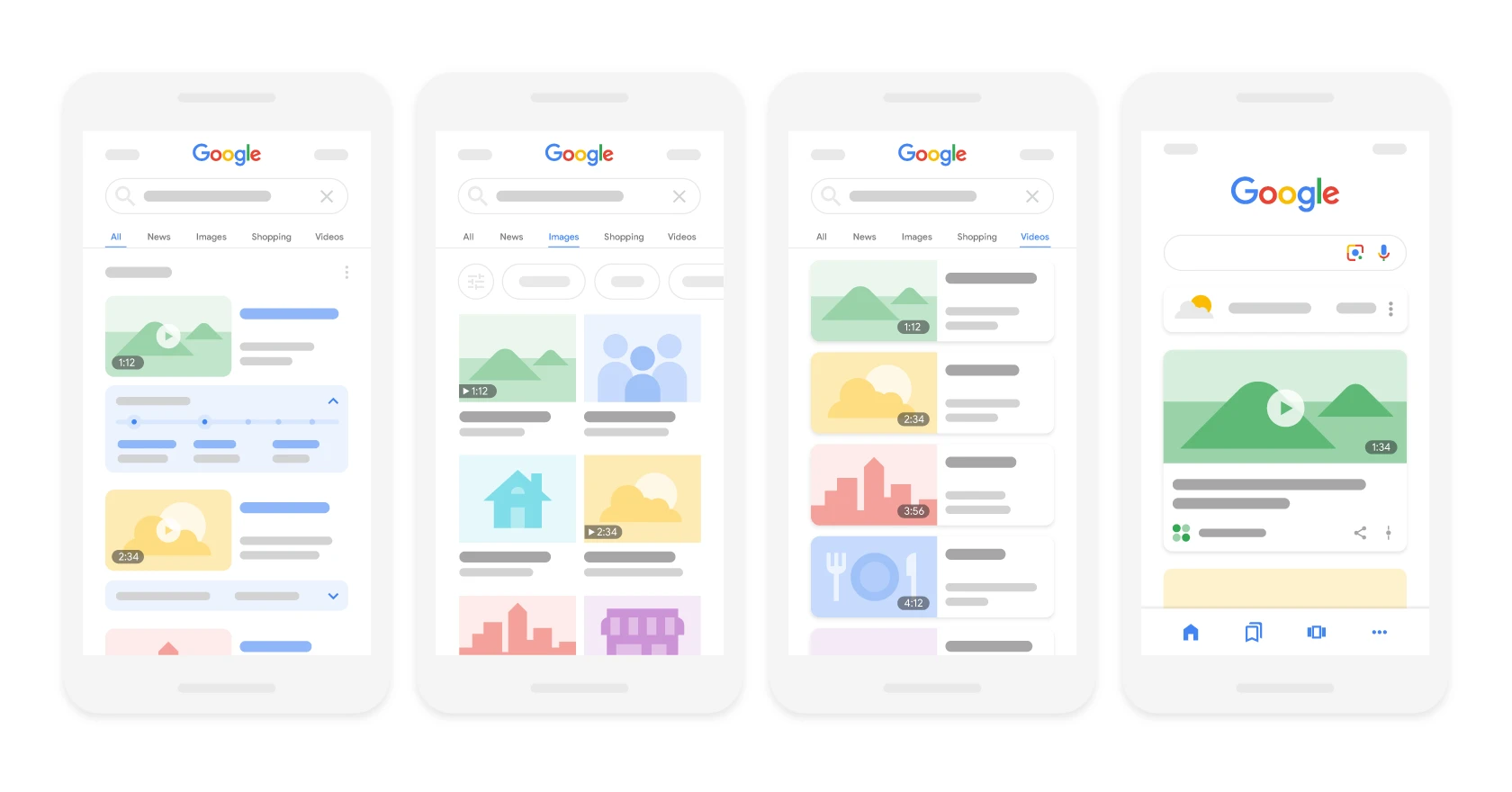
Growth in YouTube views in 2026 means that a video more often gets traffic from several sources at once: Search, the homepage, suggested videos, Shorts, subscriptions and playlists. This is an important practical shift, because a strong result in one place increasingly is not enough for a channel to grow steadily. It is worth designing content so that it works both for a viewer searching for a specific answer and for someone who finds the video “via recommendation”.
Today, the key is to align the promise with the content. When the thumbnail and title promise a specific benefit and the first few seconds of the video confirm it, the chance of further distribution increases. If the click-through rate is high but the opening disappoints, YouTube usually cuts reach rather than scaling it up.
In practice, the platform combines several signals at once. The most important are the click-through rate after impressions, attention retention at the start and in the middle of the video, total watch time, transitions to other videos and viewer satisfaction signals. That means that the title alone will not deliver the result, and good editing alone will also not be enough if the topic is off.
Growth in views is not just about a larger number of views on one video either. For a channel, it is often more important whether a single piece of content drives further views, strengthens a series and brings viewers back. The channels that grow most steadily treat publishing as a loop: demand analysis, production for intent, publishing, data reading and improvements.
- 01Traffic from multiple sourcesSearch, homepage, Shorts
- 02Content fitThumbnail promise = value in seconds
- 03Synergy of signalsThe platform combines different quality signals
The key to steady growth is designing content that both delivers on the promise and attracts viewers from multiple entry points, building the platform’s trust.
What practical actions increase views?
Views grow when you refine 10 specific elements: topic, thumbnail and title, the opening of the video, retention, metadata, the path to the next views, Shorts, publishing cadence, viewer activation and improvements based on data. These are operational actions, not vague generalities. Each of these points affects a different stage of the viewer’s decision and a different signal read by the platform.
- Target existing demand. Choose topics based on questions, comparisons, how-tos and specific audience problems, instead of publishing content that is too broad or ambiguous.
- Plan the click before you record. Prepare 2-3 thumbnail and title variants in advance so you can check whether the topic can be “sold” with one image and one sentence.
- Start with a strong first screen. The first few seconds should immediately deliver the promise of the video, show the end result or plainly name the problem you are about to solve.
- Build the video for retention. Cut the long intro, repetitions and digressions, and instead guide the viewer smoothly from point to point and signal what they will get in a moment.
- Match the metadata to intent. The title, description, chapters and language of the video should reflect how the viewer actually searches for the given topic, not how the creator names it “on their end”.
- Create a path to the next view. Link videos into series, playlists, cards and end screens so that after one piece of content the viewer is given the obvious next step on a plate.
- Use Shorts as an entry point. Short cuts from a longer video can test the topic, attract new traffic and direct viewers to the full version or the whole series.
- Publish at a pace you can sustain. Consistency helps, but more important than frequency is repeatable quality of the topic and the video “packaging”.
- Activate the viewer after watching. A question at the end, a pinned comment, a poll and the community tab make it easier to collect reactions and ideas for future episodes.
- Iterate after publishing. Check CTR, early retention, drop-off points, traffic sources and transitions to other videos, then adjust the thumbnail, title or editing approach of future content.
The biggest levers are only four: topic, video packaging, the first few seconds and the path to the next piece of content. It is worth starting with them, because improving the description or tags will not save a video that no one wants to click, or whose opening quickly puts people off. First fix what affects clicks and watch time, then refine the technical details.
In practice, it is a good idea to look at results through the lens of a specific problem, rather than a general assessment of the video. A low CTR usually points to a weaker topic, thumbnail or title. A high CTR and weak retention most often mean a mismatch between the promise and the content, or a start that is too slow.
This approach works best when the channel is building a coherent content library around one topic cluster. That way, YouTube can more easily understand who to recommend the next videos to, and it is simpler for the viewer to move from one piece of content to the next. Spreading a channel across too many inconsistent topics almost always weakens views, even if individual videos are made properly.
What role do thumbnails and titles play in attracting attention?
Thumbnails and titles decide whether the viewer will give the video a chance at all. They work in search, on the home page and in suggested content before anyone hears even one sentence from the recording. If the packaging does not clearly communicate the benefit, problem or result, even a good piece of content may fail to drive traffic. In practice, that means you need to be able to sell the video topic with one image and one sentence.
A good thumbnail is not meant to explain everything, only to catch the eye and complete the meaning of the title. The title should close the promise, rather than repeat word for word what is visible on the graphic. The strongest combinations usually work like a duo: the thumbnail shows tension, change or result, and the title clarifies who it is for and why it is worth clicking.
The most common mistake is that the thumbnail and title make a strong promise, but the opening of the video fails to deliver it. In that case CTR may look decent, but retention quickly falls and distribution weakens. YouTube does not reward the click alone, but the click combined with viewing and viewer satisfaction.
That is why packaging should be judged not only by aesthetics, but above all by data. When a video has few clicks despite sensible impressions, the problem may be an unclear title, a thumbnail that is too generic, or a promise without a clear “hook”. When clicks are good but viewers leave quickly, you need to improve the alignment between the packaging and the first few seconds of the video, rather than limiting yourself to swapping the graphic.
The most practical approach is to prepare 2-3 versions of the thumbnail and title before recording. If you cannot clearly show the value of the video at the planning stage, the topic is often too broad or too vague. It is a simple filter that saves time and helps you make better decisions before production.
- 01First impressionThe thumbnail decides the click
- 02Thumbnail & title duoPromise, not repetition
- 03Sell the benefitShow the result in one image
A video’s success depends on skillfully “packaging” the topic into one image and one sentence in order to attract the viewer.
Why is it worth combining different content formats on a channel?
Combining different formats increases views because the channel can collect traffic from several places at once, rather than only from one type of content. In 2026, viewers find content through search, the home page, suggested videos, Shorts, playlists and the subscriptions tab. If you publish only one format, you narrow the number of entry points to the channel.
The best setup is one in which each format serves a specific function. Longer videos build watch time, trust and a more in-depth discussion of the topic. Shorts help you reach new audiences faster, test ideas and capture attention in competitive topics. Live content or community posts can strengthen the relationship and collect questions for future episodes.
- Long-form videos are used to fully solve the problem and build additional views.
- Shorts are used to bring in new traffic and test which angles really attract attention.
- Playlists and series tie the formats into one path so the viewer does not end the session after a single piece.
Shorts are best treated as a starting point for longer videos or an entire series, rather than as a separate world with no next step. If a short piece sparks curiosity but does not lead anywhere, part of the traffic potential simply disappears. A snippet that shows the problem, the result or a controversial conclusion and naturally points to the full version works much better.
Combining formats also makes production planning easier. From one strong topic, you can prepare a full video, several Shorts featuring the strongest moments, a community post with a question for viewers, and a playlist that ties similar materials together. Such a structure provides more data on what genuinely interests the audience and helps you choose the next topics.
The key is simply for the formats to stay within the same subject area. When Shorts cover something different from the long-form videos, the channel attracts random traffic that translates poorly into further viewing. Each format should reinforce the same topic cluster; then YouTube and the viewer understand faster who the channel should be recommended to.
What mistakes do creators most often make on YouTube?
Creators most often lose views because of a mismatch between the topic, poor packaging of the video, and not working with the data after publishing. A typical mistake looks like this: the thumbnail and title promise something specific, but the opening of the video does not deliver on that promise. The viewer clicks, leaves after a moment, and the platform receives a signal that the material did not meet expectations. On YouTube, it is not enough to get the click; you also need to hold attention precisely around the promise made by the video packaging.
The second common problem is a topic that is too broad or not entirely clear. The video tries at the same time to explain the basics, answer several questions, and, incidentally, sell an additional offer. As a result, the title becomes generic, the thumbnail lacks specificity, and the material itself loses pace. One video should solve one main problem for one type of viewer.
Many creators still start with a long intro, self-presentation or a few lines that add little. This hurts especially in the first few seconds, when the viewer decides whether to stay. It is better to show the result, the problem or the plan for the video straight away in a simple way. If the opening is too slow, even a good middle section may not get a chance.
A common operational mistake is focusing on details instead of the biggest levers. The creator polishes tags, the description and minor settings, but does not change the topic, thumbnail, title or the first 30 seconds. These are usually the elements that drive most of the result. First, optimise what affects the click and retention, and only then the remaining things.
Publishing without planning the next views can also be problematic. The video ends, and the viewer is not given a clear “what next”, so the viewing session breaks off. When a channel does not build series, playlists or logical bridges between materials, stable growth becomes harder. In such a situation, a single successful video supports the whole less than it could strengthen the entire catalogue.
The last common mistake is failing to iterate after the premiere. The creator publishes, glances at the number of views and decides that the topic was a success or a failure, while at the same time not checking where the traffic came from, at what point viewers drop off, or whether it is worth replacing the thumbnail or title. The first signals after publishing are not there to judge the creator’s ego, but to make specific decisions.
- 01Promise mismatchThe opening does not deliver the promise.
- 02Topic too broadGeneric, loses pace.
- 03No work with dataAfter publishing, no conclusions.
Keeping attention around one promise is key.
Which metrics are worth analysing after publishing a video?
After publishing a video, it is best to first analyse traffic sources, click-through rate, early retention, average view duration and transitions to other materials. These metrics show whether the problem lies in getting people into the video, in the content itself, or in the way viewers are guided onwards. That way you know what to improve next, instead of acting at random.
Traffic sources show where a video is actually “carrying”: in Search, on the Home page, in suggested videos, from playlists or from Shorts. This matters because each entry channel follows a slightly different logic. A video that answers a specific question can keep drawing traffic from Search for a long time, while a piece with a strong emotional charge more often competes for the Home page and suggested videos. First check where viewers came from, because only then do CTR and retention have the right context.
CTR tells you what percentage of people clicked after seeing the video, so it helps assess the thumbnail and title. A low CTR usually means the topic is poorly “packaged” or unclear to that viewer. A high CTR does not, however, guarantee success if viewers drop off quickly straight after clicking. That is why this metric is worth reading together with the opening of retention, rather than in isolation.
Retention in the first few seconds and the first minute shows whether the opening delivers on the promise made by the title and thumbnail. If the graph drops sharply straight away, the usual culprits are an intro that is too long, an unclear start or a mismatch between the promise and the content. When the opening is solid, it is worth looking at the middle of the video and the points where the sharp drops happen. That is usually where digressions, repetitions, too-slow transitions or sections that do not add new value come to light.
Average view duration and average percentage viewed help assess whether the content holds attention throughout, but they need to be read sensibly. A shorter video can have a higher percentage viewed, while a longer piece may deliver more actual watch time. In practice, what matters is whether the length of the video is justified and whether the next sections remain relevant to the viewer. Do not extend a video just for the sake of watch time. What matters is retained attention, not empty minutes.
At channel level, it is worth tracking end screen clicks, transitions to playlists, the share of returning viewers and reactions under the video. If a video is watched well, but few people move on, the problem is usually not the topic, but the lack of a clearly guided “next step”. In that situation, you need to connect the materials more tightly into a series, refine the ending and clearly indicate what to watch next. A video that triggers subsequent views usually delivers more than content with a one-off spike in views.
What is key, however, is what you do with the data readout. A low CTR suggests testing a new thumbnail or title. A high CTR with weak retention suggests improving the opening, pacing or alignment between the promise and the content. Strong viewing with weak transitions to other materials means you need better internal linking, series-building and more polished end screens. This kind of interpretation turns analytics into real growth, rather than simply looking at charts.
How to optimise older videos so they still attract viewers
Older videos are optimised by improving their “packaging”, aligning them with the viewer’s current intent and better slotting them into a path of further views. The point is not minor tweaks for the sake of appearance, but recovering content that already has history, a topic and signals from the market. The best results come from changes to videos that are still getting views from Search, suggested videos or the Home page, but are not using their full potential. If a video is already getting views, even a small improvement in CTR or transitions to other materials can deliver real growth without filming from scratch.
Start by choosing the right videos to refresh. The best candidates are evergreen pieces, videos addressing a still-current problem and publications that have views but a weak click-through rate, weak onward journeys or outdated packaging. If the topic is good and the video has “stuck” with an average thumbnail and a title that is too generic, it is usually worth starting with those elements.
There is no point starting with pieces that were poorly matched to the channel from the outset or cover a topic with no demand. In such cases, it is better to create a new video with a better angle than to revive a publication that no longer has any business or content rationale. Optimise what still has a chance of answering a real viewer question.
The strongest lever in older videos still remains the thumbnail and title. With the benefit of hindsight, it is easier to judge whether a title is too broad, overly abstract or does not communicate a specific benefit. A good fix does not make the video more sensational; it simply makes it understandable in a second.
When changing the title and thumbnail, start by checking the traffic source. If the video is getting visits from Search, the title should be closer to how the user actually phrases the query. When the content is mainly carried by suggested videos and the Home page, a clear promise and clear problem context work better than a dry, “dictionary” phrase. A new thumbnail should organise the message and make it easier to understand, not just “shout” with a stronger colour.
The next stage is refreshing the elements that help the platform and the viewer properly read what the video is about. It is worth refining the description, adding clear chapters, updating the wording and adding a pinned comment directing people to a newer video, a playlist or an expansion of the topic. This is especially important when the video itself is still performing well, but part of the information needs fresher context.
If the content in the middle has partially aged, you do not always need to give up on it. Often it is wiser to add in the description and comment what has changed, and then direct viewers to a newer version or update. That way the old video still captures traffic, and the viewer is not left stranded without a next step.
An area that is surprisingly often overlooked is internal linking. An older video should lead to the next logically related piece through the end screen, card, playlist and pinned comment. A video that is good to watch on its own, but does not pass the viewer on, loses a large part of its value for the whole channel.
In practice, it pays to build small clusters from several related publications. If you have an older basic guide, link it to a newer video about mistakes, comparisons, updates or a use case. Then one old piece stops being an isolated asset and starts working as an entry point to the whole series.
After implementing the changes, give the video time and watch specifically what actually improved. Monitor CTR after changing the thumbnail, traffic sources, end screen clicks and whether the share of subsequent views increased. If CTR rises but early retention is still weak, the problem is no longer the packaging, but the mismatch between the promise and the first few seconds of the video.
Don’t change everything at once, without a plan or sequence. It is better to improve the thumbnail and title first, then the descriptions and internal linking, and finally decide whether a new version of the material is needed. Older videos are best treated as assets: analyse, update and connect them with the newer catalogue, instead of leaving them unattended after publication.
FAQ
Frequently asked questions
How can you increase YouTube views in 2026 without a random viral hit?
The best approach is to focus on aligning the topic with a real viewer need, a strong video package, and the first seconds that deliver on the promise. Analysing data after publishing is also important, because YouTube evaluates not only the click, but also watching and the viewer’s further behaviour.
Do the thumbnail and title have a big impact on video views?
Yes, because they decide whether the viewer will click the content at all. If they do not clearly show the benefit, problem or result, even a good video may not get traffic.
Why is the first part of a video so important for reach on YouTube?
The first seconds must confirm the promise from the thumbnail and title, otherwise the viewer will leave quickly. If the opening disappoints, YouTube usually limits further distribution of the video.
What metrics are worth checking after publishing a video on YouTube?
First of all, it is worth analysing traffic sources, CTR, retention at the start, average view duration and clicks through to other videos. These data show whether the problem lies with the click, the content or guiding the viewer onwards.
Can Shorts help get more views on YouTube?
Yes, because they can act as an entry point to a longer video or an entire series. They also work well for testing topics and bringing in new traffic.
What mistakes most often reduce YouTube views?
The most common issues are an ill-fitting topic, weak video packaging and no work with the data after publishing. A long intro, a mismatch between the promise and the content, and no next step after watching the video can also be a problem.