
Visibility is not memory. The fact that a brand flashes before someone’s eyes does not yet mean it stays in their mind for long. In practice, something simpler and at the same time more difficult matters: whether, after contact with an advert, website or offer, the customer can recall the name, association, benefit or specific product. Many companies pump budgets into campaigns, and then uncover a painful truth. Audiences remember the message, but they do not remember who sent it. The most important question is not “did someone see it”, but “what exactly did they remember and what did they connect it with”. That is why assessing brand memorability has to be based on real touchpoints, data and tests, not on the mere feeling that the communication “looks good”. This article is precisely about that: how to check whether a brand leaves a trace in the audience’s mind, and what to do when that trace is simply too weak.
What brand memory means in practice
Brand memory is concrete, not theory. In practice, it means the audience’s ability to recognise and recall a brand after contact with an advert, website, email or offer. It is not only about knowing the logo, even if that is usually what “makes the first impression”. What matters is whether, after a moment or over time, a person can connect the brand name with a category, promise, benefit or distinctive differentiator.
This can be checked in hard elements. You analyse the name, logo, colours and typography, but also headlines, tone of voice, creative layout, landing page, emails and sales content. If a brand is recognisable only by its logo, and beyond that all the messages look like the competition’s, then its memory is weak. And the problem lies not in aesthetics at all, but in the lack of repeatable anchors.
In practice, you do not measure whether a campaign had reach. You measure what remained in the audience’s mind. Often the user remembers the problem, promotion or the product itself, but not the brand that communicated it. This is one of the most expensive mistakes, because the budget then works not for your own visibility, but for the category or the competition.
That is why assessing brand memory is diagnostic and operational in nature. You check which touchpoints strengthen memorability and which dilute it through chaos, too much content or a lack of consistency. The result should not be a vague description such as “the brand needs stronger communication”. It should be concrete decisions: what to simplify, what to repeat more often, what to standardise between the advert and the website, and where the brand disappears, covered by the offer itself.
This approach is particularly important where the customer journey is short or fragmented across channels. An audience member may see an advert on social media, later arrive from search, return from an email and only then buy. If at every stage they see a different style, a different headline and a different emphasis, the brand does not build memory, but a series of disconnected stimuli. And then everyone wonders why “something is not working”.
Current challenges in brand memorability
Today the toughest opponent of a brand is overload. Current challenges in brand memorability stem from content saturation, similar messages and attention being spread across channels. Audiences consume messages quickly, often superficially, sometimes almost automatically. A brand usually has a few seconds to be recognised and associated with something specific. The question is: can it be grasped in that time, or does it just flash by like another “nice image”.
The biggest problem today is simple: many creatives look almost the same. The same ad layouts, similar headlines, identical benefit-led language and predictable landing pages mean that the audience sees the message, but does not catch who it is actually from. The mere presence of a campaign does not build brand memory if the message has no distinctive, repeatable signals of its own.
The second challenge is the mismatch between channels. An advert may promise one thing, the landing page may show another, and the email may add a third tone and different vocabulary. And then even a good creative loses momentum, because the audience does not get one easy-to-code pattern. The question is: how are they meant to remember the brand if the brand speaks in a different voice at every step.
How we measure the effect is also becoming more important. With limitations in user tracking, it is not always possible to faithfully reconstruct the entire touchpoint journey with the brand, point by point. That is why in practice the significance of indirect indicators is growing: branded search, direct traffic, returning users, recognition of creatives in surveys or consistency of associations declared by audiences. Data clearly shows that without such “fingerprints” of memory, we are left with pretty charts and a poor answer to the question about the brand.
This means one thing: assessing brand memorability cannot rest on a single data source. Instead of faith in one metric, you need to build the picture from several perspectives: analytics, behavioural observation and short qualitative studies. GA4, Search Console, CRM, recall tests, heatmaps, session recordings and short interviews together show far more than CTR or the number of impressions alone. And that is not academic caution, but practice that saves budgets.
In practice, the brands that win are the ones that can be recognised in the first few seconds of contact. A clear headline, a distinctive layout, consistent colour scheme, repeatable messages and a logical link between the advert and the next step all matter. The point is not to be the loudest in the market, but to be clear enough. So that the audience knows, without effort, who they are dealing with.
Stages of the brand memory audit and optimisation process
The stages of the brand memory audit and optimisation process lead from establishing what the audience is meant to remember to implementing changes and measuring whether the brand really stays in their mind. Without this sequence, it is easy to assess communication by how “nice” it looks, rather than by its memory effect. In practice, it works like this: first you define the goal, then gather the data and materials, then check consistency, run tests, identify memory leaks, implement fixes and observe the results. Simple on paper, demanding in reality.
- First define the memory objective, i.e. whether the audience should remember the brand name, category, benefit, flagship product or a specific visual differentiator.
- Then gather the input material: adverts, landing pages, the website, emails, social media, offers, sales scripts and data from GA4, Search Console, CRM and ad platforms.
- The next step is an audit of differentiators and consistency, i.e. checking whether the brand looks and sounds similar across different channels.
- Next, conduct memory and perception tests, such as unaided recall, aided recall, 5-second tests, short post-exposure surveys, scroll analysis, clicks and on-site behaviour.
- After the tests, identify the places where the brand “drops out of mind”, for example where the product overshadows the brand or the advert does not logically fit with the landing page.
- Only then does it make sense to start optimising the messages, content hierarchy, creative, CTA and repeatable brand signals.
- Finally, define the KPI and the monitoring method so you can check whether the changes actually increase branded search, direct traffic, return visits and message recognition.
The biggest problems usually emerge at the junction of channels, not in one “broken” advert. A brand can be crystal clear in social media, and then simply dissolve once someone lands on the website, because the landing page looks like a ready-made template and does not reinforce the same signals. The trouble is that the audience does not put it all together. If the advert and the landing page do not build one association, the audience often remembers the promise, but not the brand.
Quantitative data alone will not deliver the answer. It will show traffic and clicks, but it will not say what stayed in people’s heads. That is why analytics need to be combined with memory tests and short qualitative research; otherwise, you are just circling around metrics. Unaided recall shows whether the brand comes to mind without prompting, while aided recall checks whether the audience recognises it after being shown the name or creative.
The audit should end with decisions to implement, not an elegant diagnosis for the drawer. And that is not a cliché. A well-structured process gives you a touchpoint map, a list of priorities, a communication consistency matrix and a backlog of changes for marketing, UX, content and design. The most useful audit does not say that the brand is “not distinctive enough”; it shows which elements need to be simplified, standardised or given stronger emphasis.
Practical steps to improve brand recognition
Practical steps to improve brand recognition are simple in theory, harder in execution. It is about simplifying the message and persistently repeating the same signals in advertising, on the website, in emails and in sales. First you need to decide exactly what is meant to be remembered. Without that, the brand tries to say everything at once, and ends up with a message that fades like ink on wet paper.
Start with one main memory object: the name, category, benefit, flagship product or a distinctive visual element. That keeps both the creative and the on-site content in line. The question is whether you really want one campaign to embed everything at the same time. Because then the audience usually remembers nothing specific.
Then gather the full material for review. You need current adverts, landing pages, mailing, social media posts, sales offers, data from GA4, Search Console, CRM and examples of real journeys from first contact to purchase. Only then can you clearly see whether the brand is recognisable at just one touchpoint or throughout the whole funnel.
- Check whether the brand is visible and legible in the first few seconds of contact with the advert or on the first screen of the website.
- Assess whether the headings, leads and CTA build the same main association instead of distracting attention with additional slogans.
- Compare the adverts with the landing page and check whether the colour scheme, language, promise and layout turn this into two different worlds.
- Cut out elements that inflate the volume of communication but leave no hook in the mind for the brand.
- Test variations of creative and headings instead of taking it on trust that a more “creative” version will automatically be more memorable.
Choose tools for the specific question. GA4 and Search Console let you track branded queries, direct traffic, returning users and entry paths. And what about the “softer” side, i.e. the actual contact with the creative? Heatmaps, session recordings and UX research show whether the audience even notices the brand elements, while surveys and interviews add what it associates with the brand after exposure to the communication.
The most common mistake. Too many messages and constant shifts in style. One time the brand speaks in benefit-led language, then in technical language, then in image-led language, and at the same time mixes the advert layout, tone and visual differentiators. Recognition grows not from more messages, but from the repetition of the right ones.
Implement changes in stages. It works. First refine what works hardest on brand memory: the hero section, the main heading, the fixed visual elements, the structure of the creative, the names of sections and advert–website consistency. And this is where it gets concrete, because it is easy to fall into a “major rebuild”. It is better to implement a few measurable changes and check their effect than to rebuild the entire communication without a clear hypothesis about what should improve memorability.
The most common mistakes in brand communication and how to avoid them
The most common brand communication missteps are three: inconsistency, message overload and the lack of one clear element to remember. In practice, the brand tries to say too much at once: about price, quality, speed, promotion, broad range and its mission as well. Sounds ambitious. The effect is often predictable: the audience sees the message, but does not file it into the “short-term memory” in their head. If, after contact with an advert, you cannot answer what exactly was meant to be remembered, the communication is too scattered.
Another common issue is that the brand appears only at the finish. That is how adverts work which first show the product or offer, and only then the name, colours, distinctive layout or a benefit tied to the brand. In channels where attention lasts a few seconds, that is simply too late. It is better to give brand signals from the start: in the heading, on the first screen, in the opening of the video, in the creative layout and in the language of the message.
Another mistake is more insidious: a lack of continuity between the advert, the landing page and the rest of the funnel. The audience clicks through on one promise, and after landing on the page they get a different tone, a different headline and a different hierarchy of information. It seems minor. In practice, it weakens the association and makes it harder to recognise that they are still in contact with the same brand. The biggest loss of brand recall is often caused not by weak advertising, but by a break in continuity between touchpoints.
Many brands lose recognisability because they hide behind cotton-wool slogans. “Highest quality”, “comprehensive approach” or “solutions for everyone” sound fine, but so what. Such messaging leaves no trace, because it has no hook for the brain to latch onto. The audience remembers neither the advantage nor the reason to come back to this particular brand. It is better to name one benefit in painfully concrete terms and then consistently repeat it across different channels.
The second trap is changing the communication style too often. One time the colours change, then the headings, then the ad templates, and on top of that the tone of voice and the way the offer is presented. A brand can evolve, of course, but constantly starting “from scratch” breaks the associations that were only just beginning to settle. Recognisability grows thanks to repeatable distinguishing features, not thanks to an endless chase for novelty.
How to avoid this. First, define one main “memory object” and check whether it is visible in every important contact with the brand. Then go through the entire user journey and assess whether the name, benefit, identity and message structure are consistent from the advert to conversion. Finally, test simplified versions of the creatives and pages, because in practice it is the simpler, more unambiguous messages that more often stay in people’s heads than the “fuller” but overloaded ones.
How to measure brand recall effectiveness
Brand recall effectiveness is measured by colliding three perspectives: behavioural data, search signals and simple research into what the audience actually remembers after contact. Clicks, reach or CTR alone do not yet tell you whether the brand has stuck in people’s heads. They may indicate interest in the offer or the format, but not a lasting association with the brand. The question is: after a week, will someone recognise the name without a prompt. That is why you need to look more broadly and build a picture from several types of metrics.
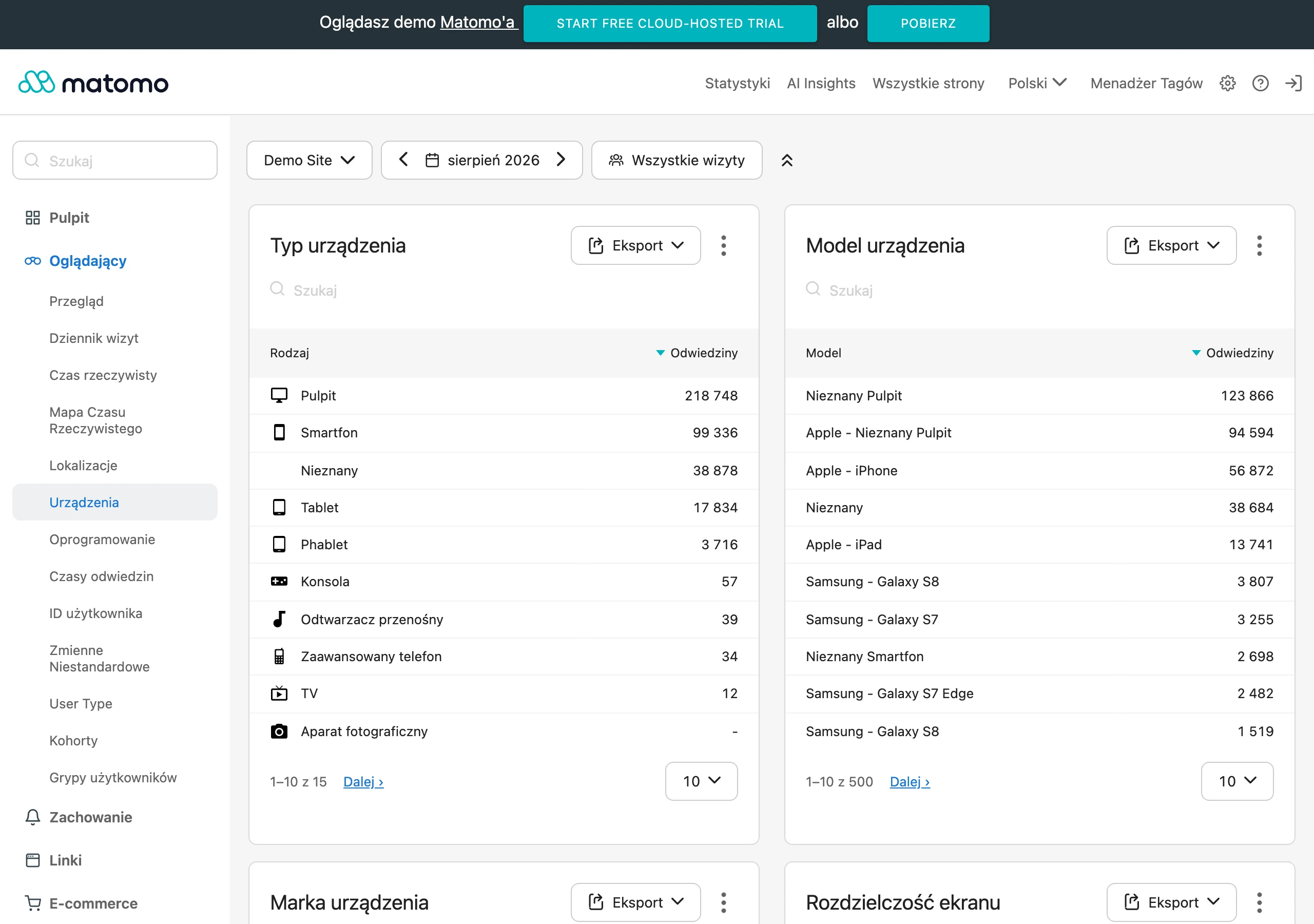
The most useful are indirect metrics that can be tracked regularly, without making a revolution every month. In practice, it is worth monitoring branded queries in Search Console, direct traffic and returning users in GA4, as well as patterns in CRM, for example more frequent returns from leads who later recognise the brand by name or offer. If the number of branded visits and returns is growing, and communication has been simplified and standardised in the meantime, then this is usually a sign that brand memory is working at a better pace.
Quantitative data alone are not enough, because they will not tell you exactly what was remembered and what merely “flashed” through the feed. For that, you need short qualitative research: unaided recall questions, aided recall, 5-second tests, post-exposure surveys, interviews or comparisons of several creative versions. The best questions are simple and unvarnished: which brand did you remember, what do you associate it with, which benefit stuck in your mind, can you tell it apart from the competition. This makes it possible to check whether the audience remembers the name, the category, the promise — or only the product itself.
Analysis of behaviour on the website and landing page is also very important. In short: you need to see what the user really “reads” with their eyes. Heatmaps, session recordings and scroll analysis show whether the audience is actually seeing and processing the brand elements where the key action was meant to happen. If attention sticks only to the price or the form, while bypassing the name, benefit and distinguishing features, it is hard to expect an increase in recall. And then the problem is that the advert may perform brilliantly in sales terms, but the brand remains interchangeable.
Measurement should start with a benchmark and one set of KPIs matched to the memory objective. First the definition, then the numbers. If the brand wants to be remembered by name, branded search and recall responses will be the most important. If the goal is a benefit or a differentiator, creative tests and stated associations will matter more. The question is: what exactly should remain in the audience’s mind. You cannot sensibly assess brand recall without first defining exactly what is meant to be remembered.
The most common mistake in measurement is assessing recall solely on the basis of the sales campaign result. That is convenient, but misleading. A campaign may deliver leads while building no lasting recognisability at all. Instead of one “final result”, it is better to look at two perspectives — the short-term one (response and conversion) and the memory one: does the brand return in search, is it recognised in tests and does it maintain consistent associations. Good brand communication not only sells here and now, but also increases the chance that the audience will return to the right name later.
FAQ
Frequently asked questions
How can you check whether a brand is remembered by its audience?
You need to measure not reach alone, but what the audience can recall after contact with the brand: the name, association, benefit or product. Recall tests, behaviour analysis and data from different touchpoints help with this.
Is logo recognition alone enough for a brand to be remembered?
No, because a brand may be recognised by its logo and still not leave a strong mark in the mind. What matters is whether the audience also connects it with the category, promise, benefit or differentiator.
Why do audiences remember the message but not the brand?
Most often this happens when the message is fragmented or inconsistent across channels. Then the audience remembers the problem, promotion or product, but does not associate it with a specific brand.
When does a brand lose audience memory in the customer journey?
Most often at the channel handover points, when the ad, landing page and email speak in different language and emphasise different things. Then the audience does not piece the communication together into one whole.
Which metrics help assess brand memorability?
The article points to branded search, direct traffic, returning users and recognition of creatives in surveys, among others. Data from GA4, Search Console, CRM, heatmaps and session recordings are also important.
How can you improve brand recognition without changing the whole communication?
First you need to define one main memory anchor, then repeat the same signals in advertising, on the website, in emails and in sales. The biggest impact comes from simplifying the message, consistency and consistently exposing the brand from the very start of contact.