
Anchor text, also known as link text, is the visible and clickable text in a hyperlink. It is a key element in SEO that can have a significant impact on a page’s SEO in search results. In this article, we’ll look at why it is so important and how to use it optimally.
Definition of anchor text
Anchor text is the visible characters and words that appear as hyperlinks when linking to another document or location on the web. It usually appears as blue underlined text.
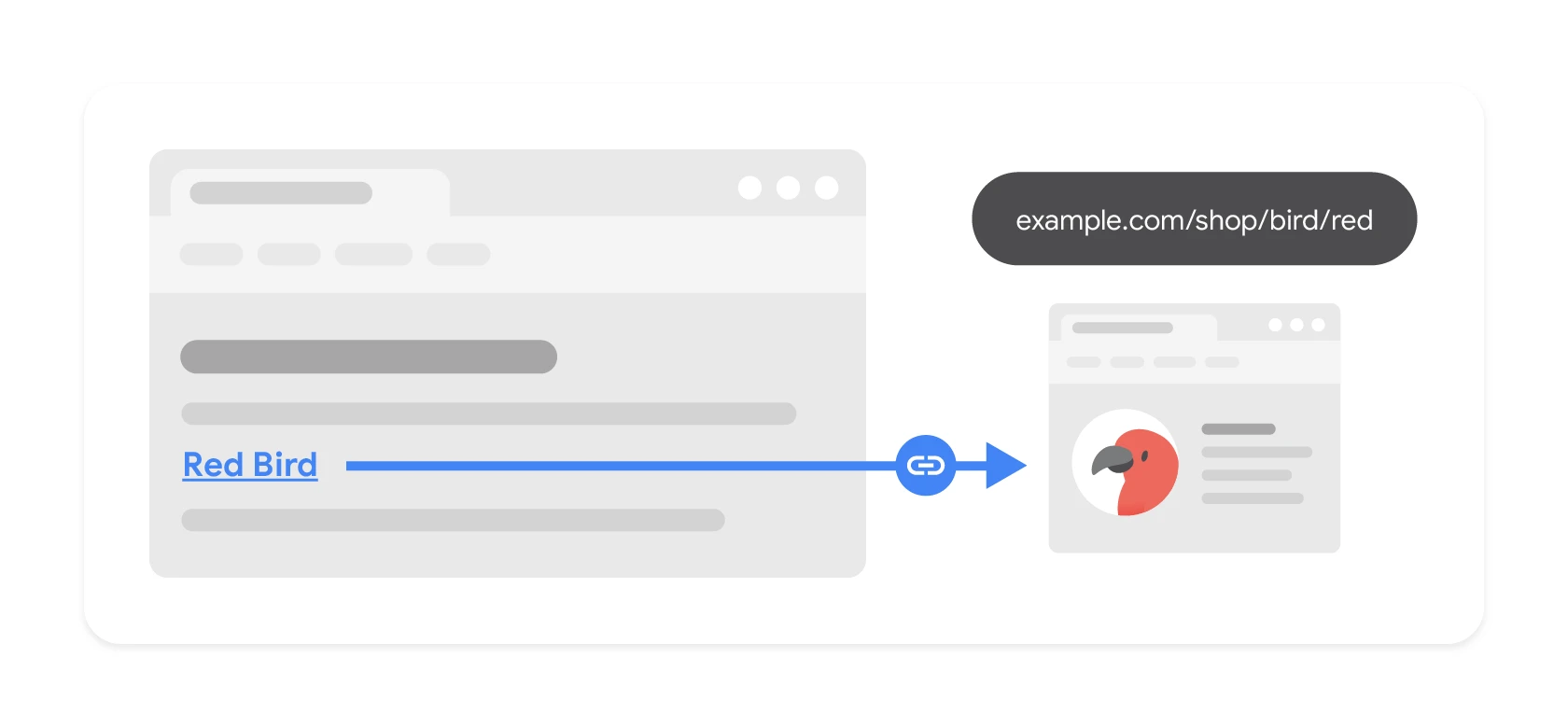
Example in HTML code: Example Anchor Text
- 01Visible linkUnderlined text to click.
- 02Resource connectorPoints to another document or place.
- 03HTML structure<a href="…"> Anchor</a>
A key navigation element and a signal for search engines, defining the target content.
Why are anchor texts important for SEO?
- They help search engines understand context – link text provides search engines with contextual information about the content of the destination page. Search engines such as Google use link text as an indicator of the topic of the destination page.
- They increase user click-through – optimised anchor texts tell the reader what they can expect after clicking the link, increasing the likelihood of a click.
What types of anchor texts are there?
- Exact-match – the link text contains the exact keyword of the destination page. For example: “link building” leading to a page about building a link profile.
- Partial-match – the link text contains a variation of the keyword of the destination page.
- Branded – the brand name used as the link text.
- Naked link – the URL itself used as the link text.
- Generic – a general word or phrase used as the link text, e.g. “click here”.
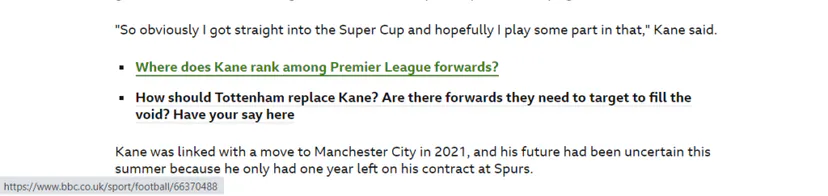
- In image form – if an image is linked, Google will use the text contained in the image alt attribute as the anchor text.
- 01Exact-matchExact keyword
- 02Partial-matchKeyword variation
- 03BrandedBrand name as text
- 04Naked URLUsed URL
- 05GenericGeneral word, e.g. "click here"
Different forms of anchor text affect SEO and user experience.
How search engines interpret anchor texts
Search engines such as Google use anchor texts as one of many signals to determine the topic and quality of the destination page. If many pages link to a single destination page with similar anchor texts, search engines may recognise that page as an authority on a given topic.
- External anchor texts – anchor text from other sites that link to your site, can be seen as a reflection of how others perceive your website. For example, if many sites link to your coffee article using the anchor text “best coffee in Warsaw”, search engines may consider your article a valuable source of information on the subject.
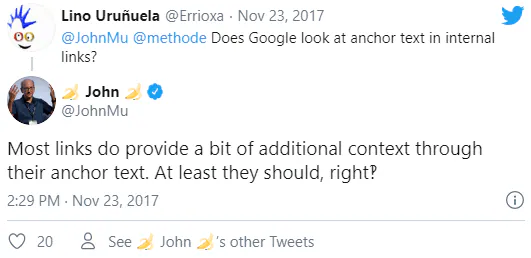
- Internal anchor texts – these are links within your site that lead to other pages on your website. By using precise and descriptive internal anchor texts, you can help search engines understand the structure and hierarchy of your site.
Potential risks associated with anchor texts
While the proper use of anchor texts can bring SEO benefits, there are certain practices that can lead to problems:
- Over-optimisation – if too many links point to your site with exactly the same anchor text, it may look like manipulation of search results. Google may penalise your site for over-optimising anchor texts. The key is the right distribution of anchor texts across your link profile.
- Irrelevant links – if you receive many links from topically unrelated sites with anchor texts that have nothing to do with your site content, this may negatively affect your SEO.
- 01Over-optimisationThe same anchor text (manipulation)
- 02Irrelevant linksNo connection to the content (harmful)
- 03Proper distributionDiversity and naturalness (crucial)
A natural link profile with varied anchor texts is key to avoiding penalties and improving SEO.
Best practices for anchor texts
- Brevity – the anchor text should be short and to the point.
- Relevant to the destination page – the anchor text should accurately describe the page it leads to.
- Low keyword density – avoid overusing keywords in the anchor text.
- Do not be vague – avoid using generic anchor texts such as “click here”, which do not reflect the context of the given subpage.
Interesting facts about anchor tests
- Search engines, such as Google, have started to focus more on keywords in the anchor text, especially after the Penguin algorithm update.
- Too many links leading to one page with the same anchor text can look suspicious to search engines.
- Although website owners often do not have control over the anchor text that other sites use when linking to them, you can make sure that the anchor text used on your own site is useful, descriptive and relevant.
Summary
Anchor texts are a key element of SEO, but their use requires care. By applying best practices and avoiding potential pitfalls, you can effectively use anchor texts to improve search visibility while also providing valuable navigation for users.
FAQ
Frequently asked questions
how does anchor text affect a site’s SEO?
It helps search engines determine the topic of the destination page and can support its rankings. In addition, a well-described link text increases the chance that a user will click the link.
can anchor text improve visibility in search?
Yes, because it is one of the signals Google takes into account when assessing a page’s topic and quality. When many sites link with similar link text, it can strengthen the perception of the page as an authority.
what types of anchor text are there?
The article lists exact-match, partial-match, branded, naked link, generic and anchor text in the form of an image. In the case of an image, Google may use the text from the alt attribute.
why is it not worth overusing the same anchor texts?
Too many links with identical link text can look like an attempt to manipulate search results. The article notes that this may lead to a penalty for over-optimisation.
what should a good anchor text contain?
It should be short, relevant to the destination page and as precise as possible. It is better to avoid vague phrases such as “click here” and an excessive number of keywords.
how do search engines interpret anchor texts from other sites?
They treat them as a signal of how other sites perceive your content. If links pointing to one subpage have similar text, search engines may consider it important for that topic.