
Audience Targeting is a way of directing ads and messages to people who are most likely to take an action important to the business. In practice, this does not come down solely to choosing age, gender or location, but to combining data with user intent, the stage of the buying decision and the right channel of reach. Well-planned targeting reduces random impressions and improves the quality of traffic, leads and sales. The most important thing is that targeting effectiveness depends not only on campaign settings, but also on the quality of measurement, message alignment and the landing page. That is why performance analysis should not end with clicks or reach. Ultimately, what matters is whether the ad reaches the right person, at the right moment and with the right offer.
What is Audience Targeting and why is it crucial?
Audience Targeting is the process of selecting and segmenting audiences so that ads reach the people most likely to convert. It includes not only defining who should see the message, but also where they should see it and in what version. In practice, this means selecting segments, channels, creatives, exclusions and optimisation rules.
This is crucial because ad budget most often “leaks” not through bids themselves, but through irrelevant impressions and low-quality traffic. When a campaign reaches too broad or random an audience, the number of clicks rises without translating into business results. Good targeting improves not only acquisition cost, but above all the quality of the end result: a lead, a sale, a sign-up or a contact.
Today targeting operates in tougher conditions than it did a few years ago because user tracking is more restricted. For this reason, first-party data, correctly configured conversions, marketing consents and CRM integration are becoming more important. Advertising platforms can automate audience selection, but without clear goal signals and sensible exclusions they often steer campaign optimisation in the wrong direction.
It is also worth remembering that the problem is rarely only the audience itself. Poor results are usually the outcome of several overlapping mistakes: poor targeting, misaligned creative, too broad an offer and a weak landing page. If the message does not answer the user’s intent, even a well-chosen segment will not deliver good results.
- 01Selection processPrecise audience segmentation.
- 02Loss eliminationReducing irrelevant impressions.
- 03Better resultHigher conversion quality.
Effective targeting translates into the quality of the end result, not just the number of clicks.
What are the basic stages of effective audience targeting?
The basic stages of effective audience targeting start with the business goal and end with the continuous optimisation of segments and messages. This is not a one-off campaign setup, but a process based on data, tests and ongoing adjustments. Each stage affects whether the advertising platform receives the right signals and whether the budget works towards a real result.
- Setting the campaign goal and the definition of success, for example a sale, a valuable lead or a contact.
- Auditing data and measurement: analytics, pixels, events, CRM, campaign history and available audience lists.
- Analysing customers and user behaviour in order to identify the common characteristics of converting users and identify purchase barriers.
- Creating operational segments such as new users, remarketing, high-intent users or existing customers.
- Assigning segments to channels and ad formats according to intent and funnel stage.
- Setting targeting criteria, exclusions and frequency caps to minimise audience overlap.
- Matching separate messages, offers, CTAs and landing pages to specific segments.
- Launching tests and evaluating results based on conversion quality, not just the number of clicks.
- Optimising by narrowing, broadening, shifting budget and updating audience lists.
In practice, the first three steps matter the most. If a company does not define what a valuable conversion is, has incorrectly configured measurement or does not distinguish a raw lead from a valuable one, subsequent actions can easily lead to false conclusions. First, the data needs to be organised, because without that even the best segmentation gives only an illusion of control.
The next key stage is separating the strategy into new acquisition, remarketing and recovering users who abandoned the process. These groups differ in their familiarity with the brand, have different objections and require different contact frequency. One campaign and one creative for everyone usually reduce message relevance.
In the end, the way results are assessed is decisive. A cheap click does not indicate a good segment if users do not fill in the form, do not buy or quickly leave the site. That is why effective targeting is assessed through traffic quality, conversion rate, lead quality, the share of new users and the actual impact on the business goal.
What data and tools are necessary for effective targeting?
For effective targeting, what matters above all is reliable data on conversions, user behaviour and brand contact history, plus the tools that collect, connect and activate that data in campaigns. Without this, the advertising platform optimises towards random signals rather than real business outcomes. The most important thing is accurate measurement of the final action, not just clicks or visits. When there is no clarity about which leads are valuable, it is hard to build a strong audience.
The foundation is web analytics and ad tracking: conversion events, pixels, tags, campaign tagging and consistent attribution. In practice, you need to verify whether forms, phone calls, purchases and other key actions are being measured correctly and assigned to the right traffic sources. Just as important is distinguishing between a raw lead and a lead accepted by sales. If all contacts are put in one basket, targeting quickly starts learning from the wrong signals.
The second pillar is first-party data, that is CRM, customer list, purchase history, funnel stages, marketing consents and on-site behaviour. Thanks to this, you can create segments that are much more useful than simple criteria such as age or gender. With limited user tracking, the role of first-party data grows because it is more durable and better reflects the quality of the relationship with the brand. First-party data is nowadays often more valuable than broad interests available in the advertising platform.
To activate this data in campaigns, you need advertising and integration tools: ad systems, tag managers, analytics, CRM and the connections between them. Automation alone will not solve the problem if the campaign has the wrong objective, exclusions are missing or events are defined imprecisely. Tools work best when they receive a clear signal of who to look for, who to exclude and which action genuinely has value.
In practice, before launching a campaign, it is worth verifying four things: whether conversions are measured, whether CRM data flows back into analytics, whether audience lists remain up to date and whether marketing consents legally allow the use of the data. A common mistake is to launch activity with polished creatives but without checking the quality of the input data. As a result, even sensible targeting performs poorly because the system is learning from an incomplete picture of the user.
- 01Reliable conversion dataBehaviour, contact history, real outcome
- 02Integrated toolsCollecting, connecting, activating data
- 03Accurate outcome measurementKey actions, value, not just clicks
The foundation of effective targeting is consistent conversion data, web analytics and tools that measure real business value, not random signals.
How to segment audiences properly for campaigns?
You should segment audiences by campaign objective, user intent and stage in the buying decision process, rather than limiting yourself to demographic characteristics. This approach makes it easier to match the channel, message, offer and landing page separately. In practice, a segment only makes sense when it can be served with a different creative, a different budget or a different exclusion logic. Segmentation should support operational decisions, not just look good in a presentation.
To start with, you need to separate new audiences from people who have already had contact with the brand. Prospecting is used to acquire new users, remarketing helps close the decision, and recovery of abandoned processes works at yet another stage. Each of these groups responds to a different message and requires a different contact frequency. Combining them in one campaign usually blurs the results and makes optimisation harder.
The next step is segmentation by signal strength. A person typing a specific query into a search engine usually has higher intent than someone who has only seen a post on social media. Similarly, a user who has visited pricing, a product page or a form is closer to making a decision than someone browsing the homepage. Behaviour and entry context often say more than demographics alone.
A good split should also take into account real business constraints: location, offer availability, sales cycle length, the devices used and the capabilities of the sales team. When a company operates locally, it is worth excluding audiences outside the service area straight away. If a lead from a phone call is higher quality than one from a form, it makes sense to separate mobile users and analyse them separately. Segmentation should result from what actually drives performance, not from the number of options available in the system.
The most common mistake is building too many small groups without enough data volume, or one very broad group covering everyone. In the first case, campaigns have nothing to learn from; in the second, the message becomes too generic. It is wiser to start with a few segments based on a clear logic, and only then narrow them down or expand them based on results. Good segmentation is iterative: you test, measure quality and make adjustments instead of assuming the first split will be perfect.
What are the most important targeting and exclusion criteria?
The most important targeting criteria are those that best predict the chance of conversion: intent, funnel stage, previous user behaviour, first-party data and the context of ad exposure. In practice, this means starting with signals such as searched keywords, visited subpages, abandoned cart, purchase history or form interaction. Demographics can help, but they should rarely serve as the main filter. Real behaviour and level of interest in the offer usually have more value than age and gender.
Good targeting aligns audience criteria with the channel and the message. A user actively searching for a solution will usually convert better in search, while someone only just becoming aware of a need more often requires a simpler message in social media or display. The same segment may also need a different proposition on mobile and a different one on desktop if the purchase path or form looks different.
First-party lists and segments based on first-party data are extremely important. These can be current customers, people in the CRM, users after specific events on the site, newsletter subscribers or audiences similar to the groups that convert best. If you have good first-party data and measure conversions correctly, it is usually more valuable than broad targeting based solely on interests.
Exclusions are just as important as targeting itself, because they protect budget from waste and organise campaign structure. It is worth separating new audiences from remarketing, removing people who have already converted from delivery, limiting overlap between groups and cutting off traffic outside the real service area. In many industries, excluding employees, partners, accidental locations and segments that regularly generate clicks without quality also makes sense.
- current customers in a campaign aimed at acquiring new people,
- users after a purchase or after submitting a form, unless the goal is upselling,
- traffic outside the serviced area, outside working hours or outside the delivery range,
- segments overlapping across campaigns,
- low-quality audiences identified on the basis of lead or sales data.
It is also worth adding contact frequency to your targeting and exclusion criteria. Too much delivery does not improve results on its own, and quite often only puts the audience off and drives costs up. Well-configured exclusions and frequency control often improve performance faster than adding more audiences.
- 01Intent and Funnel StageSearch queries, need awareness.
- 02User BehaviourVisited pages, interactions.
- 03First-Party Data (CRM)Abandoned basket, purchase history.
- 04Context and ConsistencyChannel and message fit.
- 05Demographics (supporting)Rarely the main filter, supporting.
The key is targeting real behaviours and intent, not just demographics, by consistently connecting the audience with the channel and the message.
What mistakes do marketers most often make when targeting?
The most common issues are overly broad audiences, a lack of exclusions, evaluating campaigns through the prism of cheap clicks and a message that does not match the audience’s intent. In practice, this means the campaign delivers traffic, but it does not translate into valuable enquiries or sales. In that case, the problem is often not just the platform set-up, but the whole targeting logic.
A very common mistake is combining prospecting and remarketing within a single campaign or even a single ad group. New users and people who already know the brand respond differently, have different barriers and need a different CTA. With this kind of mix, it is harder to control budget, frequency and a reliable interpretation of results.
The second typical problem is making decisions on the basis of proxy metrics instead of the quality of the final result. Low CPC, high CTR or wide reach do not prove that the audience is well matched. A segment is better assessed by the cost of a valuable action, lead quality, sales close rate or another final business event.
Marketers also often assume that one creative and one landing page are enough for everyone. This is particularly visible where the offer is extensive or the decision-making process takes longer. A user with high intent expects specificity and a fast route to action, whereas cold traffic more often needs a simpler introduction, proof of credibility and less commitment at the start.
A separate category is measurement errors and overly hasty optimisation. When conversions are configured incorrectly, leads are not tagged in the CRM, or the data volume is too small, it is easy to draw false conclusions and switch off a segment that genuinely delivers results. Without consistent conversion definitions and regular testing, it is hard to distinguish poor targeting from weak creative, offer or landing page.
In practice, it is also worth being careful about refreshing audience lists and campaign assumptions too infrequently. User behaviour changes with seasonality, price, competition and changes in the offer. Targeting that worked a few months ago may today require narrowing, broadening or rebuilding from scratch.
How do you measure and optimise the effectiveness of audience targeting?
The effectiveness of audience targeting is assessed by comparing segments in terms of the cost of a valuable action, conversion quality and the real impact on the business goal. Do not assess targeting by CTR or CPC, because these metrics can look good even when traffic does not translate into sales or valuable leads. If the campaign is meant to acquire customers, the key is which groups deliver the final result, not just which generate cheap traffic. In practice, this means analysing segments separately rather than relying on the average for the whole campaign.
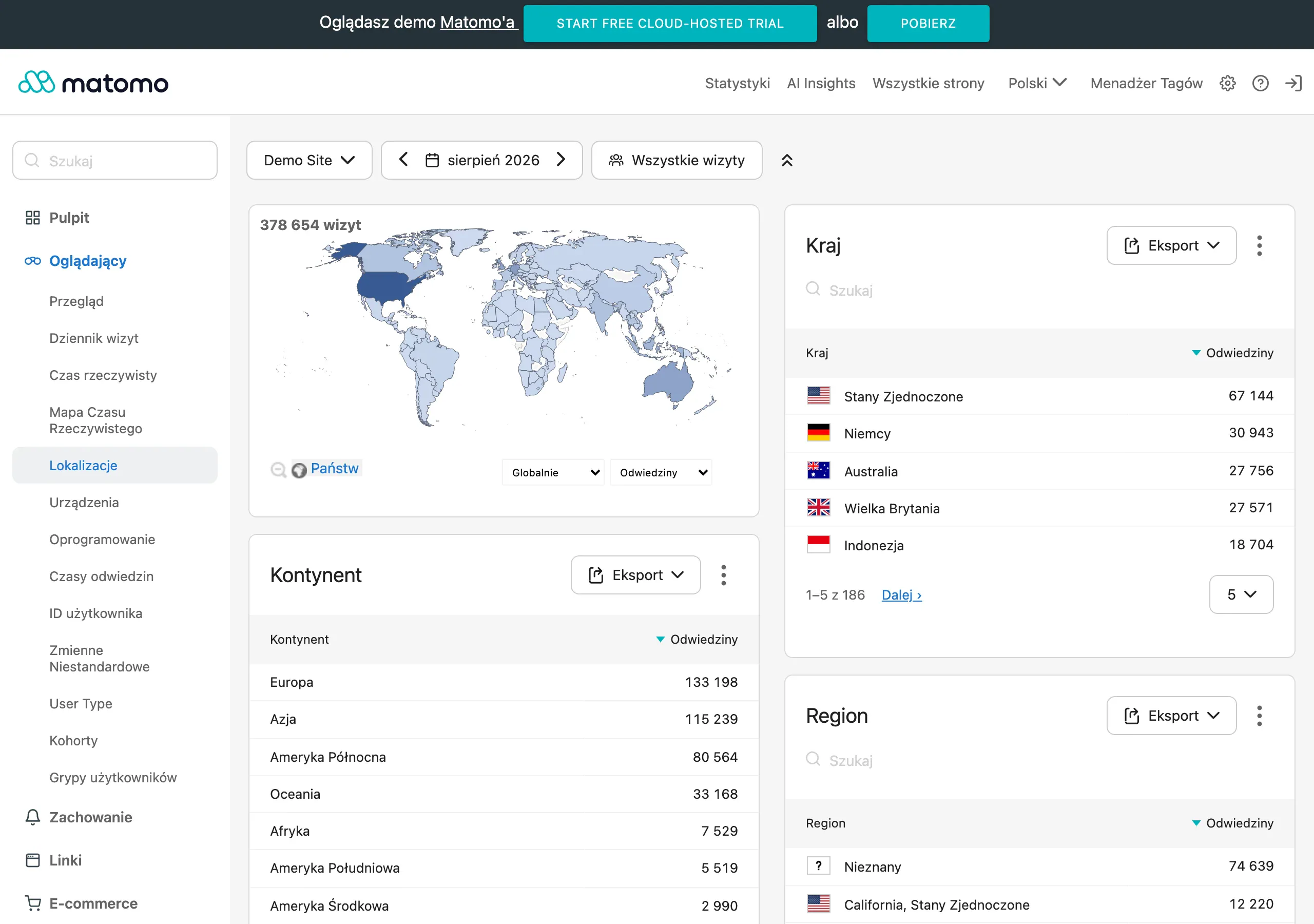
At the start, it is worth identifying one main success metric for a given goal, along with a few supporting metrics. In e-commerce, this will usually be sales and cost per acquisition, in B2B more often a qualified lead, and in local services a contact or booking. Separate reporting for prospecting, remarketing and existing customers, because these groups have different intent, different performance and require different internal benchmarks.
- cost of a valuable conversion in a given segment,
- conversion rate after landing on the site,
- lead quality after verification in the CRM or by sales,
- share of new users and new customers,
- abandonment rate for the form, basket or contact process,
- results by device, location, time and traffic source.
These data help determine whether the problem lies with the audience itself or only appears further down the funnel. A segment may generate many clicks, but if users quickly leave the site or submit irrelevant forms, targeting in practice is not doing its job. Conversely, a group with a higher entry cost may turn out to be more profitable if it delivers more transactions or better leads.
Measurement quality is crucial here. If you do not connect campaigns with the CRM, you may optimise traffic that looks good in the ad platform but does not generate sales. That is why it is worth making sure that conversion events are set up correctly, lead definitions are consistent and campaign tags allow the source and segment to be checked also on the analytics and sales side.
It is best to start optimisation with the weakest segments and the decisions that are easiest to implement. Most often this comes down to switching off low-quality groups, narrowing overly broad targeting, adding exclusions or shifting budget to segments that achieve the goal better. It is also worth keeping a close eye on contact frequency, because too many impressions increase cost and weaken effectiveness, especially in remarketing.
Tests should be run in a structured way. Change one important element at a time, for example the segment, data source, message or landing page, otherwise you will not know what really affected the result. A simple test matrix works well: a separate comparison for cold traffic, a separate one for high-intent audiences and a separate one for recovering users who dropped out of the process.
Segment results are worth interpreting together with the creative and the landing page. A weaker segment result does not have to mean the audience is wrong. Very often the source of the problem is the creative, the offer or the landing page, which does not match the user’s intent. When the ad promises something different from what the user sees on the site, even a well-targeted audience will not perform as it should.
The most practical method is to compare segments regularly, draw one conclusion at a time and implement changes quickly. In some campaigns, intent- and behaviour-based groups will have the edge, while in others first-party lists, lookalike audiences or local narrowing will work better. Effective targeting therefore is not about a one-off campaign setup, but about consistently improving traffic quality and conversion quality.
FAQ
Frequently asked questions
How does Audience Targeting work in advertising campaigns?
It involves selecting and segmenting audiences so that the ad reaches people most likely to take the desired action. It also includes choosing the channel, message version, exclusions and optimisation rules.
Why is targeting by age and gender not enough?
Because effective targeting should also take into account user intent, the stage of the purchase decision and the context of ad exposure. Demographic data alone rarely predicts conversion best.
What are the basic stages of effective audience targeting?
First, you need to define the campaign goal and check the measurement, and then analyse the data, segment audiences and match channels and messages. Finally, testing and continuous optimisation based on conversion quality matter.
What data is needed for effective ad targeting?
Key data includes conversion data, user behaviour and brand contact history, as well as correctly configured analytics. First-party data from CRM, customer lists and funnel stages is also very important.
How should audiences be segmented for a campaign correctly?
It is worth dividing audiences by campaign goal, intent and stage of the purchase decision, not only by demographics. It also works well to separate new users, remarketing and abandoned-process recovery.
What mistakes are most often made in audience targeting?
The most common are audiences that are too broad, no exclusions and judging campaigns by cheap clicks instead of the quality of the result. Another frequent mistake is combining prospecting with remarketing and using one message for everyone.