

Brand mentions are one of the areas of SEO that is sometimes overlooked because they do not always take the form of a classic link. In practice, this covers any reference to a company name, product, domain, expert or distinctive phrase associated with a brand. Such references can be found in articles, reviews, directories, on forums, in social media and on company profiles. For SEO, it is not only whether someone links to you that matters, but also where, how and in what context the brand is being described. This translates into awareness, audience trust and the consistency of signals that a search engine can associate with your business. That is why mentions should be treated not as an add-on, but as a real component of a brand’s visibility online.
What are brand mentions and what is their significance for SEO?
Brand mentions are references to a company name, product, domain, a person associated with the brand or a recognisable phrase used anywhere on the internet. They may include a link, but that is not a requirement. From an SEO perspective, they matter because they show whether the brand is active in the online sphere and what topics it is associated with.
In practice, the search engine evaluates not only the website itself, but also the brand’s informational environment. When a company is regularly mentioned in credible and topically relevant sources, it is easier to confirm its identity as an entity. This is not a replacement for link building, but it is strong support for awareness, branded queries and credibility.
The value of a mention depends on several factors at the same time: the publication location, topical context, sentiment, the presence of a link, the type of link and whether the page is indexed at all. A mention in an industry media outlet has a different effect from a post in a spammy directory. The most valuable mentions are those that are credible, topically aligned and describe the brand correctly.
In operational terms, mentions are used to monitor a brand, audit the quality of its online presence and reclaim links from publications where no backlink was added. In many cases, this is simpler than acquiring new links from scratch. In addition, mention analysis makes it possible to quickly spot incorrect company data, inconsistent citations and materials that may weaken reputation.
- 01Definition of a mentionThe presence of a name, product or domain on the internet, with or without a link.
- 02Significance for SEOIt shows that the brand is active online and what it is associated with.
- 03Identity confirmationIt builds credibility and supports recognition as an entity.
- 04Value factorsIt depends on the place, context and sentiment of the publication.
Mentions build the brand’s credibility and recognition in its informational environment, supporting its authority.
What types of mentions are there and what is their operational significance?
Types of mentions differ in publication form, the presence of a link and their practical value for SEO and reputation. Not every mention delivers the same result, so it is worth organising them by usefulness. Such classification makes it easier to decide what to monitor, what to correct and from what to try to reclaim a link.
- Mention with a link — most easily translates into an SEO benefit, because beyond the branded signal it can strengthen the link profile and drive traffic.
- Mention without a link — does not provide a direct backlink, but increases brand awareness and is often a good starting point for contacting the publisher.
- Review or opinion — affects not only visibility, but also CTR and user choices, especially when it appears high in search results.
- Local listing and NAP citation — is important for local SEO because it helps confirm the company name, address and phone number across multiple independent sources.
- Press or editorial mention — usually has more value than automated entries, because it appears in a more credible context.
- User discussion on forums or in social media — can be a good indicator of genuine interest in the brand, but requires careful assessment of quality and sentiment.
Operationally, the key point is that the type of mention determines the next steps. If the mention is correct and positive but has no link, it is often worth asking for one to be added. When the company description contains errors, correcting the data may be more important than securing the backlink itself.
The quality of the source itself also matters. A mention from a strong, indexed and genuinely visited site can have value even without a link, whereas hundreds of weak citations usually do not create a lasting effect. In practice, it is better to have fewer mentions, but in a good context, than lots of publications that look artificial or spammy.
When analysing, it is worth checking not only whether the brand has been mentioned, but also in what form and what it has been compared with. An incorrect name, an out-of-date website address, old contact details or a misleading description of the offer weaken the consistency of signals. That is why a good mention is not only the presence of the brand, but also the accuracy of the information and alignment with the company’s current image.
How do mentions support the building of brand signals?
Mentions support the building of brand signals because they confirm that the brand exists, is recognisable and appears in a specific topical context. For SEO, this becomes important when the company name, product, domain or experts associated with the brand appear consistently in many places. This makes it easier for the search engine to connect the brand with a specific industry, offer and user intent. The greatest value comes from mentions that are consistent, topical and placed in a credible source.
These signals do not work like a single “shot”, but as the sum of many confirmations. If a brand is cited in industry articles, company profiles, reviews and user discussions, its recognition grows, along with the chance of a higher number of brand queries. This has a practical dimension, because queries containing the brand name often improve CTR and help reinforce the company’s presence in search results. A mention without a link does not replace link building, but it can strengthen its effect.
Context matters a great deal. A mention placed in material thematically aligned with the brand’s profile usually delivers more than a random reference on a site unrelated to the industry. The way the company is presented is also important: the correct name, up-to-date domain, consistent business description and tidy data. Inconsistent citations weaken brand credibility, especially when the name, website address or contact details differ.
Mentions can also indirectly strengthen the link profile, because some of them can be turned into links. If someone has already described the brand in a positive tone and without errors, asking for a link to be added is often easier than securing a new publication from scratch. This is one of the most practical benefits of working with mentions. A non-linked mention is often a ready-made outreach opportunity, not just a passive awareness signal.
It is also worth taking sentiment and reputation into account. Negative or imprecise mentions do not have to lower rankings straight away, but they can weaken user trust and the effectiveness of brand results. In practice, they more often affect the click decision, brand perception and later conversions than the ranking mechanism itself. That is why mention analysis should cover not only SEO, but also reputational risk.
- 01Confirmation of existenceThe brand is real and recognisable.
- 02Thematic contextIt appears in the right industry.
- 03Consistent presenceThe name appears in many places.
- 04Growth in recognitionMore brand queries and trust.
Mentions do not work like a single “shot”, but as the sum of many credible confirmations, building a coherent picture of the brand in search.
How to monitor and analyse brand mentions?
Monitoring brand mentions involves gathering all name variants, searching for publications, assessing their quality and deciding whether a given piece of content should be used, corrected or ignored. The starting point is entity mapping, that is, listing the full brand name, abbreviations, product names, the domain, expert names, campaigns and common misspellings. Without this, monitoring will be incomplete or will flood the user with false results. A well-prepared list of brand variants determines the quality of all further analysis.
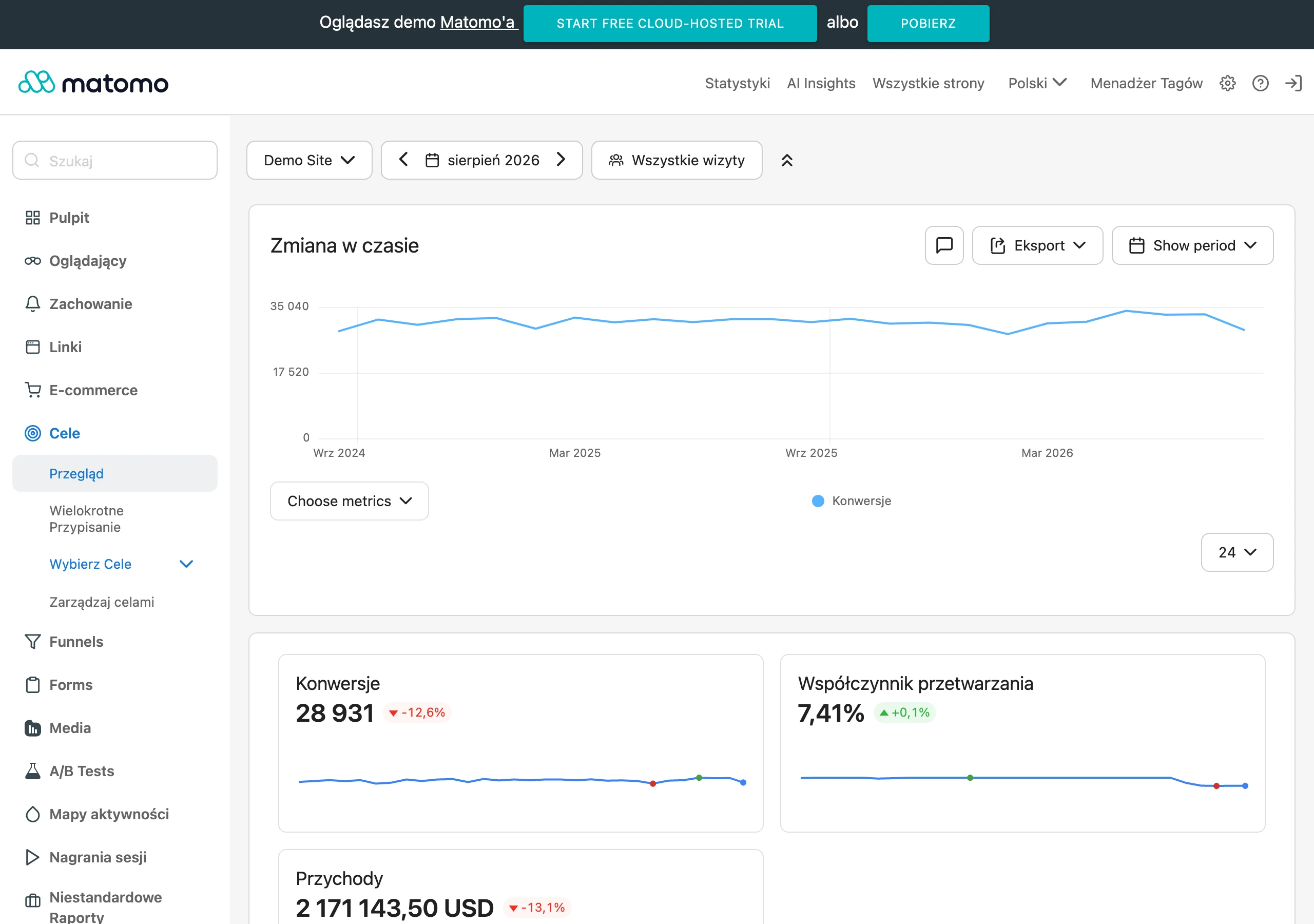
The next stage is checking where the brand already appears. In practice, this means media, blogs, directories, forums, review portals, maps, social media and brand results. The mere presence of a mention is not enough for assessment, because you need to check whether the page is indexed, whether the source has sensible visibility and whether the publication functions in a standard editorial context. High-volume low-quality citations usually add little and can easily distort the picture.
Once the material has been gathered, it is worth classifying each mention. The key questions are simple: does it include a link, what attribute does it have, what is the sentiment, does the publication topic fit the brand, are the details correct and does the source look credible? Such classification helps separate real SEO opportunities from informational noise. Do not assess a mention only by whether it contains a link — often the quality of the source and topical relevance matter more.
At the analysis stage, it is worth deciding what to do next with each publication. Correct, positive mentions without a link are usually well suited to link reclamation. Incorrect citations require the brand name, domain or company description to be supplemented or corrected. In the case of negative material, you need to separate visibility from reputation, because sometimes a correction or response is needed instead of strictly link-based actions.
The best results come from combining mention monitoring with Search Console data and observation of brand results. If the number of queries containing the brand name increases after publications, CTR improves or new sources citing the company appear, that is a sign that the actions are genuinely strengthening the brand’s presence online. Such monitoring is worth carrying out on a regular basis, not only when running PR campaigns. Mentions have the greatest value when they are systematically organised, developed and compared with actual brand traffic.
What operational decisions should be made in the context of mentions?
When working with mentions, you need to determine whether a given publication should be monitored further, corrected, used to secure a link, leveraged to develop a relationship with the publisher, or simply ignored. Start by assessing the source, the topical context and whether the page is indexed. A mention on a credible industry portal without a link often has greater potential than a link from a random directory. The first filter should always concern the quality of the source, not the mere presence of the link.
If the mention is accurate, positive and comes from a sensible place, it is usually worth asking for a link to the right page. This is one of the simplest ways of reclaiming links, because the publisher already knows the brand and has described it before. Such a request is particularly justified when the article still generates traffic, remains indexed and naturally fits the company page, product page or expert profile.
When a publication contains an incorrect brand name, an outdated website address, an old phone number or a misleading description of the offer, the priority should be correcting the information. This matters not only for SEO, but also for the user, who may land on out-of-date data and leave. Consistency of the name, domain and contact details across multiple sources is in practice often more important than a large number of weak citations.
With negative mentions, you need to separate the visibility problem from the reputation problem. Sometimes the best move is a response, a correction or sharing up-to-date information, rather than a link-related action. If the material is substantive, even if critical, it is worth responding in a factual way. If, however, it is spammy and irrelevant, it is better not to add unnecessary activity to it.
Mentions can also be a starting point for further publications. If the brand regularly appears in a valuable medium, it is worth treating this as the seed of a relationship and planning the next steps: an expert comment, a case study, an update to the author details or a new topical piece. The brands that gain the most are those that do not treat mentions as a one-off episode, but as a permanent element of SEO, PR and content activities.
Not every mention requires a response. When the source is low quality, not indexed, off-topic or appears to be spam, it is safer to leave it untouched and shift attention to better places. In practice, prioritisation is key: where a mention genuinely strengthens the brand, where it opens the door to a link, and where it merely consumes time.
- 01Source assessmentCredibility, indexing, context.
- 02Priority of qualityContext is more important than the link.
- 03Choosing an actionMonitor, correct, develop the relationship.
- 04Using the mentionSecure a link from a sensible place.
Key principle: First the quality of the source, and only then the presence of the link.
How to avoid mistakes and pitfalls in managing mentions?
Mistakes in managing mentions are avoided through thorough monitoring, quality assessment and separating SEO activities from reputation activities. The most common problem appears right at the start, when a company tracks only one version of the brand name. As a result, abbreviations, incorrect spellings, product names, expert surnames and old domains are missed, meaning a significant share of real references.
The second pitfall is treating all mentions the same. In practice, what matters is where the brand was mentioned, in what context and whether the user can actually reach the publication. A mention from a good, topical source usually has more value than many random publications with low credibility.
A frequent mistake is also mass-generating artificial mentions in poor directories, private blog networks and duplicated sites. Such actions rarely bring lasting value and can undermine the credibility of the brand profile. It is better to have fewer publications, but in editorial, indexed places that are consistent with the company’s subject matter.
Many companies focus solely on whether a mention includes a link, ignoring the other elements. Meanwhile, an incorrect brand name, an outdated description of the business or inconsistent contact details can negate the effect even when the link is present. A link does not tidy up informational chaos, and inconsistent citations weaken user trust and make it harder to interpret the brand.
Another pitfall is an overly emotional reaction to negative publications. Not every critical mention harms SEO and not every one requires immediate legal or outreach action. First check whether the material is visible, whether it has reach, whether it contains factual errors and whether it affects brand results, CTR or user decisions.
Finally, it is worth remembering measurement. If you do not compare mentions with brand results, Search Console and changes in the link profile, it is difficult to assess which actions actually make sense. Good mention management is not about collecting the largest possible number of references, but about improving the quality of the brand’s presence where the user and the search engine can really see it.
What should be measured to assess the effectiveness of mentions in SEO?
The effectiveness of mentions in SEO is best assessed through the lens of their quality, impact on brand signals, link potential and changes visible in search data. The sheer number of publications means very little if they come from random places or do not get indexed. First assess the quality of the source and the context of the mention, and only then look at the volume. A single, well-placed mention on a credible industry portal usually delivers more than dozens of citations from low-quality directories.
At the outset it is worth counting the number of unique domains that mention the brand and checking how many of those pages are actually indexed. The topical relevance of the source, the placement of the publication within the site and the accuracy of the mention itself are also important. If the brand name, domain or company description are written incorrectly, such a publication can weaken the effect rather than strengthen it.
The second area concerns the effectiveness of reclaiming links from existing mentions. What matters is how many unlinked publications have been turned into links, where those links point, and whether they are useful from the user’s perspective. In practice, more important than the link itself is whether it leads to the right page and comes from a natural context.
- the number of valuable mentions from indexed and topical sources,
- the number of unique domains mentioning the brand,
- the proportion of mentions with and without a link,
- the number of reclaimed links from unlinked publications,
- referral traffic and user behaviour from such visits,
- changes in brand queries, clicks and CTR in Google Search Console,
- the share of correct, consistent brand citations versus incorrect or outdated ones.
One of the key indicators is brand queries in Google Search Console. If impressions and clicks on the brand name, name variants, experts’ surnames or products increase after publications, it usually means that mentions are strengthening recognition. This is one of the most useful signals, because it shows a real increase in interest in the brand, not just the number of publications.
It is also worth tracking the CTR for brand queries and how the results look when the company name is entered. If users click your site more often and sensible external sources appear in the SERPs, this is usually the outcome of recognition, trust and better organisation of the brand entity. If, however, brand results are taken over by incorrect descriptions, old profiles or negative content, the problem concerns not only reputation but also SEO effectiveness.
Do not overlook traffic generated by the mentions themselves either. Referral visits from articles, rankings, reviews or local profiles show which sources provide genuine contact with the user. This makes it easier to separate publications that simply “exist” from those that actually support visibility, the brand and further linking.
Separately check the consistency of brand data across individual places. This includes the company name, domain, address, telephone number, business descriptions and assigning experts to the brand. In local SEO and with brand results, inconsistent citations often undermine the credibility of the entire brand picture online.
With ongoing monitoring, it is also worth including operational metrics: time to detect a new mention, time to respond to an error, number of corrected publications, and the share of negative mentions versus neutral or positive ones. These are not classic ranking metrics, but they show well whether the process is working and whether the brand is losing control over how it is described online. In practice, the most reliable assessment comes from combining monitoring data, Search Console, traffic analytics and a manual evaluation of source quality.
FAQ
Frequently asked questions
how do brand mentions affect SEO?
They help search engines connect a brand with a specific industry, offer and user intent. They also strengthen brand recognition, branded searches and credibility.
does a brand mention have to include a link to be valuable?
No, a link is not a requirement for a valuable mention to exist. A mention without a link can still support recognition and serve as a starting point for gaining a link.
why is the context in which a brand mention appears important?
Because it is not only the brand’s presence that matters, but also where it is described and alongside what. A mention in a trustworthy, topically relevant source is worth more than a random reference.
which brand mentions are most valuable for SEO?
The most valuable mentions are trustworthy, topically relevant and accurately describing the brand. Editorial, industry and indexed publications are especially valuable.
how do you monitor brand mentions on the internet?
You need to gather variations of the brand name, products, domain and common misspellings, then search for publications and assess their quality. It is important to check the link, sentiment, topic, data accuracy and whether the source is indexed.
what should you do when a brand mention contains an error or has no link?
If the mention is accurate and positive, you can ask for a link to be added. If it contains incorrect details, the priority should be correcting the name, domain, phone number or company description.