

Dynamic Search Ads is a campaign format in Google Ads that lets you quickly cover a significant part of your offering without manually entering hundreds or thousands of keywords. It works particularly well when a site has lots of valuable subpages and a well-structured architecture. However, it is not a “set-and-forget” automation, because the campaign outcome depends on the quality of the website, exclusions and subsequent optimisation. In DSA, campaign quality very often stems directly from the quality of the site on which targeting is meant to be based. This model most often complements classic search campaigns rather than replacing them. In practice, it helps capture long-tail queries, surface new intents and scale reach faster.
What are Dynamic Search Ads and how do they work in practice?
Dynamic Search Ads are search campaigns in which Google matches queries based on the content of the website or a page feed, instead of relying solely on manually added keywords. The system automatically selects the landing page and generates the ad headline, while the advertiser is responsible for descriptions, dynamic targets, budget, bids and exclusions. This makes it possible to drive traffic to a large number of subpages without the tedious task of assigning each phrase to a separate ad.
In practice, it works like this: once a query is entered, Google matches its intent with the content of available pages and points to the URL that best fits the search. It then builds the ad headline based on the query and the page content. DSA are most useful as a complementary layer that expands query coverage and identifies gaps in keyword-based campaigns.
The targeting source can be the whole website recognised by the system or a manually prepared page feed with a list of URLs. Broad targeting works well for structured sites, whereas a page feed gives greater control over which pages can take part in serving. This is particularly important when a site contains filters, parameters, technical pages or sections that should not be promoted.
The effectiveness of DSA depends primarily on whether the site is readable to the system and at the same time makes business sense from the user’s perspective. Clear page titles, unique content, good indexability and a logical category architecture all help. If a website has duplicate content, random URLs or pages with no sales value, DSA may drive traffic to the wrong landing pages and quickly generate poor cost efficiency.
- 01They rely on website contentInstead of manual keywords
- 02Automatic matchingGoogle matches queries to content
- 03Headline and URL generationIt creates the headline and chooses the page
- 04Advertiser roleDescriptions, budget, exclusions
- 05Complementary layerExtends existing campaigns
DSA work as an effective complementary layer, automatically using website content to capture additional traffic
What are the key elements of an effective DSA campaign?
An effective DSA campaign is built on a solid site structure, a properly chosen targeting model, hard exclusions and regular data analysis after launch. Simply switching on the campaign is only the first step, because real quality only appears after unwanted queries and weak URLs are cut out. In this format, the advertiser who has order in the offering and consistently works with operational reports gains the most.
- Well-organised landing pages with clear titles, original content and correct indexability.
- A well-chosen targeting model: the whole website, selected categories, rules based on the URL or title, or a page feed.
- A campaign and ad group split aligned with business logic, for example separate categories, products, services and informational content.
- A list of URL exclusions and negative keywords created from the outset and then expanded based on data.
- Regular analysis of search terms, traffic quality, conversions and which pages are actually taking part in serving.
At the start, it is worth deciding which subpages make sense from an advertising point of view at all. It is best to exclude the basket, login, terms, policies, filtering results, the internal search engine and other support pages straight away. In DSA, exclusions are not an add-on, but a basic tool for controlling cost and traffic quality.
Segmentation by user intent is equally important. Product pages, categories, services and guide content usually attract a different type of query, so they should not be lumped into one broad target. The better you separate sections with different intents, the easier it is to assess results and the faster you will identify problematic areas.
After launch, you need to periodically check the search terms report and the landing pages report. This is where you can see whether the system is matching the right intent, whether it is taking traffic from other campaigns and which queries are worth moving into classic keyword groups. If DSA regularly uncover new converting phrases, that is a signal that the campaign is working not only on reach, but also as a source of real insights for further account expansion.
When is it worth implementing Dynamic Search Ads in a marketing strategy?
Dynamic Search Ads are worth implementing when you have lots of valuable subpages and want to cover a larger part of your offering with ads more quickly, without manually building a long list of keywords. This model works well in e-commerce, sites with extensive categories, service offers with many locations, and where the product range or content changes frequently. DSA are most useful as a complementary layer to classic search campaigns, rather than as their full replacement.
This solution also makes sense when you want to capture new long-tail searches. In practice, DSA often surface keywords that were not previously in the campaign plan, but which genuinely lead to sales or leads. This is valuable information not only for Google Ads, but also for the further development of account structure.
You are most likely to want to consider implementing DSA in the following situations:
- the site has many product, service or category subpages,
- the offering is broad and manually mapping each page to keywords would be too time-consuming,
- the product range, prices or availability changes frequently,
- you want to catch new user intents and gaps in current campaigns,
- you have a well-organised site structure or can use a page feed to manage URLs.
DSA will not work if you need full control over every query, headline and landing page. This scenario most often applies to brand campaigns, very narrow offers, or activities where the message must be tightly matched to the intent and stage of the funnel. If message precision matters more than broad query coverage, campaigns based on keywords will usually be a better foundation.
Much also depends on the condition of the site itself. When a site has lots of filters, URL parameters, technical pages, duplicate content or unclear subpage titles, DSA may direct traffic to places you do not plan to promote. In that case, it is wiser to first tidy up the structure or base the campaign on a page feed, which limits delivery to selected addresses.
Implementation only makes sense if, after launch, you are ready to keep a close eye on it. DSA require regular review of search terms, exclusion lists, landing page quality and conversion data. If a campaign is launched and then left unattended, the risk of poor traffic rises very quickly.
- 01Fast coverage of the offeringWithout manually building keywords.
- 02For e-commerce and extensive sitesLarge, changing product ranges or categories.
- 03Discovering the long tailNew, valuable searches.
- 04Complementary layerAn addition, not a replacement for classic campaigns.
DSA is an effective way to broaden reach and uncover new opportunities in search campaigns, especially at scale.
What are the best DSA optimisation practices?
Effective DSA optimisation is based on consistently narrowing traffic to the queries and pages that genuinely support the campaign goal. This is not a one-off setup, but a regular tidying up of what the system matches automatically. In most cases, what changes the most is not the bid itself, but better control over URLs, search intent and group structure.
The first area to work on is the search terms report. It is worth checking which queries trigger the ads, which of them convert, and which only generate cost. Negative keywords should be created from the outset and expanded based on real data, not assumptions.
The second area is landing page control. It is a good idea to exclude URLs with no sales or lead value, such as the basket, login pages, policies, filter results or the internal search engine. If you notice that the system is too often choosing weak pages, narrow the targeting or switch to a page feed with manually indicated addresses.
The third element is a well-thought-out campaign structure. Do not mix pages with different intents in a single ad group, as this makes analysis and exclusions more difficult. Separate groups for categories, products, services or brands give you greater control over budget, messaging and traffic quality assessment.
In practice, a simple optimisation rhythm works best:
- review the search terms report and add new exclusions,
- assess performance by URL and exclude the weakest landing pages,
- split overly broad groups into more homogeneous segments,
- make sure DSA are not taking traffic from important brand or keyword campaigns,
- move valuable queries into keyword campaigns when you want greater control.
It is also important to monitor cannibalisation between campaigns. If DSA start taking traffic that should go to precisely managed keyword groups, you need to respond with exclusions or by narrowing the dynamic targets. Good DSA should not damage well-performing keyword campaigns, only complement them.
You cannot sensibly optimise DSA if you look only at clicks or CTR, while ignoring URL-level and conversion data. It happens that a similar number of visits from two sections of a site translates into completely different traffic quality and different business value. That is why decisions should be based on which pages and which types of searches actually deliver results.
At the end, it is worth remembering that DSA optimisation also happens outside the ad account. Tuning page titles, reducing duplication, making category names clearer and tidying up the site architecture often deliver a more lasting effect than another round of minor campaign changes. If the targeting source is weak, even a well-managed DSA campaign will keep fighting the symptoms rather than the cause.
What risks and limitations are associated with using DSA?
The biggest risk with DSA is that the system may only partially match the ad to the query correctly and point to the wrong landing page. This most often happens when the site has weak page titles, many similar subpages, filters, URL parameters or technical pages accessible to the system. As a result, the campaign gathers clicks, but does not deliver traffic quality. DSA are only as good as the website from which they draw signals.
The second limitation is less control over delivery than in campaigns based solely on keywords. You do not manually set every query, headline and landing page, so it is harder to tailor the message precisely to every intent. This is particularly important where the difference of one word changes the meaning of the offer, pricing conditions or user expectations. If you need full control over the message and landing page, DSA should be an addition, not the main layer of the search campaign.
In practice, a common problem is also cannibalisation with other search campaigns. DSA can take over traffic that would be better handled by a brand campaign or an ad group based on precise phrases and a stronger message. Such a conflict is not always visible immediately in the account’s overall results, because cost and conversions still add up, but the level of control falls and it becomes harder to scale activity consciously.
The third risk is the amount of operational work required after launch. DSA do not work in a “set it and forget it” mode, because they require regular review of search terms, exclusions, URL quality and conversion data. When the site is chaotic, the scope of these actions quickly grows, and the campaign starts consuming budget on correcting errors at the source. If you cannot tidy up the website, it is better to narrow DSA to a page feed or give up broad targeting across the whole site.
What should you measure and how should you analyse DSA campaign results?
In a DSA campaign, it is worth monitoring not only cost and the number of conversions, but also which queries, URLs and sections of the site are actually delivering valuable traffic. The number of clicks alone explains little here, because the system can easily extend reach to broad or purely informational queries. The key is to combine data on search terms, landing pages and conversion quality.
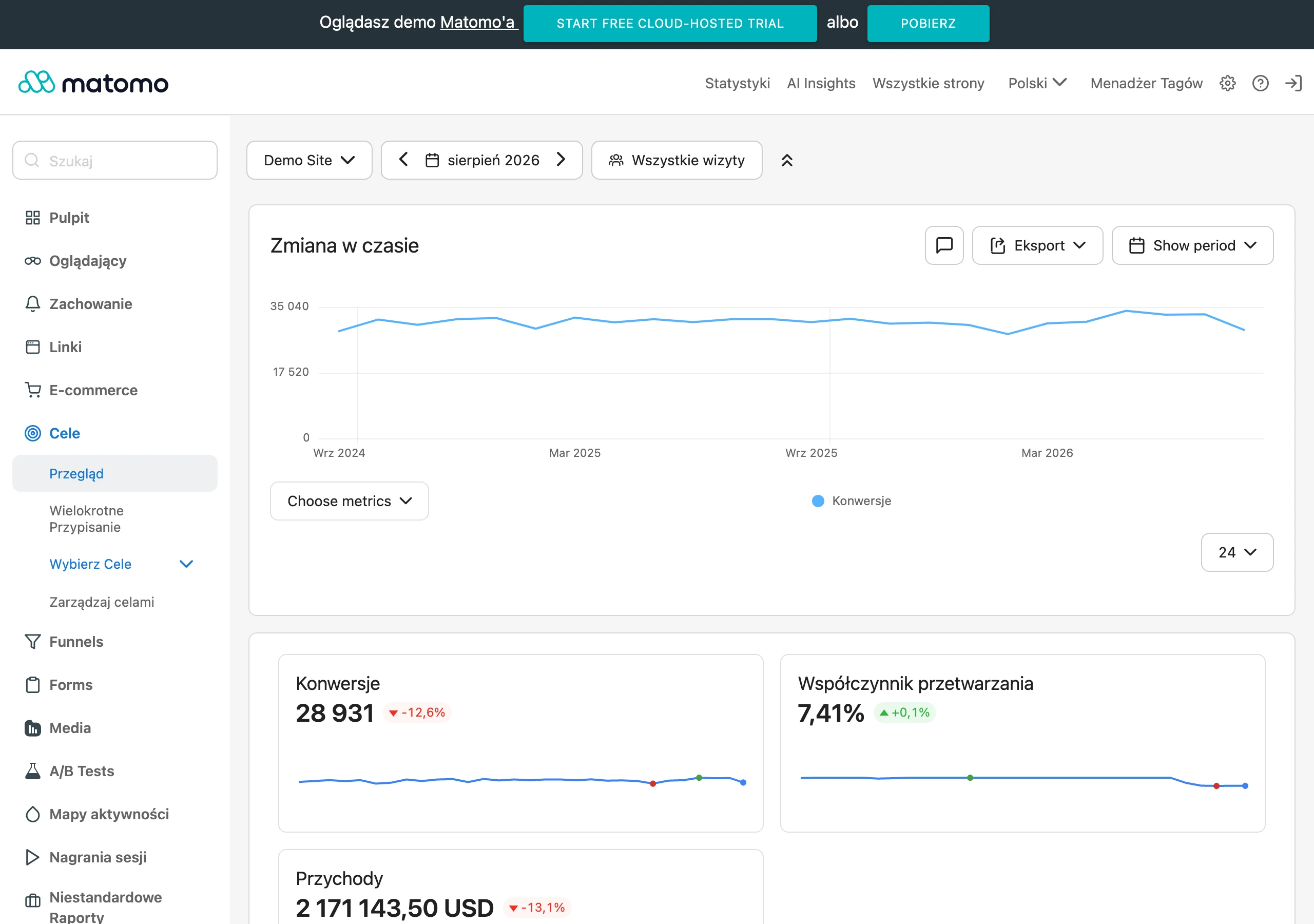
The first area to analyse is the search terms report. Check which queries convert, which only generate cost, and which reveal new purchase intents. On that basis, add exclusions, narrow the targets and extract valuable phrases for separate keyword campaigns. The best queries found by DSA are worth moving to regular search campaigns when you want greater control over the bid, the ad and the landing page.
The second area is analysis of results by landing page and dynamic ad group. Check which categories, products or services attract traffic that is aligned with the offer, and which merely gather clicks without translating into results. If one section of the site has clearly weaker quality, the usual cause is a target that is too broad, content that is too thin, or informational intent that has not been filtered out with exclusions. This breakdown tells you more than assessing the campaign only in overall terms.
The third area is conversion quality, not just the number of conversions. Depending on the business model, assess the cost of acquiring a lead or sale, transaction value, share of new customers, rejected leads, or the stage the user reaches after entering. DSA can show seemingly good results if the system finds cheap clicks on queries with low business value. If conversions from DSA are cheaper but lower quality, the campaign needs adjustment, not a bigger budget.
It is also worth regularly comparing DSA with other search campaigns in terms of cost share, query types and role in the conversion path. If DSA start taking over too much of the brand traffic or phrases you already handle effectively manually, that is a sign the reach needs to be trimmed. The most practical working rhythm is a regular review of search terms and URLs, rather than only a monthly review of aggregate KPIs. In DSA, optimisation decisions should come from specific terms and specific pages, because that is precisely where the source of the result is usually hidden.
FAQ
Frequently asked questions
How do Dynamic Search Ads work in Google Ads in practice?
Google matches queries to the content of the website or page feed, then automatically selects the landing page and creates the ad headline. The advertiser sets, among other things, descriptions, dynamic targets, budget, bids and exclusions.
Do Dynamic Search Ads replace classic search campaigns?
No, this model most often works as a supplement to keyword-based campaigns. It is best used to expand query coverage and identify gaps.
When is it worth implementing Dynamic Search Ads?
It is worth doing when the site has many valuable subpages and you want to quickly cover a larger part of your offer with ads. DSA also work well when product ranges, prices or availability change frequently, and when you need to capture long-tail queries.
Which pages are best excluded from a DSA campaign?
You should immediately exclude the basket, login, terms and conditions, policies, filtering results and the internal search engine from serving. These are support pages that make no sense from an advertising point of view.
Why does DSA performance depend on site quality?
Because the system bases targeting on page content, titles, indexability and the site structure. If the site has duplicate content, random URLs or weak titles, ads may end up serving to the wrong places.
What should you measure in a Dynamic Search Ads campaign?
The most important things are search terms, landing pages, conversions and their quality. Clicks alone are not enough, because DSA can generate traffic of different business value.