


The “Careers” page needs to work at the same time as a candidate acquisition channel and an employer brand asset. So it is not enough to collect vacancies in one place and add an application form. A good “Careers” page answers specific candidate questions, leads them to apply and builds trust in the company before the first contact. This requires a coherent decision on content, information architecture and how results are measured.
The strategic goal of the ‘Careers’ page and its importance
The strategic goal of the “Careers” page is to attract the right traffic from recruitment queries and turn it into valuable applications. This goal has two parallel dimensions: recruitment performance and employer image. If the page only gives the brand exposure but does not convert, it loses operational value. If it collects applications but does not build trust, it reduces candidate quality and makes future recruitment harder.
In practice, this means that every decision on the page should support one of two outcomes. Job ads should match candidate intent and drive action. Content about teams, projects, culture and the recruitment process should strengthen EVP, i.e. the reason why it is worth choosing this company. Without such a foundation, the page becomes just a notice board.
The importance of the strategic goal is also visible in measurement. The number of visits alone is not enough if you do not know whether users click “Apply”, start the form and complete the submission. The quality of those applications in the ATS system is equally important, because a high volume of poor candidates does not solve the recruitment problem. The “Careers” page should be assessed through the full funnel, not just through traffic.
Candidate intents and how to respond to them
Candidate intents are addressed by providing, quickly, the facts they look for before applying. A candidate wants to know what the role is, where they will work and whether the offer matches their expectations. They also look for salary ranges, working model, requirements, scope of duties and information about the recruitment process. If this data is missing, uncertainty grows and the application rate usually falls.
The best approach is a response split into two content levels. The first level is the job ad page with a clear description of the role, location, working model, salary and a clear CTA. The second level is supporting content that helps the decision, i.e. descriptions of teams, projects, technologies, benefits and the working culture. This way, the candidate first assesses fit for the role and then the company’s credibility.
The way information is presented has a direct impact on effectiveness. Headings and content layout should answer the candidate’s real questions, not the organisation’s internal language. Benefit-led language helps, but it does not replace specifics, so alongside promises of development there should be real information about projects and the team. The pages that lose the most are those that hide key data and force the candidate to guess the working conditions.
Candidate intent does not end with reading the ad; it covers the entire application experience. The form should be short, clear and mobile-friendly, otherwise some users will drop off despite being interested in the role. Clear communication of the recruitment stages reduces uncertainty and helps the candidate assess whether they want to enter the process. This is especially important when the company competes for people who are considering several offers at the same time.
The role of EVP in building an employer brand
EVP gives the “Careers” page a concrete reason for the candidate to choose this company. It is not an advertising slogan, but a structured set of benefits and working conditions. A good EVP answers the question of what the company offers the employee beyond the job title itself. This keeps the communication from dissolving into platitudes.
In practice, EVP should be visible in content about teams, projects, technologies, benefits and development. If the company talks about autonomy, it should show the way of working and the scope of decision-making. If it emphasises development, the candidate must see what the learning or promotion paths look like. The best EVP can be proven with specifics, not just stated.
The most common mistake is copying promises that almost every employer makes. “Great atmosphere” or “dynamic environment” do not help with decision-making because they explain nothing. Much better work comes from authentic team profiles, project descriptions, employee testimonials and a clear description of the process of recruitment. Such materials strengthen credibility and shorten the distance between the brand and the candidate.
Key elements of information architecture
The information architecture of the “Careers” page should be based on the hub and spoke model. The hub is the main “Careers” page, which organises EVP and leads to vacancies and topic-based content. The spokes are indexable subpages for vacancies and pages about teams, technologies, benefits or the recruitment process. This structure makes it easier for the candidate to move from a general view of the company to a specific role.
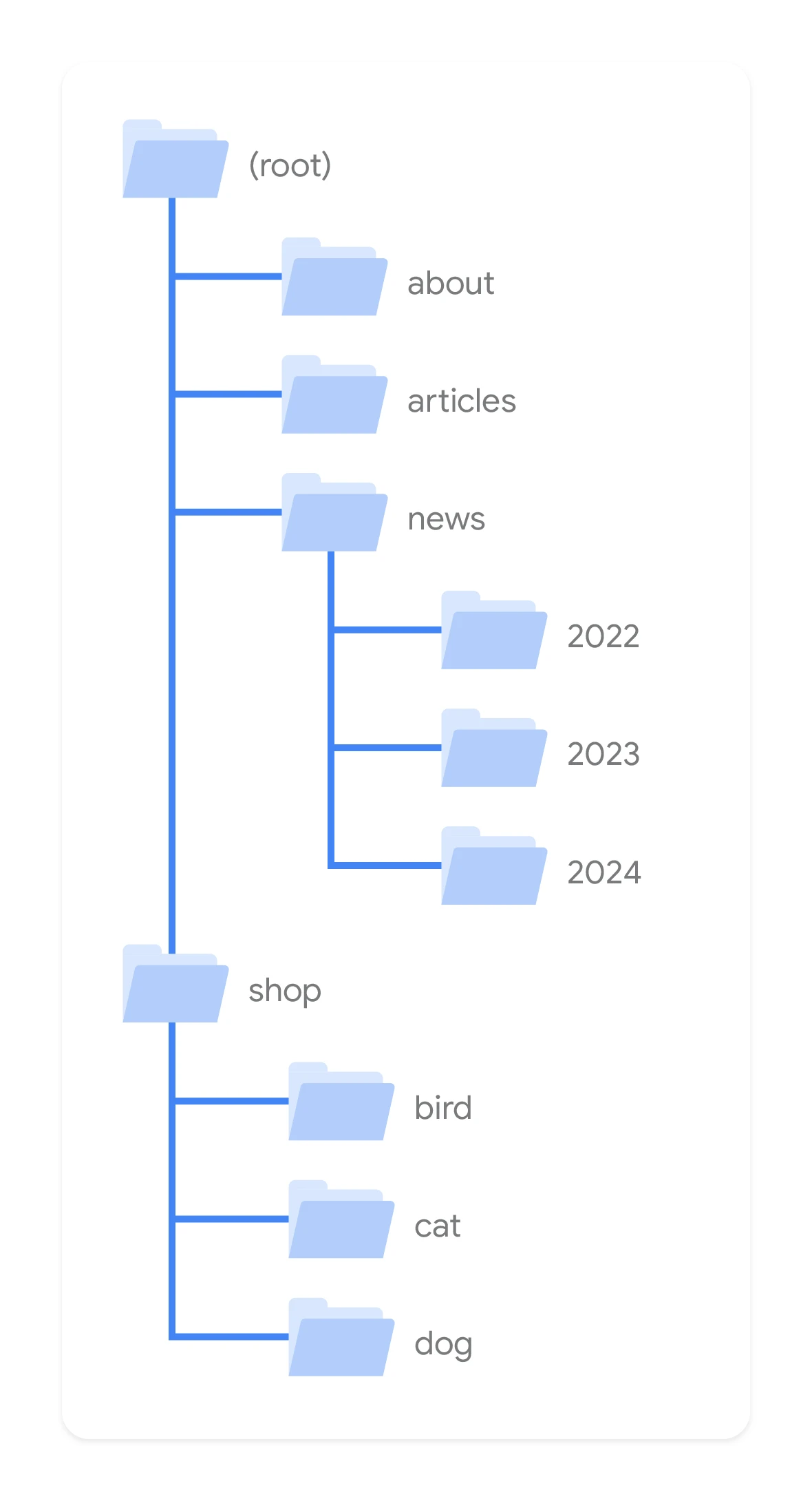
Each job advert needs one unique and permanent URL. This is important for search engines, analytics and user convenience, as the user can return to the same page. The job page should include the job title, location, working arrangement, salary range, responsibilities, requirements, company details and a clear CTA. The advert should not be hidden in an iframe, PDF or content rendered solely on the client side.
In practice, the architecture is defined already at the technical decision stage. A subdirectory usually inherits domain authority better than a separate subdomain, so it is often the safer choice. It is equally important to identify the source of truth for job data, namely the ATS or CMS. If this choice is unclear, errors in URLs, duplicate content and problems with updating jobs quickly appear.
The hub should be easily accessible from the main menu, footer and the “About us” page, and team content should lead to related jobs. This ensures the candidate does not hit a dead end after reading the project or team description. Such a flow strengthens both usability and the indexing of important pages.
On-page optimisation for better SEO
On-page optimisation improves the visibility of job adverts when the page clearly communicates the role, location and working conditions. On the job page, the page title and H1 should match the role name and place of work. This helps the search engine understand the page topic and better match it to recruitment queries. The candidate can also judge more quickly whether they have landed on the right job.
The best heading structure answers the questions the candidate asks before clicking “Apply”. Separate sections should organise responsibilities, requirements, salary range, working arrangement, location, recruitment process and team information. This layout shortens the time needed to find information and reduces the risk of leaving the page. If important data is hidden in a long block of text, the job loses both usability and SEO value.
The job content should be specific and written in benefit-led language, but without marketing flourishes. Phrases such as “You will be responsible for…” or “You will work with…” help connect the requirements with the real scope of work. Equally important is semantic HTML, because properly marked-up sections make it easier for search engines to interpret the content. In practice, a clear, factual job advert works better than text full of vague promises.
On-page also includes consistency between the job advert and content supporting the decision. Links from the team, technology or recruitment process descriptions should lead to related jobs, and the job advert itself should point to materials explaining the EVP. This gives the user a fuller picture of the company without leaving the process. It increases the chance that an entry from search will end in a real application.
Most common mistakes when creating a “Careers” page
The most common page mistakes on the “Careers” page harm indexing, make applying more difficult and weaken employer credibility. Particularly costly are technical issues that block job visibility despite correct content. When jobs work only in JS, are embedded in an iframe or published as a PDF, the search engine may struggle to read their content. As a result, the company loses traffic before the candidate even sees the job advert.
In most cases, you need to eliminate a few recurring problems:
- no unique and permanent URLs for jobs,
- duplicate content across multiple adverts,
- missing salary range, location or working arrangement,
- removing closed jobs without handling 410 or 301,
- too long and inconvenient application journey,
- poor mobile experience.
Each of these mistakes translates into a specific loss. Missing key information reduces traffic quality and trust, while 404s after a recruitment round ends waste the authority previously built for the URL. In turn, a long form or poor mobile UX causes candidates to drop off after landing on the job advert. The “Careers” page most often loses not because of a lack of content, but because of a poorly designed process.
A separate risk group is a poorly thought-out integration with the ATS. The system may impose an unfavourable URL structure, duplicate content or make it difficult to track clicks and completed applications. That is why, before implementation, you need to decide whether the source of truth for jobs is the ATS or the CMS. Without this decision, inconsistencies quickly appear and are hard to fix once the recruitment process is already live.
The importance of analytics and measuring effectiveness
Analytics shows whether the “Careers” page really turns traffic into valuable applications. Without it, you can only see visits, but you do not know which jobs perform and which merely generate page views. Measurement must cover the entire funnel: visiting the job advert, clicking “Apply”, starting the form and completing the application. Only such a picture allows you to assess where candidates drop off and what needs improving.
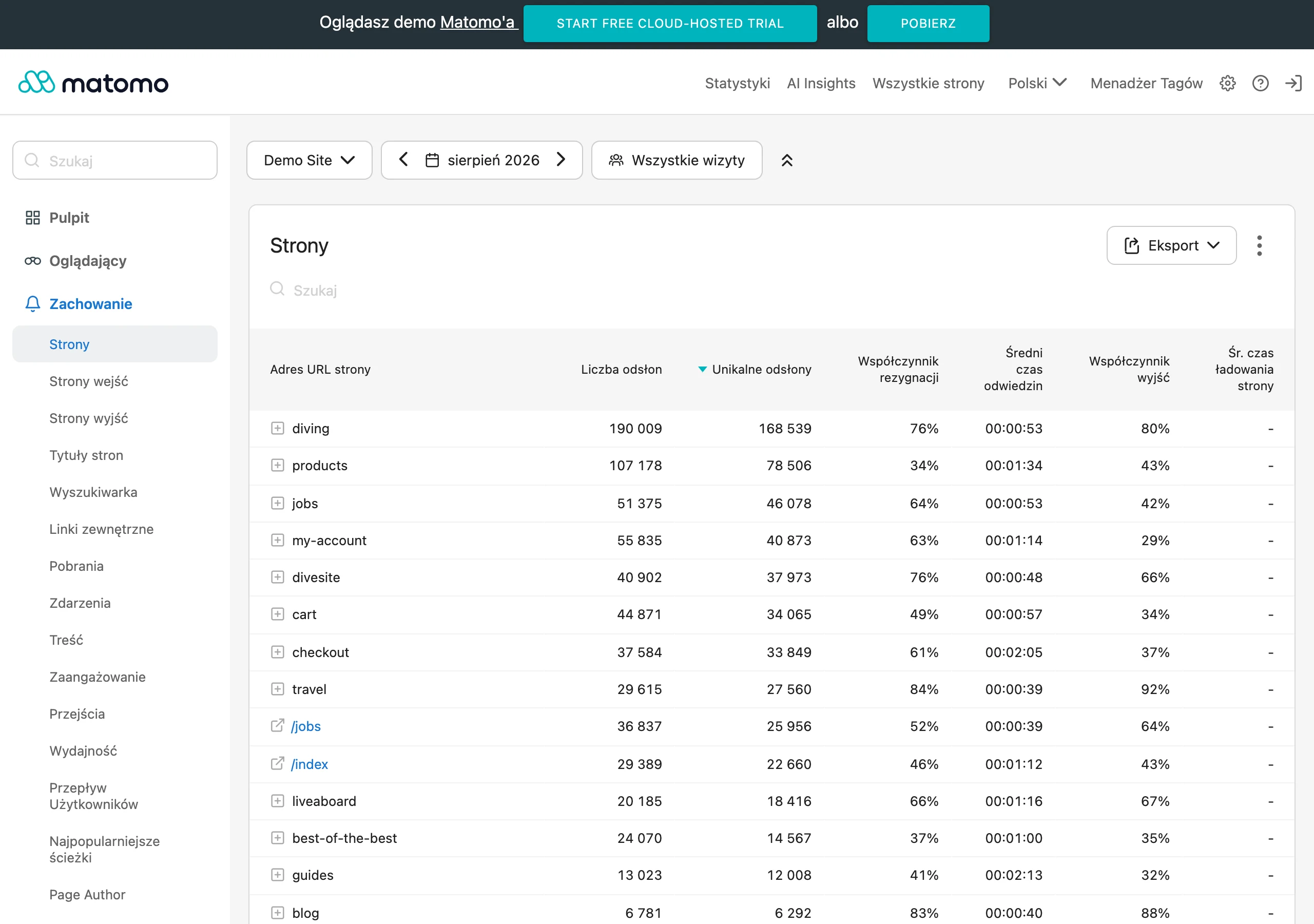
In practice, it is worth separating SEO metrics from business metrics. On the visibility side, what matters most is the presence of jobs in the index, CTR and traffic to job pages. On the recruitment side, the more important metrics are the number of applications, the applications-to-sessions rate, cost per candidate acquisition and the quality of submissions. This split protects against the mistaken conclusion that high traffic means a good recruitment result.
The most valuable data appears when site analytics are combined with ATS. A click on a button alone does not yet tell you whether the candidate completed the form or whether they were a fit for the role. Integration with the ATS makes it possible to compare traffic sources with application quality, not just with volume. This makes it easier to decide which job ads, content and promotion channels genuinely support recruitment.
The most common mistake is tracking only visits or only submitted forms. This means the middle part of the process disappears, namely the moment when the candidate drops off. If many people click “Apply”, but few complete the form, the problem is usually UX or ATS integration. If a job ad has views but a low CTR in search results, you need to improve how it is presented and provide all the necessary information.
FAQ
Frequently asked questions
How do you build a careers page so it attracts candidates and at the same time strengthens employer branding?
You need to combine two goals: conversion to applications and building trust in the company. The page should answer candidates’ questions, show the EVP and lead to an easy application.
Is a simple list of job adverts enough on a careers page?
No, because a simple job board does not build trust or explain why the company is worth choosing. You also need content about teams, projects, work culture and the recruitment process.
What information does a candidate want to find on a job advert page?
Most often they look for the role, location, work arrangement, salary range, requirements, responsibilities and information about the recruitment process. Missing this data usually lowers the application rate.
Why is EVP important on a careers page?
EVP shows a concrete reason why a candidate should choose this company. It should be visible in content about teams, projects, benefits and development, not only in slogans.
What should the information architecture of a careers page look like?
The hub and spoke model works best, where the main Careers page organises content and leads to job offers and supporting decision-making materials. Each job offer should have a unique URL and be easily accessible from the menu, footer and the “About us” page.
How do you measure the effectiveness of a careers page?
You need to analyse the whole funnel: visiting the job advert, clicking “Apply”, starting the form and completing the application. Traffic alone is not enough, because it does not show candidate quality or where people drop off.