
Testing several channels at once easily leads to the wrong conclusion that none of them works. In practice, the problem often lies not in the channels, but in the way the test is run, the offer, or the measurement. When several channels underperform at the same time, you first check the quality of the signals and the test conditions, and only then assess the channel itself. This approach lets you choose one main channel and one supporting channel faster, instead of spreading the budget and the team thin.
How do you diagnose the source of the problem in marketing channel tests?
You diagnose the source of the problem by first checking which stage of the funnel is repeatedly failing across different channels. If CTR, reply rate and CVR are weak everywhere, the channel itself is often not to blame. This pattern usually points to a problem with the offer, segment, message or page. A weak result across several channels at once does not yet prove that every channel is bad.
Look at the pattern of signals, not just the final result. If there is traffic but no leads, first check the landing page, the main CTA and whether the promise matches the intent. If there are leads but no sales, the problem more often lies in lead quality, qualification or the offer itself. When salespeople hear the same objections regardless of source, that is a very strong indication that the channel is not the main cause.
Diagnosis also requires confirming the data before you start comparing channels. Check the UTM tags, source mapping in the CRM and conversion paths, because missing tracking distorts the conclusion. Review queries, landing pages and feedback from sales to see whether the problem occurs before the click, after the visit or only at the conversation stage. A good test is to use one message across several channels, because then it is easier to separate the channel problem from the message problem.
Why is it important to keep test conditions constant?
Constant test conditions matter because only then are you comparing channels, not several variables at once. When you change the segment in one channel, the offer in another and the CTA in a third, the result stops being clear. Then you do not know whether the channel, the message or the audience fit failed. That is the shortest route to a false conclusion and a bad budget decision.
A fair test is based on the same assumptions for all channels. You need the same ICP, one offer and one main CTA in order to compare market response under similar conditions. Separate landing pages or at least correct UTM tags are necessary, because without them the source of the lead is easily mixed up. A consistent CRM closes the loop, because it lets you connect the click, lead, demo and sale in one journey.
Consistency of conditions is also important because channels deliver signals at different speeds. Search ads and outbound show intent faster, while SEO or content need more time for a reliable read. If you assess everything over the same, too short window, slower channels lose before they have a chance to show their real potential. That is why, before you start, it is worth setting clear stop or continue rules so that you do not change the criteria along the way.
How do different channels affect the time and stages of the sales funnel?
Different channels affect the time and stages of the funnel in such a way that some show intent quickly, while others build demand or trust later. Search ads usually capture existing demand, so they show more quickly whether the user wants to solve a specific problem. Outbound also gives a fast signal, but more often validates the message and segment than the product itself.
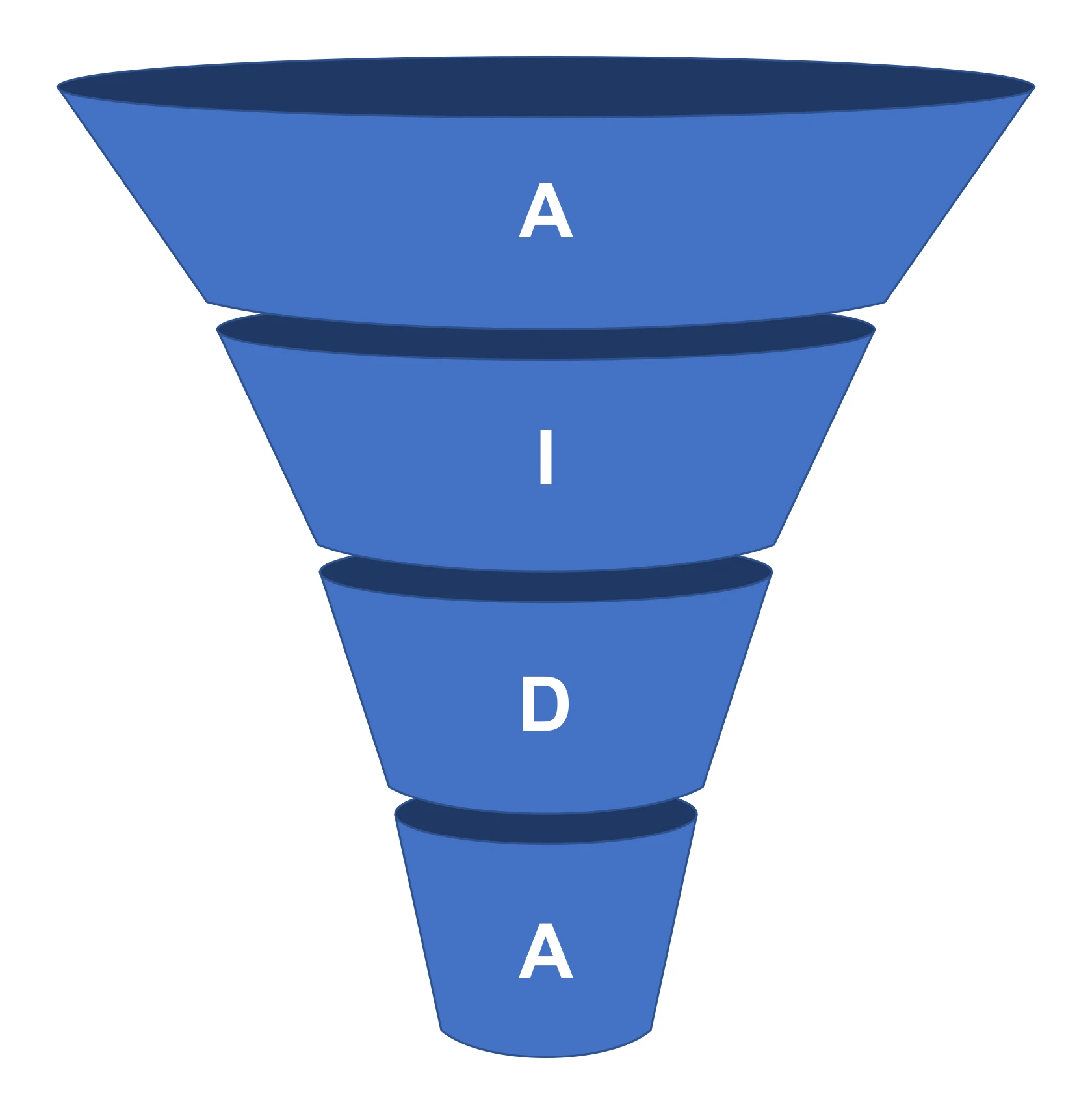
SEO, content and newsletters work more slowly because they need time for indexing, content matching and repeated contact with the audience. These are more assets than immediate pipeline sources, so they rarely deliver results in a last-click model straight away. In practice, such a channel is worth combining with a faster source of leads if the company needs sales here and now.
Case studies, webinars and partnerships have the strongest impact on the trust stage and the decision to get in touch or make a purchase. They do not always generate a lot of visits, but they can improve the quality of conversations and reduce objections about credibility. If you assess all channels by the same number of leads and within the same short window, the comparison will be misleading.
That is why the choice of the main channel should stem from the company’s constraints. When a fast pipeline matters, a fast-signal channel is often the main one, while SEO or content plays a supporting role. When you already have demand, brand recognition or a strong domain, the proportions can reverse.
What factors affect the effectiveness of SEO as a client acquisition channel?
The effectiveness of SEO as a client acquisition channel is mainly influenced by technical foundations, alignment with intent and the strength of the site on a given topic. If Google cannot crawl or index pages properly, even a good offer will not be visible. If the site ranks for the wrong queries, traffic will appear without leads.
Content quality content quality and semantics matter a great deal, because they are what help match the page to the user’s real need. The content should answer clearly, lead to the next step and support transactional pages, not exist separately from sales. Internal linking organises this structure, because it passes context and directs the user from informational content to offer pages.
SEO also depends on domain authority, external links and the page’s performance and UX. When competitors have stronger link profiles or better user experience, publishing new content alone is usually not enough. That is why weak SEO more often means a lack of foundations than the wrong channel.
Evaluate SEO early by index coverage, visibility for non-brand keywords, CTR from SERPs and traffic to transactional pages. This gives a better signal than total traffic alone, especially for informational queries handled by AI answers without a click. With SEO, growth in visits alone is not enough if visibility for the right topics and traffic to pages that can convert are not increasing. That is why supporting content is worth building with a clear answer, a readable structure and a unique example, while keeping strong transactional and comparison pages.
How do you compare channels using KPIs and data normalisation?
You compare channels well when you measure the same funnel stage and the same evaluation horizon. Lead volume alone almost always distorts the picture, because it mixes channels with different functions and different paces of action. That is why, alongside volume, look at cost per signal acquired, CTR or reply rate, page CVR, MQL, SQL, demo and lead quality. Only then assess CAC, payback and time to the first reliable signal.
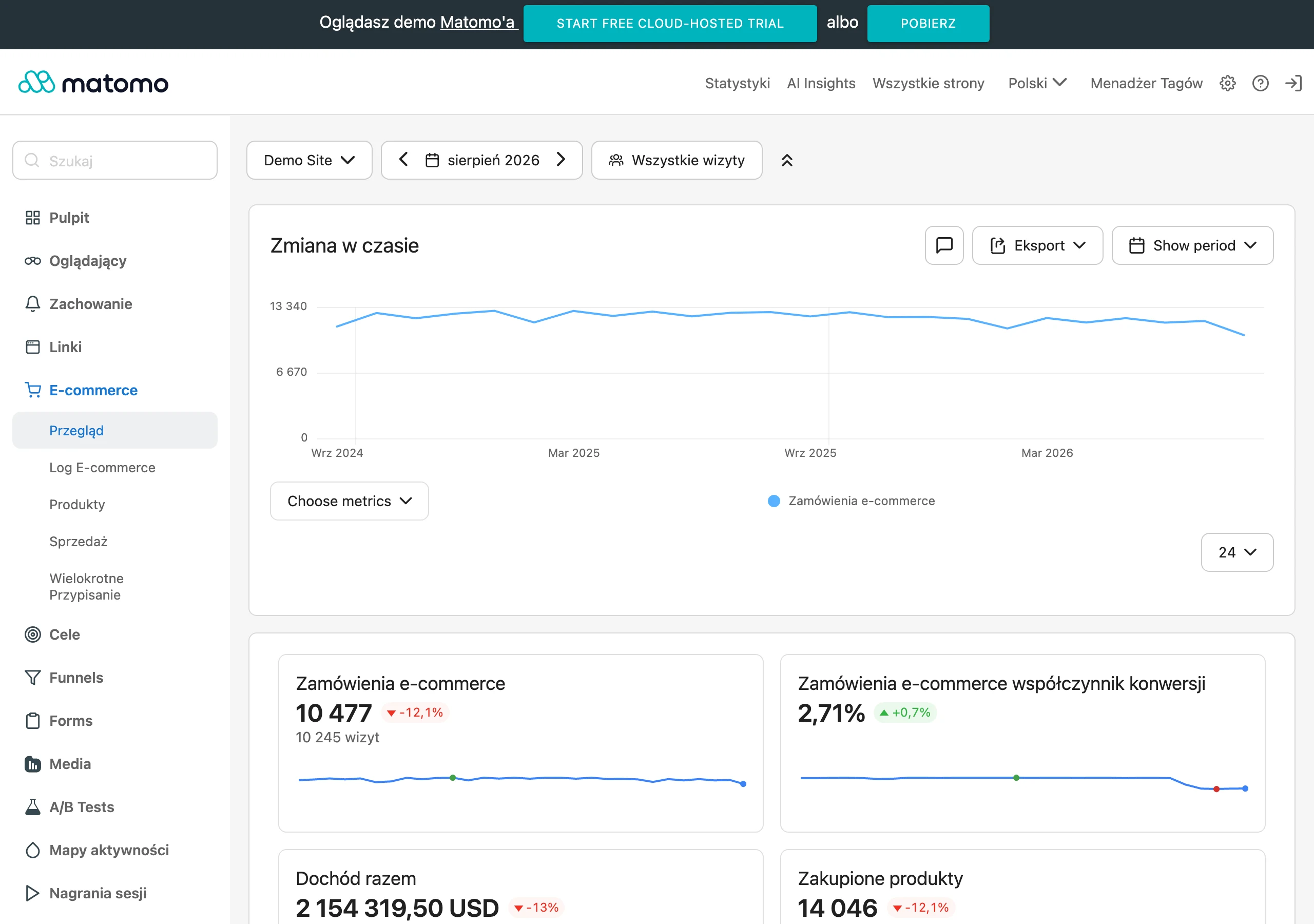
Data normalisation means that you assess each channel according to the role it actually plays. Also assess SEO through visibility for non-brand keywords, index coverage, CTR from results and traffic to transactional pages. Assess PPC by the quality of queries and conversions, not by clicks alone. Compare outbound through replies and meetings, not by the number of sends.
Content requires a different approach, because its impact often plays out over time. Here, cohorts, assisted conversions and observing whether the content directs users to offer pages make more sense. If you compare two channels over different time windows or different funnel stages, the result is false regardless of the table. First make the data realistic, and only then decide what to scale.
What criteria are key when choosing the main marketing channel?
The key criteria are those that respond to the company’s main constraint and show whether the channel can be developed repeatedly. If you need a fast pipeline, you give more weight to a channel that delivers a quick signal of intent or market response. If you have a limited budget or a small team, operational simplicity and the cost of reaching the result become more important. In practice, you choose one main channel for results now and one supporting channel for stability later.
The second filter is the assets you already have. A domain, a contact database, an expert ready to create content or a recognisable brand can shorten the path to results in one channel and lengthen it in another. Repeatability of the process, the chance to scale and the risk of depending on one platform also matter. A channel that works only when every step is manually fine-tuned is rarely a good candidate for the main one.
You close the decision only after assessing whether the channel is worth scaling, fixing, freezing or turning off. You scale when the signal is reliable, lead quality is acceptable and the economics do not collapse after increasing effort. You fix the foundation when there is potential, but measurement, the landing page, indexing or lead qualification are spoiling the result. You freeze or switch off the test when data is still lacking, the signal is weak despite an honest test, or the channel does not fit the company’s current constraint.
What are the most common mistakes when testing multiple channels at the same time?
The most common mistakes are testing too many channels at once with too little data volume, changing several variables at the same time and assessing results over the wrong time horizon. This setup does not let you distinguish a weak channel from a weak test. Instead of a comparison, you get a mix of random signals. If, during the test, you change the offer, target group and message at the same time, you cannot assess the channel fairly.
In practice, the picture is most often ruined by specific operational mistakes:
- testing too many channels at the same time with a limited budget and time,
- too little data volume to draw conclusions,
- changing the offer and the channel at the same time,
- assessing SEO too early, without looking at indexing and visibility,
- looking only at last click,
- ignoring lead quality and the funnel stage,
- lacking feedback from sales,
- confusing a channel problem with a landing page or entire website problem.
In practice, two shortcuts of thought are particularly costly. The first is assuming that no leads means a bad channel, even though traffic lands on a weak page or inconsistent CTA. The second is assessing channels only by final conversion, despite some of them working earlier or supporting the decision along the way.
A separate mistake is failing to account for different timeframes to reach a result. SEO and content need time for indexing, matching intent and entering the buying process, so a verdict that is too hasty is often simply false. Outbound, on the other hand, can generate responses quickly, but it does not yet prove that the product and offer are well closed. That is why a sensible conclusion only emerges once the data are complete, the comparison is normalised, and sales confirms what is really happening with the lead.
FAQ
Frequently asked questions
How do you check whether the problem in channel tests lies in the channel, rather than the offer or measurement?
First, check which stage of the funnel consistently breaks down across different channels. If CTR, reply rate and CVR are weak everywhere, the problem is more often the offer, segment, message or page than the channel itself.
Does a weak result across several channels at once mean that all channels are bad?
No, that result does not prove that on its own. You need to look at the pattern of signals, not just the end result, because the source of the problem may be the test, the landing page or a lack of consistent tracking.
Why do you need to keep test conditions constant when comparing channels?
Because only then are you comparing channels, not several variables at once. When you change the segment, offer and CTA at the same time, the result stops telling you what really worked or failed.
How do different channels affect the time needed to assess results in the sales funnel?
Some channels show intent quickly, while others need more time to build demand or trust. Search ads and outbound give a faster signal, while SEO, content and newsletters usually require a longer evaluation window.
Which KPIs are worth comparing when you are testing several marketing channels?
Compare the same funnel stage and the same time horizon, not just the number of leads. In practice, look at CTR, reply rate, CVR, MQL, SQL, demo, lead quality, CAC, payback and time to the first reliable signal.
When can SEO be assessed as a customer acquisition channel?
Early on, it is worth looking at indexation, visibility for non-brand keywords, CTR from SERPs and traffic to transactional pages. Total traffic alone is not enough if visibility is not growing for the right topics and visits to pages that can convert.