
Chatbot in marketing is a tool designed to shorten the path from a customer’s question to a purchase, contact or another important action. It works best when it is not merely a “chat window”, but a concrete part of the sales funnel. It can answer questions, suggest products, collect leads, recover abandoned baskets and hand matters over to a human. The key point is that a chatbot does not increase sales simply by existing, but thanks to well-designed scenarios, integrations and continuous optimisation. In practice, what matters is response time, the relevance of messages and alignment with the stage of the buying decision. When these elements fail, the chatbot starts to get in the way rather than genuinely helping.
What is a chatbot in marketing and how does it work?
A chatbot in marketing is a conversational system that helps a user move from a question or doubt to a specific action, for example a purchase, submitting a form or contacting a salesperson. It can operate on a website, in an online store, in a messenger or in an app. Its job is not casual chat, but recognising intent and guiding the user to the next step. In practice, a chatbot acts as a conversion layer between traffic and the customer’s decision.
It works according to a simple scheme: it identifies what the user is looking for, asks for context, gives an answer or recommendation and leads them further. If someone asks about a product, the chatbot can narrow the choice by category, price, use case or availability. When the user is not yet ready to buy, the bot can collect contact details, sign them up for a demo or arrange a call. For that reason, a chatbot can support marketing, sales and customer service at the same time.
Its role changes depending on where it sits in the funnel. At the top of the funnel it helps capture intent and segment traffic, in the middle it removes buying barriers, and at the bottom it directs users to the basket, payment, form or a human. In an online store it can answer questions about delivery, returns, compatibility and variant comparisons. In a service business it more often qualifies leads and drives them towards sales contact.
The biggest business value comes from the fact that a chatbot shortens response times and handles repetitive interactions. As a result, the user does not have to click through several tabs in search of information, and the team does not answer the same questions over and over again. For this to make sense, the chatbot must have a clearly defined business goal, rather than just “being available on the website”. Without a goal, it is difficult to design conversations, measure results and assess whether it really supports sales.
In practice, a chatbot should not give the impression that it can handle everything. A well-planned implementation from the outset includes moments when the conversation needs to be smoothly handed over to a human. This applies especially to more complex questions, complaints, unusual orders and situations where the user is one step away from a decision and needs reassurance. The lack of a simple escalation path to a human is one of the most common reasons for a drop in trust and lost conversions.
- 01Conversation goalLeads to action
- 02IntentRecognises needs
- 03GuidanceSuggests a solution
- 04ConversionConnects traffic with decision
A chatbot is a conversational system that turns doubts into concrete buying decisions and acts as a conversion layer.
What are the key elements of a chatbot implementation?
The key elements of a chatbot implementation are a business goal, well-developed conversation scenarios, data integrations and a constant optimisation process. Without these four pillars, a chatbot usually responds too vaguely, asks irrelevant questions or holds the user back instead of moving them towards the goal. The conversation interface itself is not enough. What determines the result is whether the chatbot is aligned with the real sales and service process.
- defining the main conversion: sale, lead, demo, contact, sign-up or basket recovery,
- choosing implementation locations: product page, pricing page, checkout, blog, ad campaign, messenger,
- preparing scenarios: welcome messages, qualifying questions, responses to objections, CTAs and escalation,
- integration with CRM, product catalogue, order system, calendar and analytics,
- monitoring results and updating content based on conversations and conversion data.
The first decision concerns the goal and place of use. A B2B service website, where lead qualification is crucial, needs a different chatbot from an online store, where product recommendations and support during the purchase are more important. It works best when, at one point in the journey, the chatbot serves one dominant function, because then the conversation is shorter and more effective. When you try to educate, sell, collect leads and handle complaints all at once, things quickly become chaotic.
The second element is the conversation scenarios. You need to understand what users ask about, where they drop out of the process and which objections stop them from deciding. On that basis, you build the conversation logic: intent recognition, probing for needs, providing an answer, recommendation and a call to action. In practice, short paths with a small number of questions and a clear move to the next step work best.
The third element is integrations. If a chatbot is to genuinely support sales, it should know the offer, prices, availability, delivery rules, order status or available meeting slots. When it collects leads, the data should go into the CRM with the relevant tags, traffic source and information about intent. Without integrations, a chatbot is often just an aesthetic form in conversation form, and that usually delivers a limited effect.
The fourth element is content and quality control. The answer base should be updated on an ongoing basis, consistent with the offer and aligned with what the user will later see on the website, in an email or in a conversation with a salesperson. When a chatbot provides out-of-date information about prices, delivery or terms of cooperation, trust drops almost immediately. This is particularly important where rule-based logic is combined with AI, because even good models will not make up for a weak knowledge base.
The final important area is the operational process and measurement. Within the company, there must be a clearly designated person responsible for updating content, analysing conversations, correcting paths and handling errors. It is worth measuring not only the number of conversations, but also cart visits, lead quality, escalations to a human and the points at which the conversation is abandoned. Only this set of data shows whether the chatbot is genuinely supporting sales or merely generating traffic.
Data and consent must also be remembered. If a chatbot stores conversation history, collects a phone number, email address or purchase data, the scope of processing, retention and legal basis must be clearly defined. This is not an add-on bolted on at the end of the project, but a deployment element. A well-prepared process from the outset reduces the risk of errors and makes later scaling easier.
How does a chatbot affect the sales funnel?
A chatbot affects the sales funnel because it captures user intent, removes barriers and guides them to the next step. In practice, it acts as an intermediary layer between entering the site and conversion. Instead of leaving the user alone with their questions, it immediately provides an answer, a product, a contact or the right CTA. This shortens the time from interest to decision, and it is often this time that determines the loss of a sale.
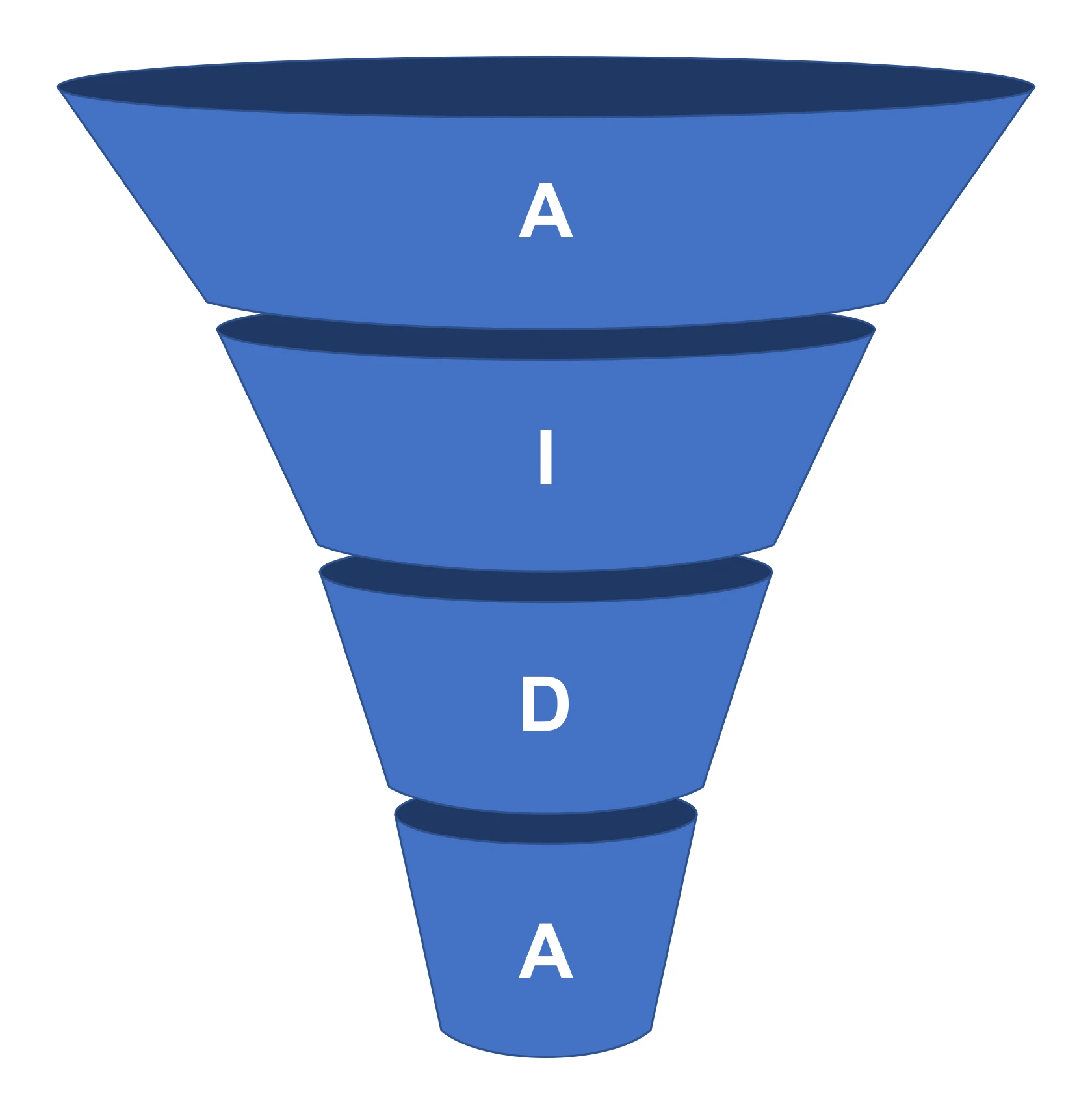
At the top of the funnel, a chatbot helps identify why the user has come. It can ask what the person is looking for, what problem lies behind the need and whether it is a purchase, a quote or contact. As a result, traffic stops being anonymous and from the outset is segmented into more and less valuable paths.
In the middle of the funnel, the key is removing objections. Users then ask about price, delivery, availability, compatibility, implementation times or differences between variants. If the chatbot responds precisely and without delay, it reduces the risk of the page being abandoned at the comparison stage.
At the bottom of the funnel, the chatbot should close the conversation with a concrete action. In e-commerce, this will be a move to the basket, indicating the right product or recovering an abandoned basket. In services, it more often means a form, a booking slot, passing the lead to a salesperson or arranging a call. The biggest impact on sales comes when the conversation ends with one clear next step, rather than an open-ended exchange of messages.
It is also important to tailor the chatbot to the traffic source and the stage of the decision-making process. A person who has arrived from an advertising campaign usually needs a quick clarification of the offer, whereas a returning user more often looks for specifics regarding the order, payment or availability. The same chatbot can therefore behave differently on a product page, differently on a pricing page, and differently again after entering from a remarketing campaign.
- 01Capturing intentIdentifies the goal, segments traffic.
- 02Removing barriersInstant answers, no questions.
- 03Faster conversionShortens the path to purchase decision.
Key: A chatbot acts as an intermediary layer, shortening the route from interest to decision.
What factors determine a chatbot’s effectiveness?
The effectiveness of a chatbot is determined primarily by the business goal, the quality of the scenarios, data integrations and the continuous optimisation of conversations. The dialogue interface alone will not deliver results. If it is not clear whether the chatbot is meant to sell, qualify leads, arrange contact or merely answer questions, it quickly starts mixing roles and, as a result, lowers conversion.
First and foremost, it is worth assigning one main role for a specific place in the journey. On a product page, a chatbot can support selection and direct the user to the basket, whereas on a service page, qualification and arranging a conversation will work better. One dominant function at a given stage of the funnel works better than trying to do everything at once.
Much also depends on how the conversation itself is designed. An effective chatbot first recognises the intent, then asks only for the necessary context, and finally leads to action. Too many questions at the start reduce engagement, just as overly general answers without a concrete recommendation do. The shorter the path to a useful answer, the greater the chance of moving on.
The quality of the data and integrations is often key. The chatbot should know the current offer, order statuses, delivery, returns, payment and contact rules; otherwise it starts answering less precisely. A connection to the CRM, product catalogue, order system, calendar and analytics helps, because then it not only talks, but also genuinely kicks off the sales process.
Results also worsen when the content is not refreshed. Errors in prices, outdated product variants, old terms of cooperation or a lack of answers to new questions quickly undermine trust. The chatbot should have a process owner, a schedule for reviewing answers and clear rules for escalation to a human.
The way results are measured also affects the outcome. It is worth analysing not only the number of conversations, but also add-to-cart actions, lead quality, the number of escalations, dialogue abandonment and the effectiveness of individual scenarios. Only such a set of data shows whether the chatbot genuinely supports sales, or merely generates activity without any business impact.
The legal and operational side cannot be ignored either. If the chatbot collects contact details, conversation history or purchase data, consent, the scope of processing and data retention must be organised. This matters not only formally, but also practically, because an unclear information-gathering process undermines trust at exactly the moment when the user is about to leave contact details or start a purchase.
How to optimise chatbot performance in e-commerce?
Chatbot performance in e-commerce is improved primarily by shortening the path from question to purchase and removing obstacles where the user can get stuck. In practice, this means fewer vague messages and more precise answers: which variant to choose, whether the product is available, when delivery will take place and what the returns procedure looks like. If the chatbot does not speed up the purchasing decision, it most often only takes up space on the site. For this reason, every conversation should lead to a clear next step: product page, basket, contact or human support.
The biggest effect comes from matching the scenario to the place in the shop and the user’s intent. The dialogue should be conducted differently on the category page, differently on the product page, and differently again in the basket or after abandonment. On the product page, it is best to focus on comparing variants, compatibility, delivery time and availability. In the basket, payment, shipping, returns and quickly clearing up doubts come to the fore.
A sales chatbot performs much better when it uses up-to-date operational data instead of relying solely on a general answers database. It should have visibility of the product catalogue, prices, stock levels, delivery options and basic order statuses. An out-of-date answer about price, availability or dispatch time damages trust precisely at the moment of decision. That is why integration with e-commerce and systematic content updates are sometimes more important than the conversation’s own “intelligence”.
It is also worth refining the recommendation logic. A customer usually does not want to go through a long interrogation, but rather to narrow down the choice as quickly as possible by use case, budget, parameters or delivery date. It is better to ask two precise questions and show three sensible options than to run a lengthy form in chat form. The fewer unnecessary questions before showing the offer, the greater the chance of moving to the basket.
A separate topic is recovering abandoned baskets and rescuing checkout. Here the chatbot should address specific objections, rather than merely reminding the user about an incomplete purchase. It works well to provide delivery costs, fulfilment time, available payment methods or differences between product variants. For higher-value orders, it is worth enabling a quick handover to an advisor, because some customers need reassurance before completing the order.
Optimisation cannot be based on “gut feeling”, which is why you need to measure the impact of conversations on sales. The most important metrics are transitions to the product page, adds to basket, completed orders, conversations ended with escalation, and questions the bot could not answer satisfactorily. The most valuable insights come not from the number of conversations themselves, but from the places where the customer breaks off the dialogue or returns to the same questions. That is where conversion losses most often become visible.
- 01Fast pathFrom question to purchase.
- 02Precise infoAvailability, delivery, returns.
- 03Specific stepTo basket, product, support.
- 04Scenario matchingDepending on where in the shop.
The key is to remove obstacles and adapt the dialogue to the user’s intent so that every conversation brings them closer to completing the order.
What mistakes should be avoided when implementing a chatbot?
When implementing a chatbot, it is worth avoiding mistakes that, instead of supporting sales, add extra obstacles for the user. The most common problem is the lack of one clearly defined goal for a given stage of the path. When the chatbot is simultaneously educating, selling, qualifying a lead and handling complaints, it quickly becomes unclear. At one point in the funnel, one main function should dominate over the rest.
Another typical mistake is pushing a form too quickly or bombarding the user with questions right at the start. A user lands on the site looking for an answer or a specific product, not to enter a full set of details straight away. It is wiser to help first in a real way and only then ask for contact details, if there is a sound business reason to do so. Otherwise, the chatbot starts to act like a barrier rather than support.
Responses that are too general, too vague or simply out of date can also be harmful. This particularly applies to prices, delivery, availability, returns, compatibility and terms of cooperation. If the bot communicates unclearly or misleads, the customer will not only fail to buy, but will often lose trust in the entire brand. A chatbot without an up-to-date knowledge base and without integration with sales data quickly starts to do harm.
You also should not trap the user in a conversation without a simple handover to a human. Some issues require an exception, negotiation, verification of details or simply a human decision. A lack of escalation is especially noticeable with higher-value baskets, B2B customers and questions about implementation, deadlines or a bespoke offer. A clear “connect with an adviser” option often saves conversion at the moment when automation on its own is no longer enough.
- implementation without a defined conversion goal,
- copying one scenario across all pages and traffic segments,
- forcing users to leave their details before receiving real help,
- no integration with CRM, product catalogue, orders or helpdesk,
- no procedure for updating content and monitoring conversations,
- omitting consents, data retention rules and the scope of information processing.
In practice, many implementations are also undermined by a lack of process ownership after launch. Someone has to take responsibility for scenarios, reviewing conversations, content corrections, error handling and decisions about changes. A chatbot is not a “set it and forget it” project, because the offer, shop policies and customer questions are constantly changing. Most problems do not stem from the technology, but from the lack of ongoing care for the quality of conversations.
How to measure and analyse chatbot effectiveness?
Chatbot effectiveness should be assessed through the lens of its impact on a specific conversion, the quality of conversations and whether the user moves through the next step more efficiently. At the outset, it is essential to define clearly what the chatbot is actually responsible for: sales, a lead, a subscription, a demo, contact or basket recovery. Without such a definition, it is easy to be impressed by metrics that look good but do not translate into business results. The most common measurement mistake is judging a chatbot solely by the number of conversations, rather than by what those conversations actually changed.
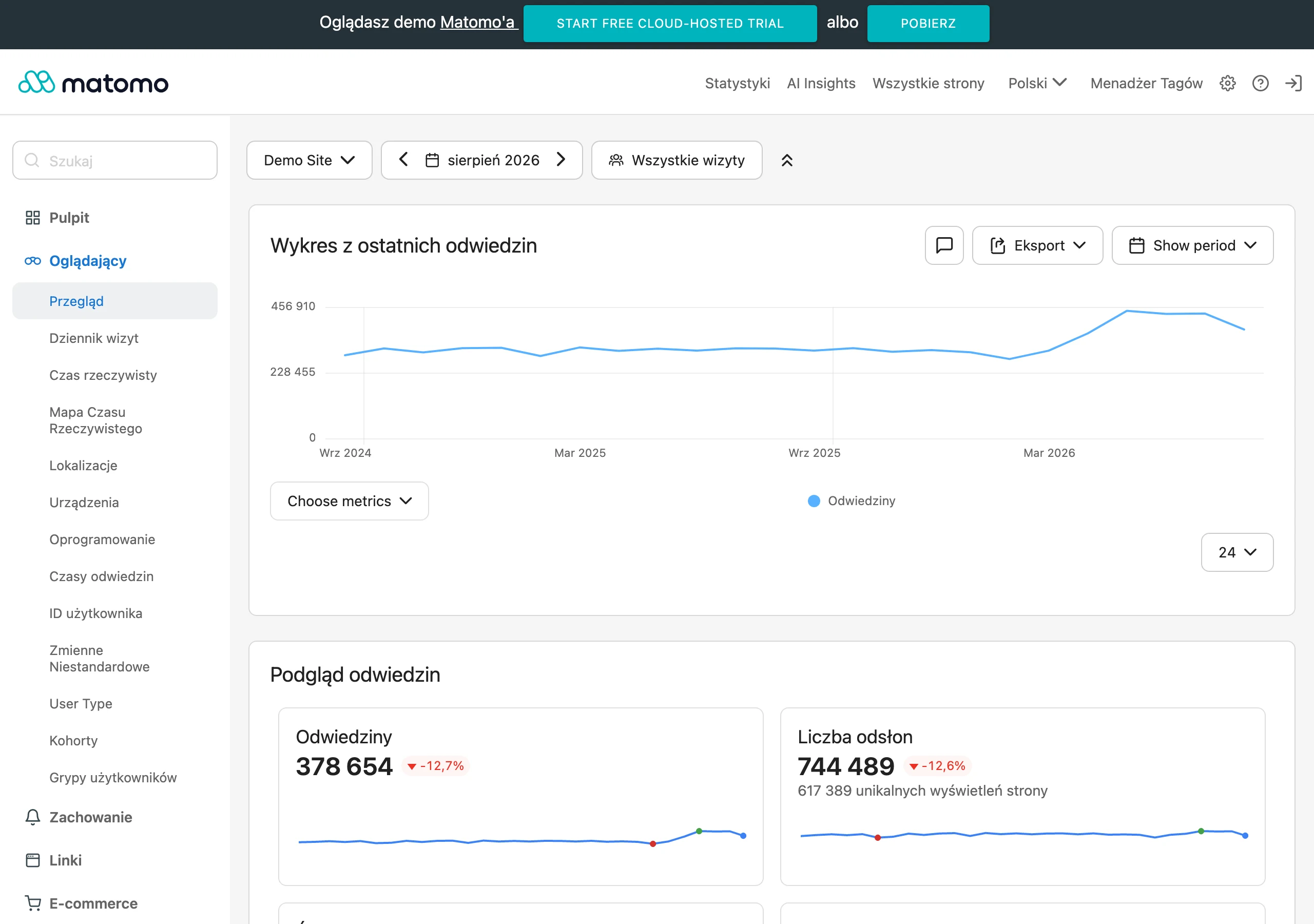
In practice, it is a good idea to divide metrics into two levels: operational and business. Operational metrics show whether the conversation works correctly from a technical and logical point of view. Business metrics answer the question of whether the chatbot is actually supporting sales or qualifying traffic.
- the number of started conversations and the share of conversations ended without an answer,
- intent recognition and the share of conversations in which the user reached the correct scenario,
- click-throughs to the product page, basket, form, calendar or contact with a sales rep,
- lead quality: completeness of data, fit with the offer, readiness to talk or buy,
- escalations to a human and the reasons for those escalations,
- conversation abandonment at a specific stage of the dialogue.
A well-performing chatbot not only provides answers, but also reduces abandonment and shortens the path to a decision. That is why it is worth checking at which stage the user drops off: after the greeting, after the qualifying question, after the recommendation or only when moving to the form. If abandonment rises after collecting too many details, the source of the problem is usually not traffic, but an overly complex scenario.
Analysis only makes sense when the data is connected to the rest of the ecosystem. The chatbot should send events to analytics, leads to the CRM, and retrieve product and order information from e-commerce or the order system. Without integration, it is impossible to assess fairly whether the conversation ended in a sale or merely a click. It is also worth tagging conversations by traffic source, campaign, device, customer segment and page location.
Comparing results between segments is very important. A new user from an ad campaign behaves differently, a returning customer behaves differently again, and so does someone on the pricing page or in the basket. If the chatbot has lower effectiveness only in one traffic source, the cause may be a poorly matched entry message, rather than the whole implementation. The most useful insights usually come not from the average, but from the differences between segments.
Beyond the numbers, you need to review real conversations regularly. This is the quickest way to find out whether the chatbot misunderstands questions, responds too generally, fails to account for important exceptions or tries to capture contact details too early. In qualitative analysis, it is a good idea to label recurring problems: no answer, incorrect recommendation, unclear CTA, incorrect handover to a human, out-of-date information about the offer or delivery.
A good working rhythm is based on regular review of data and conversations, rather than a one-off audit after implementation. Every week or every two weeks, it is worth spotting drops in click-throughs, increases in escalations and new user questions. On this basis, the answer base is expanded, paths are shortened and the order of questions is organised. Chatbot effectiveness grows when it is treated as a continuous optimisation process, rather than a ready-made “set it and forget it” tool.
FAQ
Frequently asked questions
How does a chatbot in marketing help increase sales in the sales funnel?
It captures user intent, removes barriers and guides them to the next step. As a result, it shortens the time from interest to conversion.
Is a chatbot on a website enough on its own to improve sales results?
No, the mere presence of a chatbot does not increase sales. What matters are conversation scenarios, integrations, response time and fit to the stage of the buying decision.
Which elements are the most important when implementing a chatbot?
The key elements are: the business goal, conversation scenarios, data integrations and ongoing optimisation. Without this, a chatbot usually responds too generally and does not lead to conversion.
When should a chatbot hand the conversation over to a person?
When complex questions, complaints, unusual orders arise, or the user is close to a decision and needs reassurance. The lack of such a path can reduce trust and conversion.
How can a chatbot work in e-commerce to better support purchases?
It should answer specific concerns such as availability, delivery, returns or compatibility. Ideally, it should lead straight to the product, basket, contact or human support.
Why is integrating a chatbot with a CRM and order management system important?
Because then the chatbot knows the offer, prices, availability, order statuses and can pass leads on with the relevant data. Without integration, it works more like an attractive form than real sales support.