

CRO is a way to improve the performance of a website or app without adding further campaigns and without increasing traffic itself. Instead of focusing solely on ads and acquiring new users, it looks at what happens after someone lands on the site. The aim is for more people to complete a specific action: buy a product, submit a form, sign up to a newsletter or move to the next stage of the funnel. CRO is not based on gut feeling and what “should work”, but on data, user behaviour and the real impact on business results. Companies that usually gain the most are those with a clearly defined, measurable goal, properly configured analytics and the ability to implement changes efficiently. It is an ongoing process, because conversion barriers change with traffic, the offer, devices and entry sources.
What is CRO and why is it important?
CRO is the process of increasing the proportion of users who complete a desired action on a website or in an app. That action can be a purchase, form submission, registration, clicking a CTA, downloading an offer or moving to the next step. The key point is that CRO works with existing traffic, not just on acquiring new visitors. In practice, that means instead of only “pouring” users into a leaky funnel, you first remove the places where you are losing them.
The importance of CRO stems from a simple fact: even valuable traffic will not translate into results if the site makes decision-making difficult. The cause may be an unclear offer, too long a form, a poorly visible button, no delivery information, slow loading or errors on mobile devices. The user does not always reject the offer consciously; often they simply do not know what to do next, or they lose trust at a key moment. That is why CRO concerns not only the look of the site, but the entire journey leading to conversion.
In practice, CRO is also important because it supports better business decisions. Instead of changing the site based on the team’s opinions, you analyse quantitative and qualitative data and then verify whether a given modification has actually improved performance. This reduces the cost of poor implementations and allows you to focus on the areas that genuinely block sales or leads. The greatest value usually comes not from cosmetic interface tweaks, but from removing a specific barrier in the process.
CRO makes sense when the effect can be measured and improvements can be implemented consistently. If analytics is misconfigured, events do not work properly or data from tools contradict each other, the conclusions will not be reliable. Today this is particularly important because user journeys are spread across different devices, channels and sessions, and tracking consent affects data completeness. For this reason, CRO assessment should not rely only on one conversion rate, but also on micro-conversions, drop-offs between stages, lead quality, revenue per session and technical errors.
What are the key stages of the conversion optimisation process?
The key stages of conversion optimisation include: defining the goal, validating measurement, analysing data, identifying barriers, preparing changes, implementing them and assessing the results. The process only makes sense if you stick to the agreed order, because otherwise it is easy to fall into testing random ideas and misinterpreting the results. At the outset, you define the main conversion and micro-conversions, meaning smaller actions leading towards the goal. At the same time, it is worth identifying key subpages, user segments, traffic sources and technical constraints.
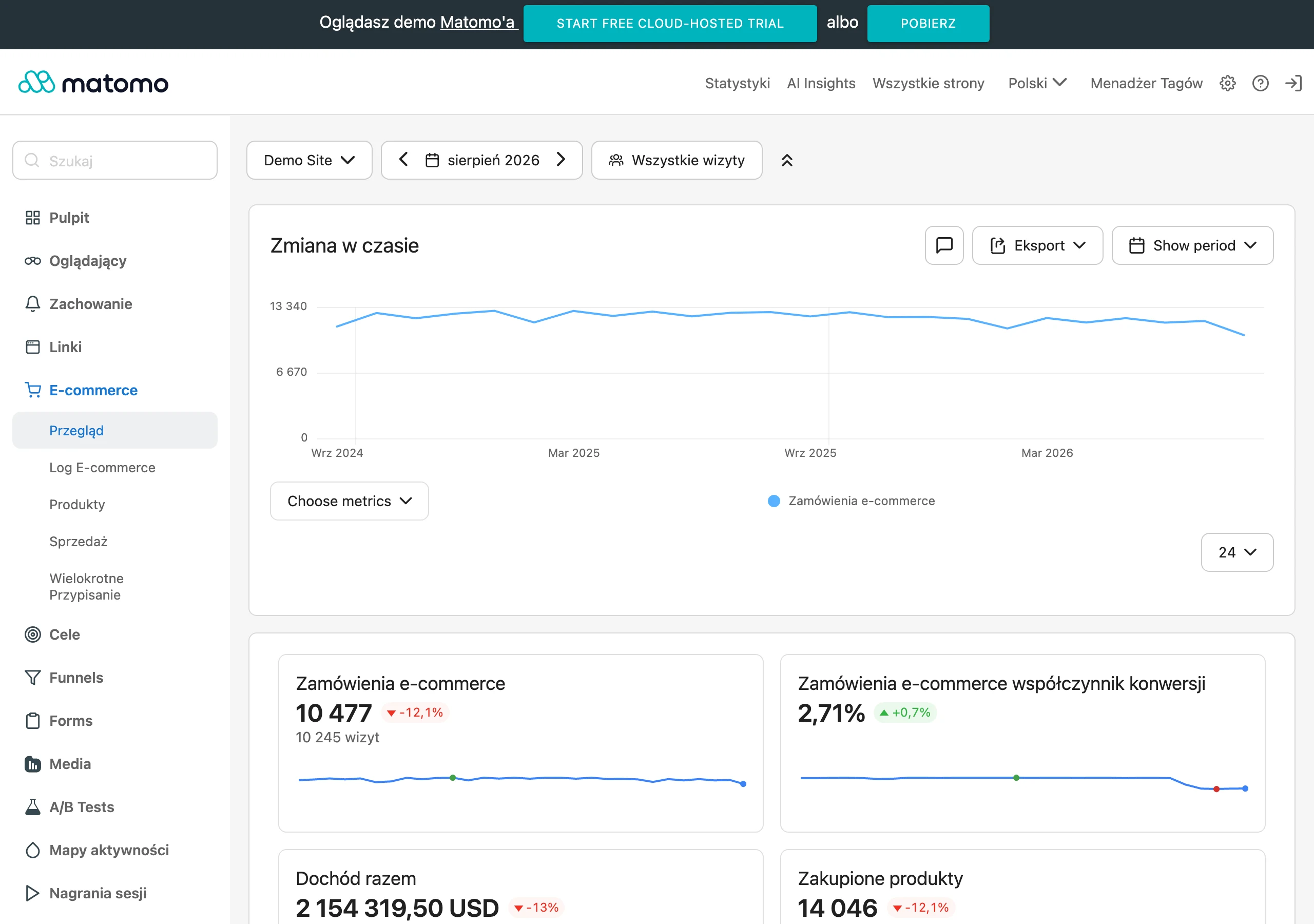
The second stage is validating measurement, because without reliable data further actions miss the point. You check whether analytics records the right events, whether funnels are set up correctly, whether tags fire at the right moments and whether data remains consistent across tools. This is a good time to catch problems with attribution, tracking consent and incorrectly counted conversions. If measurement is faulty, even a well-designed test can lead to a false conclusion.
The next step is quantitative and qualitative analysis. In quantitative data, you look for the points where users drop off, for example form, basket or checkout abandonment, falls on specific pages, as well as differences between mobile and desktop and between new and returning users. In qualitative analysis, you check what causes this: heatmaps, session recordings, surveys, usability testing and support tickets are helpful. The numbers alone show the scale of the phenomenon, whereas observing behaviour shows what is actually blocking the user.
On this basis, you identify barriers and formulate change hypotheses. A good hypothesis combines four elements: the problem, the proposed change, the expected effect and the user segment it concerns. Then comes prioritisation, meaning choosing what to implement first, taking into account business impact, scale of the problem, ease of implementation, risk and the quality of evidence. This matters because not every identified flaw carries the same weight in the final result.
Next, variants are prepared and implemented in an appropriate way. Sometimes it will be an A/B test, sometimes a multivariate test, and sometimes a standard production rollout without a test, when the change removes an obvious error or the traffic is too low for the comparison to be reliable. Modifications may concern headings, CTAs, forms, page layout, offer copy, trust signals, checkout or loading speed. In CRO, you do not test for the sake of testing; you implement solutions that are grounded in data and have a real chance of improving a specific stage of the journey.
The final stage is assessing the results and deciding on the next steps. It looks not only at the increase or decrease in the main conversion, but also at the impact on micro-conversions, lead quality, revenue, the number of errors and the differences between traffic segments. In the end, the variant is either kept, rolled back or refined and moved into the next iteration. In practice, it is this cyclical nature that sets CRO apart from a one-off “website refresh”.
What factors affect the effectiveness of CRO?
The effectiveness of CRO is driven above all by the quality of measurement, traffic structure, path usability and the ability to implement changes smoothly. When data is incomplete or inconsistent, it is hard to determine whether we are dealing with a real problem or an analytics issue. First you need to be sure that conversions, events and funnel stages are being measured correctly. Without that, even tests that look promising can push the team in the wrong direction.
It also matters who lands on the site and from which source. Traffic from brand campaigns behaves differently from traffic from comparison sites, social media ads or organic visits. Similar differences can be seen between new and returning users, as well as between people using mobile and desktop. The average conversion rate for the whole site often hides a problem that affects only one segment.
Another factor is the quality of the user experience itself. Losses most often appear where the process drags on, the form requires too much data, the CTA gets lost on the page or the user does not understand what the next step should be. On phones, there are also the limitations of small screens, content being obscured, slow loading and awkward field completion. In practice, many conversion problems are not caused by the offer, but by friction in the interface.
CRO effectiveness also depends on how closely the message matches user intent. If the advert promises one thing and the page shows something else, the user drops off before they properly start evaluating the offer. A lack of trust works in a similar way: unclear costs, no information about delivery, returns, payment security or reviews reduce the likelihood of taking action.
Results are also affected by organisational and technical constraints. Even an accurate diagnosis will add little if the team does not have access to the CMS, developers, testing tools or time for implementation. Processes work best when analysis, designing changes and implementation all move along the same track, rather than being dispersed across multiple teams without a shared priority.
How to analyse data to improve conversion?
Data analysis for improving conversion should start with the goal, the funnel and the segments, and only then move down to specific pages and behaviours. First, you need to determine which conversion is key and which micro-conversions lead to it. This makes it possible to quickly establish whether the problem lies in attracting visits to the offer page, moving on to the form, starting checkout or completing it.
The second step is checking the measurement. Verify whether events fire at the right moments, whether goals are not duplicated between tools and whether the data can be reliably compared across devices and channels. If analytics counts the start or end of the process incorrectly, the entire subsequent conclusion may be false. This is especially important today, when part of the data depends on consent to tracking and on the correct tag configuration.
Next, you look at the figures in a funnel format. What matters is not only the overall conversion rate, but above all the points with the greatest losses and the differences between segments. In practice, it is worth checking:
- at which stages users most often drop out,
- how mobile compares with desktop,
- which traffic sources generate low volume or low-quality traffic,
- whether new users get lost more often than returning ones,
- which landing pages have high traffic but poor progression to the next steps.
Quantitative analysis alone is not enough, because it shows the scale of the problem but does not explain its source. That is why it is worth combining it with qualitative data: session recordings, heatmaps, on-site surveys, support tickets or simple usability tests. The numbers show where the user drops off, and observation suggests why.
Findings need to be turned into concrete hypotheses rather than stopping at generalities such as “the page is not attractive enough”. A good hypothesis clearly defines the problem, the proposed change and the expected effect for a specific segment. A practical example: if mobile users abandon the form at the phone number field, a sensible hypothesis would be to shorten the form or move some fields to a later stage.
Finally, you assess not only the increase in conversion itself, but also the quality of the business result. In lead generation, lead quality matters, and in e-commerce so do revenue per session, checkout errors and the impact on returns or cart abandonment. The most common mistake is assessing the effect too early or only through the lens of one metric. A good analysis ends with a decision on what to implement permanently, what to refine and what to test next.
What are the most common mistakes in conversion optimisation?
The most common CRO mistakes include working with incorrect measurement, testing without a hypothesis and drawing conclusions from averaged data. When events are set up incorrectly, the form does not record all the steps, or different tools show divergent results, the whole process stops making sense. First of all, you need to confirm that the main conversion and funnel stages are being measured correctly. Otherwise, you are optimising the report rather than the real business result.
Another frequent mistake is focusing on the look of the page rather than the user’s barriers. Changing the colour of a button, a heading or a section layout can help, but only if it addresses a specific obstacle identified in the data or observations. In practice, what usually costs more are overly long forms, unclear CTAs, hidden costs, poor offer clarity or a lack of trust at the purchase decision stage.
Many teams launch tests too hastily and close the analysis too quickly. A result after a few days can look promising, but with a small sample it is easy to end up with pure chance. A test should answer one question and have a clearly described hypothesis: what problem are we solving, what change are we introducing, and what do we expect. Without such a point of reference, it is hard to say whether the result really tells us anything about user behaviour.
Another mistake is looking only at the conversion rate. In some businesses, more important than the raw number of leads is their quality, basket value, revenue per session or the error rate at checkout. More forms do not always mean an improvement if sales later reject most contacts or support costs rise.
A problem can also be copying solutions from other sites without taking context into account. What works on a simple landing page may not work in an online store, SaaS or a multi-step form. CRO is not about implementing fashionable patterns, but about removing specific barriers in a specific journey. That is why sound decisions usually result from combining analytics, user observation and real implementation constraints.
At the end, one more mistake often appears: a lack of further iteration. Even a successful test does not close the process, because it reveals further questions about segments, offer copy or the next stage of the funnel. In practice, the best results come from systematically organising the backlog of changes, not from a one-off series of random experiments.
Why is user segmentation crucial in CRO?
User segmentation is crucial in CRO because the average for the whole site very often masks the real problem. A website may have an apparently stable conversion rate and yet be losing a large part of mobile traffic, paid traffic or new users. Without breaking down the data, it is hard to see exactly where the barrier appears and who it actually affects.
The most basic split is mobile and desktop, because user behaviour on a phone differs from behaviour on a computer. On mobile, problems with form length, content being covered, slow loading, an unclear CTA and unintuitive navigation come to light more quickly. If the analysis does not separate devices, you can mistakenly assume the process is working properly, even though on phones it is not really closing sales.
Equally important is segmentation by traffic source and entry intent. A user from a remarketing campaign, organic results, product ads or social media lands on the site with a different level of readiness to act. This translates into what they need from the site: quick confirmation of the offer, more information, trust signals or a simpler path to the next step.
In practice, it is a good idea to treat new and returning users separately and to look at the most important landing pages. New users more often expect a clearer explanation of the offer and trust signals, while returning users want to get back to the interrupted process as quickly as possible. Such a split makes it easier to form sharper hypotheses, because you can immediately see whether the problem stems from a lack of understanding, excessive friction or a mismatched message.
Segmentation is also useful for assessing the effect after changes are implemented. The same variant can improve form completion on desktop and at the same time worsen progress to the next step on mobile or reduce the quality of leads from a specific channel. A good CRO decision is not based on one overall result, but on checking who actually gained and who lost.
However, it is worth sticking to sensible proportions. Too fine a segmentation at the start often scatters the data and makes it harder to draw conclusions, especially with lower traffic. It is best to begin with the segments that most often move the business result: device, traffic source, new versus returning user and key stages of the funnel. Only then does it make sense to go deeper if the data shows a clear direction.
What tools and resources are needed for effective CRO?
Effective CRO is based on reliable measurement, tools for analysing user behaviour, the ability to implement changes quickly and people who can turn data into decisions. Without these four elements, optimisation ends up as guesswork or isolated tweaks without controlling the effect. The most important resource is not the tool itself, but correctly collected and interpreted information. In practice, even an extensive suite of applications will not help if conversion, funnel stages and segments are measured incorrectly.
The first group of tools is quantitative analytics. You need a system that shows the main conversion, micro-conversions, drop-offs at each stage, differences between mobile and desktop, traffic sources and new versus returning users. If you cannot check where and for whom the drop occurs, you cannot set priorities sensibly. That is why, beyond the analytics tool itself, correct configuration of events, goals, funnels, tags and tracking consent also matters.
The second group is qualitative tools, meaning those that help you understand why the user does not complete the process. This includes heatmaps, session recordings, on-site surveys, usability studies and information from support or sales. Numerical reports alone will show the drop, but they will not answer whether the problem was an unclear message, a form that was too long, an obscured button or a bug on a phone. The best insights emerge when you combine the scale of the problem with observation of real behaviour.
The third group covers implementation tools. Depending on the site, this may be a CMS, code access, a tag manager, an A/B testing tool, a mock-up environment and a simple process for publishing changes. Not every company needs to invest straight away in a full testing platform, because some fixes are better introduced without a test, especially when we are talking about obvious usability issues, technical blockers or form problems. In CRO, just as important as analysis is the ability to implement and check the effect quickly.
Human and organisational resources are also needed. At a minimum, this includes someone responsible for analytics, someone from content or UX, access to a developer and a business decision-maker who sets priorities. In larger projects, this also includes QA, a designer, an specialist in advertising and someone overseeing legal compliance and consent implementation. Without this, the backlog of hypotheses swells, and changes do not reach the site or are implemented too slowly.
In practice, what is needed depends on the type of website. A simple landing page can work effectively with a basic package: accurate analytics, session recordings and efficient implementation of changes in the CMS. Online store, SaaS or a more complex checkout already require more precise tracking of stages, error monitoring, work on mobile, payment integrations and more frequent collaboration with the technical team. Good CRO starts with a minimal but effective toolkit, not by buying everything at once.
FAQ
Frequently asked questions
What is CRO’s main task on a website or in an app?
CRO is meant to increase the percentage of users who take the desired action, such as a purchase, form submission or newsletter signup. It works on existing traffic rather than relying solely on acquiring new visitors.
Why is conversion optimisation important, even when website traffic is high?
Because traffic alone will not improve results if users drop off because of barriers in the process. CRO helps remove the points where the site loses visitors and makes decisions harder.
What stages does the conversion optimisation process include?
The process starts with defining the goal and verifying measurement, then covers data analysis, barrier identification, preparing changes, implementation and evaluating results. It is a cyclical activity rather than a one-off change.
How should you analyse data to improve conversion on a website?
First, you need to define the goal, the funnel and user segments, then check the points of greatest loss. It is good practice to combine quantitative and qualitative data, for example session recordings, heatmaps and surveys.
What mistakes most often undermine conversion optimisation?
The most common problems are incorrect measurement, testing without a hypothesis and judging results only on the basis of one metric. Another mistake is copying other people’s solutions without considering your own context.
Why is user segmentation so important in CRO?
Because average results for the whole site can hide a problem affecting only one type of user. For example, mobile users behave differently from desktop users, and new users behave differently from returning users.