
Lack of a clearly defined campaign objective: how do you set SMART objectives?
The campaign objective should be specific and measurable, because activities carried out “just to keep things moving” most often dilute the budget and make decision-making harder. Instead of a general “more sales”, it is better to set a SMART objective, e.g. “+20% MQL leads in 60 days at CPA ≤ 120 zł”, and then match the channels and creatives to it. Such wording immediately sets the time frame, volume and cost, so it is easier to assess whether the campaign is delivering. The more measurable the objective, the simpler the optimisation and the fewer random adjustments along the way.
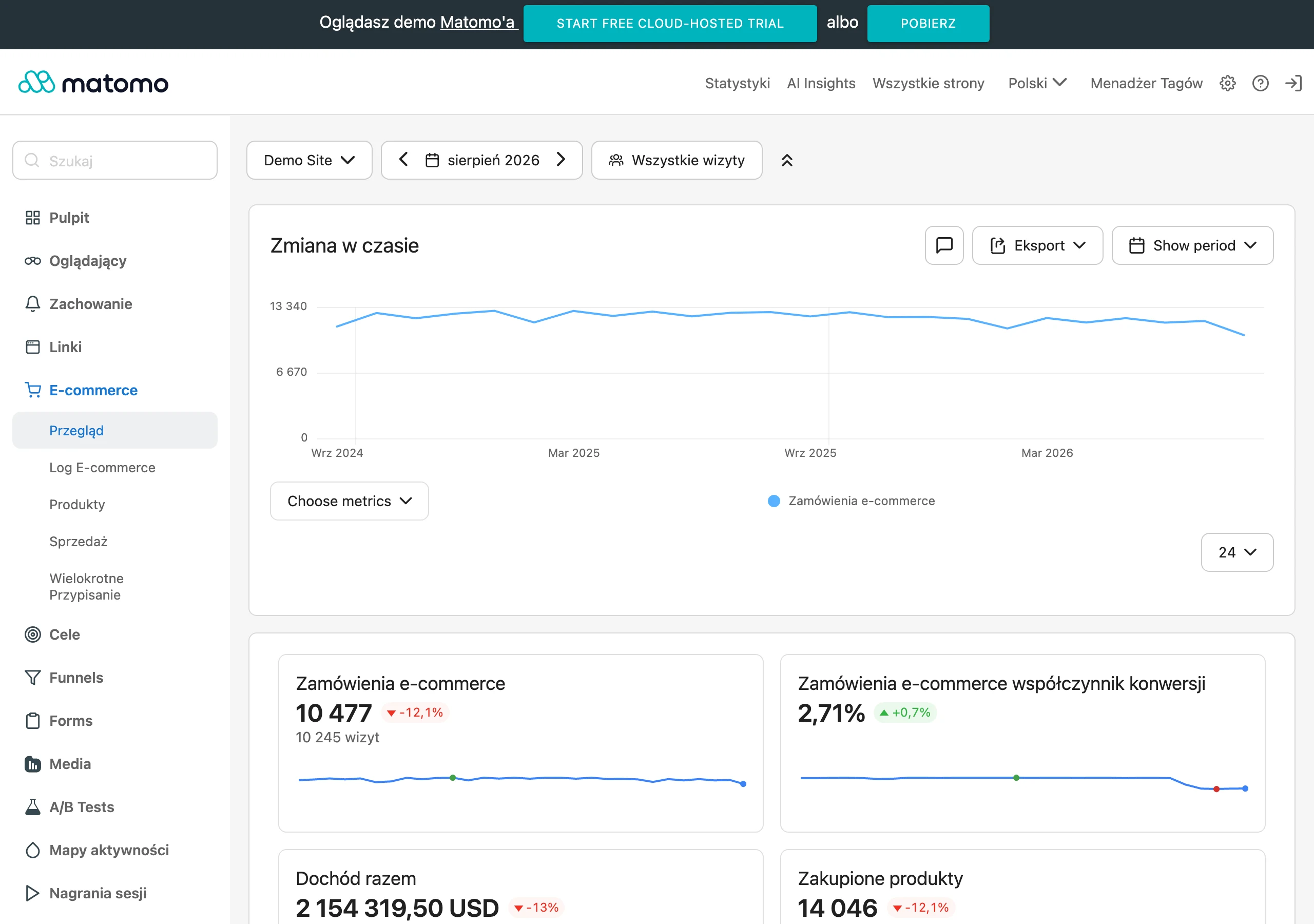
A SMART objective also organises the test plan and decision-making points, instead of shifting budget chaotically between channels. If you know from the outset that MQLs and CPA matter, formats and messages are selected to deliver that effect, rather than “nice” numbers in the dashboard. In practice, the point is for one campaign to have one overriding objective and a clear success criterion. Set the objective first, and only then choose the channels, budget and creatives — not the other way round.
- 01Specific and measurable objectiveNot vague “more”, but SMART
- 02SMART framework: +20% leadsTime, volume and cost (e.g. CPA)
- 03Easier optimisationMatched channels and decisions
A measurable SMART objective organises activities, budget and decisions, increasing campaign effectiveness and making results easier to assess.
Confusing KPI with vanity metrics: what should you pay attention to?
KPI should be linked to the business result, because reach or the number of likes alone do not have to translate into revenue. Reporting only “engagement” can mask budget burn if the campaign does not generate valuable leads or sales. That is why it is worth setting KPIs closer to the business: CAC, ROAS, margin per order, LTV, share of revenue from the channel. Treat metrics such as CTR as diagnostics that help you understand what is happening in the campaign, but do not replace an assessment of profitability.
The key is to separate what looks good from what actually determines profitability and the direction of activities. When KPIs are chosen poorly, you can optimise campaigns for “cheap clicks” instead of the result that matters to the company. Keep KPIs close to money (CAC, ROAS, margin, LTV), and use metrics such as CTR to diagnose problems and test. In reports, make sure the results always lead to decisions, rather than ending with a presentation of charts.
Ignoring the purchase funnel: why is it worth investing in TOFU/MOFU/BOFU?
It is worth investing in TOFU/MOFU/BOFU, because focusing solely on “sales” traffic (BOFU) usually increases CPC and reduces conversion. When you give up education and demand generation, you end up with too narrow a group of people ready to buy “here and now”, and hand everyone else over to the competition. The funnel allows you to match the message to the stage of the decision, instead of trying to sell at the first contact. The most stable results come from a content plan and campaigns mapped across the whole funnel, not just to the close.
TOFU/MOFU/BOFU also organises formats and value propositions, so the user gets exactly what they need at a given stage. In practice, you can build a path: guide (TOFU) → webinar (MOFU) → demo/quote (BOFU), instead of sending everyone to the same CTA. This approach reduces budget burn on people who are only just defining the problem and need context. If the user is at the start of the journey, give them a checklist or a calculator first, and only later direct them to a trial or a demonstration.
- 01TOFU: demand generationReaching a broad audience
- 02MOFU: message matchingEngaging through value (guide, webinar)
- 03BOFU: conversion and closingGreater efficiency, lower CPC
A full TOFU/MOFU/BOFU funnel stabilises results and matches the message to the customer decision stage, instead of selling at the first contact.
Lack of channel and attribution strategy: how to manage marketing channels effectively?
Effective management of channels is about defining in advance the role of each channel and how to measure its impact on results. Chaotic jumping between TikTok, Google Ads and a newsletter without a plan means that no channel gets time to “kick in”, and decisions are made on the basis of short bursts. That is why it is worth assigning functions to channels (acquisition vs closing vs retention) and sticking to a consistent approach in testing. Without a channel strategy, it is easy to confuse “activity” with impact and dilute the budget.
A minimum testing horizon protects you from switching off actions before they collect enough data for a reliable assessment. In practice, set a threshold, for example 2–4 weeks or 100 conversions per variant, and only then draw conclusions and make changes. This approach makes it easier to compare channels and creatives over time, instead of constantly “putting out fires” every few days. First set the rules for attribution and testing, then optimise — otherwise you will change channels faster than they have time to stabilise.
Incorrectly implemented GA4 and tagging: how can you avoid analytics mistakes?
You will avoid analytics mistakes if you implement GA4 and tags in a way that can be tested and make sure that key events are neither missed nor duplicated. The most common problem is the lack of e-commerce events and conversions, or double counting caused by incorrect tag settings. In practice, this means optimising campaigns based on incomplete or distorted data, and budget decisions become riskier. The foundation is a consistent implementation through Google Tag Manager and checking event performance in test modes.
To tidy up the implementation and quickly identify errors, stick to a simple process for verifying and marking the most important events. Key events (e.g. purchase, generate_lead) are best set as conversions, and their performance should be checked in DebugView before the campaign goes live on a larger budget. This approach reduces the risk of “silent” measurement failures, which can only become apparent after weeks. If you cannot see the correct events in DebugView, do not assume that “it somehow counts” — first get the measurement in order, and only then scale your activity.
- Implement tagging through Google Tag Manager so that you have simpler control and can update the configuration more easily.
- Test the implementation in GTM preview mode to catch missing tags or duplication.
- Mark purchase and generate_lead as conversions so that reporting and optimisation are based on events with real value.
- Verify performance in GA4 DebugView before you start assessing campaign effectiveness.
- 01Consistent implementation through GTMThe basis of proper analytics
- 02Monitoring event performanceVerification in test modes
- 03Marking key eventsConversions without duplicates
Proper analytics means more confident budget decisions based on reliable data.
Publishing content without intent and keyword research: how can you create valuable content?
Valuable content is created when you base it on intent and keyword research, instead of writing “by feel”. Without this, it is easy to attract traffic that does not convert, because the article does not answer users’ real questions or does not match the decision stage. In practice, this means you need to distinguish between informational and transactional intent and match the format and structure of the material to it. Use tools such as Ahrefs, Senuto or Semrush to analyse phrases and intent.
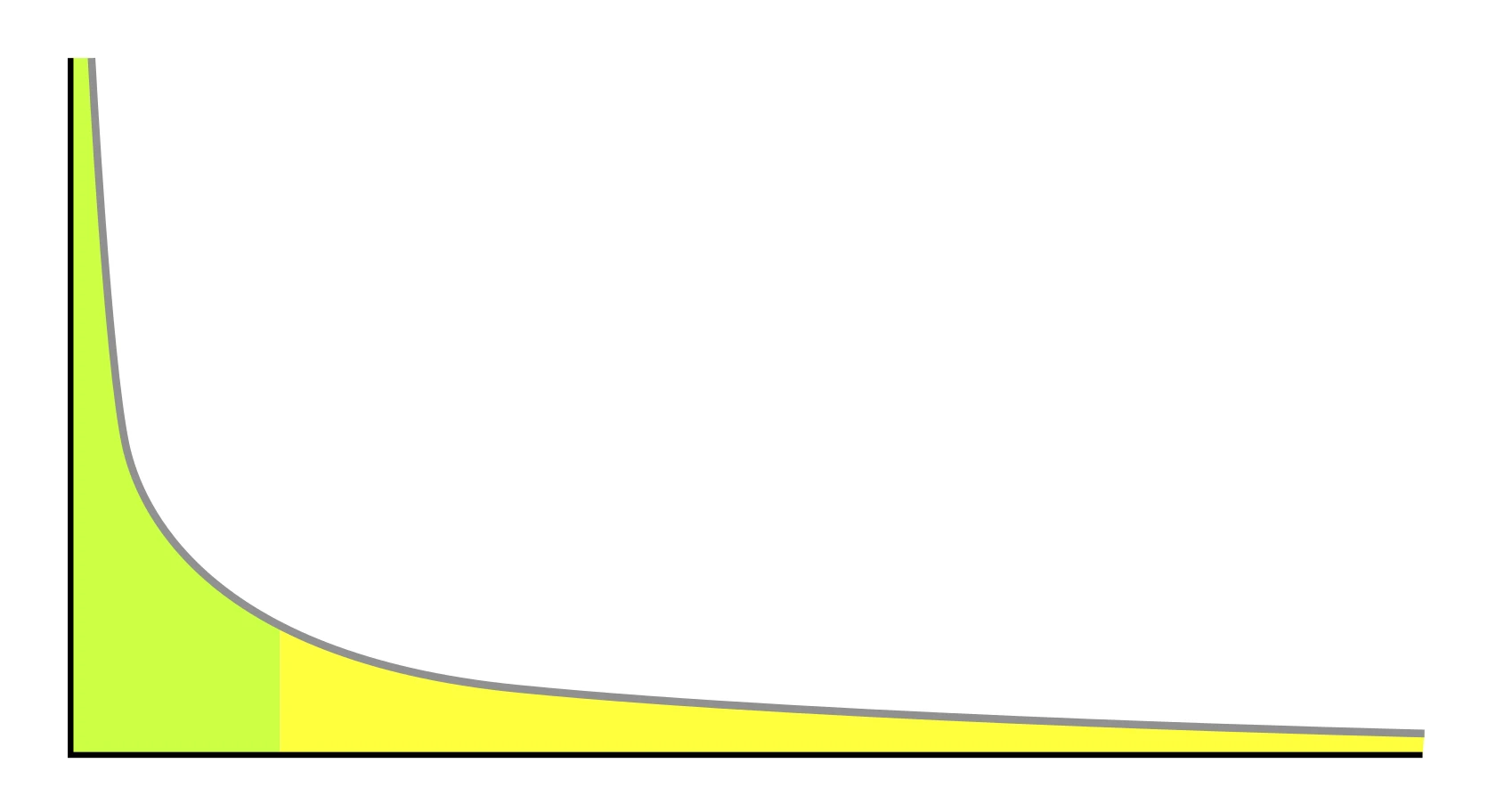
Content planning usually works better in a topic cluster model than as single, disconnected articles. Instead of publishing one text “just to test”, create sets of related materials that consistently cover the topic from different angles and answer the audience’s next questions. This approach also makes it easier to keep content consistent and guide users to the next steps in the information journey. If content is meant to deliver results, start with search intent, and only then choose the topic, format and keywords.
Optimising for the wrong campaign goal: how do you choose the right ad objectives?
You choose the right ad objectives when you set the campaign goal around a real business outcome (sales or leads), not just traffic. In Meta, choosing the “Traffic” objective instead of “Conversions” often attracts people who click but do not buy, because the algorithm learns behaviour that does not have to lead to a transaction. That is why you should choose Sales/Leads objectives and match them to what you want to achieve at the end of the process. If you expect sales or valuable contacts, the goal should be conversions, not page view.
The safest option is to set the optimisation event to purchase or qualified lead, so the ad system looks for users with a profile similar to those who genuinely deliver results. Avoid optimising for “in-between” events if they have no business value, because they can inflate results in the dashboard and reduce traffic quality. The campaign goal and optimisation event should show the algorithm exactly the result the company is actually “paying” for.
Sending traffic to the wrong page: how do you improve conversion by matching the landing page?
Conversion increases when you send traffic to a landing page matched to the promise in the ad and to one specific goal. Sending users to the homepage usually lowers performance, because they do not immediately get an answer to what they clicked on and why they should take the next step. A well-matched landing page makes the decision easier by leading the audience down one path instead of distracting them with multiple threads at once. The greater the consistency between the ad and the landing page, the less “friction” and the higher the chance of action.
The landing page should clearly show value and limit the number of possible next clicks, so the user can immediately see the point of taking action. In practice, this means the headline should reflect the promise in the ad, and the whole page should support one CTA, e.g. “Book a demo”. In addition, it is worth strengthening credibility by showing elements that reduce the perceived risk on the audience’s side. One page = one goal = one main CTA, and the rest of the content should only support the decision.
- A clear headline consistent with the ad message.
- A benefits section that explains “why this makes sense” for the audience.
- Social proof (e.g. reviews) as support for trust.
- One clear CTA on the page (e.g. “Book a demo”).
FAQ
Frequently asked questions
How do you set a marketing campaign objective so you do not burn through budget?
The objective should be specific, measurable and time-bound, i.e. written in the SMART formula. Instead of a general “more sales”, it is better to define, for example, the number of leads, acquisition cost and delivery deadline.
Are reach and likes enough as KPIs in online marketing?
No, because they are vanity metrics and do not have to translate into revenue. KPIs should be tied to business outcomes such as CAC, ROAS, margin, LTV or share of revenue from the channel.
Why is it worth running campaigns across the full TOFU, MOFU and BOFU funnel?
Because selling only at the end of the funnel usually increases CPC and lowers conversion. The funnel lets you match the message to the decision stage and avoid losing people who still need education or context.
How do you manage marketing channels so that the activity is effective?
You need to define in advance the role of each channel and how its impact on results will be measured. It is also important to stick to one approach to testing and not draw conclusions too quickly.
How do you check whether GA4 and tags are implemented correctly?
You should test the implementation in Google Tag Manager and check events in preview mode as well as in GA4 DebugView. The key is to detect missing or duplicated events, especially purchase and generate_lead.
How do you improve conversion by directing traffic to a landing page?
The landing page should be consistent with the promise in the ad and have one main goal. Ideally, it should include a clear headline, a benefits section, social proof and one clear CTA.