

Keyword research has stopped being a choice between “AI or human” and has become a decision about how to sensibly divide tasks between both approaches. AI can, in a short time, gather thousands of keywords, organise them into groups and suggest related topic areas. A human more accurately assesses whether a given keyword really fits the offer, what business weight it carries, and which type of page should target it. The best results come from a hybrid model: AI speeds up the analysis, while manual verification protects against misguided content decisions and wasted budget. This is especially important when queries are ambiguous, local, or concern a niche, specialist offer. In practice, it is not just about the list of words, but about a considered map of topics, intent and URLs.
What is hybrid keyword research?
Hybrid keyword research is a way of working in which AI provides broad material for analysis, and a human makes the final SEO and business decisions. Automated tools generate seed keywords, long tail, questions, synonyms and topic clusters. Then the specialist verifies which of these suggestions make sense for a specific page, product or service.
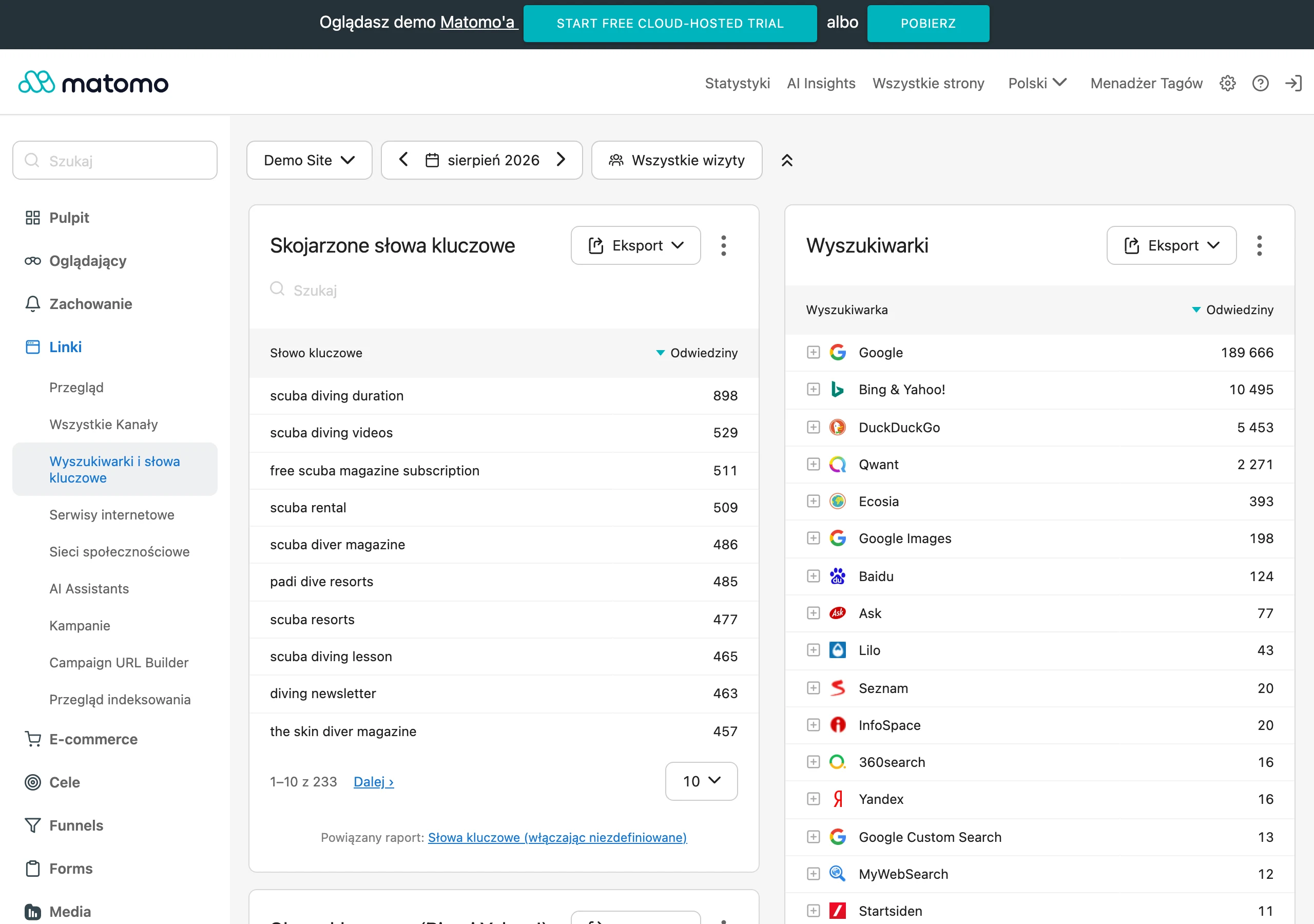
In practice, such a process includes not only searching for popular queries, but also assessing user intent and matching keywords to existing or planned URLs. This is precisely where automation most often needs refinement. Keywords with similar wording do not always mean the same user goal, so one cluster from a tool does not have to map to one page.
The greatest strength of this approach comes from combining scale with relevance. AI speeds up the exploration and structuring of data, but it does not fully take into account the realities of the offer, business constraints or the quality of current search results. Manual selection therefore reduces publishing content without real potential, incorrect topic mapping and the risk of keyword cannibalisation between subpages.
The result of a well-executed hybrid research process is not a raw table of keywords, but a concrete action plan. You get a keyword map, a list of priorities, decisions on content types and guidance on what to optimise, what to add and what not to combine. If the research does not show which URL should handle a given intent, then the research is incomplete.
- 01AI generationBroad material, clusters, long-tail
- 02Expert verificationIntent, business goals, SEO decisions
- 03Matching and implementationURL mapping, precision of purpose
Key strength: AI provides the data, while humans give it meaning and business precision.
How does AI and human collaboration work in SEO?
AI and human collaboration in SEO works best when AI is responsible for speed and scale, and humans for quality assessment and implementation decisions. Automation makes it easier to gather a large number of topics and language variants. The specialist assesses which of them are actually worth turning into pages, site sections or content briefs.
The process usually unfolds in several logical stages:
- gathering inputs: offer, business goals, customer groups, locations, current URLs and priority services,
- AI exploration: expanding seed keywords, questions, related topics and modifiers,
- data organisation: removing duplicates, normalisation and initial clustering,
- manual validation: reviewing SERPs, page types, intent and fit with the offer,
- prioritisation and mapping: assigning clusters to specific URLs and setting the order of work.
The key moment is manual validation. That is when you can see whether the query is informational, transactional, local or mixed, and also what dominates in the results: articles, categories, landing pages or company profiles. It is worth checking the SERP manually, especially for key keywords, because automatic intent classification is often too superficial.
At this stage, the business sense is also assessed. Not every keyword generating traffic is valuable if it does not bring the user closer to a sale, does not deliver a lead or does not strengthen visibility in an important area of the offer. That is why prioritisation depends not only on search popularity, but also on alignment with the service, funnel stage, seasonality and the real chance of preparing a better answer than the competition.
The final result of the collaboration should not be a report “for information”, but material prepared for implementation. It includes a list of primary and supporting keywords, mapping to URL addresses, recommendations for new pages and highlighting content that needs updating. AI output is best treated as a draft, not the final truth about the market and user intent.
What are the benefits of combining AI and manual analysis?
Combining AI with manual analysis speeds up research while also allowing you to maintain control over the quality of SEO decisions. AI quickly gathers a large number of keywords, language variants and related topics that no one would often have time to review manually. A person organises this material in terms of intent, offer and business rationale. This means you are not working from a random list of words, but from keywords that can genuinely support traffic and sales.
The most noticeable practical benefit is the reduction of errors that often appear with full automation. The tool can merge queries that sound similar, even though users are looking for something different. Manual SERP analysis quickly shows whether a given keyword should lead to a guide, a service page, a category or a separate landing page. At this stage, people usually have the advantage, because they assess not only the word itself, but also the actual search context.
The hybrid model also improves prioritisation. Search volume alone means little if the query does not fit the offer, has low readiness to act or requires a page type whose creation is not justified. AI helps identify patterns and topical gaps, but only manual review shows what to implement first and what to leave for later. This protects the team from producing content that looks good in a spreadsheet but brings no business value.
Another benefit is more accurate mapping of keywords to URL addresses and a lower risk of keyword cannibalisation. With manual approval of clusters, it is easier to assign them to the right pages and prevent a situation where several subpages compete for the same query. As a result, the content architecture becomes more coherent, and later optimisation runs more smoothly. The earlier you combine keyword analysis with a decision about a specific URL, the fewer changes will be needed after publication.
- 01Fast & broad researchAI quickly gathers a huge number of keywords and topics.
- 02Human intent analysisA person organises the material in terms of intent and business.
- 03Precise decisionsWorking with keywords that genuinely support traffic and sales.
- 04Reduction of automation errorsManual verification prevents mistakes in interpreting queries.
- 05Accurate content strategySERP analysis indicates the content type (guide, service, category).
Combining AI speed with human precision provides quality control and better SEO results.
What are the stages of the keyword research process?
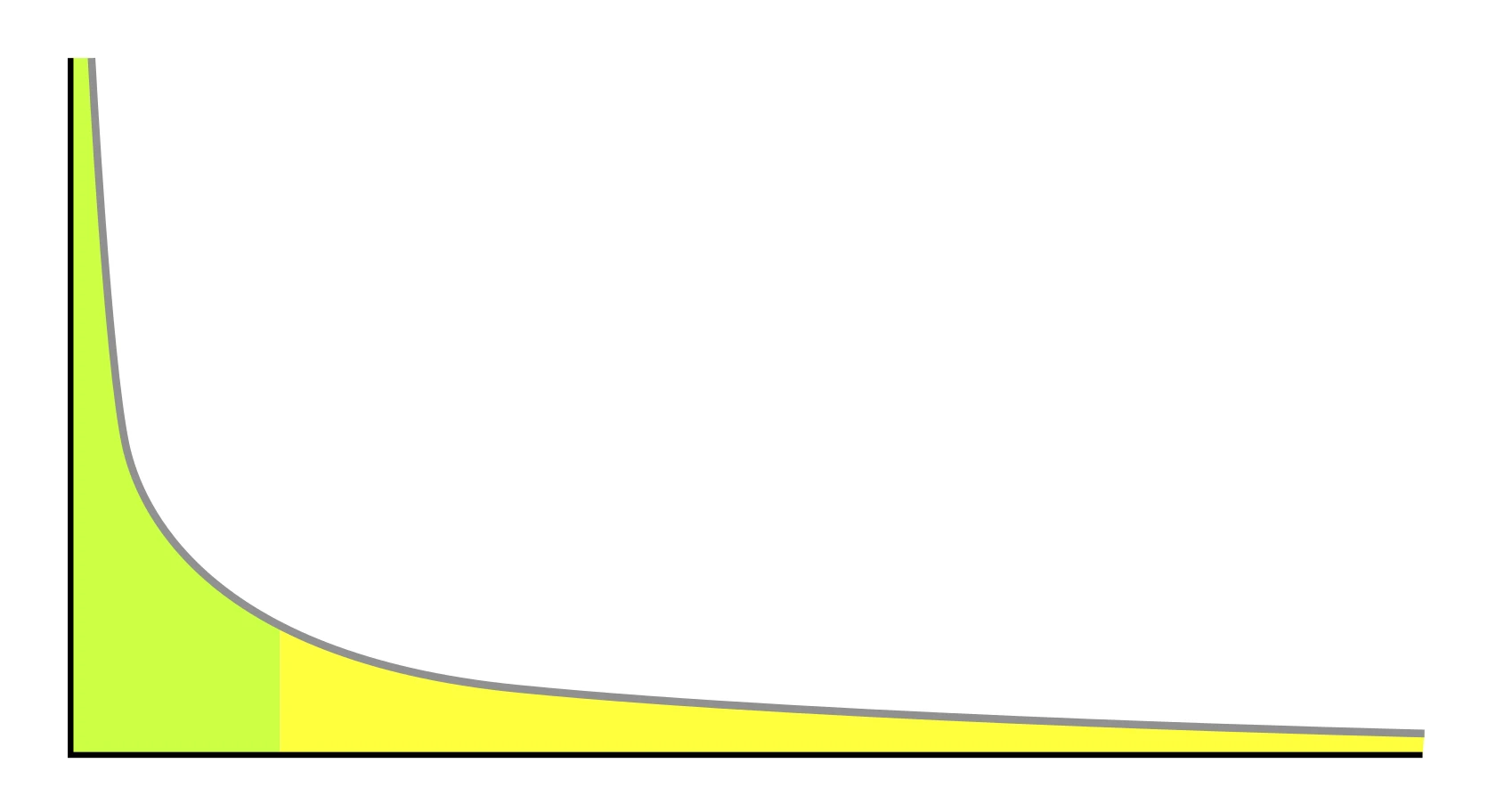
The keyword research process includes the brief, keyword exploration, clustering, manual validation, prioritisation, mapping to URL and later iteration based on results. This structure organises the work and reduces the risk that a good keyword list turns into a chaotic content plan. Each stage has its own task, so there is no point putting them all in one bag.
- Input brief — you gather information about the offer, business goals, customer groups, locations, existing pages and priority services or categories. Without this, even a good tool will generate phrases that are too broad or simply not very useful.
- AI exploration — you build a list of seed phrases, expand questions, synonyms, long-tail keywords, local modifiers and related topics. At this stage, the widest possible scope matters, not perfect quality.
- Normalisation and clustering — you eliminate duplicates, organise variants and group phrases by topic and preliminary intent. A working structure is created, which should only later be checked manually.
- Manual validation — you analyse the SERP for the most important queries and check what types of pages dominate in the results. This is the time to separate mistakenly combined clusters, reject irrelevant phrases and assess fit with the offer.
- Prioritisation — you set the order of actions, taking into account business potential, funnel stage, relative difficulty, content gap and the chance to prepare a better answer than the competition. Not every good phrase should go into production straight away.
- Mapping to the site architecture — you assign clusters to existing URLs or decide to create new pages. This is where concrete decisions are made about the type of subpage, content scope, H1 and internal linking.
- Iteration after implementation — after publication, you check search data, new queries, user behaviour and changes in the SERP. On this basis, you expand, merge or adjust the content.
In practice, the most underrated stage is often manual validation before publication. That is when it becomes clear whether the cluster really matches a single intent, or merely appears to do so in the tool. If this step is skipped, the problem usually returns later in the form of weak rankings, low CTR or several pages competing with each other.
Equally important is closing the process with iteration, rather than with the publication moment itself. Phrases and search results are constantly changing, which is why the keyword map is not a document you close once and for all. Good keyword research works like a workflow system: first it structures decisions, and then it is regularly corrected based on real data.
How do you avoid mistakes in hybrid keyword research?
The safest approach is to treat AI output as a draft and manually verify intent, the SERP and fit with the offer before implementation. AI output is working material, not a publishing decision. The tool can efficiently gather and organise data, but it does not understand the specifics of the business the way a person who knows the product, customer and sales goals does.
The most common mistake is accepting clusters solely because the phrases are linguistically similar. In practice, it is worth checking a few representative search results and seeing what types of pages dominate: guides, categories, service pages, comparisons or local listings. If the SERP shows different page types, do not keep the phrases in one cluster.
The second critical area is mapping phrases to specific URLs. When this is done too late, two texts are created on the same topic, or one page tries to serve several different intents at once. Phrases need to be mapped to URLs before writing, not after publication.
It is also worth filtering phrases from a business perspective right from the start, not only from a tooling perspective. Search volume alone does not determine whether the user is looking for exactly what you offer, or whether you have a sensible landing page for that need. A phrase with high volume but poor fit with the offer usually has a lower priority than a smaller phrase with high purchase intent.
Local, specialist and ambiguous phrases require particular caution. AI often stretches them too broadly or mixes colloquial names with industry terms, which later breaks the logic of the content structure. That is why, before approving a cluster, it is worth checking customer language, sales terminology and whether the phrase really fits the existing or planned page.
The last common mistake is failing to make corrections after publication. Even a well-prepared keyword map later needs checking to see whether Google associates the page with the right queries and whether keyword cannibalisation appears. If you see that a page is attracting traffic from questions other than the intended ones, the cluster needs to be split, merged or the page rewritten for the right intent.
- 01AI is working materialIt requires manual intent verification.
- 02Check intent and the SERPVerify the types of pages in the results.
- 03Fit with the offerUnderstand the specifics of the business and customer.
- 04Early phrase mappingAssign to URLs, do not delay.
AI output is working material, not a publishing decision. Always verify manually.
What should you measure and verify after implementation?
After implementation, you need to measure visibility, query-to-page fit, user behaviour and the impact on conversions. After implementation, assess not only rankings, but also query-to-page fit and the impact on conversions. Presence in the results alone is not enough if traffic lands on the wrong subpage or does not translate into any action.
- impressions, clicks, CTR and average position for specific pages and query groups in Google Search Console,
- whether a given page appears for keywords aligned with the planned intent, rather than random variants,
- whether several URLs are competing with each other for the same cluster,
- whether users go further: to contact, an offer, basket, form or another goal,
- whether new queries appear after publication, justifying the expansion of the content or its split.
In Search Console data, the key is to look at the page-query relationship, not just individual keywords. If a new page is growing on closely related variants, this is usually a good signal, even if it does not dominate on one main keyword. The problem starts when a page attracts traffic from an intent other than the intended one, because this suggests incorrect mapping or a topic that is too broad.
In analytics, it is worth checking what happens after entering the page. For transactional content, inquiry requests, sales, phone calls, forms and transitions to key sections matter. For informational content, micro-conversions are also important, such as moving to a service page, sign-up, downloading material or clicking an internal link that leads further down the funnel.
You also need to regularly verify whether keyword cannibalisation is appearing. If two subpages are alternating visibility for similar keywords and neither stabilises its position, this usually indicates an intent conflict or a content scope that is too similar. In such a situation, it is better to strengthen one page, narrow the other, merge the content or refine internal linking.
Results should be reviewed cyclically and depending on the type of page, indexing frequency and topic competitiveness. Some subpages will show the direction after a few weeks, others need more time and support through linking or content expansion. The most important thing is to return to the keyword map after the first data and correct what the market and search results show in practice.
FAQ
Frequently asked questions
How does hybrid keyword research in SEO work?
AI generates keywords, questions, synonyms and topic clusters, and the specialist checks their fit with the offer and user intent. In the end, they assign them to specific URLs and set action priorities.
Why isn’t AI alone enough for keyword research?
Because it does not fully account for the realities of the offer, business constraints or the actual SERP context. It can also combine similar keywords that, in practice, correspond to different intents.
When is it worth manually verifying AI results?
Especially with key keywords, ambiguous, local and niche queries. This makes it easier to assess the page type in the results and avoid an incorrect cluster.
What should be produced after well-executed keyword research?
Not just a keyword list, but a map of topics, intents and URL addresses. The result should also include priorities, decisions on content types and guidance on what to optimise or add.
What are the most important stages of keyword research?
The process includes an initial brief, AI keyword exploration, normalisation and clustering, manual validation, prioritisation, URL mapping and iteration after implementation. Each step organises the data before publication.
What needs to be checked after publishing content based on keyword research?
You need to measure visibility, query-to-page match, user behaviour and the impact on conversions. It is also worth regularly checking whether keyword cannibalisation appears between subpages.