
How to adapt product descriptions to search intent?
Product descriptions should be adapted to search intent so that they support the “buy now” decision while at the same time immediately removing the customer’s key pre-purchase concerns. When a user types a transactional query such as “Nike Pegasus 41 running shoes size 42”, the description should quickly confirm fit and use case (e.g. what kind of foot and what surface they are for). At an earlier stage of the funnel, the question more often is “will it work for me?”, so it is worth including usage scenarios in the copy (e.g. “for 8 hours a day at a desk” for an ergonomic chair). The most important thing is to combine purchase-specific detail with answers to the questions that genuinely block a click on “add to basket”.
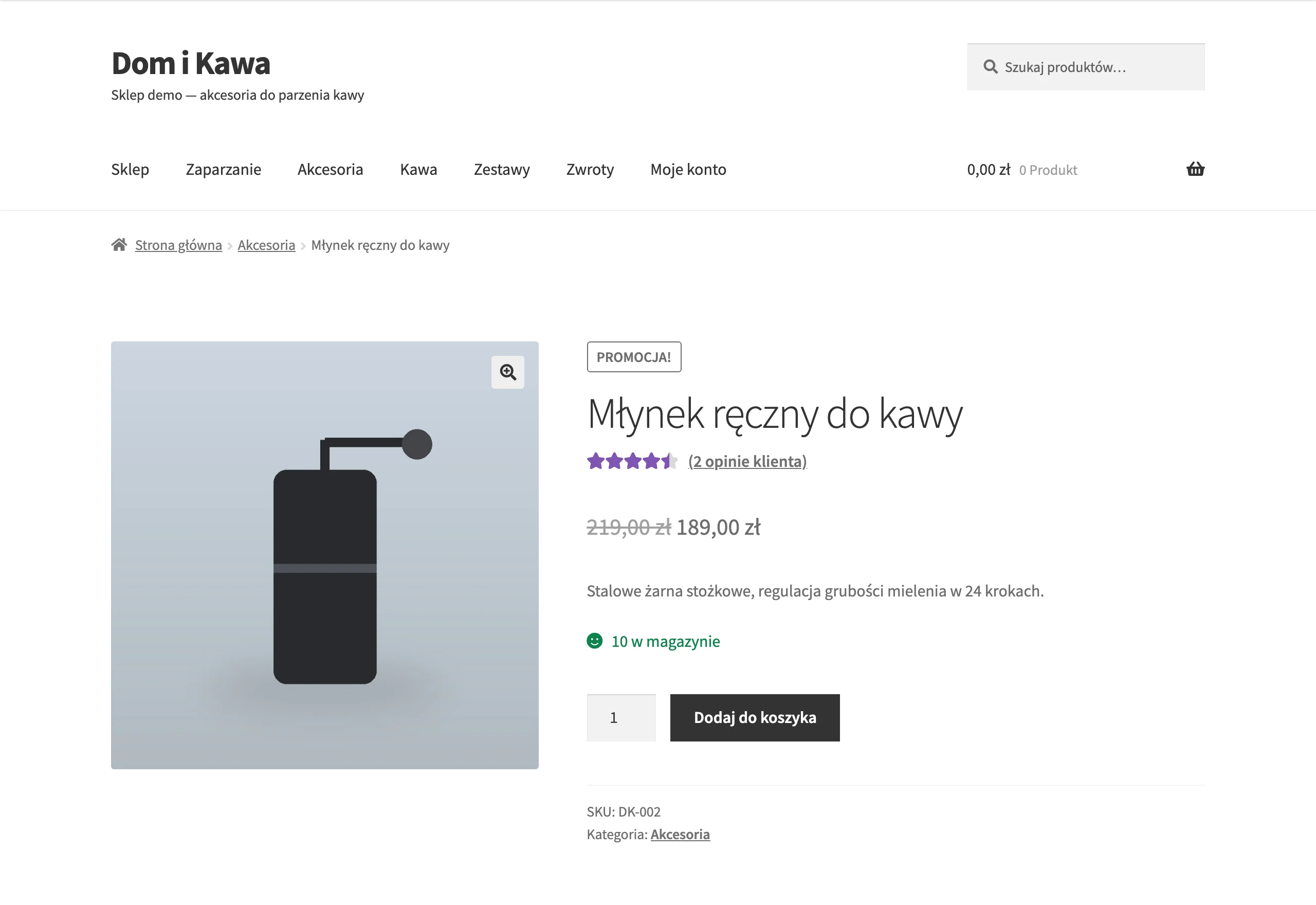
The best results come from deliberate content mapping for different needs in the SERP and the natural inclusion of long-tail rather than fighting only for broad keywords. Broad keywords such as “mountain bike” are difficult and expensive, while parameter-based queries (e.g. “29-inch mountain bike up to £4000 for beginners”) usually convert better because they narrow expectations straight away. If the user is looking for a comparison, add a short “who is it for?” section and “differences vs the previous version” rather than stretching out a general description. Also remember consistency with filtering and the category: if a filter reads “material: natural leather”, then in the description and product data the name should be identical, without chaotic juggling of synonyms.
- Recognise whether the query is transactional (“buy now”) or comparison-based, and adapt the order of information in the description.
- Add answers to typical fit concerns: size, use case, compatibility and usage limitations.
- Weave in long-tail through the parameters users add in search (e.g. size, material, intended use).
- At the bottom of the funnel, provide decision-making specifics: availability, variants, delivery costs, returns and warranty.
- 01Transactional queryQuick confirmation of features
- 02Consideration stageUsage scenarios
- 03Removing concernsAnswers to blockers
Combine purchase-specific detail with answers to the questions blocking the decision.
The importance of audience segmentation and benefit-led language in descriptions
Audience segmentation and benefit-led language are key, because the same parameter can mean something completely different depending on the user and the stage of decision-making. It is worth adapting the description to real groups: beginners vs advanced users, children vs adults, B2C vs B2B, so you can answer more quickly the question “is this for me?”. For example, the same feature “1200 W power” may sound like faster blending for a family, but in another context like efficiency for catering. The best descriptions do not repeat features; they show their consequences in a specific usage scenario.
Benefit-led language should remain both precise and aligned with what can be confirmed by parameters or the manufacturer’s sources. Instead of generic phrases such as “highest quality”, it is better to connect the benefit with the function and a practical effect (e.g. “5–60°C temperature control” → “you’ll brew green tea without bitterness”). For less advanced audiences, it is worth expanding abbreviations (e.g. “IPS = better viewing angles”), while for more advanced users it is worth giving threshold values (e.g. “sRGB 99%”), separating the simple description from the technical details. This approach strengthens query relevance and reduces poor purchases, because the user understands better what they are actually getting.
How to optimise product descriptions for long-tail keywords?
Product descriptions are optimised for long-tail keywords, naturally weaving queries in the “model + parameter” pattern wherever the user is looking for confirmation of fit and product details. These phrases are easiest to identify by combining data from Google Search Console, Google Keyword Planner and tools such as Senuto, Ahrefs or Semrush, because they show real search patterns. In practice, look for formulas similar to “product + dimension/capacity/feature” (e.g. “160×200 mattress hard H3”, “1.7 l kettle temperature control”) and answer them straight away in the description content. The safest and most “SEO-resistant” long-tail base is parameters that can be clearly confirmed in product data.
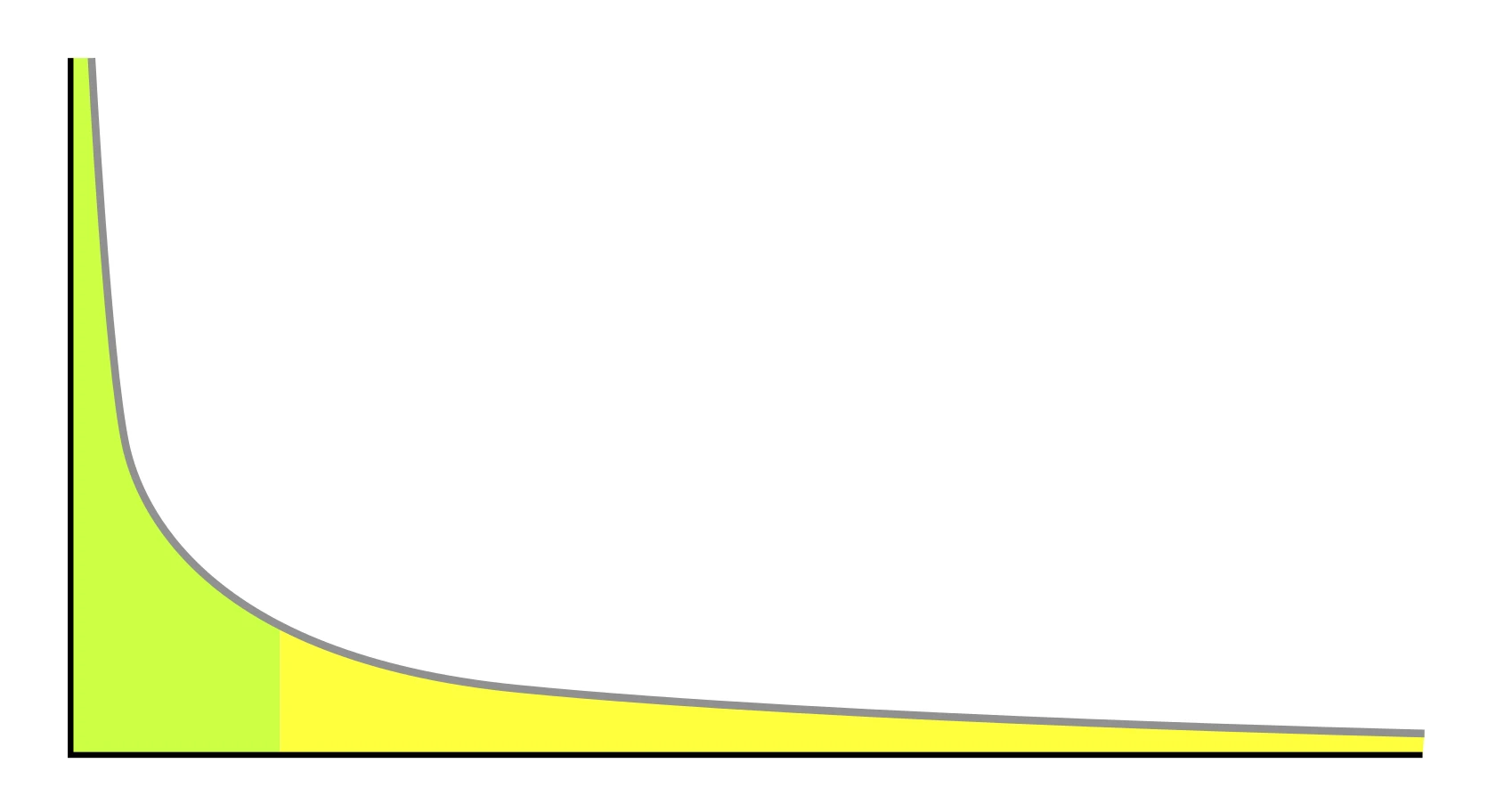
Keywords and user questions can also be sourced from AlsoAsked, AnswerThePublic, Google autosuggest and the “Similar searches” section, and then moved into a short FAQ on the product page. To avoid losing visibility through information clutter, cluster keywords into: product page (specific model), category (product type) and guide (how to choose), which helps avoid keyword cannibalisation. Instead of repeating the same wording over and over, use synonyms and entities (specific terms and parameters), because Google understands a topic better by “meaning” than by repetition alone. If locality or availability appears in queries (e.g. “collect today”, “available in showroom”), include it only when it matches the actual stock situation and logistics options.
- 01Detect search patternsCombine data from SEO tools (GSC, Semrush, etc.).
- 02Target parametersFormulas such as: product + dimension/capacity/feature.
- 03Weave in naturallyAnswer questions in the description content.
- 04Confirm with dataUse parameters consistent with the product data.
Key: Natural answers to precise user questions about product details.
Product description structure that sells and supports SEO
The product description structure should guide the user from a quick assessment of fit to a purchase decision, while also organising the content around questions that Google “sees” in the page headings and sections. At the top of the page, it is worth adding a short TL;DR in the form of 3–5 bullet points with the most important benefits and parameters, because on mobile this improves scanability and shortens the time needed to understand the offer. Within about 10 seconds, the user should know what the product is for, what sets it apart and whether it meets their needs. It is this “informational first impression” that most often decides whether someone goes deeper into the specification and variants.
- What the product is for (application and usage scenario).
- What sets it apart (a specific feature/parameter, not a slogan).
- Who it will be a good choice for (a brief fit hint).
- What influences the “I’m buying” decision: variants, compatibility, key purchase conditions.
The first 200–300 words (including the H1 and lead) should include the product name, the key differentiator and the most “searched” uses, because this is the most-read fragment and it strongly affects fit with queries. In the “Why it’s worth it” section, avoid empty slogans and link the benefits to evidence, such as numbers from the manufacturer’s card or measurement results, together with a short explanation of what they mean in practice. Where it makes sense for the category, add technical specifications in a table (a fixed set of fields and units), because it makes comparisons easier and strengthens semantic signals. When numerical data or tests are missing, it is better to rely directly on the manufacturer’s sources than to create the impression of verification.
Decision-making is also accelerated by sections that address common “blockers”: FAQ (long-tail questions), “Who it’s for / when to choose”, and comparison of variants and compatibility, especially when returns result from a mismatch. In the description, it is worth using internal linking to the parent category, complementary accessories and guides such as “how to choose a size” or “how to clean”, using descriptive anchors. At the end of the purchase funnel, microcopy about delivery, returns and warranty works well in the context of the decision — show the key conditions briefly alongside the description and leave the details in separate sections. This way, the description sells, reduces uncertainty and captures traffic from more precise queries at the same time.
Using structured data and multimedia optimisation
Structured data and properly optimised multimedia improve the readability of the product page for Google and allow the user to assess the offer more quickly without having to scroll for long. In practice, it is worth implementing Schema.org Product and Offer with price, currency, availability and identifiers (GTIN, MPN), because this strengthens rich results and ensures consistent information in the SERP. When reviews appear on the product page, Review/AggregateRating can be added, and FAQ should be used only when the content is genuinely visible to the user and aligned with Google policies. This approach organises the signals “what is it” and “on what terms is it available” in a form understandable to algorithms.
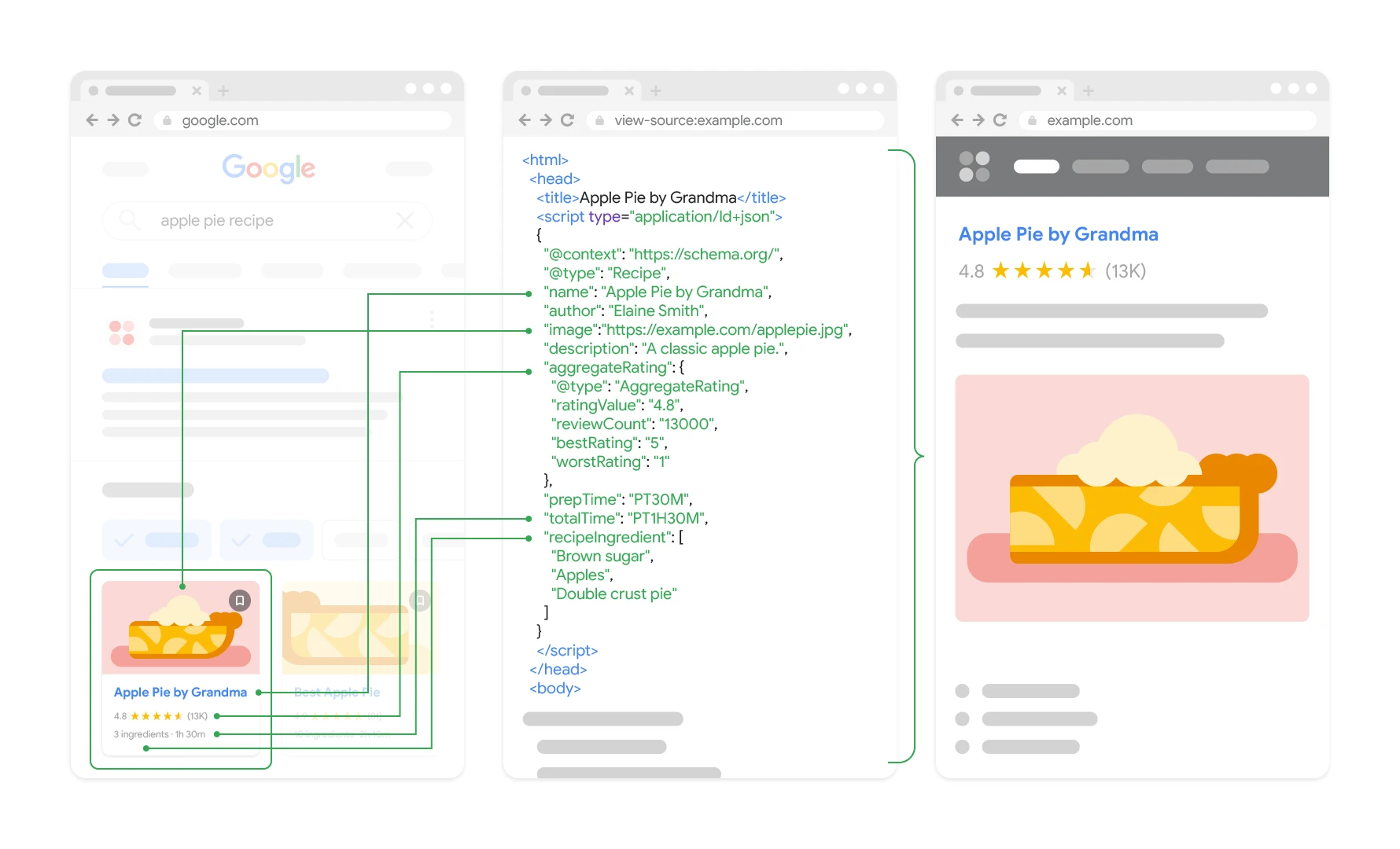
Image optimisation supports both sales and technical performance at the same time, because it reduces page weight and improves the mobile experience. Choose WebP/AVIF and lazy-loading, and set loading priority for the key image so as not to weaken the first impression. Describe alt text and file names specifically (e.g. “black women’s hooded puffer jacket 700 cuin”), instead of generic labels such as “image1”. This makes graphics easier to interpret and easier to connect with users’ parameter-based queries.
Video increases product understanding when, in a short format (15–60 s), it shows scale, assembly or how something works, because it answers the question “what does it look like in real life?”. Embed it in a way that does not worsen Core Web Vitals, for example through thumbnails, deferred loading (defer) and proper hosting (CDN or YouTube with optimisation). It is also worth remembering that LCP and CLS on product pages are often damaged by heavy sliders and too many marketing scripts, so limit them and check them in PageSpeed Insights and Lighthouse. If the site raises technical distrust (e.g. due to security issues or aggressive pop-ups), even the best description and multimedia will not save conversions.
Why are unique product descriptions key in e-commerce?
Unique product descriptions matter because identical manufacturer content appears across dozens of stores and Google has no clear reason to choose your page in particular. In practice, uniqueness is not only different wording, but also additional value for the user: comparison, support in choosing the variant, compatibility, your own photos and FAQ. If the product page brings nothing beyond the manufacturer’s description, it loses both in SEO and in the purchase decision. That is why it is worth constructing the description so that it answers real questions and reduces the risk of a poor purchase.
The easiest way to create a unique description against similar products is to stick to a fixed logical structure while varying the content based on real features: material, intended use, sizing and what is included in the set. For series, it is better to add “what changed in this version” and “who it is best for” than to rewrite the same paragraphs between SKUs. Working with modules also helps (e.g. “benefits description”, “instructions”, “FAQ”, “compatibility”), which you assemble depending on the category instead of copying entire blocks of text. Such a structure helps maintain consistency while also limiting duplication.
Scaling unique descriptions requires process and quality control, otherwise the risk of “thin content” and overly similar texts within the catalogue increases. Similarity should be caught using tools such as Siteliner or Copyscape (or your own scripts) and alarm thresholds should be set when content starts to blur together. AI can speed up the preparation of drafts and language variants, but the biggest risk remains “hallucinations” in parameters, so numbers and compatibility should come from the attributes database, not from the language model. When data is distributed, PIM (e.g. Akeneo or Pimcore) makes it easier to enforce required fields and maintain parameter consistency at scale.
How to measure the effects of product descriptions and optimise them?
The effects of product descriptions are worth measuring in SEO and sales at the same time, because a Google ranking alone does not determine whether the description genuinely supports the purchase decision. Set KPIs that combine visibility with business performance, e.g. a 20% increase in clicks from Google Search Console over 8 weeks, a 0.3 pp increase in product page conversion rate, or a 5% drop in returns in a given category. In GSC, look for queries that have impressions but low CTR or positions 8–15, because this often signals a lack of concrete answers in the content (e.g. compatibility or sizing). A description is “effective” only when it improves CTR and behaviour on the product page, not just visibility.
Optimise product descriptions based on behavioural data from GA4, analysing scrolling, clicks on variants, add-to-cart actions, abandonments and paths to purchase. If users often leave after opening the size guide, the cause is often a lack of clear guidance rather than weak traffic from SEO. In A/B tests, change one thing at a time (e.g. the order of sections, the length of the lead, the form of the FAQ or the numbers in headings) so the result can be clearly attributed to the change. For comparisons, you can use tools such as VWO, Optimizely or tests in Shopify/Shopify Plus, assessing the impact on add-to-cart and revenue rather than on the “feeling”.
Set priorities based on a content audit. First remove critical gaps (incorrect parameters, unclear compatibility, missing size chart, missing information about the set and warranty), and only then refine the style. Compare results within the same category and price range, because conversions across categories are not directly comparable, and seasonality is better assessed year on year (YoY). Combine return data with the content. If the reason is “wrong size” or “does not fit”, add more precise measurements and a “how to measure” section instead of simply expanding paragraphs for SEO. The most predictable iteration rhythm is 30/60/90 days: 30 days for CTR and indexing, 60 days for visibility, 90 days for a hard impact on sales and returns.
Role of credibility and compliance in product descriptions
Credibility and compliance in product descriptions are built through transparent data sources and precise communication of limitations, not through empty promises. In practice, users want to know whether the parameters come from the manufacturer’s specification sheet, store measurements or independent tests, so it is worth adding a short note such as “Technical data according to the manufacturer, updated: 2026-01”. In regulated industries (e.g. supplements, cosmetics), avoid medical claims and stick to permitted wording, referring to the ingredients and the manufacturer’s studies. This approach reduces the risk of complaints and strengthens trust, because the customer can see what the claims in the description are based on.
Customer reviews and UGC increase credibility, provided they are sensibly moderated and supported by purchase verification (e.g. Opineo, Trusted Shops, Yotpo). Responses to critical reviews should remain substantive, because buyers are looking not only for an assessment, but also for a way to solve the problem. For certificates and standards (e.g. EN 71, CE), clarify what they actually mean and avoid the generic “certified” without specifying which certificate and who issued it. At the same time, communicate safety issues directly by stating limitations (e.g. “max load 120 kg”), which reduces returns and answers common search queries.
Compliance and trust are also strengthened by a clear warranty and service policy in the description. State the length of the warranty, identify the warrantor, explain where the service operates and how long the claims process usually takes. When you communicate “eco”, show the basis for it (e.g. FSC for paper/wood, GOTS for textiles, the percentage of recycled material such as “plastic 30% PCR”), because generalities can easily look like greenwashing and lower credibility. It is worth adding simple instructions for use and care (e.g. “wash at 30°C, do not tumble dry”), because this reduces complaints and answers queries such as “how to clean…”. Base comparisons on facts within your own offer (parameters, features, warranty), and in legally sensitive topics (supplements, medical devices, finance/insurance, age restrictions) make sure the required information is included so that the description is safe both for the user and for the brand.
FAQ
Frequently asked questions
How can you tailor a product description to the user’s search intent?
First, you need to recognise whether the query is transactional or comparative, and set the order of information to match that need. In the description, it is worth confirming the fit quickly and immediately addressing concerns about use, size or compatibility.
Do long-tail keywords help with product description ranking?
Yes, because such queries are more specific and usually convert better than broad keywords. The best approach is to weave them in naturally as parameters that users type into the search engine, for example model, dimensions, material or intended use.
What should the structure of a product description look like so it sells and supports SEO?
At the top, it is worth adding a short TL;DR with the most important benefits and parameters, then moving on to specific sections: use, differentiators, who the product is for and what influences the decision. FAQ, a specification table and information about variants, compatibility and purchase conditions also help.
Why are unique product descriptions important in e-commerce?
Because identical manufacturer copy appears in many shops, so Google has no reason to favour your page in particular. Uniqueness adds extra value, for example in the form of comparisons, variant-selection guidance, FAQ or your own photos.
How can structured data and multimedia be used in a product description?
It is worth implementing Schema.org Product and Offer with price, currency, availability and identifiers, and where there are reviews also Review or AggregateRating. Images and videos should be optimised so they improve the clarity of the offer, do not weigh down the page and do not hurt Core Web Vitals.
How can you measure the effectiveness of product descriptions after changes are implemented?
You need to look not only at positions in Google, but also at clicks, conversion rate, add-to-cart and returns. A good approach is to analyse data from GSC and GA4 and run A/B tests where you change one thing at a time, for example the order of sections or the length of the lead.