
Alternative text (the alt attribute) is not only a key accessibility element for users relying on assistive technologies, but also an important component of an effective SEO strategy. With precise and optimised image descriptions, your site can achieve better positions in search results, attracting more traffic from both text and image searches. Find out how to create alt descriptions that combine functionality with strong online visibility!
What is alternative text and its significance in SEO?
Alternative text, also known as the alt attribute, is a short description assigned to images on websites. Its primary purpose is to provide information about the content of the graphic when it cannot be displayed. This is particularly important for people using screen readers, which read this text to understand what a given image shows.
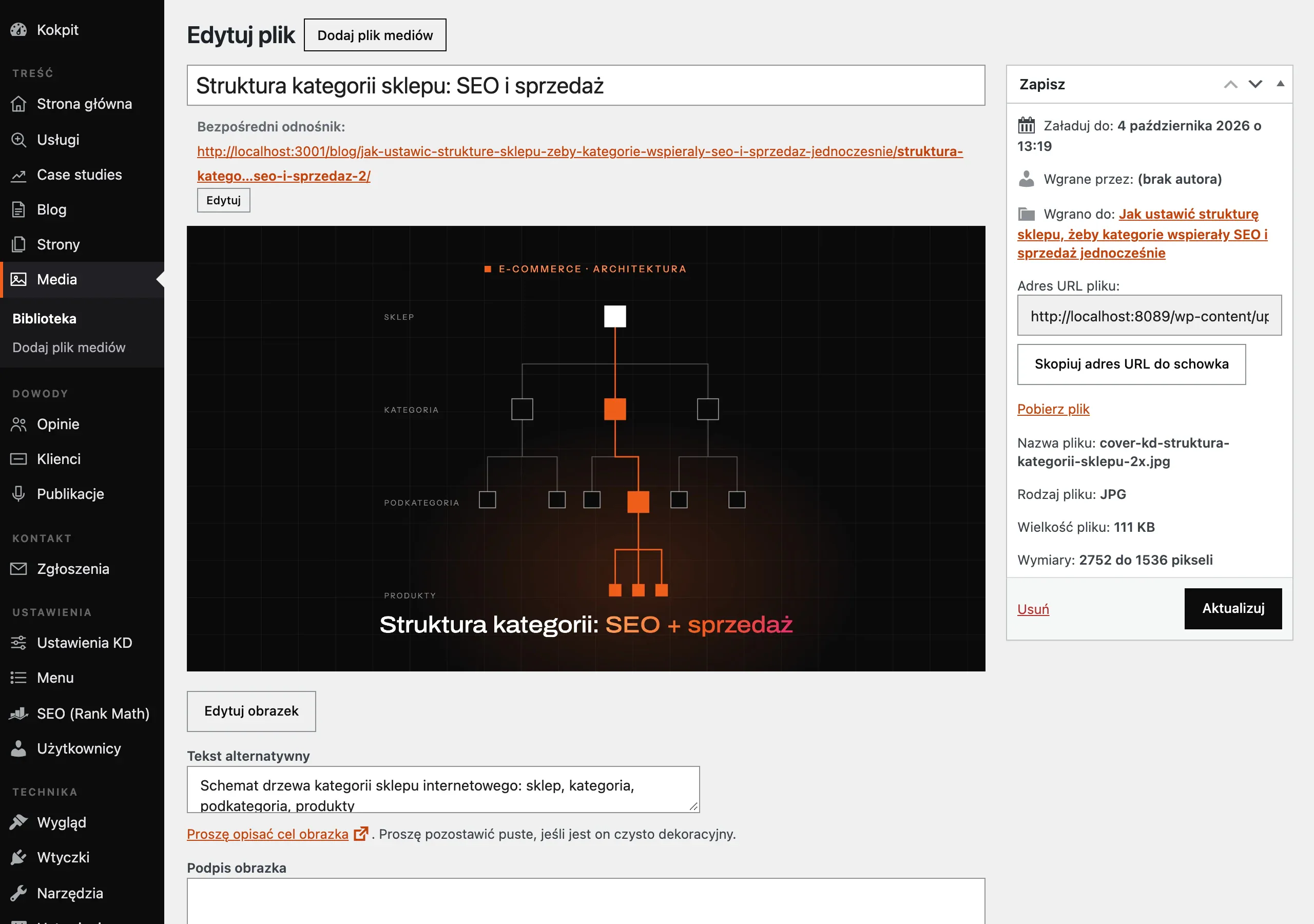
In the context of SEO, alternative text is hugely important. It helps search engines better interpret image content, which affects indexing and SEO performance. A well-structured alt description can increase a site’s visibility in image search results, attracting more traffic from both text and image results.
What’s more, alternative text plays a key role in improving website accessibility. For people with visual impairments or blindness using assistive technologies, this description acts as a substitute for graphic content. As a result, the site becomes more user-friendly for people with a wide range of needs.
Alternative text is not only a tool supporting SEO, but also an element that improves accessibility and site usability for all visitors.
- 01Describes the imageFor screen readers
- 02Interpreted by GoogleFor image indexing
- 03Increases visibilityIn search results
Improves accessibility and site SEO.
Why is alternative text crucial for SEO optimisation?
Alternative text is a key SEO element that helps search engines better interpret the content of images on a site. Thanks to it, images are indexed and categorised more effectively, which can translate into higher positions in search results. This simple tool has a huge impact on site visibility online.
Well-crafted alternative text attracts more organic traffic – both from traditional text results and image sections. Search engines analyse these descriptions, assessing the substantive value of the page, which affects the overall evaluation of the website. This is not just a technical matter, but also a way to make the site more attractive to users.
What’s more, alternative text significantly improves the accessibility of a website for people using screen readers. For blind or partially sighted users, this is the only way to understand visual content. As a result, the site becomes more inclusive and user-friendly for all visitors, which translates into better user experience and greater engagement.
Optimising images through appropriate alternative text also opens the door to gaining traffic from image search engines. Many people use this feature to find specific visual materials. Well-described graphics are more likely to appear in such results, which can bring additional benefits and increase site traffic.
In short, alternative text is an essential element of an effective SEO strategy. It combines technical benefits, such as better indexing, with practical aspects – improved accessibility and organic traffic. This simple action can deliver measurable results for any website.
How does alternative text support image indexing and categorisation?
Alternative text plays a key role in the process of image indexing and categorisation by search engines. Thanks to it, algorithms can precisely understand what a given graphic shows, which translates into more relevant search results matching users’ queries.
Search engines, although they do not “see” images, analyse their content through alt descriptions. This information makes it possible to assign graphics more effectively to the relevant topical categories. For example, if a description contains keywords related to a specific industry, the chances of an image appearing in search results for related queries rise significantly.
In addition, alternative text enriches the page context. Search engines assess not only textual content, but also image descriptions, which affects the overall assessment of a website’s substantive value. This in turn can contribute to higher positions in both text and image search results.
Take an online store, for example – a well-crafted alt description for a product, containing its name and key features, can attract traffic from image search engines. This not only increases brand visibility, but also improves the chances of conversions.
As a result, alternative text not only helps algorithms identify and categorise images in line with the page topic, but also makes graphics more accessible to users and influences the website’s SEO more effectively.
- 01Deep content understandingAlgorithms interpret graphics better
- 02Keyword contextIncreases match to queries
- 03Effective indexingFaster image categorisation
- 04Better SEO positionHigher text and image results
Well-prepared alt descriptions help search engines better understand and index graphics, which directly translates into higher positions in search results.
How to create effective alternative text for images?
Creating effective alternative text for images is an art that requires a few important rules to be taken into account. First and foremost, the description must be precise and accurately reflect the graphic’s content. Instead of vague phrases such as “the image shows a tree”, it is better to write something more specific, for example “a tall deciduous tree in a city park”. This approach not only improves accessibility, but also supports SEO optimisation.
The description should not exceed 125 characters – overly long text may be truncated by screen readers or search engines, reducing its effectiveness. It is also worth naturally incorporating keywords related to the page topic. For example, when describing a laptop on an electronics store page, you can use the phrase “modern laptop for work and entertainment”.
Page context plays a key role. Alternative text must harmonise with its content and topic. If an image illustrates an article about healthy eating, it is worth including words related to diet or health.
Avoid phrases such as “the image shows” – search engines recognise the graphic anyway. Focus on specifics: colours, main elements or the emotions conveyed by the image. For example: “a woman drinking coffee at a desk” sounds better than “an image showing a woman”.
Language accuracy is essential – spelling or grammar mistakes can negatively affect both how users perceive the page and its position in search results.
For decorative graphics or those without meaningful content (e.g. lines separating sections), it is worth leaving an empty alt attribute (alt=””). This way, screen readers skip these elements without disrupting the user experience.
Also remember to tailor the description to the type of graphic – product photos are described differently from infographics or charts. For products, focus on their features (e.g. “red evening dress”), and for charts – on the data (e.g. “sales growth chart in 2023”).
Following these rules allows you to create alternative text that is friendly both for SEO and accessible to all users – regardless of their technological needs or physical perceptual abilities.
What are the best practices for writing alternative text?
Creating effective alternative text requires taking into account a few important rules that affect both SEO and website accessibility. The key is for the description to be precise and faithfully reflect the image content. Instead of general phrases such as “tree image”, it is better to be specific, for example “a tall deciduous tree in a city park”. This approach not only increases accessibility for people using screen readers, but also positively affects the website’s SEO.
The optimal length of alternative text is 125 characters. Overly long descriptions may be truncated by assistive tools or search engines, which reduces their effectiveness. It is also worth ensuring that keywords related to the page topic are included naturally. For example, when describing a laptop on an electronics store page, you can use the phrase “modern laptop for work and entertainment”.
Page context is extremely important – alternative text should harmonise with its content. If an image illustrates an article about healthy eating, it is worth including words related to diet or health.
Avoid repeating phrases like “image shows” – search engines will recognise the graphic as a visual element anyway. Focus on specifics: colours, key elements or the emotions conveyed by the image. For example: “a woman drinking coffee at a desk” sounds more natural than “an image showing a woman”.
Correct language is essential – spelling or grammar mistakes can negatively affect both how users perceive the page and its position in search results.
In the case of decorative graphics or those without meaningful content (e.g. lines separating sections), it is worth leaving the alt attribute empty (alt=””). This means screen readers skip these elements, without disrupting the user experience.
Tailor the description to the type of graphic – product photos are described differently from infographics or charts. For products, focus on their features (e.g. “red evening dress”), and for charts – on the data (e.g. “sales growth chart in 2023”).
Applying these rules helps create alternative text that is friendly both for SEO and accessible to all users – regardless of their technological needs or physical perceptual abilities.
How can you ensure that alternative text is concise and precise?
For alternative text to fulfil its purpose, it should be short but substantive. Focus on the most important elements of the image, avoiding unnecessary words and phrases. The optimal length is around 125 characters – this is friendly both for screen readers and search engines.
Precision is key here. Instead of vague wording such as “image of a tree”, it is better to describe the details: “tall deciduous tree in a city park”. Such a description not only makes content more accessible for people using assistive technologies, but also helps improve search engine rankings.
Avoid repeating phrases like “image shows”. Search engines recognise a graphic as a visual element without additional hints. It is better to focus on specifics: colours, main objects or the emotions conveyed by the image. For example: “a woman drinking coffee at a desk” sounds more natural than the standard wording.
Alternative text should also match the context of the page and include relevant keywords. For example, when describing a laptop on an electronics shop page, you could use the phrase “modern laptop for work and entertainment”. However, it is important not to overdo the number of keywords – the naturalness of the description matters greatly for both SEO and readers.
In the case of decorative graphics or those without important content (e.g. lines separating sections), it is worth leaving the alt attribute empty (alt=””). This means screen readers skip these elements, without disrupting the user experience.
Effective alternative text is concise and precise. Focusing on the most important aspects of the image and adapting the description to the context of the page makes the content friendly both for SEO and for users with different perceptual needs.
What elements should image alt tags contain?
Image alt tags are extremely important for both SEO and site accessibility. To be effective, they must meet several key criteria. First and foremost, the description should be accurate and precisely reflect what the graphic shows. Instead of general wording such as “image of a tree”, it is better to use a more detailed description, e.g. “tall deciduous tree in a city park”. This not only helps people using screen readers understand the content, but also helps search engines index the page more effectively.
Another important element is aligning the description with the page topic. Alternative text should harmonise with the website content and include relevant keywords. For example, if the page is about a healthy lifestyle, the graphic description may refer to diet or physical activity. This makes it easier for search engines to connect the image with the page content.
Avoiding unnecessary phrases is another important rule. There is no need to add wording such as “image shows” – search engines will recognise the graphic as a visual element anyway. Focus on specifics: colours, main objects or the emotions conveyed by the image. For example: “a woman drinking coffee at a desk” sounds more natural than the standard wording.
Correct language is essential – spelling or grammar mistakes can negatively affect both how users perceive the page and its position in search results. That is why it is worth carefully editing the alternative text.
In the case of decorative graphics or those without meaningful content (e.g. lines separating sections), it is worth leaving the alt attribute empty (alt=””). This means screen readers skip these elements, without disrupting the user experience.
The final important element is adapting the description to the type of graphic. Product photos are described differently (e.g. “red evening dress”) from infographics or charts (e.g. “sales growth chart in 2023”). Focusing on the most important features of the image makes alternative text more useful for both SEO and users.
How does optimising alternative text affect SEO?
Optimising alternative text plays a key role in website SEO. Thanks to well-prepared alt descriptions, search engines can better understand the content of graphics, which leads to more effective indexing and categorisation of images. This, in turn, translates into a higher ranking of the website in both text and image results.
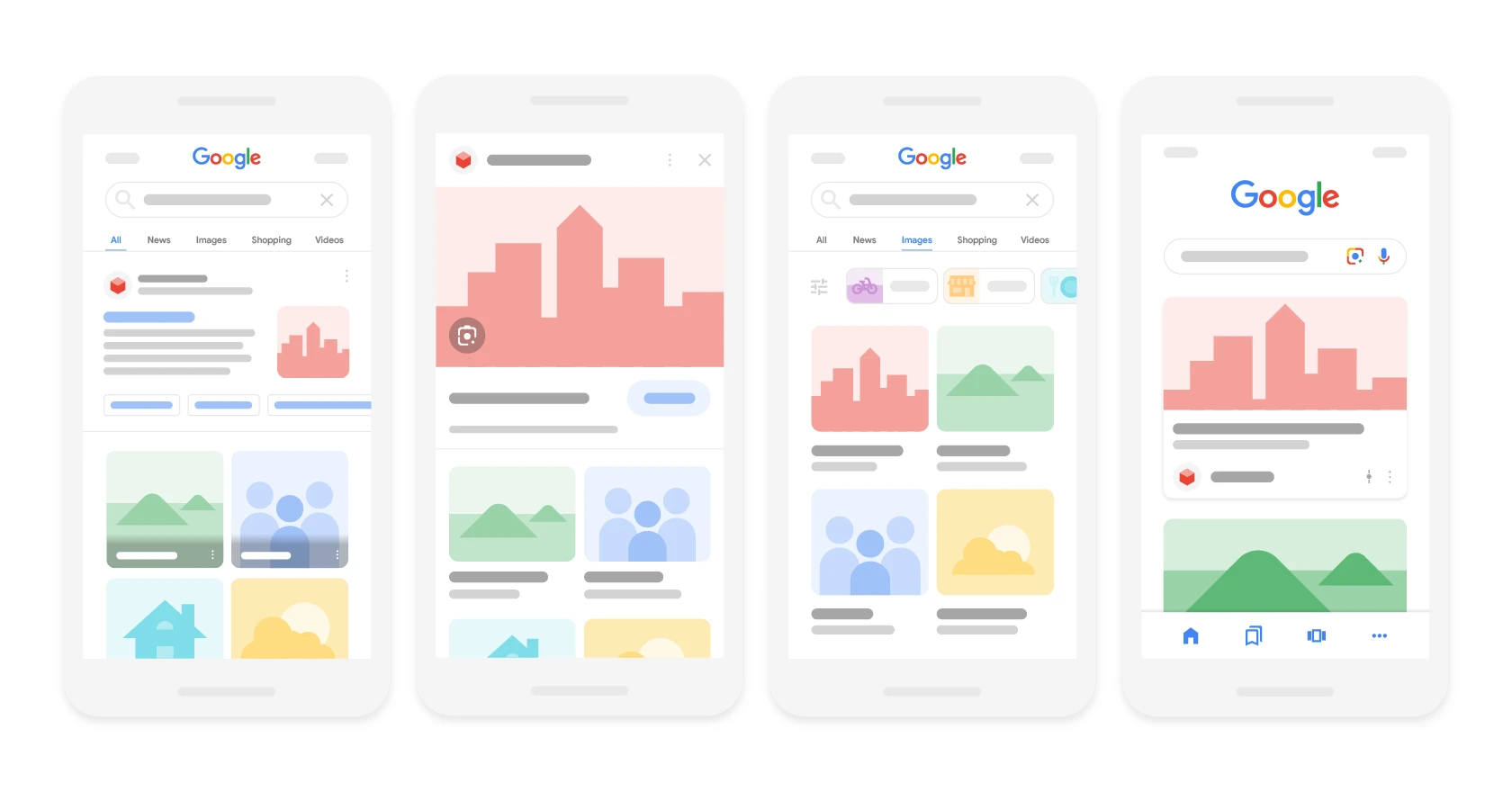
Alt descriptions are an important element of SEO ranking. Algorithms analyse them to determine the topic and context of images. Including relevant keywords in these descriptions increases the chances of the page appearing in results for related queries. For example, by describing a product photo as “czerwona sukienka wieczorowa z koronką” (red evening dress with lace), you can attract traffic from image search engines aimed at people interested in evening fashion.
Alternative text is also important for website accessibility. It makes it easier for people using screen readers to use the site, which not only increases inclusivity, but also affects how SEO algorithms assess page quality. Search engines appreciate solutions that are friendly to users with different perceptual needs.
Well-prepared alt descriptions can contribute to growth in organic traffic. Images appearing in image search results often attract the attention of users who then go on to the main page. For example, an online store can gain new customers thanks to attractive product photos described in line with SEO principles.
It is worth remembering that optimising alternative text is not just a technical aspect of SEO. It is also a way to increase visibility and improve user experience. Precise alt descriptions can help achieve better results both in traditional search results and in image sections.
How does well-optimised alternative text improve SEO ranking?
Well-optimised alternative text plays a key role in website SEO. Search engines, by analysing alt descriptions, better understand the content of the site, which translates into more effective indexing and content categorisation. Including relevant keywords in these descriptions increases the chance of higher visibility for the page in search results for related queries.
Alternative text is also hugely important for website accessibility. It makes navigation easier for people using screen readers, which not only improves inclusivity, but also affects how SEO algorithms assess page quality. Search engines appreciate solutions that are friendly to users with different perceptual needs, which can translate into better ranking positions.
Additionally, well-prepared alt descriptions can contribute to growth in organic traffic. Images appearing in image search results often attract the attention of users who then go on to the main page. For example, an online store can gain new customers thanks to attractive product photos described in line with SEO principles.
Optimising alternative text is not only a technical aspect of SEO, but also a way to increase the visibility of the site and improve user experience. Precise alt descriptions can help achieve better results both in traditional search results and in image sections, which ultimately translates into greater effectiveness of the entire marketing strategy.
How can alt attribute text help with ranking for related image search queries?
The alt attribute text is hugely important for image SEO in search results. With well-prepared descriptions, search engines can interpret the content of graphics more accurately, which translates into effective indexing and classification. When users enter queries in the Google Images section, algorithms take alternative text into account to deliver the most relevant results.
Well-optimised alt text, containing relevant keywords, increases the chance of an image appearing in results for related queries. For example, by describing a product photo as “czerwona sukienka wieczorowa z koronką” (red evening dress with lace), you can attract people interested in evening fashion. This not only improves brand visibility, but can also result in more traffic to the site.
In visual-led industries such as fashion or design, optimising alternative text is key. Users often browse image results before deciding to click. That is why precise alt descriptions can significantly affect conversions and audience engagement.
It is also worth remembering that alternative text supports website accessibility for people using screen readers. Search engines value such practices, which can translate into a better assessment of site quality and higher rankings for both text and image results.