

SEO in the medical sector – how to increase the visibility of healthcare services?
In the medical sector SEO plays a key role in increasing the visibility of healthcare services on the internet. In the age of digitalisation, more and more patients use search engines to find information about doctors, clinics or specialist services. That is why website optimisation for SEO is essential for medical facilities that want to attract more patients and stand out from the competition. The main aim of SEO activities is generating organic traffic, meaning attracting visitors without the need to invest in paid advertising. By analysing keywords, creating valuable content and taking care of the technical aspects of a website, facilities can significantly improve their position in search results. This directly translates into an increase in the number of potential patients visiting their websites. SEO strategies in the medical sector cover not only substantive content, but also the technical aspects of a website. Fast website loading and its responsiveness on mobile devices are absolutely essential. Particularly important is also local SEO, which allows facilities to appear in search results for specific regions. This means patients can easily find the nearest clinic or specialist without unnecessary effort. However, it should not be forgotten that effective SEO is about more than just technique. Building trust through high-quality content and positive patient reviews has a huge impact on the decisions of potential clients and search rankings of the website. Reviews and recommendations are invaluable here – they affect both the reputation of the facility and its online visibility. Investing in SEO is a long-term strategy, which can bring measurable benefits to any medical institution.The importance of SEO for healthcare organisations
SEO plays a key role in the healthcare sector, helping to build a strong online presence. In the digital era, where over 70% of people search for medical information online, website optimisation for search engines has become essential. Thanks to it, medical facilities can increase their visibility in search results, which directly translates into a larger number of potential patients. One of the main objectives of SEO in the medical sector is generating organic traffic, meaning attracting visitors without paid advertising. By analysing keywords related to healthcare services and creating valuable content, facilities can attract patients looking for specific solutions. It is worth noting that pages appearing on the first results page receive as much as 90% of clicks. Another important aspect is building patient trust. High-quality substantive content, such as expert articles or health guides, positively affects the perception of the facility as an authority. In addition, positive patient opinions and reviews strengthen the organisation’s reputation and improve its online visibility. What is more, pages with higher ratings have a greater chance of achieving better positions in search results. Local SEO is particularly important for medical facilities. Optimisation for local queries makes it possible to appear in results for specific regions or cities. This means patients can easily find the nearest clinic or specialist without unnecessary effort. Tools such as Google My Business are invaluable here – they make it possible to manage location and opening hours information and collect reviews. Technical SEO should also not be forgotten. Fast page loading and responsiveness on mobile devices are ranking factors important both for users and Google’s algorithms. In addition, the correct heading structure (H1-H6), metatags and image optimisation influence better indexing of the page by search engine robots. Investing in long-term SEO strategies brings measurable benefits to any medical institution – from increasing the number of new patients to improving online reputation and building lasting relationships with users of healthcare services.Benefits of SEO optimisation for medical facilities
SEO optimisation for medical facilities offers numerous benefits that significantly affect visibility and the effectiveness of activities marketing. The key element is increase organic traffic on the website. Thanks to effective SEO, practices can achieve high positions in search results, which attracts up to 90% of clicks. This in turn translates into a growing number of potential patients, who are actively looking for medical services. Another important benefit is building trust and reputation. High-quality content, such as expert articles or health guides, strengthens the perception of the practice as an authority in the medical sector. In addition, positive patient opinions and reviews contribute to improving the organisation’s image, which has a direct impact on search results. Local SEO plays an extremely important role for medical practices. Thanks to optimisation for local queries, it is possible to appear in results for specific regions or cities. This makes it easier for patients to find the nearest clinic or specialist without unnecessary effort. Tools such as Google My Business allow you to manage information about the location, opening hours and collect reviews. Effective SEO strategy also affects the technical aspects of the website. The site’s loading speed and its responsiveness on mobile devices are key ranking factors important both for users and Google’s algorithms. In addition, the correct heading structure (H1-H6), meta tags and image optimisation contribute to better indexing of the site by search engine robots. Investing in long-term SEO strategies brings measurable benefits to every medical institution – from increasing the number of new patients to improving online reputation and building lasting relationships with recipients of health services.- 01SEO optimisationTechnical & content audit
- 02Keyword selectionPrecise medical queries
- 03Valuable substantive contentExpert, trusted, accessible
- 04E-E-A-T: credibility & experienceExpertise, authority, trust
- 05YMYL specificity: health = qualityRigorous content standards
Key action: Building authority through expert and credible content focused on the patient’s needs.
Key SEO strategies for medical websites
Key strategies SEO for websites for medical websites are based on several important elements that determine the visibility of practices in search results. The first step is keyword analysis, which helps to understand which phrases patients use when looking for information. It is worth paying attention both to general terms and to more specific queries long-tail, such as “dentist Kraków” or “online cardiology consultation”. A good match between keywords and the site’s content increases the chances of better positions in results. Another important element is content optimisation. Articles, guides or service descriptions should not only be substantively valuable, but also friendly both for users and search engine algorithms. It is worth enriching them with multimedia – photos or instructional videos – which increase visitor engagement. Let us not forget about the proper use of headings (H1-H6) and meta descriptions, which affects better indexing of the website. Building backlinks is another important strategy. Links from reputable medical websites or health portals raise the domain’s authority and improve its ranking position. It is also worth ensuring internal linking, which makes navigation around the site easier and helps search engine robots better understand its structure. Technical aspects of SEO are also extremely important technical SEO aspects. Page loading speed is hugely important – studies show that 53% of users leave a website if it takes longer than 3 seconds to load. Responsiveness on mobile devices is equally important, as most patients use phones to browse the internet. Optimising images by compressing files and adding the ALT attribute also affects website performance. Finally local SEO plays a key role for medical practices. Thanks to optimisation for local queries, it is possible to appear in results for specific regions or cities. Tools such as Google My Business allow you to manage information about the location and opening hours and collect reviews from patients. Combining these strategies creates a comprehensive approach to SEO in the medical sector, which translates into growth in organic traffic and attracting new patients.Keyword research and its importance
Keyword research is the foundation of an effective SEO for medical practices. It involves discovering the phrases that potential patients type into search engines when looking for information about healthcare services. This makes it possible to tailor website content precisely to the real needs of the audience, which translates into greater marketing effectiveness. In the medical sector keyword analysis covers both general queries, such as “family doctor”, as well as more specific long-tail phrases, e.g. “Kraków dentist” or “online cardiology consultation”. This variety not only makes it possible to understand which services are attracting the most interest, but also to identify the specific health problems that concern patients. To carry out such an analysis, it is worth using professional tools such as Google Keyword Planner or SEMrush. They allow you to identify phrases with high organic traffic potential and take local queries into account – especially important for practices operating in specific regions. Effective keyword research is not only better visibility of the site in search results, but also a real opportunity to acquire new patients. It is the first step towards optimising content and building a strong position for the website in the medical sector.Content optimisation and information quality
Creating valuable medical content requires above all reliability and relying on credible sources. Scientific studies, expert opinions and official guidelines are the foundation that builds patient trust. In the internet age, more and more people search for health information online, so it is important that it is not only accurate, but also easily accessible. Adapting the message to the audience is key. Articles or guides should be written in simple language, understandable to people without specialist knowledge. Avoid excessive use of complicated terminology – if it is necessary, however, it is worth explaining it in an accessible way. This makes the content more user-friendly and useful for readers. Do not forget about the proper structure of the text. Headings (H1-H6) must be arranged logically, and paragraphs should be short and clear. Bullet points or tables help readers quickly find key information, which significantly improves user experience. It is also worth investing in multimedia – procedure photos, infographics or instructional videos not only attract attention, but also make it easier to understand more complex issues. Thanks to them, the content becomes more engaging and easier to absorb. SEO optimisation is another important aspect. Keywords, such as “family doctor Warszawa” or “rehabilitation after knee surgery”, should be woven naturally into the text without overdoing it (keyword stuffing). In addition, meta descriptions and ALT attributes for images improve the site’s visibility of the site in search results. Regular updates are essential – medicine develops dynamically, so it is worth regularly updating articles with new data or research findings. This not only increases the substantive value of the website, but also signals to Google’s algorithms its activity and reliability. High-quality content translates into better positions in search results and greater audience engagement. Patients are more likely to share such materials on social media or recommend them to friends, which further strengthens the practice’s online presence and builds its reputation.Building backlinks and site authority
Building backlinks is the foundation of an effective SEO strategy, directly affecting site authority and its visibility in search results. Links from other websites to your site are one of the key factors that Google algorithms take into account when assessing its value. The more high-quality links point to your domain, the greater its prestige becomes, which translates into better positions in SERP. In the medical sector acquiring backlinks can take various forms. Collaboration with established health portals, expert blogs or medical organisations is an excellent way to increase authority. Publishing guest articles on themed websites related to healthcare services not only generates valuable links, but also strengthens trust among both patients and search engine algorithms. You cannot forget the role of internal linking. Thanks to it, navigation around the site becomes more intuitive, and search engine bots understand the structure of the website better. For example, an article devoted to dental procedures may contain links to subpages describing dental services or patient reviews. This solution not only improves user experience, but also strengthens the value of individual sections of the website. However, the key is to focus on the quality of links, not their quantity. Links from reputable sources, such as medical universities or scientific journals, are far more valuable than those from lesser-known websites. It is also important to avoid dubious practices such as buying links – they can result in Google penalties and a drop in the site’s rankings. Building authority through backlinks is a process that requires time and consistency. However, the benefits – such as increasing organic traffic and improving visibility of the facility – definitely reward the effort invested.Technical SEO – meta tags, headings and site structure
Technical SEO plays a key role in improving a site’s visibility in search results, which for medical facilities means greater chances of reaching potential patients. Effective optimisation of meta tags, headings and the site structure affects how search engine bots index it, and thus its SEO. Meta tags, such as the page title (title) and meta description (meta description), are extremely important. The title should include key keywords, e.g. “Cardiology consultation in Warsaw”, while the meta description must be concise but encouraging users to click – e.g. “Book a cardiology consultation with an experienced specialist in Warsaw”. Headings (H1-H6) serve an organisational function, structuring the content on the page. H1 is the main heading, which is worth tagging with the most important keyword. Subsequent headings (H2-H6) divide the text into smaller sections, making navigation easier for both users and bots. For example: “H1: Rehabilitation after knee surgery”, “H2: Benefits of rehabilitation”, “H3: Post-operative exercises”. Site structure also has enormous significance for SEO. Intuitive navigation and coherent internal linking make it easier to move around the site. For example, an article about dental procedures is worth linking to a description of dental services. We must not forget about page speed and its responsiveness on mobile devices. Research indicates that 53% of users leave a site if it takes longer than 3 seconds to load. That is why it is worth ensuring image compression and using technologies such as AMP (Accelerated Mobile Pages). ALT attributes for images and the correct formatting of URLs are equally important – they should be short and contain keywords, e.g. “clinic-warszawa.pl/cardiology-consultation”. These elements affect not only better SEO, but also increase organic traffic. Implementing these technical SEO aspects allows medical facilities not only to improve online visibility, but also to provide users with a better experience. This, in turn, translates into an increase in the number of patients and building a lasting reputation in the healthcare industry.Local SEO in the medical industry
Local SEO plays a key role in the medical industry, helping healthcare facilities increase their visibility among patients in a given area. With the right optimisation for local queries, clinics and specialist practices can appear in search results for specific cities or districts. This makes it much easier for patients to find the nearest facility, which is especially important in emergencies. It is worth adding that as many as 46% of queries on Google are local, which highlights the importance of this strategy. One of the most important tools in local SEO is Google My Business. By correctly setting up the profile, the facility can be visible on Google Maps and in the “Local results” section. It is crucial to maintain consistency of contact details – such as address, telephone number or opening hours – across all online directories. This not only builds patient trust, but also helps Google’s algorithms assign the site to the correct location. We cannot overlook the role of positive reviews from patients. Reviews not only influence the decisions of potential customers, but are also one of the factors affecting Google rankings. Medical facilities should actively encourage patients to leave reviews and always respond to them – both praise and criticism – quickly and professionally. Another important element is content optimisation for local keywords. Phrases such as “dentist Kraków” or “family doctor Warsaw” should be naturally woven into service descriptions and articles on the website. It is also worth creating content aimed at the local community, e.g. health guides relating to common problems occurring in a given region. Local SEO also includes technical aspects, such as adapting the site for mobile devices and improving site loading speed. Since most patients use phones to browse the internet, site responsiveness has huge significance for SEO. Thanks to a well-planned local SEO strategy, medical facilities can not only increase their online visibility, but also build lasting relationships with patients from the immediate area. This translates into an increase in the number of new clients and an improved reputation of the organisation.The importance of local SEO for doctors and facilities
Local SEO is a key element for doctors and medical facilities that want to increase their visibility among patients in a given region. With the right optimisation for local queries, such places can appear in search results for specific cities or districts, which makes it much easier for patients to find the nearest clinic or specialist. One of the most effective tools in this area is Google My Business. By properly configuring the profile, the practice can be visible on Google Maps and in the “Local results” section. It is key to maintain consistency of contact details – such as address, telephone number or opening hours – across all online directories. This not only builds patient trust, but also helps Google’s algorithms assign the page to the correct location. The importance of positive reviews from patients should not be forgotten. Reviews not only influence the decisions of potential customers, but are also one of the factors affecting Google rankings. Medical practices should actively encourage patients to leave reviews and always respond to them – both praise and criticism – quickly and professionally. Another important element is content optimisation for local keywords. Phrases such as „dentysta Kraków” or „lekarz rodzinny Warszawa” should be naturally woven into service descriptions and articles on the website. It is also worth creating content aimed at the local community, e.g. health guides on common problems occurring in a given region. Local SEO also includes technical aspects, such as adapting the site for mobile devices and improving page loading speed. Since most patients use phones to browse the internet, mobile responsiveness is hugely important for SEO. Thanks to a well-planned local SEO strategy, medical practices can not only increase their online visibility, but also build lasting relationships with patients from the immediate area. This translates into more new clients and an improved reputation for the organisation.Local SEO techniques
- 01Google Business ProfileUpdating and optimisation
- 02Educational contentBlog and advice for patients
- 03Patient reviewsTrust and recommendations
- 04Local visibilityRanking for nearby queries
Key actions: consistency, valuable content and building online authority.
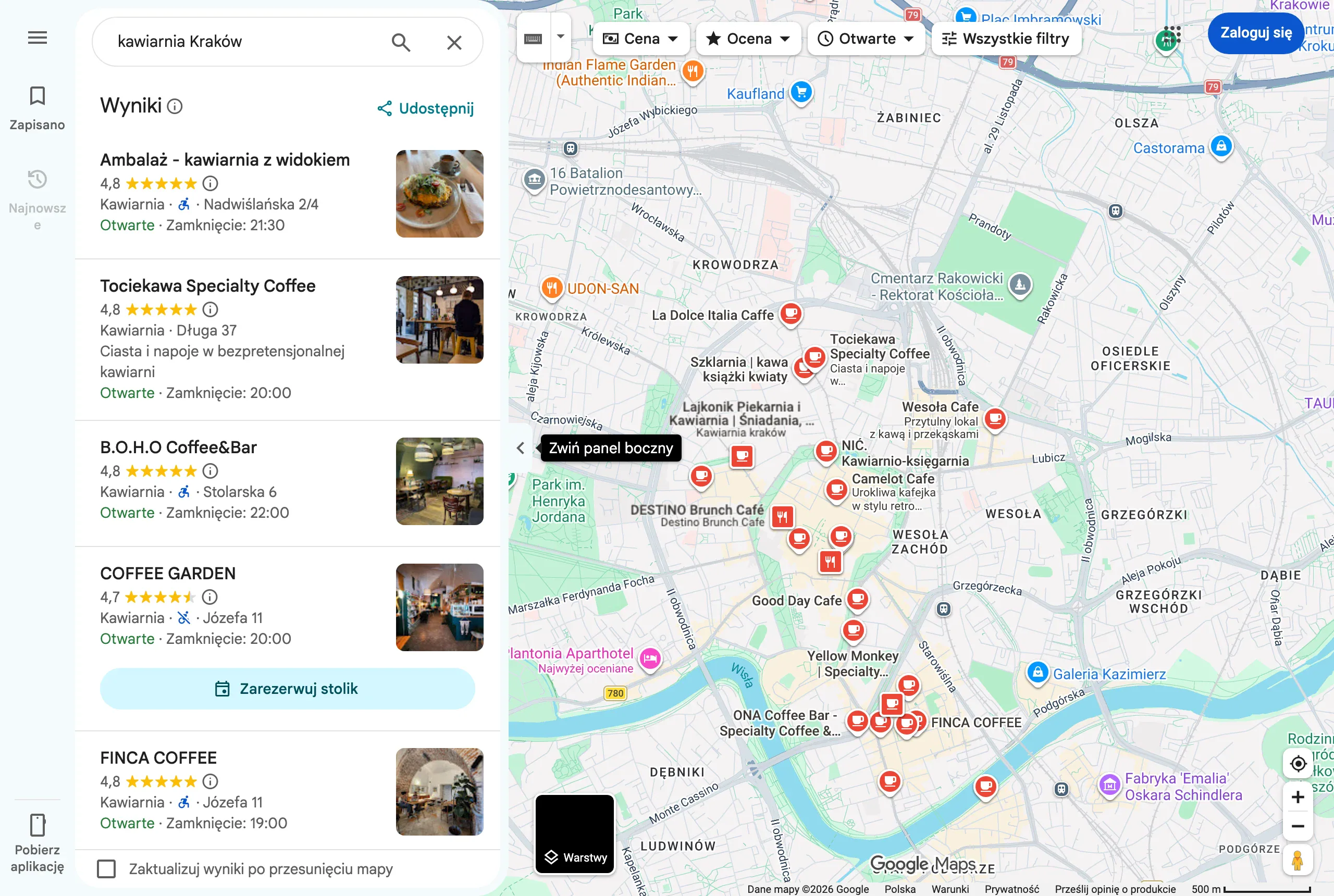
The role of patient opinions and reviews
Patient opinions and reviews are extremely important for the image of medical practices online. Positive ratings not only affect the decisions of potential customers, but also influence Google’s algorithms. Search engines take both the quantity and quality of reviews into account, which has a direct impact on the page’s position in the search results (SERP). For surgeries and clinics, collecting reviews is not only a way to build reputation, but also an effective tool for increasing organic traffic. Research indicates that pages with higher ratings are more likely to appear in so-called “local packs” (Local Pack), which are displayed at the top of search results for local queries. This is particularly important for medical practices that want to attract patients from the immediate area. The quality of reviews is crucial – they should be detailed and include information about specific services or patient experiences. Practices can encourage people to leave them, for example by sending a request after an appointment or placing a link to the review form on their website. It is equally important to respond to all reviews – both positive and negative. This shows the practice’s commitment and its focus on service quality. Reviews also affect so-called E-A-T (Expertise, Authoritativeness, Trustworthiness), i.e. factors related to expertise, authority and trust. In the medical sector, they are particularly important because patients look for practices with a good reputation and offering high-quality healthcare services. That is why regularly monitoring reviews and ensuring their reliability is a key element of SEO strategy for any medical institution. Patient reviews are not only a marketing tool – they are also an important element in building the visibility of medical practices online. They can be used not only to improve a page’s position in the search results, but also to build lasting relationships with patients based on trust and transparency.The impact of reviews on search visibility
Patient reviews are key to the visibility of medical practices in search engine results. Google’s algorithms treat reviews as an important indicator of quality and credibility, which directly affects SEO. The more positive reviews there are, the greater the trust in a given practice, which attracts new patients and strengthens its presence online. Research confirms that pages with higher ratings are more likely to appear in so-called “local packs” (Local Pack), which are displayed right at the top of search results for local queries. This is especially important for clinics or specialist surgeries that want to attract patients from the immediate vicinity. Quality of reviews is key – they should be detailed and include information about specific services or patients’ experiences. Practices can encourage people to leave them, for example by sending a request after an appointment or placing a link to a feedback form on their website. No less important is responding to all reviews – both positive and negative ones. This shows the practice’s commitment and its care for service quality. Regularly monitoring reviews and ensuring their reliability is a key element of SEO strategy for any medical institution. Reviews also affect the so-called E-A-T (Expertise, Authoritativeness, Trustworthiness), that is, factors related to expertise, authority and trust. In the medical sector, these are particularly important because patients look for practices with a good reputation and offering high-quality healthcare services. Thanks to positive reviews, medical practices can not only improve their position in search results, but also build lasting relationships with patients based on trust and transparency.Data analysis and monitoring SEO performance
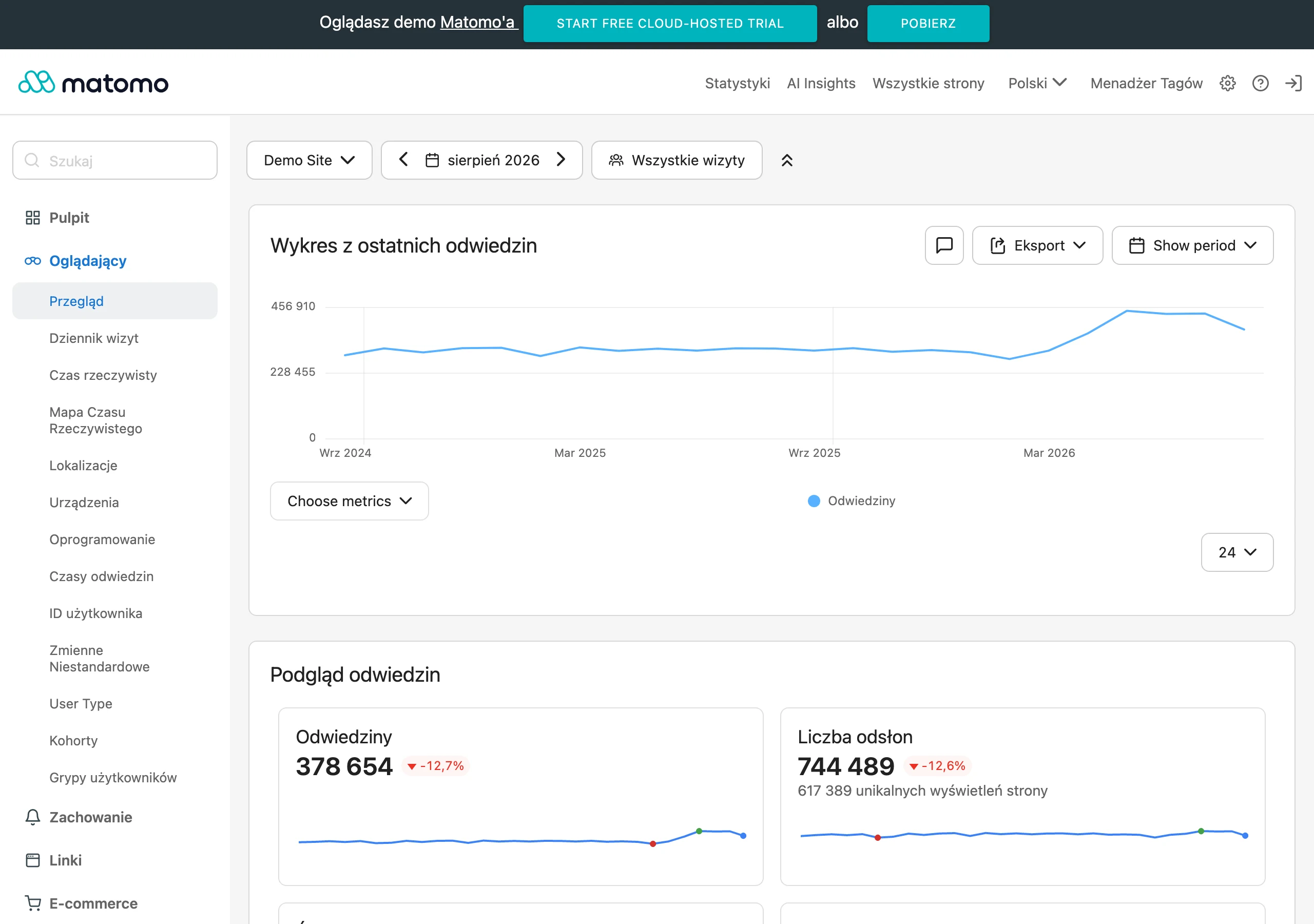
For medical practices that want to assess the effectiveness of their optimisation efforts, data analysis and monitoring SEO performance are essential. Regularly tracking results makes it possible to understand how the site is performing in search results and what behaviours users are displaying. This makes it possible to tailor the strategy to current needs and trends. One of the key elements is analysis of organic traffic. Tools such as Google Analytics enable monitoring of the number of visitors, traffic sources and conversion metrics. This allows you to determine which pages attract the most interest and which keywords deliver the best results. It is also worth paying attention to bounce rate (bounce rate), which shows whether the content is properly matched to the audience’s needs. Another important aspect is tracking the site’s rankings in search results for key phrases. Tools such as SEMrush or Ahrefs help monitor changes in a website’s position over time. This is particularly important for medical practices competing for patients’ attention in local search results. Regular website audits also make it possible to detect technical issues such as indexing errors or slow page loading. Competitor analysis is another important part of the SEO monitoring process. It allows you to understand the strategies used by other medical practices and identify areas where a competitive advantage can be gained. Tracking competitors’ backlinks or their content marketing activity can provide valuable insights for further optimisation. It is also worth regularly carrying out content audits, to assess their quality and freshness. In the medical sector, it is particularly important to provide reliable information based on scientific research and expert opinions. Analysing user engagement (time spent on the site, number of page views) helps determine which materials are most valuable to patients. One must not forget about monitoring reviews and patient feedback, which is of huge importance both for the practice’s reputation and its visibility in search results. Positive reviews influence Google rankings and build trust among potential patients. Data analysis and monitoring SEO performance is an ongoing process, requiring regular review of results and flexible adjustment of the strategy to changing market conditions and search engine algorithms. This enables medical practices to effectively increase their online visibility and attract new patients.Regular website audits
Regular website audits play a key role in an effective SEO strategy for medical practices. They make it possible to identify technical issues that may negatively affect site performance and its position in search results. Audits help assess whether the site meets Google’s algorithm requirements and whether it is user-friendly for visitors. During the review, the following are analysed, among other things:- page loading speed,
- responsiveness on mobile devices,
- correct heading structure (H1-H6).
- incorrect redirects,
- problems with indexing by search engine robots.
Tracking rankings and competitor analysis
Tracking rankings in search results and analysing competitor activity are the foundations of an effective SEO strategy for medical facilities. By monitoring keyword rankings, it is possible to assess how a website performs compared with others, as well as identify areas requiring optimisation. This makes it possible to tailor actions to current trends and market needs. Competitor analysis provides not only inspiration but also practical guidance. Observing how other facilities use keywords, build links or create content helps you implement proven solutions on your own website. In the case of local SEO, where competition for patients’ attention is particularly intense, such actions become crucial. For effective rank tracking and competitor analysis, it is worth using tools such as SEMrush or Ahrefs. They make it possible to:- track ranking changes over time,
- identify new optimisation opportunities,
- assess the effectiveness of implemented modifications.
- 01Speed and responsivenessCrucial on mobile
- 02Heading structureCorrect hierarchy
- 03Indexation and redirectsIndexation issues, redirect errors
Regular audits ensure optimal visibility.
The future of SEO in the medical sector
The future of SEO in the medical sector will depend on increasingly advanced search engine algorithms. One of the key factors will become the E-A-T algorithm (Expertise, Authoritativeness, Trustworthiness), which assesses the level of expertise, authority and credibility of a website. For medical facilities, this means creating content based on reliable scientific research and collaborating with recognised specialists. Such actions not only build patients’ trust, but also positively influence how Google assesses the website. Another important aspect will be the YMYL category (Your Money or Your Life), covering websites related to health, finance or safety. Search engines treat them with particular care, requiring the highest quality standards. That is why medical facilities must focus on publishing reliable information, regularly updating content and ensuring transparency of contact details and patient reviews. Content marketing will become a key element of SEO strategy in the medical sector. Topic blogs, health guides or expert articles not only attract the attention of potential patients, but also build the authority of the facility. It is worth investing in a variety of formats — from written content to instructional videos or infographics — to increase audience engagement and improve rankings in search results. Artificial intelligence-based technologies will also play an increasingly important role. technologies based on artificial intelligence. Thanks to them, it will become possible to tailor content to the individual needs of patients. AI algorithms analyse user behaviour and offer personalised recommendations on medical services or health articles, which can significantly affect the user experience. The future of SEO in the medical sector requires focusing on content quality, building trust and using modern technologies to personalise communication. Only through such actions will facilities be able to compete effectively in the market and attract new patients.Using E-A-T and Y-M-Y-L algorithms
E-A-T algorithms (Expertise, Authoritativeness, Trustworthiness) and YMYL (Your Money or Your Life) play a key role in the SEO of websites related to medicine. E-A-T focuses on assessing the expertise, authority and trustworthiness of published content, which is extremely important in the medical industry. Patients look for reliable information, so high-quality materials based on scientific research and collaboration with recognised experts are essential for building trust both among audiences and Google algorithms. The category YMYL covers websites related to health, finance or safety. Search engines treat them as a priority, setting the highest quality standards for them. Medical providers should:- ensure they publish reliable information,
- regularly update content,
- provide transparent contact details and patient reviews.
Content marketing and a medical blog as SEO tools
Content marketing and a medical blog are extremely effective SEO tools for medical providers who want to increase their visibility in search results. Regular publishing of valuable blog articles not only attracts potential patients, but also builds trust and an expert position in the healthcare industry. This in turn translates into higher positions in Google and more organic traffic. A medical blog can offer a variety of content, such as:- health guides,
- expert articles,
- information about modern treatment methods.
- instructional videos,
- infographics,
- webinars.
FAQ
Frequently asked questions
How does SEO help healthcare providers increase their visibility online?
SEO improves a site’s position in search results, helping the provider reach more people looking for healthcare services. This translates into increased organic traffic and more potential patients.
Is local SEO important for clinics and doctors’ surgeries?
Yes, because it allows them to appear in results for specific cities and regions. It makes it easier for patients to find the nearest clinic or specialist.
What content best supports SEO in the medical sector?
The best-performing content is valuable, substantive articles, health guides and service descriptions based on reliable sources. The content should also be written in simple language and well structured.
Why do patient reviews matter for medical site optimisation?
Positive reviews build trust in the provider and improve its online reputation. The article also indicates that higher ratings can support better rankings in search results.
Which technical elements of a site are important in medical SEO?
Fast loading, mobile responsiveness, a proper heading structure, meta tags and image optimisation are all important. These factors affect indexing and the user experience.
When is it worth starting keyword analysis for a medical website?
It is best right at the start of SEO planning, because it is the foundation of an effective strategy. Analysis helps tailor content to the phrases entered by patients, including local and more specific ones.