
Looking for a way to effectively increase the visibility of your videos on YouTube? The key to success is keyword research – the foundation of every YouTube SEO strategy. With the right phrases, you can attract more viewers, understand their intent and better meet your audience’s needs. Discover proven methods, tools and techniques that will help you gain an edge in the world’s second most popular search engine!
Why is keyword research on YouTube important?
Keyword research on YouTube is a key element of success on the platform, which is the second most popular search engine in the world, just after Google. YouTube algorithms rely on keywords to understand the topic of videos and decide on their visibility in search results. With the right choice of keywords, videos have a better chance of being recommended or appearing on the homepage, which translates into more views and subscribers.
Keywords act as a bridge between content and users. When the algorithm recognises that a video answers viewers’ queries, it automatically boosts its position in the results. That is why keyword analysis is an inseparable part of a YouTube SEO strategy – without it, it is hard to reach the target audience and achieve success.
What’s more, the right keywords help you better understand user intent. This allows you to create content tailored to their needs, which increases engagement and watch time. As a result, the algorithm rewards such content, leading to even greater visibility and reach.
It should not be forgotten that competition on YouTube is huge. Keyword research allows you to uncover topic niches and phrases with lower competition but high traffic potential. This is especially important for beginner creators or those who want to stand out from other channels.
In short, keyword analysis is the foundation of effective YouTube video ranking. It not only helps increase the visibility of content, but also better understand audience needs and adapt your content strategy to current trends and user behaviour.
- 01Second Largest Search EngineJust after Google.
- 02Algorithms Use KeywordsThey determine visibility.
- 03More Recommendations and ViewsMore subscribers.
Keywords are the bridge between content and users.
How do you understand user intent in the context of YouTube SEO?
Understanding what users are looking for on YouTube is the basis of effective video ranking. Viewer intent, that is, the goals behind their search queries, is crucial for the platform’s algorithms. These mechanisms analyse the phrases entered to display the most relevant results, which has a direct impact on the visibility of your content.
There are three main types of intent:
- informational,
- transactional,
- navigational.
On YouTube, informational intent is most common – users are looking for answers to questions or how-to guides. Examples of such queries include “how to bake a cake” or “what does SEO mean”. Creating content that addresses these needs increases the chances of a better position in search results.
To better understand audience expectations, it is worth using:
- search suggestions,
- the “People also ask” section.
These tools show related keywords and help you discover exactly what users are interested in. It is also worth looking at comments under competitors’ videos – they can provide valuable clues about viewers’ needs.
Watch time is one of the most important factors affecting ranking. That is why content should not only be aligned with user intent, but also engaging and valuable. The longer viewers stay with your content, the more likely the algorithm is to consider it relevant and increase its reach.
The key to success is creating content that meets your audience’s needs. This gives videos a greater chance of better SEO and a higher level of engagement. It is important to continuously monitor viewer behaviour and flexibly adapt your strategy to their changing expectations.
How to start keyword research with semantic grouping?
Semantic grouping is a key step in analysing keywords on YouTube. It involves organising phrases into coherent topical groups that reflect their interrelationships and meaning for the audience. This makes it easier to identify which topics attract viewers’ attention and which keywords have the greatest potential.
At the start, it is worth compiling a list of phrases related to your niche. You can use tools such as Google Keyword Planner, TubeBuddy or Ahrefs. Then analyse these keywords in terms of popularity, competition and their semantic connections.
The grouping process involves combining keywords into logical categories. For example, if you create content about cooking, you can group phrases such as:
- “cake recipes”,
- “how to bake bread”,
- “healthy desserts”
under a common theme – for example, “cooking”. This approach makes it easier to plan content and optimise it for specific topics.
It is also worth paying attention to so-called long tails – more detailed and less competitive keywords. Instead of focusing solely on general terms such as “recipes”, it is better to consider more precise queries, for example “vegan gluten-free cake recipes”. This makes it possible to reach a more specialised audience.
Semantic grouping not only makes content organisation easier, but also affects the optimisation of videos for YouTube algorithms. The platform analyses the relationships between keywords and the topic of the material, which translates into its visibility in search results. That is why it is so important to maintain consistency between topic groups and the video content.
To sum up, semantic grouping is an effective way of organising keywords into logical topic categories. It allows you to better tailor content to users’ needs and increases the chances of a higher position in YouTube search results.
- 01Collecting a list of phrasesSearch for keywords in tools.
- 02Data analysisCheck popularity, competition and connections.
- 03Grouping involvesCombine keywords into logical categories.
- 04Identifying topicsFind topics with the greatest audience potential.
Coherent topical groups help identify what attracts viewers and which keywords are key.
What tools support keyword research on YouTube?
Keyword research on YouTube is a key element of creating effective content strategies. Fortunately, there are many tools that make this process easier. One of the most popular is Google Keyword Planner, which not only lets you check the popularity of phrases in Google and on YouTube, but also provides information on competition levels and search frequency. This makes it easier to choose valuable keywords that will attract viewers’ attention.
If you are looking for more advanced solutions, it is worth paying attention to TubeBuddy. This tool offers comprehensive phrase analysis, and also helps with optimising video titles, descriptions and tags. Its integration with the YouTube platform makes tracking the effectiveness of selected keywords simpler and more intuitive.
Another tool worth noting is VidIQ, which provides detailed reports on the potential of individual phrases. It also offers content optimisation suggestions and competitor analysis – invaluable when choosing niche topics with high traffic potential.
You also cannot forget about Google Trends. This tool allows you to track search trends in real time, making it possible to adapt your strategy to seasonal spikes in interest in specific topics. This means you can better respond to viewers’ current needs.
For those who want to delve into the topic even further, solutions such as Keywordtool.io or AnswerThePublic may prove useful. They provide suggestions for long tails and questions related to a given topic, which is particularly helpful when creating content that answers specific audience queries.
By using these tools in practice, you can significantly improve the visibility of your videos and increase audience engagement. The key is regular analysis and adapting your strategy to changing trends and audience needs.
Keyword analysis – how do you choose the ones with the greatest potential?
To find the best keywords on YouTube, it is worth following a few key principles. Competitor analysis is the first and most important step. Analyse the titles, descriptions and tags of popular videos in your industry. This will allow you to identify keywords that attract viewers’ attention. Pay particular attention to videos with a high view and engagement rate – this is a signal that the phrases used are working effectively.
Next, it is worth assessing the popularity and competitiveness of the selected keywords. To do this, you can use tools such as Google Keyword Planner or TubeBuddy. They will show you how often particular phrases are searched for and how much competition there is around them. The best ones are those with high popularity but low competition – they increase the chances of better visibility for your content.
Do not overlook long-tail keywords either, i.e. more detailed and precise keywords. For example, instead of the general term “recipes”, it is better to opt for something more specific, such as “vegan gluten-free cake recipes”. Such phrases usually have less competition, but they often generate better results because they answer very specific user queries.
It is also worth monitoring keyword performance by analysing viewer behaviour. Tools such as VidIQ or Google Trends show current search trends and help identify phrases that are attracting the most interest at any given time. This allows you to adapt your strategy to the current needs of your audience.
In summary, effective keyword selection requires competitor analysis, assessing their popularity and taking long-tail keywords into account. Regularly tracking results and flexibly adapting your strategy to changing trends is the basis of success in SEO for YouTube content.
- 01Competitor analysisCheck titles, descriptions, tags
- 02High engagementLook for effective signals
- 03Popularity researchUse tools, e.g. Google Keyword Planner
- 04Competition levelCheck frequency versus competition
- 05Ideal combinationHigh popularity, low competition
The key to success is finding keywords with a large number of searches and little competition, based on analysis of industry leaders.
Competitor analysis in keyword research on YouTube
Competitor analysis in keyword research on YouTube is an essential element of an effective content strategy. It involves analysing which phrases other creators in your niche use, which helps you understand which keywords bring them success. This allows you to better tailor your own terms and increase the visibility of your videos.
Start by reviewing the titles, descriptions and tags of popular content in your industry. Focus on videos with a high view and engagement rate – this is a signal that the keywords used are working. For example, if you create fitness content, check which phrases channels with a similar topic use.
The next step is to assess the level of competition. Tools such as TubeBuddy or VidIQ will help you determine how difficult it will be to compete with other creators around a given phrase. Choose terms with high popularity but low competition – this increases the chances of a better position in search results.
Do not forget about long-tail keywords, i.e. more detailed keywords. Instead of the general term “training”, choose something more precise, e.g. “strength training for beginners”. Such phrases often have less competition and better address the specific needs of viewers.
Competitor analysis also allows you to discover topic niches that may be less exploited by other creators. This way you can stand out from other channels and attract new audiences. Regularly monitoring competitors’ activities and adapting your strategy to changing trends is the key to success in SEO for YouTube content.
Competitor analysis in keyword research is an ongoing process. It requires regularly updating your knowledge of which keywords are effective in your industry. This allows you to better tailor your content to viewers’ needs and increase its visibility on the platform.
How to take seasonality into account when choosing keywords?
Taking seasonality into account when planning keywords on YouTube is an extremely important element of an effective content creation strategy. Seasonality refers to cyclical changes in search trends that appear at specific times of the year. These can include queries related to holidays, seasons or regular events such as Black Friday or the summer travel season.
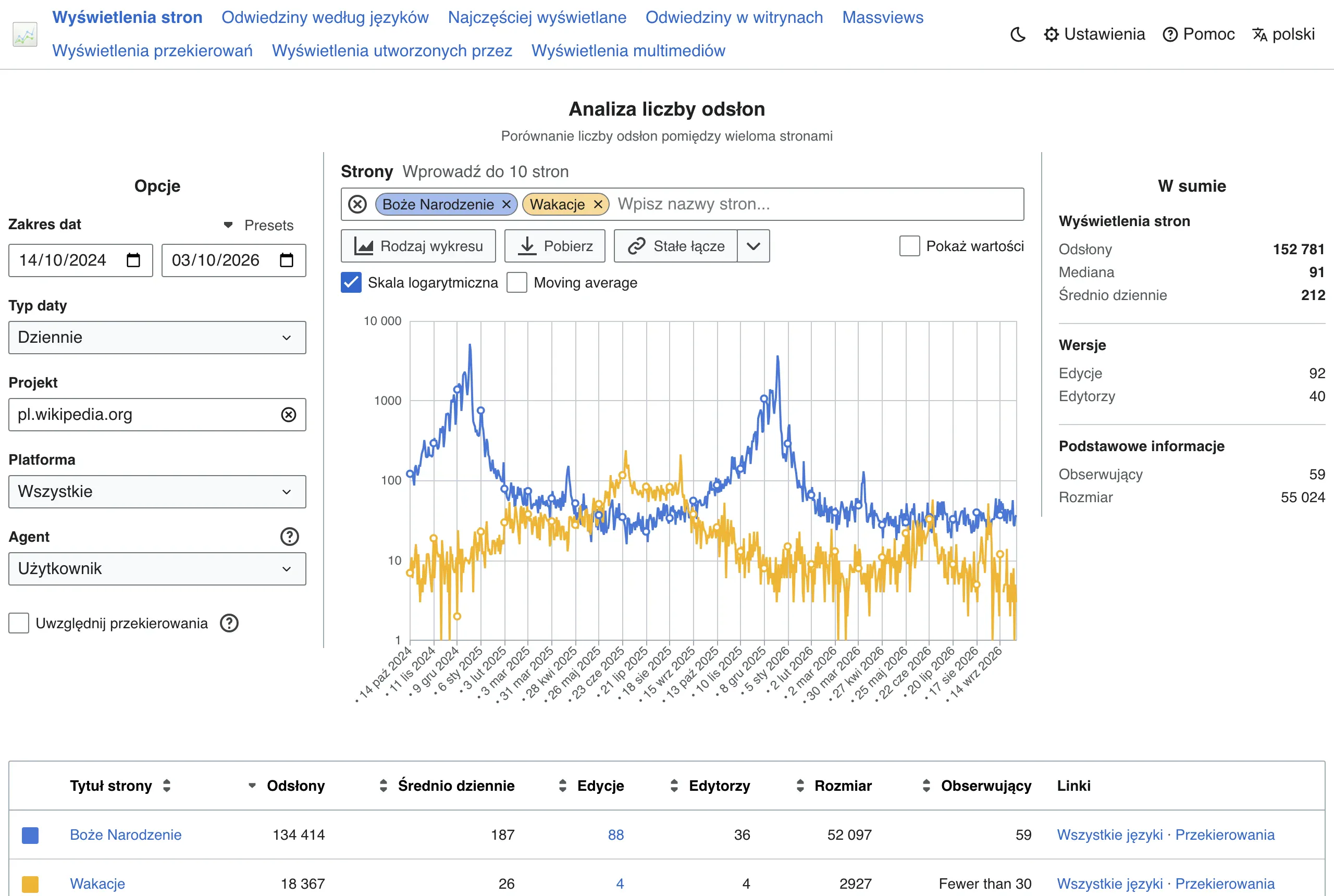
To make effective use of these changes, it is worth tracking trends with tools such as Google Trends. It shows how the popularity of specific phrases evolves over time. For example, queries such as “Christmas cake recipes” gain importance before Christmas, while “sunbathing tips” become a hit in summer.
The next step is analysing the data from previous years. Tools such as TubeBuddy or VidIQ make it possible to trace which keywords generated the most traffic in past seasons. This allows you to predict future trends and prepare suitable content in advance.
It is also crucial to adapt the publishing schedule to seasonal patterns. If you are planning videos about exam preparation, it is best to publish them at the start of the school year or just before the exams. Likewise, content related to spring cleaning may attract more viewer attention at the beginning of spring.
Seasonality also affects keyword competitiveness. During periods of heightened interest in a given topic, competition can be more intense. That is why it is worth focusing on more specific phrases (the so-called long-tail keywords), which have a lower level of competition but still attract audience interest. An example could be the phrase “how to prepare your home for Christmas” instead of the general “Christmas”.
Taking seasonality into account when choosing keywords allows you to better match your content to viewers’ current needs and increase its visibility on YouTube. Regular trend analysis and flexible adaptation of your publishing strategy are the key to success in making the most of seasonal shifts in user interest.
Keyword research as an ongoing process – how to update keywords regularly?
Keyword research on YouTube is a dynamic process that requires constant adaptation to changing trends and audience behaviour. Regularly checking the performance of selected phrases allows you to respond quickly to new viewer needs, which translates into maintaining high content visibility.
An important role is played by analysing the results of videos in the context of the keywords used. Tools such as TubeBuddy or VidIQ make it possible to track which phrases attract the most views and which require optimisation. This makes it possible to quickly modify titles, descriptions or tags so they better match current user queries.
It is also worth paying attention to search trends. Platforms such as Google Trends provide valuable information about growing interest in specific topics. For example, by noticing an increase in the popularity of the phrase “gardening tips in spring”, you can prepare suitable content in advance.
Competitor analysis is another important element of the strategy. Reviewing the titles and descriptions of videos from other creators in your niche helps you discover new keywords that may attract viewers’ attention. It is also worth looking at the comments section under competitors’ videos – there are often valuable clues there about audience needs.
Seasonality should not be forgotten. Phrases related to holidays or seasons often change in popularity throughout the year. Regular monitoring of these changes allows you to plan content publication better and increase its visibility at the right moments.
Optimising titles, descriptions and tags on YouTube
To increase the visibility of your videos on YouTube, it is worth taking care to optimise your titles, descriptions and tags. The title is the first thing that grabs viewers’ attention – it should be catchy, contain the key word and be between 50 and 70 characters. Instead of a general “Cake recipe”, it is better to go for something more specific, such as “No-bake cheesecake – quick recipe in 5 minutes”. This approach not only catches the eye, but also makes it easier to find the video in search results.

The description serves two important functions: it informs viewers and helps algorithms understand the subject matter of the content. It is worth starting with the main keyword so that the platform quickly recognises what the video is about. Also add links to other content on the channel – this is a great way to increase engagement and the time viewers spend watching. Example: “In this video I show a simple no-bake cheesecake recipe. Also check out other desserts: [link]”.
Tags are another optimisation element that should not be overlooked. They should accurately reflect the subject matter of the video – both in the form of general phrases (e.g. “recipes”) and more specific ones (e.g. “vegan desserts”). This increases your chances of better SEO in search results.
The key to success is consistency between the title, description and tags. The YouTube algorithm analyses them together to better understand the video content and match it to users’ queries.
Don’t forget to regularly monitor the effectiveness of your keywords and adjust them to current trends. This is essential for maintaining high visibility of your content on the platform over a longer period of time.
How to measure the effectiveness of keywords and video SEO?
Analysing the effectiveness of keywords and video SEO on YouTube is the foundation of an effective SEO strategy. This makes it possible to assess whether the chosen phrases are delivering the desired results. For this purpose, it is worth using analytics tools such as YouTube Studio, TubeBuddy or VidIQ, which provide detailed reports on views, viewer engagement and the ranking of content in search results.
The first step is to check which keywords generate the most traffic on the channel. For example, if a video about “vegan cake recipes” is gaining popularity thanks to the phrase “vegan desserts”, it is worth using similar phrases in future productions. This allows you to better match content to audience expectations.
Another important element is tracking video rankings in search results. Tools such as TubeBuddy make it possible to monitor the ranking for specific phrases. If you notice a drop in visibility, it may be a signal to update the title, description or tags. For example, adding more precise keywords can significantly improve the material’s position.
Equally important are engagement metrics such as watch time or click-through rate (CTR). A high number of views with a low watch time may indicate a mismatch between the title and the content or an unattractive thumbnail. In such a situation, it is worth experimenting with different combinations of keywords and graphic elements.
Regular data analysis allows you to continuously refine your SEO strategy. This makes it possible to react quickly to changing trends and viewers’ needs. For example, growing interest in the phrase “gardening tips in autumn” is a signal to prepare suitable content and increase its visibility.
Success in building visibility and engagement on YouTube depends on systematically using analytics tools and flexibly adapting your strategy to current data. This is the key to achieving long-term results.
FAQ
Frequently asked questions
How does keyword research affect video visibility on YouTube?
It helps the algorithm understand what the video is about and match it to users’ queries. As a result, the content has a better chance of appearing in search results, recommendations and on the home page.
Is it worth analysing user intent before publishing a video on YouTube?
Yes, because intent shows what viewers are really looking for. On YouTube, this is most often informational content, so videos should answer audience questions and needs.
How do you start semantic clustering of keywords for YouTube?
First, collect phrases related to your niche, then group them into logical topic categories. It is also worth including long-tail keywords, meaning more specific queries.
Which tools help with YouTube keyword research?
The article mentions, among others, Google Keyword Planner, TubeBuddy, VidIQ, Google Trends, Keywordtool.io and AnswerThePublic. They are used to check phrase popularity, competition, trends and long-tail suggestions.
How do you choose keywords with the greatest potential on YouTube?
First check the competition in the titles, descriptions and tags of popular videos. Then choose keywords with high popularity and low competition, especially more precise long-tail keywords.
Why is seasonality important when choosing keywords for YouTube?
Because interest in many topics changes throughout the year, for example before Christmas, in summer or around specific events. Taking seasonality into account lets you publish content at the best moment and better match phrases to current demand.