
In the dynamic and competitive fitness industry, effective SEO plays a key role in attracting clients looking for services online. From keyword optimisation to local strategies, proper SEO is not only a chance to gain visibility in search results, but also for long-term business growth. Find out how SEO techniques can help you take your gym or personal training offer to the next level and stand out from the competition!
Why is SEO crucial for the fitness industry?
SEO plays a key role in the fitness industry, where most potential clients look for services online. Interestingly, as many as 75% of users do not scroll past the first page of Google search results, which means that a high ranking translates into greater visibility and an advantage over the competition.
In the dynamic world of fitness, where competition is constantly growing, effective SEO helps you reach people looking for gyms, personal trainers or dietitians. Clients often choose services from the first search results, which is why SEO becomes an indispensable marketing tool.
SEO optimisation is, however, more than just keyword selection. Equally important is the user experience – a fast-loading site, intuitive navigation and valuable content attract the attention of potential clients. Local SEO is especially important, because many people look for fitness services in their area.
Publishing articles related to fitness regularly and optimising service descriptions increase the chances of ranking higher in the results. Using long-tail keywords allows you to reach more precise user queries.
Good SEO is an investment in the long-term growth of a business in the fitness industry. For gyms and personal trainers, it is a key way to increase visibility online and acquire new clients.
- 01Optimal visibilityFirst page of Google
- 02Competitive advantageGreater online reach
- 03User experienceSpeed and navigation
Effective SEO builds trust and translates into real growth in the number of clients in the dynamic fitness market.
The role of SEO in attracting clients online for gyms
SEO plays a key role in attracting clients to gyms via the internet. Most people look for fitness services online, so well-planned SEO strategies can have a significant impact on business growth. The key to success is keyword optimisation and creating valuable content that attracts organic traffic and translates into a larger number of new members. It is worth focusing on long-tail keywords, such as “gym with a swimming pool in Warsaw” or “personal training for beginners”. Such phrases help you reach people with specific needs who are more likely to take advantage of the offer. Precise queries from users often mean a higher conversion rate. A professional website is the foundation of effective SEO. A fast-loading site with clear navigation and valuable materials attracts the attention of potential clients. Regularly publishing articles related to fitness, such as training tips or diet plans, not only builds trust, but also positively affects the site’s position in search results. Local SEO is particularly important for gyms, because many people look for fitness services in their area. Optimising the Google Business Profile and collecting positive reviews from clients are essential steps. This allows a gym to increase its visibility in local results and attract more people from the immediate area. Effective SEO is not only a way to acquire new clients – it is also a tool for building a long-term competitive advantage in the dynamic fitness industry.
The importance of SEO for personal trainers
SEO is a key element of success for personal trainers, as it significantly affects their online visibility and attracting new clients. In the fitness industry, where competition is huge, a high position in Google translates into greater recognition and a competitive edge. It is worth highlighting that as many as three quarters of users do not look beyond the first page of search results. That is why effective SEO is absolutely essential to reach people looking for training services.
For trainers working locally, local SEO is particularly important. Optimising the website for queries such as “trener personalny w Warszawie” or “treningi indywidualne w Krakowie” (personal trainer in Warsaw / individual training in Krakow) increases the chances of appearing in the results of people from the immediate area. In addition, it is worth taking care of your Google Business Profile on Google My Business and regularly collecting positive reviews from clients – this not only builds trust, but also significantly improves visibility in local results.
A key element of an SEO strategy is also choosing the right keywords. Long-tail phrases such as “trening personalny dla początkujących” or “indywidualne plany treningowe online” (personal training for beginners / individual training plans online) allow you to reach people with specific needs. Such queries often have a higher conversion rate, which directly translates into a greater number of new clients.
You cannot forget about a professional website – it should be fast, responsive and intuitive to use. Regularly publishing valuable content related to fitness, such as training tips or articles about a healthy lifestyle, not only builds the trainer’s authority in the eyes of users, but also positively affects the website’s position in search results.
Investing in effective SEO is a proven way to increase online visibility and acquire new clients for personal trainers. An effective SEO strategy combines technical website optimisation, local SEO activities and the creation of valuable content that attracts the attention of potential audiences.
- 01Understand your audienceAnalysing needs and offer
- 02Identify phrasesSpecific local and niche queries
- 03Measure and assessSearch volume and competitiveness
The key to effective SEO is precise alignment of keywords with user intent and the fitness offer, which translates into visibility in search results.
How to create a professional website for a gym and personal trainer?
Creating a professional website for a gym or personal trainer requires combining functionality, aesthetics and SEO optimisation. First and foremost, the website must work quickly – loading time should not exceed 2-3 seconds. This is crucial both for Google’s algorithms and user satisfaction. Equally important is responsive design, since over 60% of web traffic comes from mobile devices. The website must therefore adapt smoothly to different screen sizes.
User experience (UX) is hugely important in attracting and retaining clients. Intuitive navigation, a clear layout and easy access to key information such as pricing or contact details are an absolute must. It is also worth focusing on an appealing visual design – high-quality photos of training equipment, the gym interior or trainers in action build trust and encourage people to use the offer.
You cannot forget about technical optimisation. Correctly marking up meta tags such as page titles and descriptions affects visibility in search results. It is also worth implementing structured data (schema markup), which helps search engines better understand the content of the page and present it in a more attractive way.
For personal trainers, it is crucial to create a section presenting their qualifications, experience and client reviews. This builds authority and encourages potential clients to get in touch. In the case of gyms, it is worth including information about the location and the option to book classes online – this increases convenience for users and translates into more sign-ups.
Regularly updating content is another important element of the strategy. Adding new articles related to fitness or training plans attracts organic traffic and positively affects the website’s position in search results. It is also worth considering integration with social media and the option to subscribe to a newsletter – these are effective tools for building long-term relationships with clients.
A professional website for a gym or personal trainer is not just a marketing tool, but also a way to stand out in the competitive fitness industry. Thanks to the right combination of performance speed, responsive design and SEO optimisation, it becomes an effective way to attract new clients and build a competitive advantage.
Website optimisation – fast, responsive and easy to navigate
Speed, responsiveness and intuitive navigation are key elements of an effective website. Page load time plays a huge role here – websites that take more than 3 seconds can lose as many as 40% of visitors. To prevent this, it is worth using methods such as:
- compressing image files,
- minifying CSS and JavaScript code,
- effective use of cache memory (cache).
Another important aspect is responsive design. Since more than half of web traffic comes from mobile devices, the website must adapt smoothly to different screen sizes. This not only improves the user experience, but also affects rankings in Google search results, which favour sites that are mobile-friendly for smartphones and tablets.
Intuitive navigation is the third pillar of success. Users should be able to find key information without difficulty, such as prices, contact details or service offerings. Clear menus, readable CTA (call-to-action) buttons and a logical site structure increase engagement and minimise the bounce rate.
You cannot forget about user experience (UX), which covers both functionality and aesthetics. An attractive visual design with high-quality photos and a consistent colour scheme builds trust and encourages further browsing. It is important, however, to avoid excessive use of animations or scripts that can negatively affect site performance.
Technical optimisation also means properly marking up meta tags – titles and page descriptions – which affect visibility in search results. Using structured data (schema markup) makes it possible to present website content better in Google – for example by displaying reviews or gym opening hours.
A fast website with responsive design and intuitive navigation is the foundation of an effective online presence in the fitness industry. Thanks to these elements, you can not only attract more potential clients, but also increase their engagement and conversions.
- 01Local visibilityReaching clients nearby
- 02Google Business ProfileAccurate details, higher rankings
- 03Building trustPositive reviews, greater visibility
The key to success is a comprehensive approach: profile optimisation, website optimisation for local keywords and collecting reviews.
How do you choose keywords in the fitness industry?
Choosing the right keywords in the fitness industry is the foundation of an effective SEO strategy, which determines a website’s visibility in search results. To find the best keywords, it is worth first analysing the offering and the needs of the target group. For gyms, these may be queries such as “swimming pool gym in Warsaw” or “personal training for beginners”, while personal trainers should pay attention to phrases such as “individual training plans online” or “personal trainer in Kraków”.

An essential tool in this process is Google Keyword Planner, which helps identify popular queries and assess their competitiveness. The key is to check the monthly search volume and the difficulty of ranking for a given keyword. Less competitive but precise queries often deliver better results, attracting users with clear intent.
In the fitness industry, so-called long-tail keywords are particularly important. These are more specific and less popular phrases that better match users’ needs. Examples include “training plan for fat loss” or “gym with yoga classes in Poznań”. Such queries are effective because they attract people with clearly defined expectations.
Location also plays a key role. For gyms or personal trainers, it is worth taking into account phrases containing city or district names, for example “fitness club in Mokotów” or “personal trainer in Wrocław”. Local keywords increase the chances of reaching people looking for services in the immediate area.
Regularly updating the keyword list is essential because of changing trends and user preferences. Monitoring SEO results and analysing traffic on the site make it possible to adjust the strategy to current market requirements.
Effective keyword selection requires combining offer analysis, SEO tools and a deep understanding of the target group’s needs. A strategy based on precise and local phrases translates not only into higher site visibility, but also into a greater number of acquired clients.
The importance of keyword selection for site visibility
Choosing the right keywords is the foundation of effective SEO, especially in the dynamic fitness industry. Key phrases must accurately reflect the offer and meet the needs of the target audience. Their strategic placement in content, headings and meta tags significantly improves site visibility in search results, attracting valuable organic traffic.
Tools such as Google Keyword Planner are invaluable for identifying popular queries and assessing their competitiveness. It is worth paying attention to long-tail keywords, e.g. “training plan for fat loss” or “gym with yoga classes in Poznań”. Such phrases attract users with clearly defined expectations, which often translates into higher conversion rates.
You also cannot forget about local keywords. Phrases containing city or district names, such as “fitness club in Mokotów” or “personal trainer in Wrocław”, are extremely effective in reaching people looking for services in the immediate area. This is especially important for gyms and personal trainers operating in the local market.
The key to success is the regular updating of the keyword list, tailored to changing trends and user preferences. Monitoring SEO results and analysing traffic on the site allow you to flexibly modify the SEO strategy in order to meet current market requirements. As a result, not only does site visibility increase, but the number of acquired clients also grows.
Using long-tail keywords
Long-tail keywords are multi-word phrases which, although less competitive, perfectly address users’ precise needs. In the fitness world, queries such as “training plan for fat loss for women” or “gym with a swimming pool in Warsaw” attract people with clearly defined expectations. This makes it easier to achieve a higher position in search results and increase conversions.
Using long-tail keywords makes it possible to reach a target group that is more likely to use the services. Examples of such phrases are “personal training for beginners in Kraków” or “individual diet plans online”. They are characterised by lower competition, which makes it easier to achieve better results in SEO.
To find valuable long-tail phrases, it is worth using tools such as Google Keyword Planner and analysing the competition. It is also crucial to regularly monitor organic traffic and adjust the SEO strategy to current trends. Long-tail keywords are an effective way to attract valuable traffic and acquire new clients in the fitness industry.
Creating valuable content for the fitness industry
Creating valuable content in the fitness industry is the basis of an effective SEO strategy. It helps a site gain greater visibility in search results and attract new audiences. The key is to publish varied materials that not only meet users’ needs, but also build trust and establish the brand’s position as an authority.
One of the most effective formats is blog articles. They can cover a broad range of topics, such as training plans, nutrition advice or tips on a healthy lifestyle. Examples include practical guides like “How to start strength training?” or “5 nutrition mistakes made by beginners”. Such content not only attracts organic traffic, but also improves the site’s position in Google results.
Another engaging format is video guides. Tutorials such as “Exercises for a flat stomach” or “Deadlift technique” are very popular with users. They can be shared on platforms such as YouTube or social media. Video not only increases engagement, but also extends time spent on the site, which is appreciated by search engine algorithms.
It is also worth focusing on infographics, which present complex information in a simple and attractive way. Examples include “Training plan for beginners” or “Ingredients of a healthy diet”. Infographics are easy to share and attract the attention of both users and other content creators.
A key element is adapting materials to keywords that match users’ queries. Long-tail phrases such as “personal training for women over 40” or “diet plan for fat loss” help you reach people with specific needs.
Publishing valuable content regularly not only increases website visibility, but also builds lasting relationships with customers. In the fitness industry, it is worth focusing on a variety of formats and delivering materials that educate, inspire and motivate action.
The role of content in search visibility
High-quality content is essential for increasing a website’s visibility in search results. Systematically publishing valuable materials such as blog articles, guides or infographics attracts organic traffic and has a significant impact on SEO. Google algorithms prefer websites that offer users practical information, which translates into a larger crawl budget and more frequent indexing.
Creating engaging content related to fitness — e.g. training plans or nutritional advice — not only attracts potential customers, but also strengthens trust in the brand. The key is to tailor materials to specific audience needs, for example by publishing articles such as “training for beginners” or “healthy recipes for fat loss”.
It is also worth experimenting with different formats — from text to videos to infographics — to keep users interested. Long-tail keywords such as “training plan for women over 40” help you reach people with specific expectations, which effectively increases conversions.
Regularly updating the site with new materials not only improves SEO, but also keeps audiences engaged. This keeps the website current and attractive for both users and search engine algorithms.
The importance of local SEO for gyms and personal trainers
Local SEO is an effective way to increase the visibility of gyms and personal trainers in search results. It works particularly well for people looking for fitness services in their area. For example, optimising for phrases such as “gym with a swimming pool in Warsaw” or “personal training in Kraków” helps you reach customers nearby.
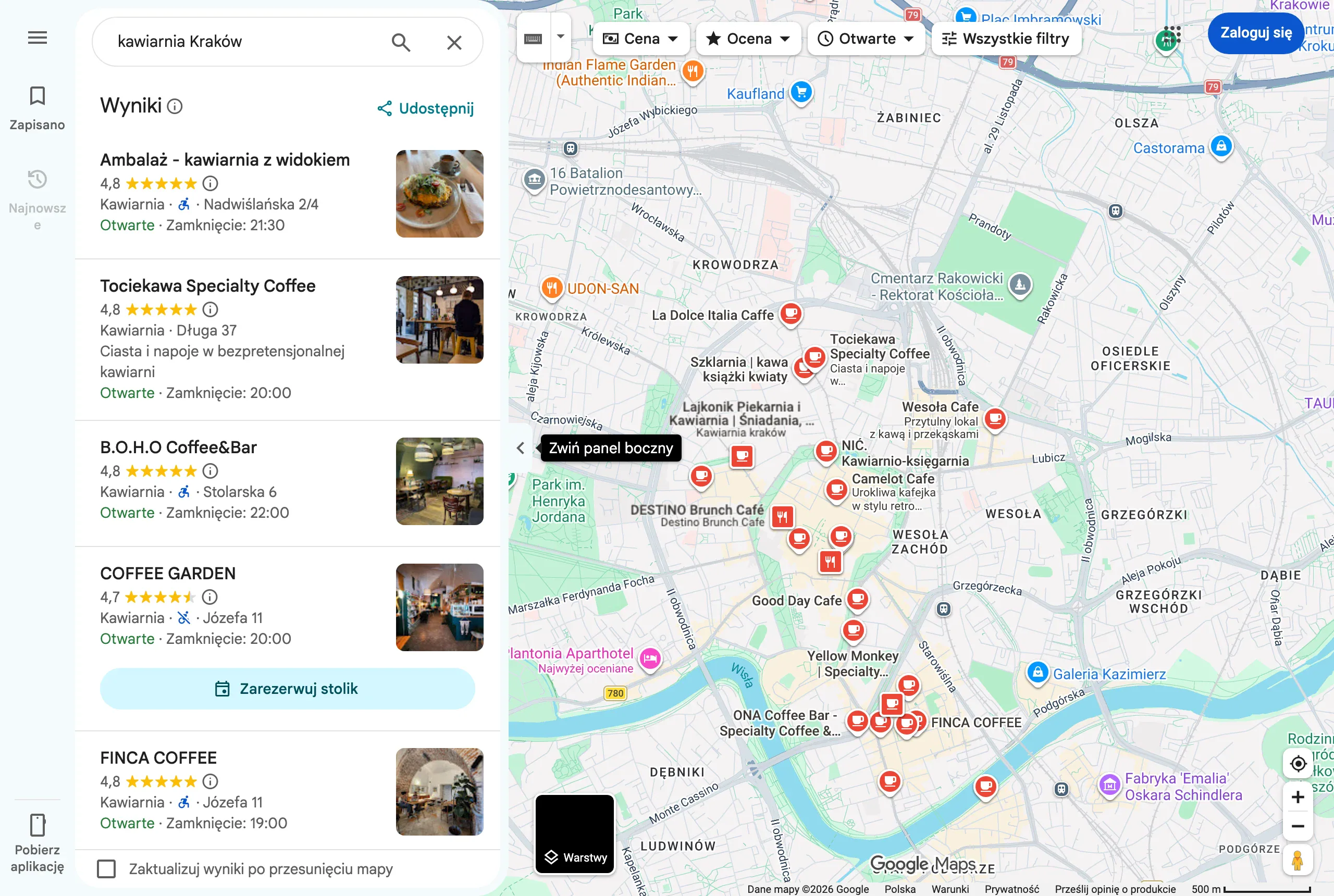
The key tool is Google My Business Profile. Filling it in correctly — adding the address, opening hours, photos and a description of services — has a significant impact on rankings in local results and on Google Maps. Encouraging customers to leave positive reviews not only builds trust, but also increases the visibility of the profile.
Another important step is optimising the website for local keywords. It is worth using phrases containing city or district names in content, meta tags and headings. This helps Google’s algorithms better understand the site’s association with a given area.
Local SEO also includes activity on social media and using tools such as Google Maps. Regularly publishing posts about the gym’s offer or personal training, along with adding a location, attracts the attention of people looking for fitness services nearby.
For personal trainers, it is particularly important to create valuable content related to the local community. Articles about sports events organised in the city or advice on physical activity available nearby can attract new clients interested in working together.
An effective local SEO strategy allows gyms and trainers not only to increase online visibility, but also to acquire new clients from the immediate area. It helps them stand out from the competition and build lasting relationships with the local community.
How does local SEO increase visibility in search results?
Local SEO is a powerful tool that helps businesses increase their visibility in search results. It works by optimising the Google My Business profile and adding gym information to local directories. As a result, your business can appear in results for queries such as “gym with a swimming pool in Warsaw” or “personal training in Kraków”, which attracts customers from the immediate area.
A key element is Google Business Profile optimisation. Filling it in with accurate details such as the address, opening hours, photos and a description of services not only improves your position in local results and on Google Maps, but also builds trust. Encouraging customers to leave positive reviews further strengthens this effect, increasing the profile’s appeal.
No less important is using local keywords on the website. Phrases containing the names of cities or districts should appear in both the content and meta tags or headings. This helps Google’s algorithms better understand the website’s connection with a given geographical area, which translates into a higher position in the results.
Local SEO is not just technical optimisation – it is also activity on social media and using tools such as Google Maps. Regularly publishing posts about the gym’s offer or personal training, along with adding locations, attracts the attention of people looking for fitness services nearby. It is a straightforward way to increase engagement and gain new clients.
For personal trainers, creating valuable content related to the local community is particularly important. Articles about sporting events organised in the city or advice on physical activity available nearby can attract new clients interested in working together. Such activities not only build authority, but also integrate you with the local environment.
An effective local SEO strategy allows gyms and trainers not only to increase online visibility, but also to acquire new clients from the immediate area. This tool helps you stand out from the competition and build lasting relationships with the local community.
Google Business Profile optimisation
Google Business Profile optimisation is a key element of local SEO, which significantly affects the visibility of gyms or personal trainers in search results. Thanks to this tool, a company can appear not only in Google Maps, but also in local results, attracting clients from the immediate area. Filling in the profile with accurate details – such as the address, opening hours, photos and a description of services – not only improves ranking position, but also builds trust among potential clients.
One of the most important steps is encouraging customers to leave positive reviews. Such reviews increase the profile’s appeal and affect a higher position in local results. It is also worth regularly updating information about the offer, for example by adding new classes or promotions, which helps maintain user interest and keeps the profile current.
In the optimisation process, you must not forget about using local keywords. Phrases such as “gym with a swimming pool in Warsaw” or “personal training in Kraków” should appear both in the profile description and on the website. This helps Google’s algorithms better understand the company’s connection with a given geographical area.
Activity on social media platforms also plays an important role. Regularly publishing posts about the gym’s offer or personal training, along with adding locations, attracts the attention of people looking for fitness services nearby. Integration with Google Maps further strengthens this effect.
Effective Google Business Profile optimisation is not only a way to increase online visibility – it is also a tool for building lasting relationships with the local community and acquiring new clients. This not only helps you stand out from the competition, but also creates strong ties with the business environment.
How can advertising campaigns support SEO in the fitness industry?
Advertising campaigns, such as Google Ads and Facebook Ads, can significantly strengthen an SEO strategy in the fitness industry. Thanks to them, you can reach your target audience instantly, which translates into increased website traffic. Although high visibility in organic search results takes time, paid campaigns allow you to attract the attention of potential clients immediately.
Google Ads allows ads to be displayed in search results for specific phrases such as “gym with a swimming pool in Warsaw” or “personal training for beginners”. This is a great opportunity for fitness businesses to appear at the top of the results, even if their website is not yet highly ranked organically. It is especially beneficial for new businesses on the market or those that want to quickly increase brand awareness.
Facebook Ads offers precise tools for targeting ads. You can reach people interested in fitness, a healthy lifestyle or specific training services. Campaigns can include promotional posts, instructional videos or invitations to sporting events. This not only attracts more visitors to the site, but also builds community engagement.
Paid campaigns also support SEO by generating additional traffic and user signals. The more people visit the website and spend time browsing it, the better Google’s algorithms assess its value. This can translate into a higher position in organic search results.
It is also worth considering retargeting campaigns. They allow you to reach people already interested in the offer. For example, people who visited a gym’s or personal trainer’s website but did not sign up can receive a personalised advert encouraging them to use the service.
Paid advertising campaigns are an excellent complement to an SEO strategy in the fitness industry. They attract the attention of potential clients and generate additional traffic and user signals that positively affect organic rankings.
Effectiveness of Google Ads and Facebook Ads
Google Ads and Facebook Ads are highly effective advertising tools that can significantly strengthen a marketing strategy in the fitness industry. Thanks to precise targeting, these campaigns make it possible to reach people interested in training services, which translates into more traffic to the website and acquiring new clients.
Google Ads makes it possible to display ads in search results for specific keywords, such as “siłownia z basenem w Warszawie” or “trening personalny dla początkujących”. This is an excellent opportunity for fitness businesses to appear at the top of the results, even if their website is not yet highly ranked organically. It is especially beneficial for new businesses on the market or those that want to quickly increase their recognition.
By contrast, Facebook Ads offers advanced ad targeting tools. You can reach people interested in fitness, a healthy lifestyle or specific training services. Campaigns can include promotional posts, instructional videos or invitations to sporting events. This not only attracts more visitors to the website, but also builds community engagement.
Both platforms make it possible to generate additional traffic and user signals, which positively affects organic SEO. The more people visit the website and spend time browsing it, the better Google’s algorithms assess its value. It is also worth considering retargeting campaigns, which allow you to reach people already interested in the offer.
Advertising campaigns are an excellent complement to an SEO strategy in the fitness industry. They attract the attention of potential clients and generate additional traffic and user signals that have a positive impact on organic SEO.
The importance of advertising campaigns in acquiring new clients
Advertising campaigns play a key role in acquiring new clients for gyms and personal trainers. Thanks to them, it is possible to effectively reach a defined target group, increase brand recognition and attract more visitors to the website. In the dynamic fitness industry, where competition is huge, paid advertising helps you stand out from the rest.
Google Ads is a powerful tool that makes it possible to display ads in search results for specific keywords, such as “siłownia z basenem w Warszawie” or “trening personalny dla początkujących”. This allows fitness businesses to appear at the top of the results, even if their website is not yet highly ranked organically. It is especially valuable for new businesses or those that want to quickly gain recognition.
By contrast, Facebook Ads offers precise ad targeting tools. You can reach people interested in fitness, a healthy lifestyle or specific training services. Campaigns can include promotional posts, instructional videos or invitations to sporting events. This not only attracts more visitors to the website, but also builds community engagement.
Paid campaigns also have a positive impact on SEO by generating additional traffic and user signals. The more people visit the website and spend time browsing it, the better Google’s algorithms assess its value. This can translate into a higher position in organic search results.
It is also worth paying attention to retargeting campaigns. They make it possible to reach people who are already interested in the offer. For example, people who visited a gym or personal trainer website but did not sign up can receive a personalised ad encouraging them to use the service.
Advertising campaigns are an excellent complement to an SEO strategy in the fitness industry. They attract the attention of potential clients and generate additional traffic and user signals that have a positive impact on organic SEO.
FAQ
Frequently asked questions
Why is SEO important for gyms and personal trainers?
Because most potential clients search for fitness services online, and a high position in Google increases visibility and the edge over the competition. It is also a way to support long-term business growth.
Which website elements matter most for SEO in the fitness industry?
The most important are loading speed, responsive design and intuitive navigation. The website should also contain valuable content, correct meta tags and well-described services.
Does local SEO help attract clients in the fitness industry?
Yes, because many people search for gyms and personal trainers in their area. Google Business Profile optimisation and collecting positive reviews help with this.
How should you choose keywords for a gym or personal trainer?
It is worth analysing the offer and the needs of the target audience, then choosing precise and local phrases. Long-tail keywords are also helpful, because they reach people with a specific intent.
What are long-tail keywords in fitness SEO?
They are more specific phrases, such as “personal training for beginners” or “gym with a swimming pool in Warsaw”. Such queries usually attract users who know what they are looking for.
When is it worth publishing new content on a gym or trainer website?
Regularly, because fresh articles about fitness, training or healthy lifestyles support SEO and build trust. Updating content also helps attract organic traffic.