

Are you wondering how to assess keyword difficulty effectively and optimise your SEO strategy? Keyword difficulty is a metric that shows how much effort it takes to achieve a high ranking in search results. Analysing competitiveness, the number of linking domains and content quality will help you better understand the market and effectively tailor SEO activities to business goals. Find out which tools are worth using and how to prioritise keywords at every stage!
How to assess keyword difficulty?
Keyword difficulty is a key element of an SEO strategy that helps determine how difficult it will be to achieve a high ranking in search results for a given query. This value is calculated based on an analysis of the domains linking to pages in the top ten of the rankings. The more such domains there are, the higher the keyword difficulty. This scale ranges from 0 to 100, where 100 represents the biggest challenge.
To assess this parameter, specialised SEO tools are used, which analyse keyword competitiveness based on search engine data. The main factor affecting difficulty is the number and quality of linking domains to ranking pages. A high value of this indicator shows that achieving a high position requires more work and resources.
Keyword difficulty has a significant impact on SEO strategy. Keywords with a low difficulty level are easier to optimise and can deliver faster results, especially for new websites. By contrast, those with high difficulty require long-term planning, including both link building and content optimisation. By analysing keyword difficulty, you can plan SEO activities better and align them with the site’s capabilities and business objectives.
It is worth remembering, however, that even high-difficulty keywords can prove profitable if they align with the company’s strategic priorities. The key to success is proper management of resources and the time devoted to optimisation.
- 01Keyword difficultyLevel of challenge in the results.
- 02Analysis of linking domainsA key ranking factor.
- 03Scale range 0-100The higher it is, the harder it is.
- 04SEO tools make assessment easierRequires greater effort.
A high indicator value means that achieving a high position requires significantly more work and strategy.
What is keyword difficulty?
Keyword difficulty is an SEO metric that determines how hard it is to achieve a high ranking in search results for a specific keyword. This value is expressed on a scale from 0 to 100 – the higher the number, the greater the challenge of securing a place on the first page of Google.
The key element influencing this metric is the number and quality of linking domains to the pages occupying top positions in the rankings. SEO tools use this information to assess the competitiveness of a given query. Keywords with a low difficulty level are easier to optimise and can deliver quick results, especially for new websites. On the other hand, those with high difficulty require long-term strategies such as acquiring backlinks or creating valuable content.
It is worth emphasising, however, that keyword difficulty is just one of many factors influencing success in SEO. Even keywords with a high difficulty level can prove profitable if they align with business objectives and attract valuable organic traffic. That is why it is always worth analysing not only the level of competition, but also the potential benefits for the brand.
What factors affect keyword difficulty?
Several key elements affect the competitiveness of keywords, which determine how difficult it is to achieve a high ranking in search results. One of the most important factors is the number and quality of referring domains pointing to the pages at the top of the rankings. The more valuable links leading to these sites, the greater the challenge of securing a high position for a given phrase.
Also important is the quality of content on pages already ranking highly. Unique, well-optimised and valuable materials increase the chances of staying at the top, which further raises the level of competition. The backlink profile also plays an important role – links from authoritative and topically relevant sources significantly affect how difficult it is to rank a given phrase.
It is also worth looking at other ranking metrics, such as time spent on the page or bounce rate. Sites that deliver an excellent user experience are more often rewarded by search engine algorithms, which makes it harder for new sites to achieve similar results.
However, it should be remembered that keyword difficulty does not take into account on-page factors such as meta tag optimisation or URL structure. Even the best optimisation efforts may prove insufficient if the competition has a stronger link profile and more valuable content.
Understanding these elements makes it easier to assess why some phrases are more demanding than others. This makes it possible to develop an effective SEO strategy, tailored both to the site’s capabilities and business objectives.
- 01Understanding intentAnalysing user needs
- 02Competitor analysisAssessing difficulty and potential
- 03Long-tail phrasesHigher conversion rate
The key to website visibility and supporting business objectives through precise phrase selection
How does keyword difficulty affect SEO?
Keyword difficulty is hugely important for the effectiveness of an SEO strategy, because it shows how much effort and how many resources will be needed to achieve a high ranking in search results. Phrases with a low difficulty level are easier to optimise and can deliver quick results, especially for new sites. On the other hand, those with high difficulty require a long-term approach, including building valuable backlinks and creating unique, engaging content.
High keyword difficulty often results from strong competition from well-established domains. Such sites usually have extensive backlink profiles and top-quality content, which makes it difficult for new sites to break through to the first pages of Google results. Even so, it is worth considering optimisation for more difficult phrases if they align with business objectives and can attract valuable organic traffic.
Keyword difficulty analysis is a tool that helps you plan SEO activities more effectively. It allows you to focus on phrases offering the best ratio of effort to potential benefits. Even if a given keyword is exceptionally demanding in terms of ranking, its value may come from high conversion potential or strategic importance for the brand.
Choosing the right keywords is a key element of SEO success. It not only increases site visibility in search engines, but also attracts more targeted organic traffic, which translates into better business results.
Tools for keyword analysis
Tools for keyword analysis play a key role in building effective SEO strategies. They make it possible to assess phrase difficulty, analyse their popularity and competitiveness, and discover new keyword ideas. Among the most popular solutions are Google Keyword Planner, Moz Keyword Explorer, KWFinder and Ubersuggest.
Google Keyword Planner is a free tool offered by Google that allows you to research the popularity and competitiveness of phrases. Users can check the average monthly search volume for selected keywords and receive suggestions for new phrases related to a given topic. It is a particularly useful tool when planning advertising campaigns and SEO activities.
Moz Keyword Explorer is another highly regarded solution that provides detailed reports on keyword difficulty. Its additional advantage is the ability to analyse competitors’ organic traffic and generate a list of related phrases. The tool also offers forecasts of the potential organic traffic that can be gained through optimisation for selected keywords.
KWFinder draws attention with its intuitive interface and precise data on keyword difficulty. It allows you to quickly assess the level of competitiveness for a given keyword and generates suggestions based on long-tail keywords. It is an excellent solution for businesses looking for niche keywords with lower competition.
In turn, Ubersuggest is a versatile SEO tool that combines keyword analysis, rank tracking and competitor backlink profile research. With it, you can assess the potential of a given keyword in terms of organic traffic and conversions, which makes it extremely useful in comprehensive SEO strategy planning.
The choice of the right tool depends on individual needs and the objectives of the SEO strategy. Each of them offers unique features that help you better understand the market and plan effective actions to optimise your site.
What tools help assess keyword difficulty?
Keyword difficulty analysis tools are essential for creating effective SEO strategies. One of the best-known solutions is Google Keyword Planner, which provides data on search volume and the level of competitiveness of individual keywords. In addition, the tool suggests new keywords, which makes it much easier to expand the list of keywords to optimise.
Another tool worth noting is Moz Keyword Explorer. It allows for detailed keyword difficulty analysis, as well as competitor organic traffic research and related keyword generation. This makes it possible to understand the market better and plan SEO actions more precisely.
KWFinder draws attention with the simplicity of its interface and accurate data on keyword competitiveness. This tool works brilliantly for finding niche keywords with a lower level of difficulty, which is particularly useful for new websites.
In turn, Ubersuggest is a versatile solution that combines keyword analysis, rank tracking and competitor backlink profile research. It allows you to assess the potential of a given keyword in terms of organic traffic and conversions, which makes it extremely helpful in comprehensive SEO strategy planning.
The choice of the right tool should be tailored to the individual needs and objectives of the SEO strategy. Each of them offers unique features that help you better understand the market and plan effective optimisation activities.
How to choose the best keywords?
Choosing the right keywords is a key element of an effective SEO strategy, determining a website’s visibility in search results. To find the optimal keywords, it is worth first understanding user intent and the stages of their buying journey. Keywords should not only match users’ needs, but also support the website’s business goals.
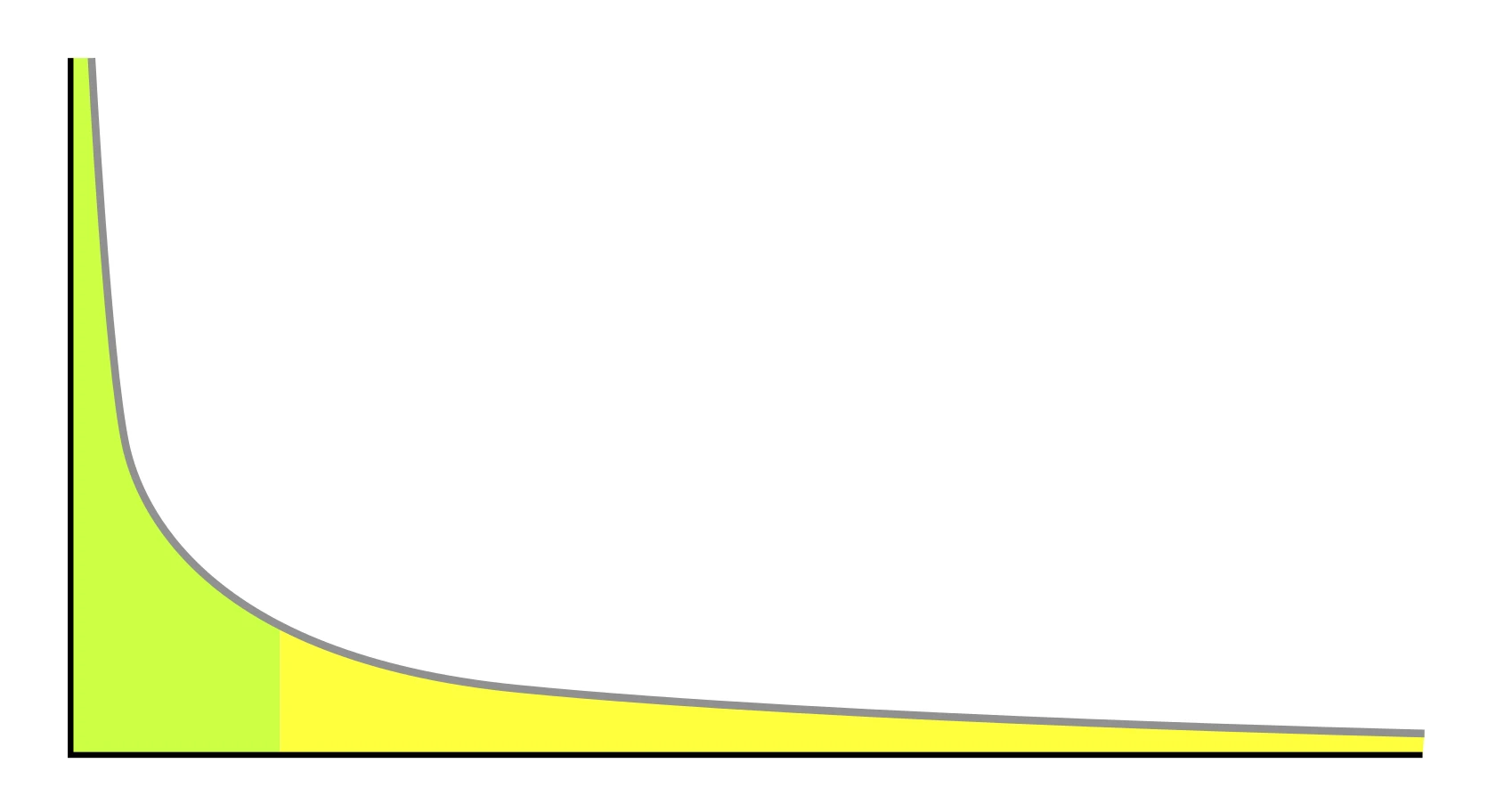
The first step is competitiveness analysis. Useful tools for this include Google Keyword Planner, Moz Keyword Explorer and KWFinder, which help assess the difficulty of individual keywords and their potential to generate organic traffic. Particular attention should be paid to long-tail keywords, which, although less competitive, often offer a higher conversion rate.
Another important aspect is user intent research. Keywords can serve different functions: informational, transactional or navigational. For example, the query “jak wybrać najlepsze słowa kluczowe” has an educational character, while “kup narzędzie do analizy słów kluczowych” expresses readiness to buy. Matching content to these intents significantly increases the chances of achieving high positions in search results.
Nor should you forget about using data from Google Search Console. This tool shows which keywords are already driving organic traffic to the site. Analysing this information makes it possible to identify keywords with the greatest potential and focus on further optimisation.
Keyword prioritisation should take into account both the level of difficulty and the benefits to the business. Low-competition keywords can deliver quick results, especially for new websites. By contrast, high-difficulty keywords require a long-term approach based on building valuable links and creating unique content.
Effective keyword selection is a process that requires data analysis, understanding user needs and a strategic approach to website optimisation. This makes it possible to significantly increase a site’s visibility in search results and attract valuable organic traffic.
How to prioritise keywords in an SEO strategy?
Prioritising keywords in an SEO strategy is a process that requires a thorough analysis of their difficulty, traffic potential and alignment with business goals. At the outset, it is worth focusing on phrases with a low level of difficulty. They are easier to optimise and can quickly deliver visible results, especially for new websites. Thanks to them, you can secure first positions in search results, which provides a solid foundation for further efforts.
The next stage is to extend the strategy to more competitive phrases. A key role here is played by SERP analysis (search engine results pages), which makes it possible to understand what content and links dominate the top of the rankings. This valuable source of information helps determine what steps are necessary to compete effectively with existing websites.
It is equally important to take user intent into account. Keywords should respond to users’ needs – whether they are looking for information, comparing offers, or are ready to buy. Transactional phrases often offer higher conversion potential, but require more work due to strong competition.
In the prioritisation process, it is worth using tools such as Google Keyword Planner or Moz Keyword Explorer. They allow you to assess both keyword difficulty and their traffic potential. In addition, they make it possible to discover new long-tail phrases (long-tail keywords) that are characterised by lower competition and often a better conversion rate.
Prioritisation should take into account both short-term goals and the long-term strategy for website growth. Low-difficulty phrases can achieve quick results more easily, while more competitive ones require time to build domain authority. In this case, valuable backlinks and unique tailored content for users’ needs are key.
Effective keyword prioritisation is based on a balance between ease of optimisation and potential business benefits. SERP analysis and the use of the right SEO tools are essential for making informed decisions in this process.
How do user intents affect keyword selection?
Understanding user intent is the foundation of effective keyword selection. It allows you to precisely determine what potential audiences are looking for and tailor content to their expectations, which has a significant impact on the effectiveness of an SEO strategy. It is crucial to take into account different types of intent: informational, transactional and navigational.
For example, informational queries such as “how to choose the best keywords” indicate a need to gain knowledge. In such a case, it is worth preparing valuable educational materials that answer specific user questions. Transactional phrases, by contrast, e.g. “buy a keyword analysis tool”, suggest readiness to make a purchase decision. In this case, optimisation should focus on product pages or special offers.
Intent analysis also makes it possible to match the format and length of content to audience needs. For informational queries, blog articles or detailed guides work perfectly. Whereas for transactional intent, it is better to focus on concise product descriptions with a clear call to action (CTA). Tools such as Google Keyword Planner or SEMrush are invaluable in identifying popular phrases and their context.
It is also crucial to understand users’ buying journey. Keywords may vary depending on the decision-making stage – from general queries to detailed product comparisons. This analysis makes it easier to plan advertising campaigns and adapt website optimisation for different target groups.
Taking user intent into account in an SEO strategy not only increases the chances of high positions in search results, but also attracts valuable organic traffic that translates into real benefits for the business.
FAQ
Frequently asked questions
How do you assess keyword difficulty in SEO?
Difficulty is assessed by analysing the domains linking to the pages in the top ten results. The more of these domains there are, and the higher their quality, the greater the difficulty of the keyword.
What affects keyword difficulty?
The most important factors are the number and quality of referring domains and the quality of content on pages ranking highly. Backlink profile and other ranking metrics, such as time spent on the page or bounce rate, also matter.
Is low keyword difficulty better for new sites?
Yes, low-difficulty keywords are easier to optimise and can deliver results faster. This is especially beneficial for new sites that are only just building visibility.
Why do high-difficulty keywords require a longer-term strategy?
Because they are usually competed for by sites with strong link profiles and valuable content. To break through, you need to plan link building and systematic content optimisation.
Which tools help check keyword difficulty?
The article mentions Google Keyword Planner, Moz Keyword Explorer, KWFinder and Ubersuggest. They help assess keyword competitiveness, find new ideas and analyse traffic potential.
When is it worth targeting more difficult keywords?
It is worth doing so when a keyword aligns with business goals and can attract valuable organic traffic. Even difficult keywords can be profitable if they have high conversion potential or strategic importance.