

In the dynamically developing world of education, effective SEO (Search Engine Optimization) has become a key element of the marketing strategy for schools, universities and e-learning platforms. A high position in Google not only increases an institution’s visibility against growing competition, but also attracts prospective pupils and students through valuable content and tailoring the offer to their needs. Find out why search engine optimisation is the foundation of success in the education sector!
Why is SEO crucial for the education sector?
These days, SEO plays an extremely important role in the education sector. In the age of digitalisation, most prospective pupils and students use search engines to find information about schools, universities or online courses. Thanks to a high position in Google, educational institutions can reach a much wider audience, which is especially important in the face of growing competition.
Effective positioning of a website not only increases the institution’s visibility, but also attracts more prospective candidates. In the education sector, where rivalry between schools and universities is growing, SEO is becoming a key tool in the fight for the attention and trust of future pupils. A well-optimised website that ranks highly in search results builds a professional image of the institution, which translates into more course enrolments or university admissions.
What is more, SEO is not just a way to increase visibility – it is also a tool for building relationships with future pupils and students. Through keyword analysis and creating content that responds to users’ needs, schools can answer prospective candidates’ queries more effectively. This is especially important for people looking for specific solutions, such as online language courses, vocational training or master’s degree programmes.
As a result, SEO becomes an indispensable element of the marketing strategy of every educational institution, helping it not only stand out from the competition, but also better respond to market needs.
- 01Increase visibilityMain source of information for pupils
- 02Wider reachReaching a larger pool of candidates
- 03Gain an edgeKey in a growing market competition
- 04Build trustHigh ranking means credibility
Effective SEO attracts attention, builds trust and provides a competitive advantage in the digital era.
The role of SEO in the competition between schools and universities for students’ attention
These days, SEO plays a key role in attracting the attention of prospective students. Most candidates begin their search with search engines, so a high position in Google translates into greater visibility for a school or university. This is not only a way to increase the number of applications, but also to build trust and a professional image.
A key element of effective SEO is the quality of content on the website. It should be valuable in terms of substance, respond to users’ needs and include appropriate keywords, such as “kursy językowe online” or “studia magisterskie”. Thanks to this, educational institutions can better respond to candidates’ queries and improve their position in search results.
It is also important not to forget about technical website optimisation. Loading speed, mobile responsiveness and a clear structure are factors that have a significant impact on user experience and Google rankings. In the case of schools and universities, every detail matters.
An important aspect is also linking – both internal and external. Valuable educational content that is recommended by other websites builds the institution’s authority in the eyes of Google’s algorithms. This is particularly important for institutions offering online courses or master’s degree programmes.
Thanks to effective SEO, schools and universities not only increase their visibility, but also build long-term relationships with prospective students. This tool makes it possible to better adapt to market needs and stand out from the competition.
The education sector’s move online and its impact on SEO
The COVID-19 pandemic forced the education sector to move its activities into the digital world, which significantly transformed SEO strategies. Schools and universities once focused mainly on traditional recruitment. Today, almost all of their activity has moved online. According to analyses, the global online education market was valued at 107 billion dollars in 2015, and by 2025 its value is expected to reach as much as 325 billion dollars. In Poland, we are also seeing a dynamic rise in the popularity of e-learning platforms and online courses, which is forcing educational institutions to review their marketing strategies.
This transformation is hugely important for SEO. Institutions now have to compete not only locally, but also globally, which means that search engine optimisation has become a key element of success. It is necessary to adapt content to users’ changing needs – such as the availability of language courses or online vocational training. A high position in Google results translates directly into greater institutional visibility and attracting potential applicants.
The technical aspects of websites have also gained in importance. Loading speed, mobile responsiveness and a clear structure have become key factors affecting SEO. In addition, proper internal linking and external linking, as well as creating valuable educational materials, help build institutions’ authority in the eyes of Google’s algorithms.
As a result, the digitalisation of the education sector has forced schools and universities to become more involved in SEO activities. This allows them not only to increase their online visibility, but also to respond more effectively to market and competitive challenges.
- 01Keyword selectionNaturally incorporating phrases, avoiding overuse.
- 02Clear structureLogical H1–H3 headings, clear division.
- 03User-friendly formattingShort paragraphs, lists, bullet points for better readability.
- 04Answering questionsContent as a solution to students’ problems.
- 05Increasing visibilityBetter page ranking in search results.
Effective SEO optimisation is a balance between usability for the reader and the search engine’s requirements.
What are the basic elements of effective SEO in education?
Effective SEO in the education sector is based on several key aspects that help increase page visibility in search results. First, it is worth carrying out keyword analysis to understand which phrases prospective pupils or students most often type in. This makes it possible to better match content to their expectations, which translates into a higher position in Google.
Equally important is the technical optimisation of the website. This is not only about speeding up page loading, but also about mobile responsiveness and a clear structure. These elements not only affect positive user experience, but are also valued by search engine algorithms.
Another important step is creating valuable materials that meet users’ needs. In the education industry, these can be expert articles, guides or teaching materials. It is also worth remembering about internal and external linking, which strengthen the authority of the site in Google’s eyes.
In addition, using analytical tools such as Google Analytics allows you to track the effects of SEO activities and make appropriate adjustments. Thanks to these strategies, educational institutions can compete effectively online and attract more applicants.
Keyword analysis as the foundation of effective SEO
Keyword analysis is a key element of effective SEO, especially in the education sector. It makes it possible to discover which phrases potential pupils, students or course participants most often enter into search engines. This in turn makes it possible to create content perfectly matched to their expectations, which translates into higher positions in Google results.
The first step is to identify the phrases most relevant to the education industry. These can be both single words (e.g. “kursy”) and more specific expressions (e.g. “kursy językowe online dla dorosłych”). Tools such as Google Keyword Planner, Ahrefs or SEMrush are helpful in this process, as they allow you to assess the competitiveness of phrases and their potential to generate traffic to the site.
One should not forget about local aspects, especially if the institution operates in a specific market. For example, language schools can focus on keywords such as “English courses Warszawa” or “learn Spanish online”. This approach increases the chances of reaching people looking for specific services in a given region.
Keyword analysis not only supports content optimisation, but also helps to better understand users’ needs. In the context of education, these may be questions about degree programmes, tuition costs or the availability of online courses. Creating valuable answers to these queries not only improves website visibility, but also builds its authority in the eyes of Google’s algorithms.
It is also worth monitoring changes in search trends and adapting the SEO strategy to current market requirements. Regularly updating the keyword database and analysing competitors’ activities allows you to maintain a high ranking and attract new candidates.
- 01Keyword rankingTrack positions in search.
- 02Website trafficAnalyse visits and time.
- 03Conversion rateMeasure enquiries and forms.
The effectiveness of SEO activities in education is assessed through a comprehensive analysis of rankings, traffic and conversions.
Technical optimisation of the website for better rankings
Technical optimisation of the website is the foundation of effective SEO, particularly in the education sector. This is about improving the elements that determine a site’s visibility in search results. Let’s start with URLs – they should be concise, clear and include the relevant keywords. Instead of complicated strings of characters, it is better to choose simple solutions, e.g. “www.szkola.pl/kursy-jezykowe”.
Another key aspect is page speed. Google research shows that pages loading in 2 seconds have a 15% higher conversion rate. How can this be achieved? It is worth compressing images, simplifying CSS and JavaScript code, and using cache. These small changes can significantly affect website performance.
In the mobile era, responsive design is a must. More than 60% of users browse the internet on smartphones or tablets, so the website must be adapted to different screen sizes. This not only improves the browsing experience, but also protects against sanctions from Google.
Security also plays a crucial role. Implementing the HTTPS protocol secures user data and builds trust in the website. Additionally, it is worth taking care of the XML sitemap and the robots.txt file, which make it easier for search engine robots to index the site.
Let’s not forget about the heading structure (H1, H2, H3) – it should be logical and clear. This way, both users and Google algorithms can easily navigate the site. Technical optimisation not only supports SEO, but also affects visitors’ experience. This is particularly important for educational institutions that want to attract new pupils or students.
The importance of page speed and mobile optimisation
Page speed and mobile optimisation are key elements that determine not only rankings in Google results, but also the quality of user experience (UX). In the education sector, where competition is intense, these aspects take on particular importance. Websites for schools, universities or e-learning platforms should combine visual appeal with functionality and speed.
According to research, websites that load in less than 2 seconds can increase the conversion rate by as much as 15%. For educational institutions, this is a real opportunity to attract more candidates. To achieve such performance, it is worth focusing on optimisation:
- image compression,
- simplifying CSS and JavaScript code,
- effective use of cache.
No less important is responsive design. More than half of users browse the internet using smartphones or tablets, so a website that is not adapted to different screen sizes can easily lose visitors’ interest to the competition. What is more, Google favours mobile websites in search results, which directly affects their visibility.
Good user experience is not just higher rankings in Google. It is also about building trust in an educational institution. Clear navigation, an intuitive interface and quick access to information about courses or admissions are key to keeping visitors engaged.
In short: loading speed and responsiveness are not just technical requirements – they are strategic SEO elements that have a direct impact on the success of educational institutions in the online world.
How to optimise educational content for SEO?
Content optimisation for educational SEO is a process that requires the use of several key techniques. Thanks to them, you can significantly increase the visibility of the website in search results. One of the most important steps is the skilful use of keywords. Phrases such as “online language courses” or “master’s degrees” should be naturally woven into the text, responding to the needs and queries of prospective students. However, care must be taken not to overdo the repetition, as this could be seen as artificial content saturation (keyword stuffing).
Another important aspect is a clear structure and appropriate formatting. Headings (H1, H2, H3) must be arranged logically, and it is worth breaking the text into short paragraphs, supplemented with bullet points or numbered lists. This not only makes it easier for Google robots to index the site, but also makes the content more user-friendly. You should also not forget about meta tags, such as the page title or meta description – they should attract attention and encourage clicks in search results.
Internal linking is another practice worth attention. Creating links between different sections of the website (e.g. courses and admissions information) helps both users and algorithms better understand the structure of the site. It is also worth considering external linking to valuable sources – it is a simple way to build the authority of the domain.
An important element is also multimedia content. Images, infographics or educational videos not only make the text more varied, but also increase audience engagement. Remember, however, to ensure files are properly compressed and have alt text descriptions containing relevant keywords.
The final key factor is regular content updates. Google algorithms prefer websites that are continually developed and provide new information. That is why it is worth publishing blog articles, guides or news related to the educational offer on a regular basis.
Thanks to these actions, educational institutions can not only improve their position in search results, but also better respond to the needs of prospective applicants.
Using keywords in educational content
Using the right keywords in educational content is hugely important for effective SEO. Well-chosen phrases make it easier to tailor materials to user expectations, which translates into greater visibility of the website in search results. In the education sector, it is particularly important that key phrases relate to specific offers, such as “online language courses”, “master’s degrees” or “vocational training”.
The key to success is weaving keywords into the text naturally. They should appear both in headings (H1, H2, H3) and in paragraph copy as well as meta tags – the page title and meta description. However, avoid excessive repetition of the same phrases (so-called keyword stuffing), as this may be seen as an attempt to manipulate Google algorithms.
It is also worth focusing on long-tail keywords (long-tail keywords). They are more specific and often characterised by lower competition. Instead of the general term “language courses”, it is better to focus, for example, on the phrase “online English courses for adults”. This approach makes it possible to reach a precisely defined audience.
In addition, keywords should be tailored to local needs. For language schools operating in a specific city, it is worth including phrases such as “German courses Kraków” or “Spanish lessons Warsaw”. This increases the chance of attracting people looking for educational services in a given region.
Monitoring the effectiveness of the keywords used is another important element of an SEO strategy. Tools such as Google Analytics or SEMrush make it possible to track traffic on the site and assess which phrases generate the most visits and conversions. Regular analysis and updating of the keyword base is the foundation of effective website optimisation in the education sector.
Using keywords appropriately not only improves the website’s position in Google results, but also helps better respond to the needs of prospective pupils and students.
Clear structure and formatting for better indexing
Clear structure and appropriate content formatting play a key role in effective indexing by Google’s algorithms. Breaking the text up with headings (H1, H2, H3), short paragraphs and bullet points makes a page more user-friendly for both users and search engine robots. This, in turn, leads to greater visibility in search results.
It is essential to maintain a logical heading structure. Not only do headings organise the content, but they also provide an excellent place to include important keywords. For example, the H1 heading should contain the main phrase, such as “online language courses”, while H2 and H3 can focus on more specific topics, e.g. “English learning for adults” or “online Spanish courses”.
Good formatting also affects user experience (UX). Short paragraphs, bullet points and bolding the most important information make the content easier to digest. It is also worth using multimedia – images with alt text descriptions or infographics – which not only add variety to the text, but also support SEO optimisation.
It is also important not to forget meta tags – the page title and meta description. They should be attractive and include key phrases to encourage users to click in search results. Clear structure and appropriate formatting are the foundation of effective indexing and SEO for educational websites.
Internal linking and its impact on content visibility
Internal linking is a key element of SEO strategy that has a significant impact on a website’s rankings in search results. It involves creating connections between subpages of the site, which makes navigation easier for both users and Google’s indexing robots. As a result, the algorithms understand the site’s structure and content better, which can translate into higher rankings.
Effective internal linking brings many benefits:
- improves user experience (UX), enabling smooth movement between related topics,
- increases engagement and encourages visitors to stay on the site longer,
- supports site indexing by Google’s robots.
For example, if a site offers online language courses, it is worth adding links to detailed information about programmes or the admissions process. It is crucial to use descriptive anchor texts that include relevant phrases, such as “online English courses” or “master’s degrees”. This helps bots crawl the site faster and more effectively.
In the education sector, internal linking plays a particularly important role. Sites often offer a broad range of services – from language courses to vocational training or degree programmes. Creating logical connections between these sections not only makes navigation easier, but also strengthens the domain’s authority in the eyes of Google’s algorithms.
Link depth is also important. The most important subpages should be accessible in just one click from the main website. This way, both users and robots can quickly reach key information.
Effective internal linking is not only a way to improve content visibility – it is also a tool for building a coherent site structure and increasing user engagement. In the education industry, this is especially important due to the diversity of offerings and the needs of prospective candidates.
What marketing strategies support SEO in education?
Marketing strategies supporting SEO in education play a key role in increasing the visibility of educational institutions in search results. One of the most effective tools is content marketing, which involves creating and sharing valuable materials that meet the needs of future pupils, students or course participants. Articles, guides, teaching materials and case studies not only attract the audience’s attention, but also improve rankings in Google.
Another important element is building authority through valuable content. Institutions can publish expert articles related to their offer, such as advice on choosing a degree programme or tips for learning foreign languages. Such materials attract organic traffic and encourage sharing on social media, which further strengthens brand awareness.
It is also worth remembering about using social media. Platforms such as Facebook, Instagram or LinkedIn allow you to reach a wide audience and increase engagement. Regularly publishing posts with links to articles on the website can contribute both to traffic growth and to improved rankings in search results.
It is also worth investing in email marketing campaigns, which can promote new courses, training programmes or degree programmes. Sending personalised newsletters with valuable content builds relationships with prospective candidates and encourages them to visit the website.
In addition, working with influencers or industry experts can bring measurable benefits for SEO. Reviews from authorities in the education field increase trust in the brand and contribute to growth in organic traffic.
An effective marketing strategy supporting SEO should be based on creating valuable content, activity on social media, and building relationships with audiences through various communication channels. Thanks to these actions, institutions can not only improve their online visibility, but also attract more potential candidates.
Content marketing as a tool for increasing visibility
Content marketing is a powerful tool that helps educational institutions increase their visibility in search results. By publishing valuable materials such as expert articles, guides or teaching resources, you can attract the attention of prospective pupils and students. Such content not only responds to their needs, but also contributes to better rankings in Google.
The key to success is creating materials tailored to specific audience groups. For example, language schools can share tips on effective foreign language learning, while universities can offer advice on choosing the right course of study. This type of content attracts organic traffic and encourages sharing on social media, which further strengthens brand recognition.
Regularly updating the website is another important element. Google’s algorithms favour sites that are continually developed and provide fresh information. Systematically publishing blog posts or news related to the educational offer can significantly improve visibility in search results.
Content marketing is not only a way to increase traffic to the site – it is also a tool for building lasting relationships with future pupils and students. Thanks to valuable materials, educational institutions can not only attract more candidates, but also gain trust and authority in the eyes of their audience. It is an investment that delivers benefits both in the short and long term.
Building authority through valuable content
Creating valuable content is the key to building authority and an effective SEO strategy in the education sector. Institutions that systematically publish materials addressing the needs of pupils and students not only attract attention, but also earn their trust. This directly translates into higher conversion rates. It is worth focusing on expert formats such as guides, academic articles or case studies – they not only provide knowledge, but also position the school or university as a reliable source of information.
The diversity of content formats plays an important role here. In addition to traditional text, it is worth creating instructional videos, infographics or educational podcasts. This allows you to reach a wider audience who prefer different ways of absorbing knowledge. For example, webinars with experts may appeal to both secondary school pupils and adult participants in online courses.
Consistency in publishing is another key factor. Regularly adding new materials keeps the audience engaged and signals site activity to Google’s algorithms, which translates into better visibility in search results. Don’t forget to optimise content for keywords and to use appropriate internal linking – these elements further strengthen the site’s position.
Valuable content is also an excellent way to build a community around the brand. Sharing knowledge encourages users to interact – to comment, share and recommend materials to others. This is a natural way to increase organic traffic and improve rankings in Google without having to invest in paid advertising campaigns.
How to measure SEO success in the education sector?
The success of SEO efforts in the education sector can be assessed by analysing key metrics that show how effective the optimisations are. One of the most important elements is ranking in search results. Tracking where the site appears for phrases such as “kursy językowe online” or “studia magisterskie” makes it possible to determine whether the strategy is delivering the expected results. To monitor this data, it is worth using tools such as Google Search Console or Ahrefs, which make it easier to implement the necessary adjustments.
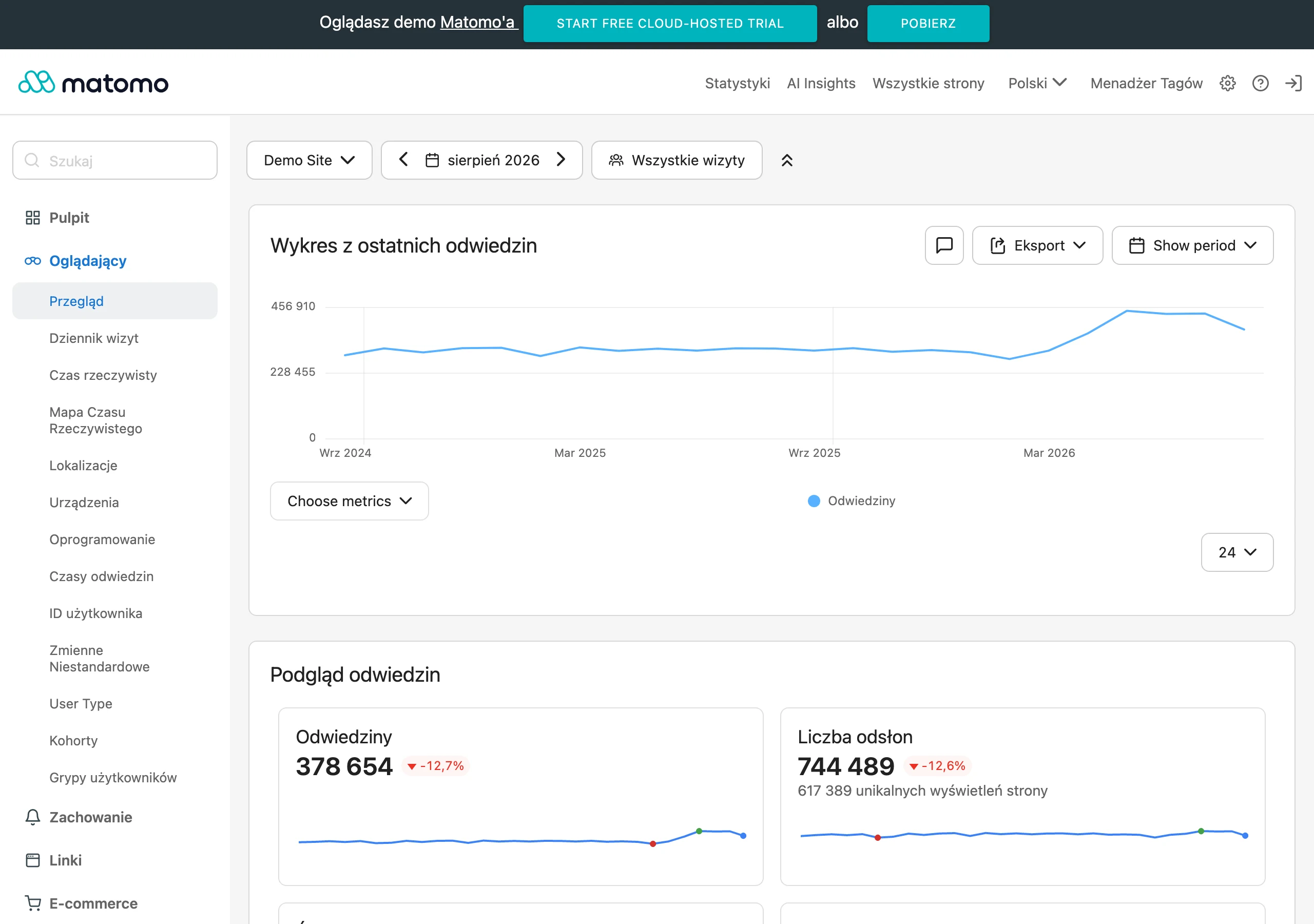
Another important factor is website traffic. Analysing the number of visits, time spent on the site and the bounce rate helps assess whether the content meets users’ needs. In the case of educational institutions, conversion rates are particularly important, such as the number of course sign-ups or recruitment enquiries. These are what show whether SEO activities translate into real business benefits.
Visibility in Google is also crucial. Regularly tracking positions for key keywords and analysing changes in the rankings makes it possible to assess the effectiveness of the activities carried out. Analytics tools also help identify areas that need improvement – for example, slow page loading or a lack of mobile responsiveness.
External and internal linking is also significant. The number and quality of links pointing to the site affect its authority in Google’s algorithms. In the education sector, it is worth aiming to acquire valuable backlinks from education-related sites, which significantly strengthens the website’s position.
Measuring SEO success requires a comprehensive approach – from monitoring rankings and traffic to analysing conversions and link quality. This enables educational institutions to assess the results of their activities effectively and adapt them to the dynamic needs of the market.
Success metrics and their analysis
In the education sector, the effectiveness of SEO activities can be assessed by analysing several key metrics. One of the most important is the site’s position in search results for phrases such as “kursy językowe online” or “studia magisterskie”. With tools such as Google Search Console or Ahrefs, you can track these positions on an ongoing basis and react quickly to changes by introducing the necessary adjustments.
Another important parameter is organic traffic, meaning the number of visits generated by search results. Analysing this metric makes it possible to check whether content optimisation and keywords are delivering the expected results. It is also worth paying attention to the time spent on the page and the bounce rate. These data help assess whether the content on offer is appealing and meets visitors’ needs.
For educational institutions, conversion rates are particularly important, such as the number of course sign-ups or recruitment enquiries. These show whether SEO activities translate into real business benefits. Analytics tools, e.g. Google Analytics, make it possible to track this data and adapt the strategy to current needs.
Visibility in Google is also crucial. Regular monitoring of rankings for key keywords and competitor analysis help identify areas that need improvement – for example, slow page loading or a lack of mobile responsiveness.
The quality and quantity of external and internal links is no less important. Valuable backlinks from education-related sites strengthen domain authority and influence its position in search results. As a result, the site becomes more visible and attracts more potential customers.
Monitoring keywords and visibility in Google
Tracking keywords and visibility in Google is the foundation of an effective SEO strategy, especially in the education sector. By regularly checking a site’s position for relevant phrases such as “kursy językowe online” or “studia magisterskie”, you can assess whether the actions taken are delivering the expected results. For this purpose, it is worth using tools such as Google Search Console or Ahrefs, which make it easier to analyse rankings and introduce the necessary adjustments.
Organic traffic, meaning visits generated by search results, is another important measure of success. It makes it possible to verify whether content optimisation and keyword selection really work. No less important are the time spent on the page and the bounce rate, which show whether the materials on offer engage users and meet their needs.
For educational institutions, conversion rates are also crucial, such as the number of course sign-ups or recruitment enquiries. These are what show whether SEO activities translate into real business benefits. Analytics tools, e.g. Google Analytics, allow you to monitor this data on an ongoing basis and adapt the strategy to changing requirements.
Visibility in Google is another important aspect. Regular analysis of rankings for key keywords and monitoring the competition help identify areas that need improvement – for example, issues with page loading speed or a lack of mobile responsiveness.
The role of external and internal links should not be forgotten either. Valuable backlinks from education-related sites strengthen domain authority and have a positive impact on its position in search results. As a result, the site becomes more visible and attracts a greater number of potential customers.
Monitoring keywords and visibility is not only a way to assess the effectiveness of SEO activities – it is also a tool for continuously improving the marketing strategy of educational institutions.
FAQ
Frequently asked questions
How does SEO help schools and online courses achieve a better ranking in Google?
It helps increase an institution’s visibility in search results and reach more prospective pupils and students. A well-optimised website also builds a professional image and trust.
Why is keyword analysis important in SEO for the education sector?
It allows you to check which phrases future pupils and students use, and then tailor content to them. This makes it easier to create materials that respond to users’ real needs.
Which technical website elements are most important for school or university SEO?
The article points to loading speed, responsiveness on mobile devices and a clear site structure. Also important are a secure HTTPS protocol, an XML sitemap and the robots.txt file.
Do educational content pieces need to include keywords to work in SEO?
Yes, but they should be woven in naturally and without overdoing it. The content should primarily respond to users’ needs, rather than being artificially stuffed with phrases.
When is site responsiveness most important in the education sector?
It is especially important when users are browsing on smartphones and tablets, because the site must work well on different screens. Google favours mobile-friendly websites, so this also affects visibility in search.
How do internal and external linking affect SEO in education?
Linking helps build the site’s authority in Google’s eyes and makes it easier to navigate the website. Educational content recommended by other websites is particularly valuable.