
Increasing traffic in an online store is about improving the visibility of the offer, the quality of the traffic you acquire, and removing the obstacles that stop a user before they reach the product. It is not only SEO or only advertising, because stable growth usually comes from several channels developed in parallel. First it is worth looking at the data, and only then deciding where to allocate time and budget. Without proper measurement of traffic sources, transactions and user behaviour, it is easy to increase costs instead of sales. In practice, the biggest difference is made by well-developed category pages, solid product pages, a well-functioning feed and sensible directing of users to the right landing pages. This area is best treated operationally: analyse, implement, measure and improve iteratively.
What does it mean to increase traffic in an online store?
To increase traffic in an online store means increasing the number of valuable visits, not just boosting the raw number of sessions. If users land by accident, cannot find the product or leave immediately, such growth adds little value. What matters is traffic that matches real purchase intent or consistently leads to it step by step.
In practice, you assess not only how many people entered the store, but also where they came from and which subpage they landed on. Traffic from Google to a category page is viewed differently from traffic from a product campaign, and still differently from returning users from email. A good assessment of traffic starts with the question: which visits lead to adding to basket, a product enquiry or a sale.
Traffic growth rarely spreads evenly across the whole store. Most often it increases in a few areas: specific categories, bestsellers, brand pages, seasonal products or long-tail queries. That is why analysis is carried out at the level of categories, products, keywords, devices and traffic sources, and not only at the level of the whole domain.
This concept also includes the technical quality of the store and the offer itself. A store may have a good assortment, but if pages are not indexed correctly, filters break the URL structure and descriptions are duplicated, organic traffic will remain limited. The same applies in advertising: overly broad targeting and weak landing pages can generate plenty of visits, but of low value.
Results are also influenced by constraints that cannot be ignored. Ad budget, category competitiveness, seasonality, stock availability, image and price quality, and the pace of technical implementation often determine how quickly traffic can grow. First remove the blockers, then scale the sources of visits.
What actions increase visibility and generate visits?
Visibility and the number of visits are usually driven by the parallel work of several areas: SEO, paid campaigns, a refined product feed, content supporting the purchase decision and tools for recovering and re-engaging the user. Rarely is one channel enough, especially in a store with a large number of categories and products. The most reliable results come from combining faster traffic sources with consistent work on organic visibility.
- Technical SEO: indexing, robots, sitemap, canonicalisation, pagination, site speed and structured data.
- Store architecture: clear categories, subcategories, filters, internal linking, breadcrumbs and logical URLs.
- Content: category descriptions, unique product pages, FAQs, buying guides, seasonal and comparison content.
- Paid campaigns: search, product campaigns, remarketing, ads for brands, categories, bestsellers and new products.
- Product feed: correct titles, attributes, prices, stock levels, images, variants and identifiers.
- Returning traffic: newsletter, abandoned basket recovery, availability alerts and audience segmentation.
SEO genuinely increases visibility when the store has a well-structured site architecture and targets specific purchase queries. The greatest potential usually lies in category and subcategory pages, because they best capture demand at the “looking for a product” stage, rather than only “reading about a product”. A blog can be helpful, but it should not replace commercial pages.
Paid campaigns provide a faster inflow of visits, but they only work effectively with proper conversion tracking and a sensible campaign structure. Separating out groups for bestsellers, high-margin products, seasonal products and branded terms makes it easier to control budget and traffic quality. If an advert promises a specific product or category, the user should land exactly on that page, not on the homepage.
The product feed is one of the elements that are most often underestimated. Incorrect prices, missing availability information, overly generic titles or incomplete attributes reduce product visibility in campaigns and comparison sites. This is particularly important where the display of the offer is determined by data quality, rather than just the bid.
Content on product pages and category pages is also very important. The user should quickly understand what the product is, who it was created for, how it differs from alternatives and whether it is available. Content that helps with decision-making increases not only SEO, but also the effectiveness of traffic from ads and comparison sites.
It is also not worth ignoring returning traffic. E-mail marketing, remarketing and stock availability alerts rarely build the first contact with the brand, but they are very effective at closing part of the purchase journey. In stores with a longer decision-making time or frequent stock shortages, this can be an important source of additional visits and sales.
What are the key elements of SEO and content optimisation?
The most important areas of SEO and content optimisation are correct indexing, sensibly designed categories, unique product data, well-thought-out internal linking and content matched to purchase intent. When a store has technical problems, even good descriptions and a content budget will not ensure stable traffic growth. At the start, it is worth checking which pages are indexed, whether there is duplication, 404 errors, incorrect canonicalisation and orphaned subpages. In practice, technical blockers are removed first, and only then is content developed.
In e-commerce, a significant part of organic traffic should land on category, subcategory and brand pages, because they best answer shopping-related queries. A category should clearly communicate what the user will find, offer clear filters, a logical URL and a title aligned with what people are actually searching for. If several subpages compete for the same keyword, the store begins to cannibalise its own visibility. For that reason, it is better to map keywords to specific page types instead of creating many similar subpages without a clear function.
Content in a store works when it supports product selection and shortens the path to purchase. Category descriptions should help users understand the offer, rather than being long text prepared solely for the search engine. Product pages require complete specifications, relevant names, answers to common questions, information about use and photos showing the product in practice. The best content in a store is the kind that improves visibility and makes purchasing easier at the same time.
Blogs and guides can be useful, but they should not displace commercial pages. They work best when they support an earlier stage of the decision-making process, for example comparing variants, choosing a size or material, or solving a specific problem. Such content can capture long-tail traffic and then direct the user to the right category or product. If content does not lead to the offer, it often builds traffic that has no sales value.
Experience quality on mobile also matters, because a large share of visits starts on a phone. A slow store, inconvenient filters and poorly visible product variants reduce SEO results, because the user quickly returns to the search results. That is why content optimisation does not end with the text. It also includes loading speed, section layout, readability of the price, availability and the add-to-basket button.
How to run paid campaigns effectively and optimise product feeds?
Effective paid campaigns and well-optimised product feeds rely on reliable conversion tracking, a precise campaign structure and complete product data. Without trustworthy advertising data, systems learn from incorrect signals and direct budget to ineffective places. First, you therefore need to finalise measurement and make sure that transactions, order values, micro-conversions and traffic sources are being recorded correctly. If measurement is wrong, campaign optimisation becomes guesswork.
The campaign structure should result from the logic of the store and the level of margin, not solely from how convenient it is to set up ads. In practice, it pays to separate brand campaigns, category campaigns, bestsellers, remarketing and product-focused activity, because they have different objectives and different quality signals. Seasonal products, new releases and high-margin goods usually need separate budgets and tailored messaging. Combining too broad a range of products makes it harder to control costs and to assess reliably what is actually delivering results.
Landing page should match what the advert promises and what the user is actually searching for. An ad for a specific model should lead to the product page, and a message about a broader group should lead to a well-prepared category. A common mistake is sending traffic to the homepage or to too general a category, where the user has to start the search from scratch. As a result, the quality of visits drops, even if the number of clicks looks good at first glance.
The product feed largely determines whether the advertising platform properly understands the store’s offer. Product titles should include key information such as the brand, product type, differentiating feature and variant, but without stuffing in keywords unnaturally. Descriptions, attributes, identifiers, images, prices and availability must match what appears on the product page. In product campaigns, feed quality often has a greater effect than changing bids alone.
The biggest problems are outdated stock levels, poor product names, missing attributes and weak images. The algorithm then receives too little data to match the offer to the query accurately, and the store loses reach for products it could actually sell. A good practice is regular feed cleanup, excluding problematic items and filling in data for products with the greatest potential. Not every SKU needs the same exposure, and not every one should receive the same budget.
Campaign assessment should not be reduced to cost per click and the number of visits. It is worth checking which ad groups and which products attract new users, generate add-to-basket actions and support sales, including when the purchase happens later. In practice, the best results come from continuous iteration: turning off weak queries, refining targeting, improving the feed and shifting budget to the categories and products that are actually in demand.
What are the most important aspects of analysing and measuring traffic quality?
In analysing traffic quality, the key is to determine which visits genuinely lead to sales or move people closer to purchase, and which merely inflate session counts. A simple rise in visits means little if users leave quickly, do not browse the offer, or land on irrelevant pages. That is why traffic should be assessed in parallel by source, landing page, device, category and business outcome. First you tidy up measurement, and only then draw conclusions about channel performance.
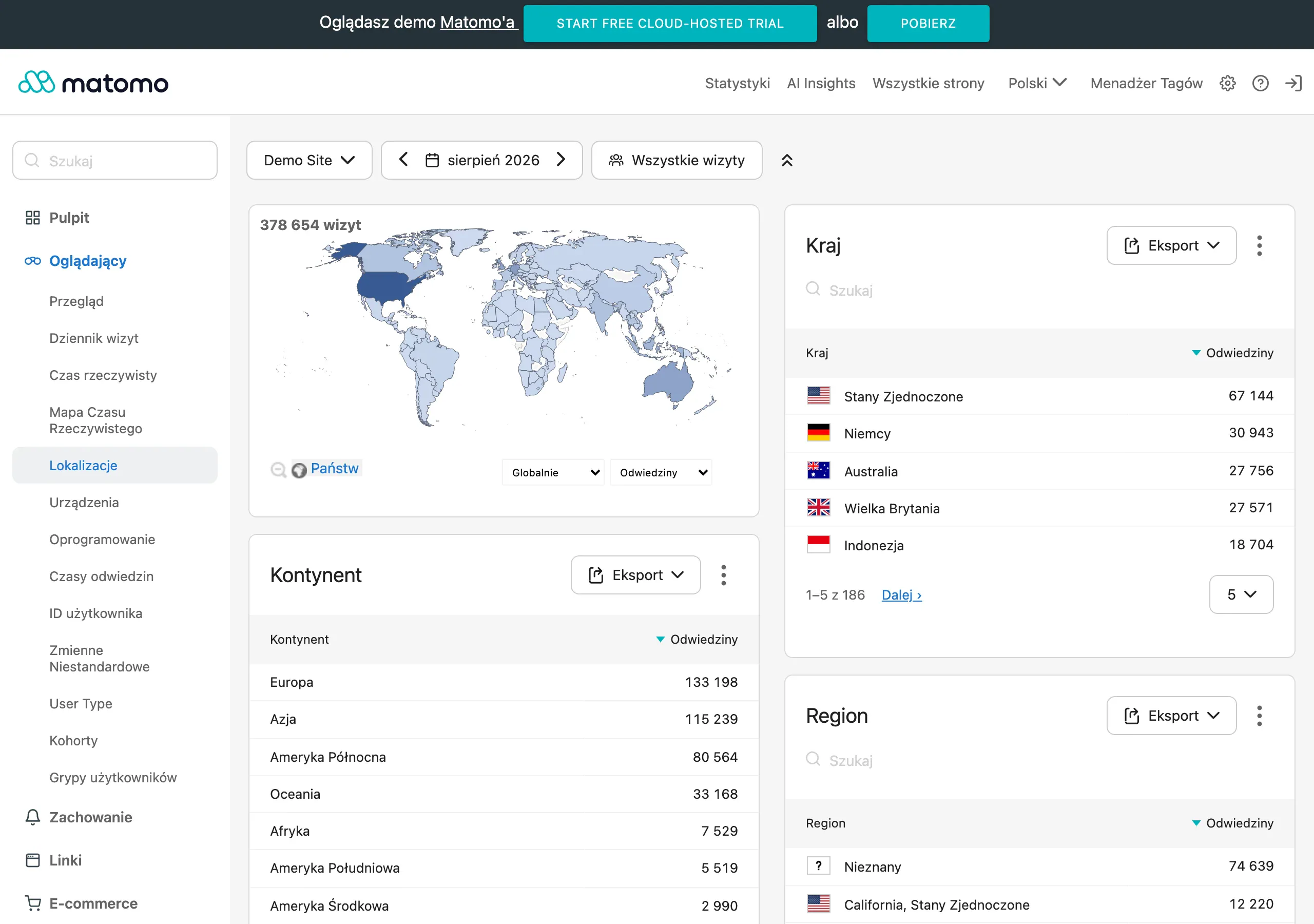
The foundation is reliable tracking of transactions, revenue, add to basket, checkout starts, newsletter sign-ups and other micro-conversions. When these events are implemented incorrectly or attributed to the wrong sources, both campaigns and SEO analysis rely on distorted data. In practice, it is worth checking whether integrations with analytics and advertising systems are working, and whether UTM tagging is consistent. Without this, it is easy to overrate a channel that generates a lot of visits but attracts low-quality traffic.
Solid analysis should not stop at the conversion rate alone. It is also worth taking into account the share of new users, engagement, visit depth, add-to-basket rate, revenue per session and assisted sales. A channel that converts less effectively on the first visit may work well as a product discovery stage and support a later purchase. This is particularly important in stores with a longer decision-making path or higher product prices.
It is worth breaking the analysis down by category, product and landing pages, because averages for the whole store often mask the problem. One category may have very good organic traffic, while another burns through budget in ads because of poor query matching and an underdeveloped product page. The same happens on mobile and desktop, where user behaviour can differ markedly. If you do not segment the data, it is easy to optimise the area that is not actually limiting growth.
Consistency between the traffic source and the entry page is also important. An advert for a specific model should lead to the product page, an advert for a product range to the category, and an informational query to content that supports the decision. When intent, creative and landing page do not match, bounce rates rise and traffic quality falls even when the number of clicks is high. Entry quality can often be improved faster by better landing page matching than by simply increasing the budget.
In practice, it pays to compare data from several places: analytics, Search Console, advertising systems, the product feed and the store itself. Only such a cross-section shows whether the problem is low demand, limited visibility, feed errors, product unavailability or overly broad campaign targeting. This picture makes it easier to set priorities: what to fix first, what to scale and what to switch off. The best decisions come not from a single report, but from comparing traffic quality with actual sales and margin.
What technical and content issues most often limit traffic?
Traffic is most often blocked by problems that hinder indexation, reduce the page’s relevance to the query, or damage the usability of the entry page. Even a good range and a sensibly set advertising budget will not help if the store has important subpages blocked, duplicate content or poor product data. Some faults reduce organic visibility, while others worsen campaign performance and the quality of paid traffic. In practice, these areas usually overlap.
- categories, products or brand pages excluded from indexing by an incorrect robots, noindex or canonicalisation,
- orphaned pages and weak internal linking, which means key subpages are poorly discovered by users and bots,
- duplicate product descriptions, similar filter and variant subpages without real, unique value,
- 404 errors, redirect chains and outdated URLs after changes to the offer,
- slow mobile templates, overly heavy images and filters that are awkward to use on a phone,
- thin product titles, missing attributes, poor images, out-of-date prices or stock levels,
- mass-produced content targeting keywords that does not help the user choose a product.
One of the most common problems remains an unthought-through store structure. When categories are too shallow, too broad or do not reflect how users search for products, the store loses traffic on purchase-intent queries. The same applies to filters and brand pages, which can be a valuable source of visits, but only when they are sensibly organised and available for indexing. With poor architecture, even good content has no room to deliver results.
Another significant barrier is poor data on product and category pages. If a product has a generic title, a short description without features, missing specifications and low-quality images, it loses out in both SEO and product campaigns. Ad algorithms and search engines need clear signals about what the product is, who it is for and how it differs from competing offers. In e-commerce, the quality of product data very often determines whether the store will appear for the right queries at all.
Content can also hold back growth when it is duplicated or does not match user intent. Category descriptions written solely for keywords, without genuinely helping with choice, rarely improve traffic quality. A similar effect comes from creating many almost identical subpages for similar queries, which ends in keyword cannibalisation and dispersed visibility. It is better to have fewer pages, but with clearly different scopes and responses to a specific user need.
A separate issue is outdated elements of the offer. Unavailable products without sensible redirects or alternatives, old promotions, incorrect prices and inconsistent information between the site and the feed reduce trust and the effectiveness of traffic acquisition. A user may click an ad or an organic result, but they will not stay on the site if they immediately see clutter or inconsistency in the offer. Regularly updating the offer and content is often a simpler way to improve results than adding more channels.
The most sensible approach is to remove errors according to how they affect traffic and sales. First of all, it is worth resolving indexing, redirects, site speed and product data, because these can block the entire store from functioning properly. Only then does it make sense to develop new content, expand categories and scale campaigns. When the technical foundation is weak, every additional channel will perform below its potential.
What strategies support returning traffic and customer retention?
Returning traffic and customer retention are driven primarily by well-configured email scenarios, remarketing, post-purchase communication and concrete reasons to come back. A user returns when they receive a relevant prompt at the right moment, and the click leads to a place consistent with their earlier interest. In practice, behaviour-based actions work best: viewed products, abandoned basket, purchased category, price drop, renewed availability or the natural need to make another purchase. Coming back to the store is rarely the result of a single newsletter; more often it stems from a well-designed sequence of touchpoints.
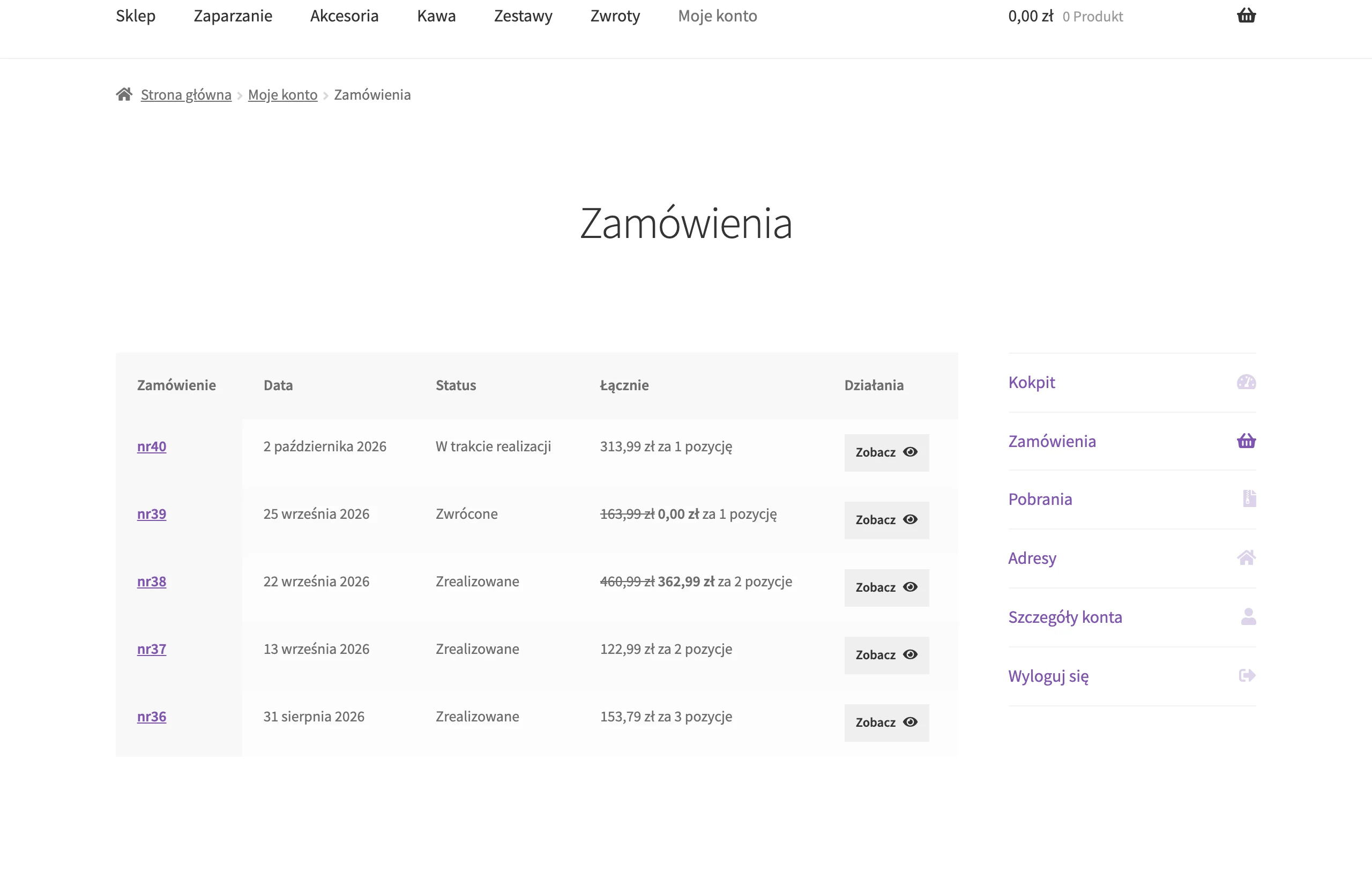
The biggest gains come from automations triggered by a specific user action. Most often this means recovering abandoned baskets, reminders after interrupted product browsing, availability alerts and messages sent after purchase. Such traffic usually has better quality than broad reach campaigns, because it relates to an already identified need. If the store sells products bought regularly, it is also worth implementing repurchase reminders.
Remarketing works when it is precise and varied. It is worth communicating separately with people who viewed a category, separately with those who were on a product page, and differently again with customers after purchase. Overly broad audiences and the same creatives for everyone quickly reduce effectiveness and increase the cost of acquisition. It is better to promote a specific product, variant or category than to return to the user with a general message about the whole store.
The destination after the click is also highly important. If the message concerns a product that is available again, the entry should lead to its product page, not to the homepage or a general category. The same applies in campaigns for returning customers: a message about a new collection should direct them to that collection, and a reminder about a brand should point to that brand’s page. A mismatch between the message and the landing page reduces the chance of return more than the acquisition channel itself.
Retention does not result solely from marketing communication. A customer is more likely to come back when the store has transparent order handling, a sensible delivery time, up-to-date stock levels and easy contact after purchase. In practice, transactional messages, a customer centre, convenient returns and up-to-date information on order status also encourage repeat visits, because they build trust and lower the barrier to the next purchase. A discount alone will not compensate for poor service or keep the customer for longer.
The best results come from segmenting customers by recency of contact, purchase frequency and interest in specific categories. Communication with a new customer after the first order is managed differently, differently again with an active customer, and differently still with a user who has not returned for several months. This prevents overloading the database with too frequent sends and burning remarketing budget on people who do not respond. Retention is improved by message relevance, not by the number of campaigns sent.
It is worth tracking not only the number of returns, but also their quality. The most useful metrics are the share of returning users, repeat purchases, revenue from automations, recovered baskets, time from first visit to purchase, and effectiveness by category and device. Such measurement shows which scenarios genuinely build value and which merely add traffic without translating into sales.
FAQ
Frequently asked questions
How can you increase traffic in an online store without burning through budget?
First you need to check the data and remove technical blockers and measurement issues. Only then is it worth scaling the channels that drive valuable visits and sales.
Which actions most increase an online store's visibility in Google?
The biggest effect comes from combining technical SEO, strong category pages, unique product pages and content matched to search intent. Paid campaigns and a well-optimised product feed are also helpful.
Is a blog alone enough to increase traffic in an online store?
No, a blog can support the purchasing decision, but it should not replace offer pages. In e-commerce, category, subcategory and product pages work better, because they capture real demand.
Why is measuring traffic in an online store so important?
Without properly tracking transactions, traffic sources and user behaviour, it is easy to treat a channel as effective when it only increases the number of sessions. Good measurement shows which visits lead to baskets and sales.
When do paid campaigns start to genuinely help increase traffic?
When they have conversion tracking set up correctly and are run in a sensible structure, with separate campaigns for brand, categories, bestsellers or seasonal products. Traffic is also better if the ad leads to the right landing page rather than the homepage.
What in the product feed has the biggest impact on traffic from ads and comparison sites?
Above all, correct titles, attributes, prices, stock levels, images and identifiers matter. Gaps in the data or out-of-date information reduce product visibility and make it harder to match the offer effectively.