

In today’s digital reality, where most customers search for building and renovation services online, effective SEO has become an essential tool for companies in the construction industry. Website optimisation, investing in local keywords such as “firma budowlana Warszawa” (construction company Warsaw), and creating valuable content are the key to increasing visibility, generating organic leads, and securing new contracts. Find out how to make your company stand out from the competition and strengthen its market position thanks to SEO!
SEO in the construction industry – How construction and renovation companies can gain more contracts with SEO
SEO in the construction industry is a key pillar of a modern marketing strategy. For companies specialising in construction and renovation, it offers the opportunity to acquire more customers. In the digital age, where most people look for contractors online, effective SEO is not only a way to stand out, but a necessity. With properly executed SEO activities, businesses can significantly improve their visibility in search results, which directly translates into an increase in enquiries and completed projects.
One of the most important elements is local SEO. Customers often look for contractors in their area, so optimisation for phrases such as “firma budowlana Warszawa” or “remonty Kraków” (renovations Kraków) is crucial. This enables the company to appear not only in Google’s organic results, but also on maps and in local advertising packs.
Another key aspect is generating organic leads. Creating valuable materials, such as renovation guides or descriptions of completed projects, attracts potential customers searching for specific services. Additionally, being active on social media – regularly posting photos or videos of projects – increases audience engagement and strengthens brand recognition.
One should not forget about the technical side of SEO. Page loading speed, intuitive navigation, and a responsive design tailored to mobile devices are absolutely essential. The majority of users browse websites on smartphones, so your site must be functional and easy to use on any device.
Effective SEO for construction companies is a combination of local optimisation, creating valuable content, and attention to the technical aspects of a website. These activities not only improve visibility online but also help win more contracts and strengthen market position.
- 01Increase visibilityThe key to new customers
- 02Local SEOFind clients in your area
- 03Modern marketingA necessity in the digital era
- 04Increase in enquiriesMore leads, more contracts
- 05Project deliveryResults that make a difference
An effective SEO strategy is the foundation for acquiring clients and developing construction companies online.
The specifics of the construction industry and SEO
The construction industry has specific characteristics that significantly affect SEO strategy. It is a complex sector, combining both services and the sale of materials, and each of these fields requires an individual approach to optimisation. For example, renovation companies should focus on local keywords, such as “remonty Warszawa” or “firma budowlana Kraków”, to attract clients from specific regions. Meanwhile, businesses supplying materials can concentrate on product-related keywords, e.g. “płyty gipsowe” (plasterboard) or “farby do wnętrz” (interior paints).
Seasonality also plays a key role here. Most enquiries regarding renovations or construction arise in the warmer months, so it is worth aligning campaigns with these periods. Stepping up activities in spring and summer usually brings better results than in the winter months.
Company experience is another important factor influencing SEO effectiveness. Firms with a long history can use their project portfolio as an advantage. Creating content based on case studies or customer guides not only builds brand authority, but also attracts organic leads.
It is also worth keeping track of current trends in construction, such as eco-friendly solutions or smart homes. Introducing keywords related to modern technologies can help your company stand out among competitors, especially for clients seeking innovative solutions.
The specifics of the construction industry require a flexible approach to SEO. You should consider both local customer needs, seasonality, and current market trends. This makes your efforts more effective and better aligned with the realities of the market.
The benefits of SEO for construction companies
The benefits of SEO for construction companies are immeasurable and cover many aspects of their business. First and foremost, effective SEO significantly improves local visibility. In the construction industry, clients often search for contractors in their area, so optimising for local keywords, such as “firma budowlana Warszawa” or “remonty Kraków”, enables businesses to appear in Google search results and on the maps. As a result, they attract potential customers from their immediate surroundings.
Another significant advantage is building the brand’s authority. Regularly publishing valuable content, such as renovation guides or case studies of completed projects, increases trust and enhances the company’s reputation. As a result, brand recognition grows and the number of enquiries steadily increases.
SEO is also an effective tool for generating organic leads. A well-optimised website combined with carefully selected keywords attracts users seeking specific services. This directly translates to a higher conversion rate and more projects won.
It is worth noting that SEO is one of the most cost-effective marketing channels. Unlike paid advertising, the effects of SEO activities are long-lasting. This means a consistent flow of new clients without the need to incur additional costs.
Additionally, optimising a website for SEO improves the user experience. Fast site loading, intuitive navigation and a responsive design make potential clients more willing to use the company’s services. This is particularly important in the digital era, where most users browse sites on mobile devices.
- 01Local visibilityReaching clients in the area
- 02Higher ranking in MapsBetter visibility in Google Maps
- 03Building authorityIncreased trust and reputation
- 04More enquiriesAttracting new potential customers
SEO effectively connects construction companies with local clients, building trust and increasing the number of enquiries.
Increasing local visibility and brand authority
Increasing local visibility and building brand authority are key benefits that SEO offers for construction firms. By optimising for local keywords such as “firma budowlana Warszawa” or “remonty Kraków”, businesses can appear in Google search results and on the maps. This is an effective method to reach customers from the immediate area, who often look for contractors within their region.
An extremely important tool here is a Google Business Profile. Its proper setup and regular updates significantly boost the brand’s visibility in local results. In addition, positive customer reviews and photos of completed projects strengthen trust, leading to a greater number of enquiries.
Building brand authority is another important aspect. Regularly publishing valuable content, such as renovation guides and descriptions of completed projects, positions the company as an expert in the field. This not only attracts potential clients, but also increases brand recognition in the market.
Local SEO is also an effective tool for generating organic leads. A well-optimised website with carefully selected keywords attracts users searching for specific services. This directly leads to a higher conversion rate and more projects delivered.
It is worth emphasising that the effects of SEO activities last for a long time, which makes it one of the most cost-effective marketing channels for construction companies.
Generating organic leads and increasing conversions
For construction companies investing in SEO, generating organic leads and increasing conversion is a priority. High positions in search results for competitive keywords allow the business to attract more potential customers without having to spend money on paid ads. To succeed, you need to understand search engine algorithms and create content that truly meets users’ needs.
Optimising for local keywords is crucial, such as “firma budowlana Warszawa” or “remonty Kraków”. Thanks to this, businesses appear not only in Google’s organic results, but also on maps and in local ad packs. This results in more enquiries and projects delivered.
Valuable materials, such as renovation guides and presentations of completed projects, attract clients seeking specific services. Activity on social media – regularly posting photos or videos of projects – further increases audience engagement and builds brand recognition.
However, you cannot forget about the technical aspects of your website. Loading speed, intuitive navigation and a responsive design tailored for mobile devices are absolutely essential. Most users browse websites on smartphones, so your site must be functional and easy to use, regardless of the device.
Effective SEO for construction companies is a combination of local SEO, creating valuable content and a focus on the technical aspects of the website. These activities not only increase your online visibility, but also help you win more contracts and strengthen your market position.
- 01Site structureLogical headings (H1-H6) and content layout
- 02Intuitive navigationClear menu and easy navigation
- 03Mobile optimisationEssential for smartphone users
The key to higher search rankings and a better user experience.
How to effectively optimise a construction company website for SEO?
Effective SEO for a construction company website is a process that requires a well-thought-out strategy, taking into account the specifics of the industry and the needs of local audiences. The key starting point is choosing the right keywords. It’s worth targeting both general phrases and more specific long tail terms that respond precisely to user queries. For example, phrases such as “firma budowlana Warszawa” or “remonty Kraków” are effective at attracting clients from a given region.
No less important is analysing your competitors’ activities. Looking at what SEO techniques other construction businesses use allows you to tailor your own strategy more effectively. You should pay attention to the keywords they use, website structure and the type of content they publish. This lets you identify areas where you can stand out and gain an advantage.
Creating content that delivers value for your audience is another pillar of effective SEO. In the construction industry, educational materials are especially important—guides to renovation or presentations of completed projects. Such publications not only attract potential clients, but also build your reputation as an expert in the field. Regularly adding new blog posts or case studies further increases the appeal of your site.
Building a backlink network is another factor influencing SEO effectiveness. Backlinks from reputable industry sites or local online directories increase your site’s credibility in the eyes of search engines. It’s also worth collaborating with local media or bloggers to earn more valuable links.
You should also pay attention to technical site optimisation. Fast loading, responsive design and intuitive navigation have a direct impact on user experience and search result rankings. It’s also important to set up your heading structure (H1-H6) and meta tags correctly, helping Googlebots better understand your site’s content.
Finally, local SEO plays a key role for construction companies. Optimising for location-based keywords and correctly configuring your Google Business Profile are proven ways to increase visibility online. Regularly updating your profile with customer reviews and project photos further strengthens trust in your brand.
Effective SEO for a construction company’s website combines the right choice of keywords, competitor analysis, creation of valuable content, and attention to technical aspects of the site. Thanks to these efforts you can not only boost your online visibility, but also win more contracts and strengthen your position on the market.
Selecting the right keywords
Choosing the right keywords is the basis of successful SEO for construction companies. In this competitive industry, relevant phrases can substantially improve search result visibility. You should consider two types of keywords: general and long tail.
General keywords like “firma budowlana” or “remonty” (renovations) attract a broad audience, but are harder to rank for due to high competition. By contrast, long tail phrases such as “firma budowlana Warszawa” or “remonty mieszkań Kraków” are less competitive and better match the needs of local clients.
Competitor analysis is also crucial. Checking which keywords other companies use helps you find niches and exploit untapped opportunities. Tools such as Google Keyword Planner and SEMrush make it easier to select phrases with the greatest conversion potential.
Don’t forget about local queries. Clients often look for contractors in their area, so keywords containing city or district names are particularly valuable. For example, phrases like “remonty Łódź” or “budowa domów Gdańsk” can effectively attract a local audience.
It’s also worth keeping an eye on seasonal trends. Interest in renovations and house construction increases in spring and summer, so it’s a good idea to intensify SEO efforts related to these services during this period.
Effective keyword selection requires a combination of competitor analysis, consideration of local needs, and monitoring of market trends. This allows you to increase your website visibility and attract more potential customers.
Competitor analysis in SEO for the construction industry
Competitor analysis in SEO for the construction sector is a key element of an effective SEO strategy. It not only helps you understand what steps other companies are taking, but also uncovers which keywords bring them the greatest benefits. This makes it possible to precisely adjust your own actions and find niches where it’s easier to gain a competitive edge.
The first step is researching the keywords used by your competitors. Using tools such as SEMrush or Ahrefs, you can track which phrases generate the most traffic to their sites. It’s especially worth paying attention to long-tail keywords, which, although less competitive, often respond better to the specific needs of users.
Another important aspect is analysing the website structure of your competitors. Reviewing the organisation of subpages, the headings (H1-H6) used, and the navigation system can provide valuable inspiration for optimising your own site. It’s also worth looking at the types of content being published—whether these are guides, case studies, or descriptions of completed projects.
Backlinks are equally important. Analysing the sources of backlinks leading to competitors’ sites can help identify valuable partnerships and new opportunities for acquiring links. In the construction industry, links from local business directories or specialist portals can prove particularly valuable.
A key element is also local SEO. Analysing your competitors’ Google Business Profile listings and their visibility in local search results provides valuable insights into effective local SEO strategies. Pay attention to the number and quality of customer reviews, as well as how they present their offer.
Thanks to comprehensive competitor analysis, construction companies can better tailor their SEO activities to the realities of the market. This not only increases online visibility, but also helps attract more potential customers and strengthen their position within the industry.
Creating valuable content and unique descriptions
Creating valuable and unique content is the key to effective SEO in the construction industry. Good materials not only attract potential customers but also increase on-site engagement and help achieve better rankings in search engines. Educational content is particularly important here, such as renovation guides, tips on choosing materials or presentations of completed projects. These types of resources not only meet the needs of your audience but also position your company as a specialist within the field.
Service descriptions, e.g., “remonty mieszkań Kraków” or “budowa domów Warszawa”, should be detailed and include specific information about your offering. Be sure to emphasise the location, the specific nature of the services provided, and the benefits for the client. This way, the content is better aligned with user queries and increases the chance of conversion.
Regularly publishing new blog posts, case studies, or guides further increases the appeal of your website. Don’t forget the importance of unique meta tags, which greatly impact your site’s visibility in Google. For example, a meta description such as “Profesjonalna firma budowlana z Warszawy – remonty mieszkań i domów” can effectively capture users’ attention.
Valuable content is also a way to obtain backlinks from other industry sites or local business directories. This, in turn, increases your site’s credibility in the eyes of Google’s algorithms, resulting in higher search ranking positions.
Building a backlink network
Building a backlink network forms a key pillar of an SEO strategy for construction companies. Links from trustworthy and thematically related sites increase your domain authority, which directly impacts higher positions in search engine results. In this sector, acquiring links from local directories, specialist portals, and partner sites is particularly important.
One effective method for obtaining backlinks is establishing partnerships with local media or bloggers. Sponsored articles, interviews, or guest publications can provide valuable links. Creating content that naturally attracts links—such as practical renovation guides or showcases of successful projects—is also highly effective.
It’s also worth getting involved in local initiatives, such as competitions or charity events, which are often covered by regional media. Such activities not only reinforce the company’s image but also generate natural backlinks.
Don’t forget to optimise your Google Business Profile listing. A correctly configured profile increases your brand’s visibility in local search results and attracts potential clients.
Building a backlink network is a process that requires time and consistency, but its effects are lasting and significantly improve a website’s position in search engine results.
Website SEO optimisation – the key to success
Website optimisation for SEO is a key element of effective optimisation, especially in the construction industry. It consists of several important aspects which affect both visibility in search results and user experience.
The foundation is an SEO-friendly site structure and navigation. The website should be intuitive for both search engine robots and visitors. Well-structured headings (H1-H6), a logical content layout, and a clear menu are crucial, as they make it easier to move around the site. As a result, Google’s crawlers can index the content more efficiently, contributing to higher positions in search results.
You cannot neglect mobile optimisation, which is now essential. Over 60% of users browse websites on smartphones or tablets, so the site must be responsive – adapted to different screen sizes. Equally important is loading speed: websites that take longer than 3 seconds to load are often abandoned by visitors.
Another essential element is meta tags and headings. Title tags and meta descriptions should contain relevant keywords and encourage clicks. For example, a meta description like “Profesjonalne remonty mieszkań w Warszawie – szybko i solidnie” (Professional flat renovations in Warsaw – fast and reliable) can effectively attract the attention of potential clients.
It is also worth paying attention to image optimisation. Graphic files should be properly compressed so they do not slow down the site, and have alt attributes with descriptions containing keywords. This not only improves accessibility for people using screen readers but also impacts image search SEO in Google.
Technical optimisation also includes website security. Implementing the HTTPS protocol is now a standard that increases user trust and is one of Google’s ranking factors. Regular software updates and monitoring for technical errors (e.g. using Google Search Console) help keep the website in good technical condition.
For construction companies, local SEO is particularly important. Optimising for local keywords (e.g. “firma budowlana Warszawa”) and properly configuring a Google Business Profile increases the chances of appearing in local search results and Google Maps. Additionally, it is worth ensuring the consistency of NAP data (company name, address, phone number) across all online directories.
Optimising a website for SEO is a comprehensive process covering both technical and content aspects. Thanks to this, construction companies can increase their online visibility, attract more potential clients and strengthen their position in both the local and national market.
SEO-friendly site structure and navigation
Site structure and intuitive navigation play a key role in website SEO. A well-organised site not only makes it easier for users to get around, but also helps search engine bots efficiently index the content. This directly affects the experience of visitors and ranking in Google results.
The basis is a logical heading hierarchy (H1-H6). The H1 heading, as the main page title, should include the most important keywords. Subsequent subheadings (H2, H3, etc.) organise the content, making it easier for both readers and algorithms to understand the topic. For example, for a construction company, the H1 could be “Profesjonalne remonty mieszkań w Warszawie”, and H2 subheadings – “Usługi remontowe” or “Realizacje projektów”.
Equally important is clear navigation. The menu should be simple and intuitive so users can quickly find the information they need. Breadcrumbs are worth using, as they show the navigation path, e.g. Strona główna > Usługi > Remonty mieszkań. This structure not only improves user experience but also helps Google robots better understand the organisation of the website.
Internal linking is another important aspect of SEO optimisation. Creating connections between subpages using appropriate anchor text increases the page’s value in the eyes of search engines. For instance, an article about flat renovations may include a link to the construction company’s offer with the anchor text “sprawdź naszą ofertę remontową”.
You should not overlook responsive design, which allows the site to adapt to different mobile devices. Over 60% of users browse sites on smartphones, so your website must work smoothly regardless of screen size.
The final key element is loading speed. Sites that take longer than 3 seconds to load often lose visitors before the content is even displayed. Optimising images by compressing files and minimising CSS and JavaScript code can significantly improve the site’s performance.
Thanks to a well-designed structure and navigation, construction companies can increase their website’s visibility and attract more potential customers looking for renovation or construction services in their local area.
Mobile optimisation and loading speed
Mobile optimisation and loading speed are key factors affecting SEO effectiveness, especially in the construction industry. More than half of users browse websites on smartphones or tablets, so responsive design has become an essential requirement. The site must smoothly adapt to different screen sizes, ensuring a comfortable user experience regardless of device.
Page load speed is hugely important for the user experience. Research shows that pages taking longer than 3 seconds to load are often abandoned by users. To avoid this, it’s worth optimising images through file compression and simplifying CSS and JavaScript code. For construction companies this is particularly crucial – clients are often searching for contractors urgently, and a slow site can put off potential customers.
Don’t overlook the technical aspects of mobile optimisation either. Proper display of content on smaller screens and intuitive navigation are vital for success. A user-friendly mobile website not only increases the chances of conversion but also has a positive impact on your visibility in Google’s search results. After all, every detail matters!
Meta tags and headings
Meta tags and headings play a key role in website optimisation for SEO, especially in the construction industry. They help search engines better understand the content of your site, which translates into higher positions in search results.
Meta tags, such as the page title (title tag) and meta description, should be precisely matched to the company’s activity. For example, for renovation services in Warsaw, a title might be: “Profesjonalne remonty mieszkań Warszawa – szybko i solidnie”. The meta description should be crafted to encourage clicks, e.g. “Oferujemy kompleksowe remonty mieszkań w Warszawie. Sprawdź naszą ofertę i skorzystaj z darmowej wyceny!”
Headings (H1-H6) are just as important. H1 is the main title of the page and should include key phrases related to the company’s business. Further headings (H2, H3 etc.) structure the content, making it easier for both users and Google bots to understand the topic. For example, for a construction company, the H1 might be: “Profesjonalne usługi budowlane i remontowe”, and H2 subtitles – “Remonty mieszkań” or “Budowa domów”.
It is crucial to ensure consistency between meta tags, headings and the page content. This not only increases the site’s visibility in search results but also attracts the right customers, leading to more conversions.
Local SEO for construction companies
Local SEO is an indispensable element of the marketing strategy for construction companies looking to reach customers in their region. In this industry, most jobs come from the immediate area, so optimisation for local keywords is key. This approach allows businesses to appear in Google search results and on maps, translating into more opportunities to acquire new clients.
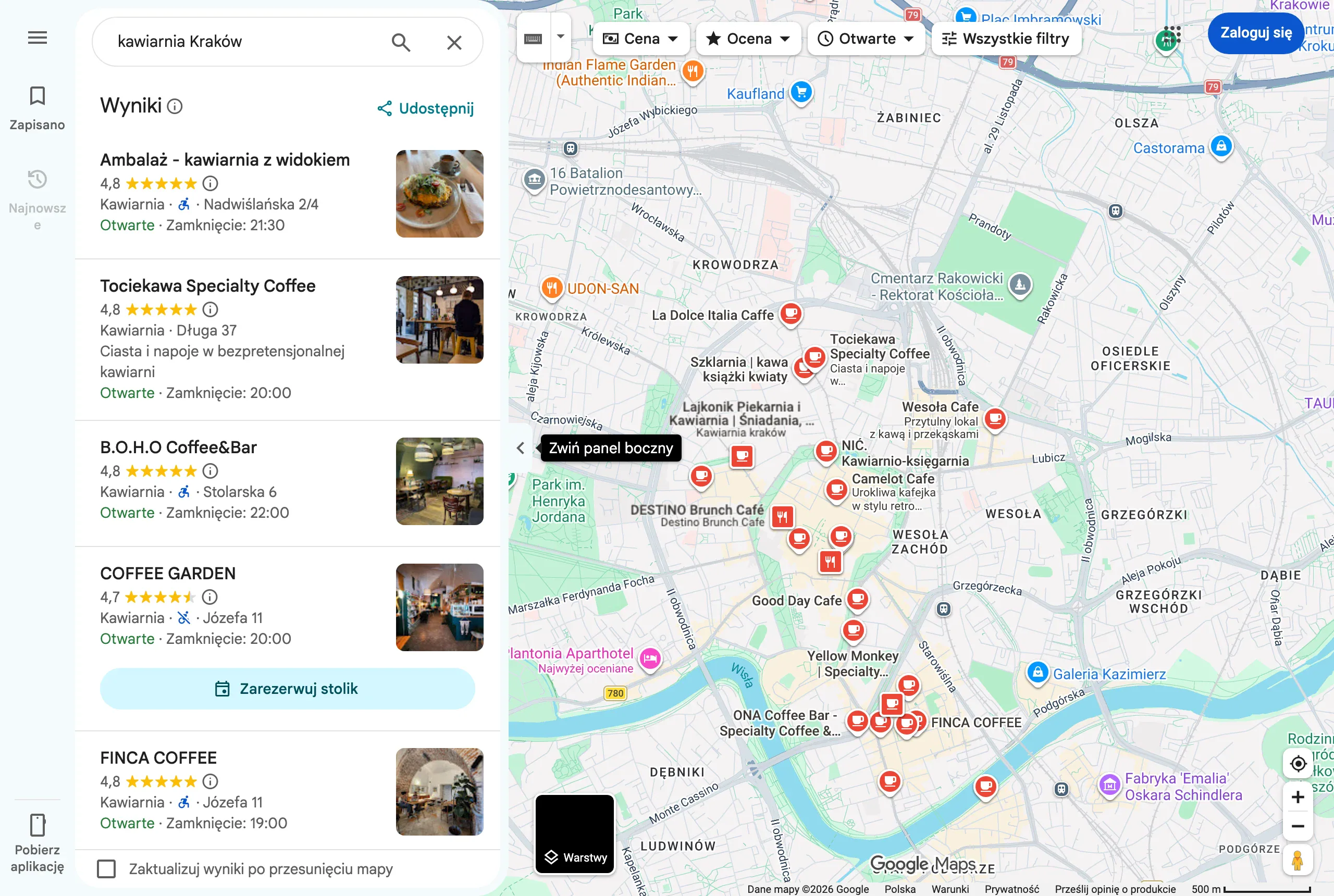
One of the most effective tools in local SEO is Google Business Profile. The company profile should be carefully set up, regularly updated, and supplemented with photos of completed projects. This not only increases visibility but also builds trust with potential clients. Positive reviews from previous customers further strengthen your brand image.
It’s also essential to use local keywords, such as “firma budowlana Warszawa” or “remonty Kraków”. These phrases should be included not only on the homepage, but also in service descriptions, blog articles, and meta tags. This will help your site rank better in search results for the specific area.
Creating location pages is another step towards success. Every town or city where the company operates should have a dedicated subpage with information about the offer, address, and contact details. Such a solution makes it easier for both users and Google algorithms to understand the scope of the company’s business.
It’s also worth getting involved in local initiatives, such as taking part in trade fairs or collaborating with other businesses in the region. These activities not only build brand authority, but also generate natural backlinks from local websites, which has a positive impact on online visibility.
An effective local SEO strategy for construction companies is based on several pillars:
- optimising the Google Business Profile,
- using the right keywords,
- creating content targeted at audiences in the given region.
Thanks to these activities, businesses can significantly increase their online presence and attract more local customers.
The role of local SEO in the construction industry
Local SEO plays a key role in the construction sector, where most customers look for contractors in their immediate vicinity. Optimisation for phrases such as “firma budowlana Warszawa” or “remonty Kraków” allows companies to increase their visibility both in Google search results and on maps. This, in turn, leads to more enquiries and completed projects.
One of the most effective tools in local SEO is Google Business Profile. A profile regularly updated with photos of completed work and customer reviews builds trust with potential clients. Moreover, positive feedback strengthens the brand image, which directly impacts conversions.
An important element of the strategy is also the use of local keywords. Phrases containing town or district names attract customers from a specific region. For example, queries such as “remonty Łódź” or “budowa domów Gdańsk” (home construction Gdańsk) effectively reach the local audience. It is worth placing these not only on the homepage, but also in service descriptions and blog articles.
The next step is creating location pages. Each town where the company operates should have a dedicated subpage containing information about the offer, address and contact details. This solution makes it easier for both users and Google’s algorithms to understand the company’s scope of activity.
Being involved in local initiatives, such as taking part in trade fairs or partnering with other regional businesses, also boosts online visibility. Such activities not only build the brand’s authority but also generate natural backlinks from local websites.
An effective local SEO strategy for construction companies is based on optimising the Google Business Profile, using relevant keywords and creating content addressed to audiences from the given region. With these actions, businesses can significantly increase their online presence and attract more local clients.
How to implement a local SEO strategy?
Introducing an effective local SEO strategy for construction companies is a process that can significantly improve visibility in search results for a specific area. A key element is optimising the Google Business Profile. Make sure it contains up-to-date contact details, address, opening hours and photos of completed projects. Regular updates and encouraging clients to leave positive reviews not only build trust in the brand but also affect its ranking.
Another important step is using local keywords. Phrases such as “firma budowlana Warszawa” or “remonty Kraków” should appear not only on the homepage, but also in service descriptions, blog posts and meta tags. This way, the website performs better in search results for the specified region.
Creating dedicated location pages is another important practice. Each town where the company operates should have its own subpage with information about the offering, address and contact details. This solution makes it easier for both users and Google’s algorithms to understand the company’s scope of activity.
Don’t forget about NAP data consistency (business name, address, phone number) across all online directories and social media channels. This not only increases the website’s credibility in the eyes of search engines but also makes it easier for customers to contact the company.
It’s also worth making use of schema markup, which helps Google’s bots interpret company information more clearly. For example, the “LocalBusiness” markup can include details such as company name, address or the type of services provided.
Engagement in local initiatives, such as participating in trade fairs or collaborating with other regional businesses, is also important. These actions not only build brand authority but can generate natural backlinks from local websites.
An effective local SEO strategy for construction companies is based on optimising the Google Business Profile, using relevant keywords and creating content addressed to local audiences. Thanks to these activities, businesses can significantly increase their online presence and attract more local clients.
The role of local keywords and location pages
Local keywords and dedicated location pages play a crucial role in the SEO strategy for construction companies. Thanks to these, businesses can effectively reach clients from the immediate area, which is especially important in a sector where most projects come from the local market.
Phrases such as “firma budowlana Warszawa” or “remonty Kraków” help position the website better in search results for particular regions. It is worth placing them not just on the homepage, but also in service descriptions, blog articles and meta tags. This increases the chances of a higher ranking in Google as well as appearing on maps and in local ads.
Another important step is to create dedicated pages for every town in which the company operates. These subpages should contain information about the offering, address and contact details. For instance, the “Remonty mieszkań Łódź” (flat renovations Łódź) page can present details of services available in that city as well as project examples. This helps both users and Google understand the scope of the company’s operations.
Optimising the Google Business Profile should not be overlooked. The profile should be thoroughly set up and regularly updated with project photos and client reviews. This not only boosts brand visibility but also builds trust with potential clients.
It is also worth getting involved in local initiatives, such as participating in trade fairs or collaborating with other companies from the region. These activities strengthen brand authority and can generate natural backlinks from local websites.
By using local keywords and creating dedicated location pages, construction companies can increase their online visibility, attract more clients from their region and strengthen their position in the local market.
Link building in SEO for construction companies
Link building is one of the most important elements of an SEO strategy for construction companies and has a direct impact on your website’s visibility in search results. The high level of competition in this sector means that building a strong link profile requires commitment and a strategic approach. The key is to obtain backlinks from quality sources, such as:
- industry portals,
- topic-specific blogs,
- discussion forums dedicated to renovations and construction.
Such links not only boost your domain authority, but also attract the attention of potential customers.
Creating valuable content is one of the most effective methods for obtaining links. Guides on renovations, case studies of successful projects or practical tips frequently attract natural links from other websites. It’s also a good idea to cooperate with local media or influencers, who can publish sponsored articles or interviews containing links to your website.
Being active in the local community is another important factor. Taking part in industry trade fairs, organising workshops or supporting charity events not only builds a positive image for your company, but also generates natural backlinks from local news portals. Additionally, you should ensure your presence in business directories and on forums related to construction and renovations.
Don’t forget to optimise your Google Business Profile. A properly set up profile attracts backlinks from other websites and increases brand visibility in local search results. Regularly adding photos of your projects and client reviews further increases its value and encourages engagement.
It’s important to remember that the quality of links matters more than their quantity. Links from reputable industry websites have a far greater impact on SEO than those acquired from random sources. That’s why it’s so important to focus on cooperation with partners who have high authority in the construction sector.
Effective link building for construction companies is a combination of creating valuable content, engaging in local activities and optimising your Google Business Profile. With these actions, you can significantly improve your website’s visibility and attract more customers looking for renovation or construction services in your area.
The importance of backlinks for SEO
Backlinks are extremely important in the process of website SEO, especially for construction companies. Search engines, such as Google, treat them as a sign of trust and credibility. The more quality links that point to your site, the greater your chances of ranking higher in search results.
In the construction sector, where competition is intense, backlinks can become a key asset. Links from reputable industry portals, local directories or partner websites not only boost your domain authority but also attract potential clients. For example, a link from a popular renovation portal can significantly strengthen your site’s visibility for keywords such as “firma budowlana Warszawa” or “remonty Kraków”.
It’s worth emphasising, however, that quality of links matters far more than quantity. Links from low-trust or unrelated sources may cause more problems than benefits. That’s why it is so important to acquire links from websites with a strong reputation and topics relevant to construction.
Building a network of backlinks is a process that requires patience and consistency. Effective methods include:
- publishing valuable content such as renovation guides,
- collaborating with local media,
- being active in the industry community.
Thanks to this, construction companies can not only increase their online visibility, but also attract more clients seeking services in their region.
Link building strategies in the construction industry
Link building in the construction industry is a process that requires a carefully considered strategy. The key is to acquire links from high-quality and topically relevant sources. One of the most effective approaches is publishing guest articles on reputable industry portals. Such content not only attracts potential customers, but also generates natural backlinks that boost your domain’s authority.
It is also worth establishing cooperation with other construction companies and actively participating in discussion forums devoted to renovations and construction. This way, you can gain links from websites with high reputations, which translates into better search rankings. Involvement in local initiatives such as trade fairs or charity campaigns also brings benefits. Local media often cover such events, generating natural backlinks.
Creating valuable content, such as renovation guides or presentations of successful projects, is another effective way of attracting links. Such materials capture the attention of other websites, which are keen to share them with their audiences. In addition, make sure of your presence in business directories and on forums related to construction and renovation.
Optimising your Google Business Profile also plays an important role in a link building strategy. A properly configured profile attracts backlinks from other websites and increases brand visibility in local search results. Regularly adding photos of your work and client reviews further enhances its value and encourages engagement.
Let’s remember, however, that the quality of links is more important than their quantity. Links from reputable industry websites have a much greater impact on SEO than those acquired from random sources. That’s why it is so important to focus on working with partners who have strong authority in the construction sector.
An effective link building strategy for construction firms combines the creation of valuable content, local activity, and the optimisation of your Google Business Profile. Thanks to these actions, you can significantly improve your website’s visibility and attract more clients looking for renovation or construction services in their area.
Common SEO mistakes on construction websites
One of the most frequent mistakes in SEO for construction company websites is misuse of keywords. Many businesses focus on generic phrases such as “firma budowlana” or “remonty”, which are highly competitive and difficult to rank for. Instead, it is worth targeting more precise long-tail phrases that better match user queries. For example, keywords like “remonty mieszkań Warszawa” or “budowa domów Kraków” are less popular, but attract customers from a specific region.
Another challenge is neglecting local SEO. In the construction industry, most clients look for contractors in their area, so omitting geolocalised phrases can significantly reduce your company’s visibility in search results. It’s worth ensuring your Google Business Profile is properly set up, and creating separate pages for each city in which your business operates.
A common mistake is also underestimating the technical aspects of SEO. A slow-loading website, lack of responsive design, or incorrect heading structure can seriously lower your rankings in Google. Over 60% of users browse websites on mobile devices, so your site must be adapted to various screen sizes and run smoothly.
Another problem is publishing low-quality content or copying descriptions from competitors. Unique and valuable materials, such as renovation guides or showcases of completed projects, not only attract potential customers but also build your brand authority. Regularly updating your company blog and posting about current industry trends is key to success.
The final common mistake is a lack of consistency in SEO activities. SEO is a long-term process that requires ongoing optimisation and monitoring of results. Regular traffic analysis on your website and adapting your strategy to Google’s changing algorithms are essential for maintaining high positions in search results.
Avoiding these mistakes allows construction companies to effectively increase online visibility and gain more contracts from the local market.
Incorrect use of keywords
Incorrect use of keywords is one of the most common SEO mistakes, especially for construction company websites. Many businesses concentrate on general terms such as “firma budowlana” or “remonty”, which are not only highly competitive but also difficult to rank for. This can negatively affect how search engine algorithms assess your website, resulting in lower visibility in the results.
A much better solution is to use more precise long-tail phrases. For example, terms like “remonty mieszkań Warszawa” or “budowa domów Kraków” are less popular, but attract customers from a specific area. Thanks to lower competition, it’s easier to reach higher positions in Google.
It’s also crucial to tailor your keywords to local needs. In the construction industry, most clients look for contractors in their own area, so neglecting geo-targeted phrases can significantly reduce your company’s visibility. It’s worth including city, district, or region names both in your content and meta tags.
Another common mistake is excessive keyword stuffing (so-called keyword stuffing). This practice can be recognised by Google’s algorithms as an attempt to manipulate and can result in a penalty. Instead, it’s best to incorporate keywords naturally into your content, ensuring they are relevant to the topic and valuable for the user.
Choosing the right keywords can be made easier with tools such as Google Keyword Planner or SEMrush. They allow you to analyse keyword popularity and competitiveness and select those most suited to your company’s profile. This way, you can avoid errors related to poorly chosen keywords and more effectively attract potential clients.
Monitoring results and reporting on SEO activities
Tracking results and reporting on SEO activities is the foundation of effective optimisation, especially in the construction industry. By regularly monitoring outcomes, you can constantly assess the effectiveness of your strategy and make necessary adjustments. This is the key to long-term search visibility.
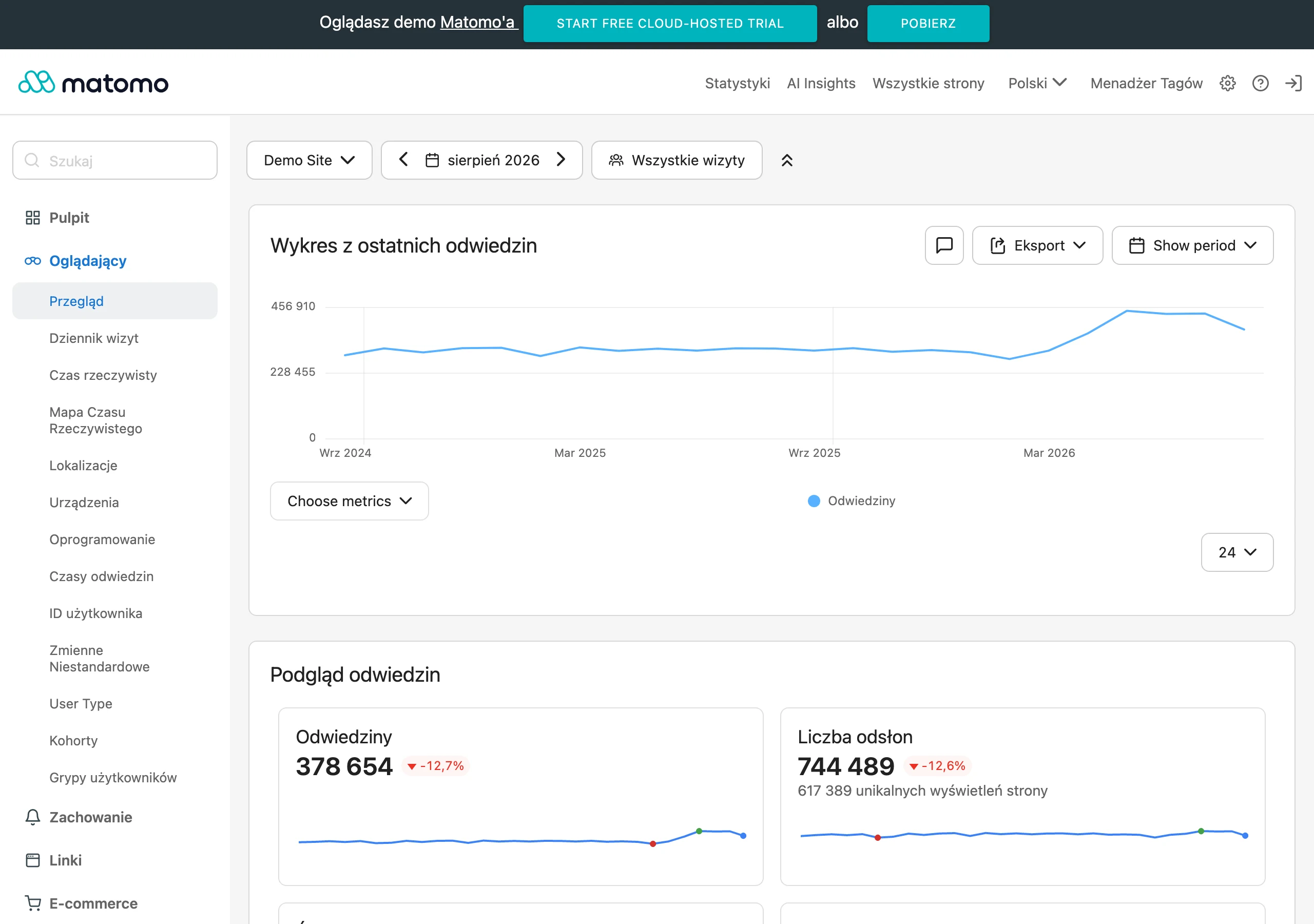
To analyse results, tools such as Google Analytics or Google Search Console are essential. They enable you to track website traffic, monitor keyword rankings and measure conversions. With these tools, it is easy to identify which actions bring the best results and which need improvement. This is a simple but extremely effective solution.
Reporting plays an equally important role. In your reports, it is worth including key performance indicators (KPIs) such as:
- number of visits,
- traffic sources (organic, paid, social media),
- bounce rate,
- time spent on the site,
- number of conversions.
For construction companies, tracking local keywords is particularly important, e.g. “firma budowlana Warszawa” or “remonty Kraków”. Analysing this data allows you to tailor your strategy to the needs of the local market and increase visibility in the search results. After all, it is often local competition that determines your success.
Don’t forget about regular SEO audits. These help you detect technical issues on your site, such as slow loading times or incorrect heading structure. This way, you can react quickly to problems and maintain a high ranking in Google. Without audits, it is difficult to talk about long-term success.
Effective monitoring and reporting of SEO activities is a continuous process. Regularly analysing data and making changes based on the insights gained allows construction companies to stay competitive and win more work from the local market. It’s an investment that always pays off.
Which SEO tools are worth using?
To effectively monitor the results of SEO activities in the construction industry, it’s worth using a range of analytics tools. Google Analytics is one of the most popular solutions, enabling you to track website traffic, traffic sources, and user behaviour. This makes it easy to assess the effectiveness of your strategy and make the necessary adjustments.
Another essential tool is Google Search Console. It allows you to monitor keyword rankings, detect technical errors, and analyse your site’s performance in search results. This is particularly important for construction companies that want to maintain high visibility in local Google results.
It’s also worth using professional keyword analysis tools such as SEMrush or Ahrefs. These allow you to analyse the competition, identify valuable keywords, and track changes in your site’s rankings. For construction companies, local keywords are key—such as “firma budowlana Warszawa” or “remonty Kraków”—which attract clients from specific regions.
Let’s not forget about free solutions. Google Keyword Planner is an excellent tool for analysing the popularity and competitiveness of keywords at no extra cost. PageSpeed Insights is also worth attention, as it helps to optimise page loading speed—a factor with a huge impact on SEO.
Selecting the right SEO tools depends on a company’s individual needs and the stage of its SEO strategy. Using these tools regularly allows you to continuously monitor results and adapt your efforts to changing Google algorithm requirements. Effective analysis is the key to SEO success!
The importance of regular analysis and optimisation
Regular monitoring and adaptation of SEO activities is the foundation for maintaining a high website ranking in search results. In the construction sector, where competition is especially fierce, continuous monitoring of results enables you to respond flexibly to changing market trends and Google algorithm updates. As a result, businesses can avoid potential mistakes that could negatively affect their rankings.
The SEO analysis process focuses on key performance indicators (KPIs) such as:
- organic traffic,
- bounce rate,
- number of conversions.
Tools such as Google Analytics or Google Search Console make it easier to track this data and indicate areas for improvement. For companies in the construction industry, monitoring local keywords—such as “firma budowlana Warszawa” or “remonty Kraków”—which attract customers from specific regions, is particularly important.
Website optimisation is an ongoing process of adapting it to the current requirements of search engines. This includes both technical aspects such as:
- loading speed,
- responsive design,
as well as content-related factors—for example, adding new keywords or updating content to match current industry trends. Regular SEO audits help detect technical errors, such as incorrect heading structure or missing meta tags, which may lower your site’s ranking.
You should also remember to optimise your Google Business Profile. Regularly uploading photos of completed projects and encouraging clients to leave positive reviews will significantly increase your brand’s visibility in local search results. This is especially important for construction companies that often win business from the immediate area.
Thanks to systematic analysis and optimisation of SEO activities, construction companies can not only maintain high online visibility but also attract more potential clients and strengthen their position both locally and nationwide.
The future of SEO in the construction industry – What to focus on
The future of SEO in the construction sector will be heavily dependent on the ability to adapt to constant changes in search engine algorithms, especially Google’s. Companies must be ready for the growing importance of artificial intelligence (AI) in the processes of indexing and evaluating content. Algorithms such as Google BERT and MUM are already better at interpreting user intent and the context of their queries, which requires businesses to create more precise and valuable materials.
Another important trend is the personalisation of search results, which in the construction industry means a stronger focus on local SEO. Search engines will favour websites that offer personalised information for users from specific regions. Therefore, it is worth concentrating on optimisation for geolocational keywords and actively developing profiles in Google Business Profile to increase visibility in local results.
User experience (UX) will also become increasingly important. Page loading speed, responsive design and intuitive navigation will be crucial for online success. Google’s introduction of Core Web Vitals shows that UX has a direct impact on ranking. Companies should regularly analyse these parameters and adjust their websites for optimum performance.
The growing role of content marketing cannot be ignored. Creating high-quality materials, such as renovation guides, case studies or instructional videos, not only attracts potential customers but also builds trust in the brand. In the future, algorithms will reward pages offering unique and valuable educational content.
It is also worth paying attention to the dynamic development of voice search. More and more people are using voice assistants to look for construction services, so companies should tailor their SEO strategies for conversational keywords and natural spoken language.
The future of SEO in the construction industry requires flexibility and constant adaptation to new technologies as well as user expectations. Investing in long-term strategies based on artificial intelligence, content personalisation and outstanding user experience is key to maintaining online competitiveness.
Trends in construction and their impact on SEO
Trends in construction, such as sustainable development and modern technologies, have a significant impact on the SEO strategies of companies in this sector. Eco-friendly solutions, such as energy-efficient materials and smart home management systems, are becoming increasingly popular. Construction companies should reflect these shifts in their online content to better meet the needs of clients seeking innovative solutions.
Sustainable development is not just a temporary fad but a necessity in today’s market. The use of keywords associated with ecology, such as “budowa domów energooszczędnych” or “materiały przyjazne środowisku”, can attract the attention of those interested in such services. Creating valuable educational content, e.g. guides on eco-friendly construction technologies, will not only enhance website visibility but also position the company as an expert in sustainable building.
Modern technologies also play a key role in SEO strategies. Keywords such as “inteligentny dom” and “automatyzacja budynków” are being searched for more and more frequently by clients. It is worthwhile preparing detailed service descriptions and case studies showing how these solutions work in practice. This allows the company to stand out from the competition and attract customers seeking innovative solutions.
Incorporating these trends into your SEO strategy also requires technical adjustments to your website. Mobile optimisation and page speed are particularly important for users searching for construction services on mobile devices. Additionally, it is worth ensuring responsive design and intuitive navigation so users enjoy a smooth, comfortable experience when browsing your site.
Trends in construction have a direct impact on SEO for companies in this sector. Sustainable development and modern technologies not only offer a way to stand out on the market, but also present opportunities to improve online visibility through relevant content and website optimisation.
The role of content marketing and social media
Content marketing and social media play a vital role in SEO strategy for construction companies. They help not only to increase brand visibility but also to engage potential customers and build trust in your services. In an industry where competition is fierce, well-prepared content and social media activity can make a significant difference to your website’s ranking.
Creating valuable materials tailored to audience needs is the foundation of content marketing. For construction businesses, the following are particularly important:
- guides on renovations,
- case studies of completed projects,
- tips on choosing materials.
Such publications not only attract organic traffic to the website but also position the company as an expert in its field. For example, an article entitled “Jak przygotować się do remontu mieszkania?” (How to prepare for a flat renovation?) can effectively attract people looking for specific services.
Social media is another powerful tool that supports SEO activities. Regularly posting photos of completed projects, instructional videos or information about promotions increases audience engagement and brand recognition. Platforms such as Facebook and Instagram make it possible to reach the local community, which is particularly important for companies operating in specific regions.
It is also worth remembering to make use of local keywords both on the website and in social media. Phrases such as “firma budowlana Warszawa” or “remonty Kraków” help you rank better in search results for a given area. In addition, being active on social media can generate natural backlinks to the company’s homepage, which boosts its authority in the eyes of Google’s algorithms.
Combining content marketing with social media is not only a way to increase your online visibility, but also an effective method for attracting potential customers interested in construction or renovation services. It is this synergy that enables you to stand out from the competition and strengthen your company’s market position.
FAQ
Frequently asked questions
What are the most important SEO activities for a construction company?
The most important are local SEO, creating valuable content and taking care of the site’s technical setup. These elements together increase visibility and help attract more contracts.
Why are local keywords so important in SEO for the construction industry?
Clients often look for contractors in their area, so keywords like “firma budowlana Warszawa” or “remonty Kraków” increase your chances of reaching the right people. This way, your company can appear in Google results, Maps and local packs.
What is the benefit of publishing guides and project descriptions on a construction company’s website?
Such content draws in people searching for specific services and builds trust in the company. It also strengthens brand authority and helps generate organic leads.
How does SEO help attract more enquiries in the construction industry?
A well-optimised website attracts users actively searching for building or renovation services. This increases the number of enquiries and can result in more completed projects.
Which technical aspects of the website are important for construction company SEO?
Loading speed, intuitive navigation and a responsive design for mobile devices are crucial. This matters as most users browse such sites on smartphones.
When should you invest more in SEO for a renovation or construction company?
The article notes that interest in renovation and construction is higher in warmer months. That’s why it’s worth intensifying SEO efforts in spring and summer.