

What Google actually evaluates, not “word count”
Google primarily evaluates how well content matches search intent, and text length is most often just a by-product of that match. If a user expects a quick answer (e.g. “kurs euro dziś”), an in-depth article will not help and may lose to a short page that regularly updates the data. By contrast, for queries that require explanation, the material that leads the user step by step to a solution will naturally win. The key is whether the page “closes” the user’s task, not how many paragraphs it has.
Google more often rewards topical coverage than the sheer volume of text. A guide that answers the key sub-questions usually ends up longer, because it has to include the “must-have” elements for a given problem. For example, for the topic “how to apply for a passport”, what matters are the required documents, fees, deadlines and where to submit the application, not artificially stretching the content. Length therefore makes sense when it results from the necessary information, not from “padding” the text.
For YMYL topics (health, finance, law), the quality of information and credibility (E-E-A-T) matter, not the size of the article. Google then expects sources, an author with expertise and clear editorial accountability, so a longer text without these elements may rank worse than a shorter one based on current legislation, research or institutional guidelines. Freshness is just as important: for queries such as “ZUS limits 2026” or “VAT changes”, a text updated on an ongoing basis wins, even if it is shorter. If the data is 2 years old, a large number of words will not protect you from a drop.
Google also “sees” usability and page readability, because overly long blocks without headings make scanning harder and increase user frustration. The algorithm does not “measure boredom”, but behavioural signals (e.g. quick returns to search results) can indirectly indicate that the content does not meet expectations. Structure and semantics help here: a correct H1–H3 hierarchy, FAQ sections and clear entities (e.g. “PIT-37”, “ZUS DRA”) make it easier to understand the topic without adding more paragraphs. Often, refining the layout delivers a better result than “padding” the text with an extra 800 words.
Rankings are also affected by factors that do not stem directly from content volume, such as links and reputation and page performance (Core Web Vitals). Domain authority and link profile explain why shorter pieces from strong websites can rank higher than longer ones from new sites, and improving internal linking, for example from related articles, is sometimes more noticeable than adding further paragraphs. The text itself rarely slows a site down, whereas the “weight” is usually created by images, scripts and embeds; for example, a large hero image can increase LCP and harm visibility. Matching the format to the SERP also matters. If the results are dominated by product pages, an in-depth blog post may lose because it does not match the type of result.
- 01Match to intentUser expectation as the key.
- 02Topical coverageAnswering the key sub-questions.
- 03Closing the taskLeads to solving the problem.
- 04Value over volumeLength as an effect of quality.
Google rewards completeness and effectiveness, not the mechanical counting of paragraphs.
The most common myths about text length
The most frequently repeated myth is that Google always rewards long articles. In practice, ranking depends on matching the query, not on word count. There is no rule in Google’s documentation that says “the more words, the higher the ranking”, so longer text is rather a by-product of a thorough discussion of the topic. The second common mistake is the belief that “the minimum is 2000 words”, although for many queries 300–800 words is perfectly enough, provided the content is specific and covers the topic comprehensively in the given context. Artificially extending text often reduces readability and blurs the key answer.
The myth that “short content = thin content” confuses volume with value, because thin content primarily means a lack of usefulness and repeated information. A page with 150 words can be very helpful if it contains unique data, such as a price list, timetable or technical parameters, and matches the user’s intent. Equally misleading is the assumption that longer text automatically wins thanks to a greater number of keywords, because stuffing phrases (keyword stuffing) can be a signal of low quality. Better results come from natural language, synonyms, entities and answering real related questions.
The myth that “you only need to add 1000 words to get back into the TOP3” ignores the fact that drops may result from technical issues or a change in intent in the SERP. If the cause is something like indexing, canonicals or duplication, simply adding more content does not remove the source of the problem. In such a situation, the first step is to check in Google Search Console whether the drops affect specific subpages and queries, and whether any errors have appeared. Content is only one piece of the puzzle, so diagnose first and expand later.
The myth that “write longer because the competition has long articles” encourages a race on volume rather than work on the quality of structure and completeness of information. A competitor may have an extensive article because it covers many variants of the topic, but your page may win with better structure, freshness and evidence (e.g. data, checklists). Equally misleading is the belief that Google “counts words and awards points”, because there is no public metric such as a “word count score”. What is sometimes assessed indirectly is usefulness and fit: did the content allow the user to complete the task without further searching.
The myth that “everything has to be bundled into one mega-article” can do harm, because a giant text can be cumbersome to navigate and encourages intent cannibalisation. If you mix different goals on one page (e.g. a guide, reviews and pricing), Google may not be clear which queries it should rank it for. A topic cluster often works better: a pillar page plus supporting articles with internal linking. It is also mistaken to claim that “length = time on page, and time on page = ranking”, because time depends on the type of query and does not always mean success — sometimes the user stays longer because they cannot quickly find the specific answer.
When longer text genuinely helps SEO
Longer text genuinely helps SEO when the topic is complex and requires guiding the user through the process step by step. In guides, the volume grows naturally because you need to cover requirements, tools, alternatives and checklists, rather than just answer in one paragraph. For example, the topic “how to set up an online store” includes platforms (Shopify, WooCommerce), payments, logistics and SEO, so it is hard to sensibly fit it into a short note. If the length comes from “must-have” information, it strengthens intent match instead of diluting the message.
Longer content also has an advantage when sub-intents are mixed in one SERP (e.g. definitions, rankings and guides), and the user expects to be able to choose a path. In such a situation, the article that breaks answers into separate sections and lets the reader get quickly to the right fragment wins, rather than forcing them to read the whole thing. In practice, a table of contents and clear H2 headings such as “for whom”, “costs”, “steps” help here. This way, an expanded page can remain long, while still being easy to scan.
Long-form materials also support building topical authority when they are part of a content cluster. The effect comes not from the number of words, but from topic coverage and a coherent information architecture, e.g. a pillar page “mortgage” linking to issues such as “deposit”, “creditworthiness” and “overpayment”. A detailed article can also capture long-tail queries without splitting the topic into dozens of pages, provided each answer is clearly separated. For example, a guide “gravel bike – which one to choose” can answer questions about frame size, gearing, tyres and a budget of 3000–6000 zł.
Expanded content is often essential for comparisons, rankings and YMYL topics, where clearly described criteria, methodology and broader context matter, including risks, exceptions and the legal or medical basis. It is often also worthwhile to combine several thin, repetitive subpages into one stronger piece, provided that you handle 301s or canonicalisation and sensible internal linking to the new page. An additional advantage of longer publications is the chance of visibility for individual sections in results, because Google can surface passages from extensive pages when a specific part answers the question precisely. In a highly competitive informational space, a longer format makes sense only when it offers “better building blocks” than the top10: current data, tools, examples, screenshots and checklists.
- 01Complex processStep by step, tools, checklists.
- 02Natural volumePlatforms, payments, logistics, requirements.
- 03Multidimensional intentsDefinitions, rankings, choosing a path.
- 04Content fitStrengthens the response to intent.
When length comes from “must-have” information, it helps the user work through a complex topic rather than diluting the message.
When shorter text wins and why
Shorter content wins when the query has a “quick answer” character and the user expects a definition or a “yes/no” answer. In such situations, a concise page can rank very highly if it gets straight to the point and then adds only the necessary minimum context, e.g. “what is NIP” as a definition, the number format and 2–3 usage examples. Short form also works when the user wants to leave quickly with a solution, rather than wading through an extensive narrative. The more “task-oriented” the query is, the greater the advantage of precision over volume.
In e-commerce, shorter descriptions often work more effectively, because on category pages the key elements are filters, product lists, reviews and structured data (Product, AggregateRating), not a long essay. Instead of 2000 words, a category description of around 150–300 words and an FAQ section that does not push products below the first screen can sometimes deliver better results. The same applies to local services, where what matters is a full set of specifics such as scope, pricing, service area, travel, reviews, NAP and a map, rather than extended commentary. A “plumber Kraków” page can win with 500–900 words if it contains clear information and strong local signals in Google Business Profile.
A shorter form is also often the most natural choice for FAQs and help pages, where the focus is on a clear answer, troubleshooting steps and consistent naming aligned with the app interface. In landing pages for campaigns, long text can reduce conversion by distracting users, so instead of artificially extending it, it is better to add sections such as “who it’s for”, “results in numbers”, “case study” and answers to 5–7 objections. If the SERP is dominated by UGC or video, e.g. “how to tie a tie”, an extensive article will not always outrank the preferred format and often the topic is best wrapped up by a short guide supporting the video material. When Google “prefers” another type of result, shortening and matching the format can achieve more than expanding the content.
A shorter text also wins when the user is looking for a tool rather than an article, as in queries such as “BMI calculator”, where the content should primarily support the functionality (definition, formula, interpretation of results and limitations). Longer pages can also be harmful when they combine several intents (e.g. “pricing”, “guide”, “reviews”), because the risk of keyword cannibalisation and topic dilution increases, and Google struggles to match a specific subpage to the query. On mobile, the advantage goes to content that gives the answer in the first 2–3 sentences and only then expands on the details, because users scan the content, and long blocks without a “bite-sized summary” at the start are abandoned faster. In practice, brevity becomes part of UX here, better reflecting how the user reads and makes decisions on a phone.
How to determine the optimal text length for a specific keyword
You will determine the optimal text length once you match the format and scope of information to what actually wins in the top 10 for the given keyword. Start by analysing the SERP and note whether the results are dominated by guides, lists, category pages, tools or local results, because that tells you more than the number of words used by competitors alone. If 7/10 results are checklists with tables, your content should deliver the same information “building blocks”, regardless of the target length. In practice, length should result from completeness, not be an end in itself.
Analysing the SERP and mapping user questions
The most reliable way to choose the length is to compare the sections and subtopics that recur in the results, rather than simply counting words. Complement this with mapping questions from People Also Ask and Google suggestions/autocomplete, because they show which fragments need to be added to “close” the topic. If different threads appear around the keyword (e.g. conditions, exceptions, costs), treat them as separate, short sections in the page structure. This way, length increases only where it stems from real user questions, not from a predetermined size.
A completeness checklist instead of a “2000 words” target
The most practical approach is to define a list of “must-have” information and only then assess how much text is actually needed. Instead of setting a fixed threshold, choose the elements the user must receive on the given topic, and if after describing them you have 900 words, that may be your optimal length. This model limits “fluff” and supports readability, because each fragment serves a specific function. If you start duplicating sections or paraphrasing the same thing, that is a sign of diminishing returns.
- definitions and context
- steps/process or solution variants
- costs and conditions
- exceptions and the most common mistakes
- examples or downloadable materials
Matching the type of page, conversion and content architecture
It is worth matching text length to the type of page and its purpose: educational materials more often work well at 1200–3000 words, whereas on service or product pages 300–1200 words usually work better, reinforced with trust-building elements. The easiest way to spot topic gaps is with tools: in Ahrefs or Semrush, use “Content Gap”, and in SurferSEO/Clearscope compare topic and entity coverage. The aim is to identify missing threads and subpoints, not to artificially inflate volume. When a topic has clear branches, it can make sense to segment it into a pillar page (e.g. 1500–2500 words) and supporting expansions (e.g. 800–1800 words) connected by internal linking. Regardless of the target length, refine the first 200–300 words, because the user wants to understand “what and how” quickly, and a strong opening helps snippet targeting and reduces pogo-sticking.
- 01SERP and format analysisMatch the format to the top 10 (e.g. guide, list)
- 02Identifying “blocks”Recreate the competitors’ key elements (e.g. tables, checklists)
- 03Comparing sections and subtopicsMap recurring themes instead of counting words
- 04Mapping questions (PAA / Suggest)Add intents from People Also Ask and autocomplete
The key to length is completeness and matching the informational blocks that win in the SERP, not the word count itself
How to measure the impact of length on rankings and run tests without guessing
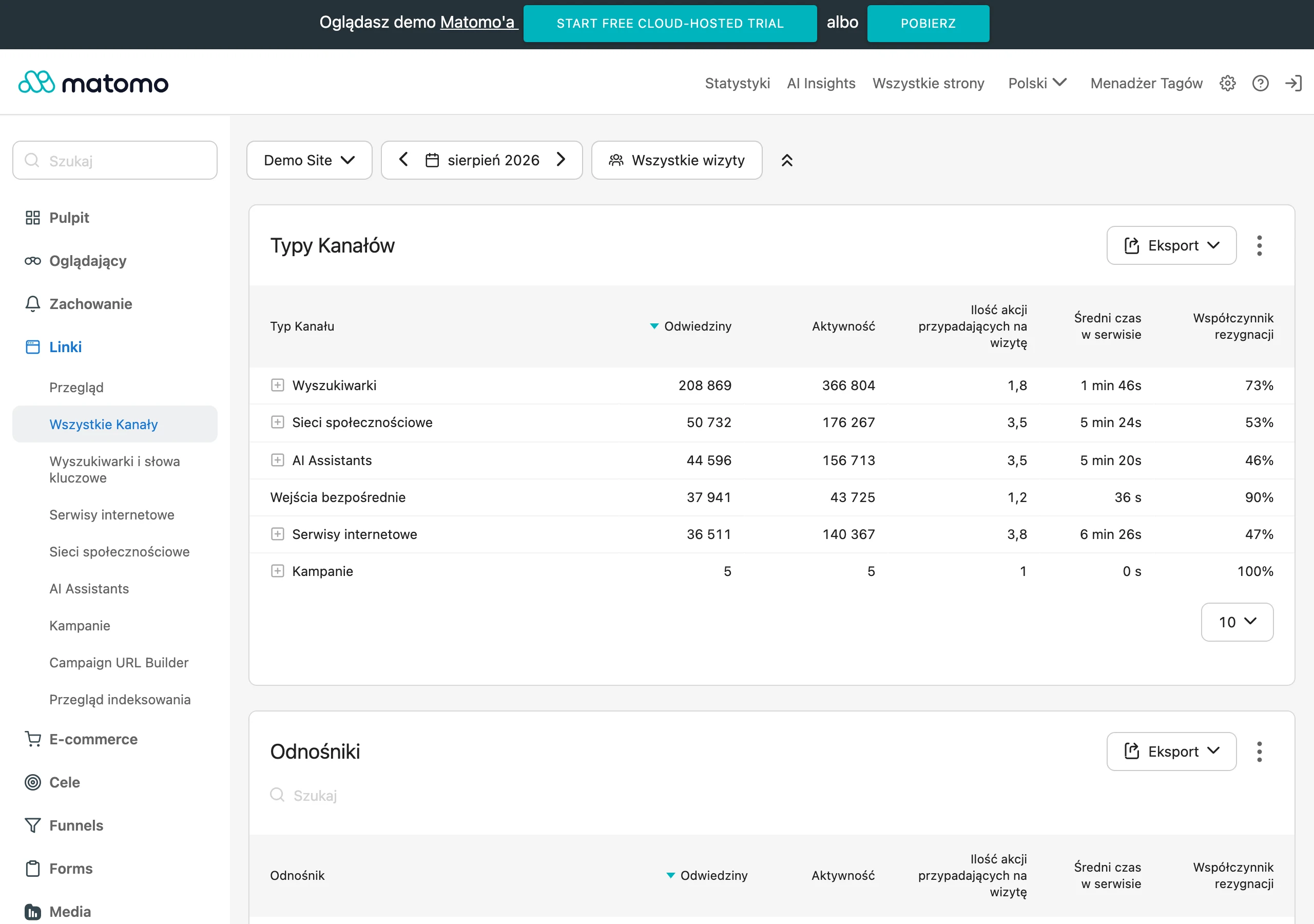
The impact of length on rankings can be assessed reliably when you compare the results for the same page and the same queries before and after the change, rather than relying on impressions. In Google Search Console, analyse queries, average position and landing pages, and also separate the assessment of CTR and position, because a content change can increase impressions while reducing CTR. In GA4, assess traffic quality through events and conversions (e.g. form submission, phone click, purchase), not through “time on page”. If content grows, but conversions fall, the length may be off from a business-goal perspective, even if SEO improves.
A/B tests and the “one variable at a time” rule
The most structured approach is SEO tests on groups of pages, which can be run in tools such as SearchPilot or SplitSignal. This lets you check whether, for example, adding an FAQ section (+300–500 words) really increases organic traffic, without mixing in the effects of seasonality. For conclusions to be unambiguous, change one thing at a time, because lengthening the text, changing the title, adding links and improving CWV at the same time make it difficult to identify the source of the result. In practice, a sequence of changes spread over time works better than a “major update” of everything at once.
Checking cannibalisation and technical quality after expansion
After expansion, verify whether keyword cannibalisation has appeared, i.e. whether the new version of the page has “taken” impressions from other subpages for the same queries. If this is visible in GSC, consider merging content, 301 redirects, rel=canonical or a clearer separation of intents (e.g. separately “guide” and separately “pricing”). At the same time, carry out an indexing and technical quality check in Screaming Frog or Sitebulb to catch duplication, incorrectly set canonicals or too many pages with almost identical templates. Such hygiene matters, because a large number of “almost identical” expanded articles can look like scaling content without value.
Snippets, content refreshes and signals to shorten
If you are targeting a featured snippet, add a short answer block: a 40–60-word definition, a list of steps or a table. Even in a long article. Then check in GSC whether CTR and rankings are increasing for question-based queries (“how”, “how much”, “is it”). Distinguish expansion effects from the effect of a “content refresh”, because often a bigger jump comes from updating figures, screenshots and sections such as “2026” than from adding 1000 words without updates. It is worth noting change dates and planning refreshes every 3–12 months, depending on the topic. Length starts to hurt when users do not reach the key elements of the page or stop carrying out important actions, so in such a situation a better optimisation may be removing repetition, adding a table of contents and rewriting. When you see signs of a problem, treat shortening as a full-fledged SEO test, not a “failure”, because the word count may fall and the results rise.
- In GSC, compare the same queries and the same page before/after the change, breaking the analysis down into CTR and position.
- In GA4, assess the effect through conversions, not through time on page.
- Test in a controlled way (SearchPilot/SplitSignal) and change one variable at a time.
- After changes, check cannibalisation and technical issues (Screaming Frog/Sitebulb) so as not to distort the conclusions.
Structure and semantics versus text length
Structure and semantics often have a greater impact on results than simply “adding words”, because they help Google and the user understand the topic without waffling. A correct heading hierarchy (H1–H3), clear sections and consistent naming make it easier to scan content and find answers more quickly. In practice, adding a solid FAQ section and organising information into blocks may deliver a better result than adding more paragraphs with the same content. If content is logically divided up, “longer” does not have to mean “better”, because usefulness increases, not just the word counter.
Semantics also works thanks to unambiguous entities, which reduce the need for long-winded explanations and lower the risk of the topic becoming diluted. When specific entities and names appear in the text (e.g. “PIT-37”, “ZUS DRA”), it is easier to match the page to users’ queries and follow-up questions, even if each answer is short. In many cases, a bigger “SEO” change is improving the format and structured data (e.g. schema.org in FAQPage and Article types) rather than adding 800 words. Aim for each section to be quotable as a standalone answer instead of hiding key information in a long narrative.
Content freshness as a ranking factor
Content freshness can decide rankings, because for many queries the winner is a page that is regularly maintained and refreshed, even if it is shorter. This is especially visible in topics where data quickly becomes outdated (e.g. “ZUS limits 2026”, “changes in VAT”), because the user expects information for today. An article can have even 4000 words, but if it is based on materials from two years ago, it starts to lose visibility despite its large length. In this type of subject, “freshness” and data accuracy often deliver a better result than expanding the text without updating it.
Freshness is worth treating as a process, not a one-off correction, because over time “content decay” appears and the page gradually stops matching what users are searching for. In practice, it helps to plan refreshes every 3–12 months (depending on the topic) and record the dates of changes so you can assess what actually worked. Instead of adding more paragraphs, it is often better to update the figures and key fragments that the user sees at the beginning. If maintaining rankings is the priority, start by updating what changes fastest, and only then consider making the content longer.
FAQ
Frequently asked questions
How does Google assess text length in the context of rankings in search results?
Google does not judge the number of words alone, but the relevance of the content to search intent and the usefulness of the page. Longer text often only wins when it naturally comes from a fuller discussion of the topic.
Does an article need 2000 words to rank well?
No, because for many queries 300–800 words may be entirely sufficient. What matters is whether the content covers the topic in the given context and answers the user’s need.
Why does shorter content sometimes beat a long guide?
Because for quick answer queries, the user expects a fast, specific answer. In such situations, a concise page better matches the intent than a lengthy article.
When does longer text really help with SEO?
When the topic is complex and requires guiding the user step by step. Length then makes sense because it comes from the information, checklists and explanations needed, not from padding.
Can adding 1000 words on its own recover drops in Google?
Not always, because drops may also result from technical issues, indexing, canonicalisation or a change in intent in the SERP. You first need to diagnose the cause, and only then expand the content.
How do you determine the optimal text length for a specific keyword?
The best way is to start with a top 10 analysis and check which formats and subtopics dominate in the results. Then it is worth mapping user questions and must-have elements, and adjusting the length to the completeness of the content.