

Becoming an SEO expert requires continuous learning, practice and knowledge of both the technical and creative aspects of website SEO. From mastering analytics tools such as Google Analytics, through keyword research and content optimisation, to building backlinks – every step is essential in building an effective strategy. Find out how to develop your skills systematically, using industry practices and the latest trends in SEO!
How to become an SEO expert – a step-by-step guide
Becoming an SEO expert is a process that requires both consistency and broad knowledge of digital marketing. At the outset, it is worth focusing on the basics of website optimisation, which cover both technical aspects and content creation strategies. It is also essential to master analytics tools such as Google Analytics or Google Search Console, which help track the results of your efforts.
Another key element is learning keyword research. With tools such as Ahrefs, SEMrush or Ubersuggest, you can find phrases that drive traffic to your site. Equally important is competitor analysis – it is worth observing what methods the leaders in a given industry use.
On-site optimisation includes improving the site structure, headings (H1-H6), metadata and user experience (UX). By contrast, off-site activities focus on building valuable backlinks, which increase the authority of the site in the eyes of search engines.
You cannot forget about regularly tracking changes to search engine algorithms such as Google. Trends such as Mobile First Index or Core Web Vitals have a direct impact on website SEO. It is also worth developing soft skills – good communication and working with a team make it much easier to deliver SEO projects.
Certifications can be an additional advantage in your career. Popular courses offered by platforms such as HubSpot Academy or SEMrush Academy help consolidate knowledge and gain recognition in the industry. Practical experience gained while working on your own projects or collaborating with marketing agencies is invaluable on the road to becoming an SEO expert.
- 01Basics and analysisOptimisation and analytics tools.
- 02Keyword researchFinding phrases that drive traffic.
- 03Competitor analysisObserving leaders in the industry.
- 04On-site optimisationImproving the site structure and content.
Consistency, knowledge and continuous analysis are the key to success.
What is SEO and why is it important?
SEO, or search engine optimisation, is the process of adapting a website to the requirements of tools such as Google. Its main task is to make it easier for bots to analyse content and increase the visibility of a site in search results. This makes it possible to achieve higher rankings, which in turn translates into greater organic traffic.
But why is SEO so important? Most internet users use search engines to find the information they need. Research shows that more than 70% of clicks go to results on the first page. The higher the position, the more visits, which can lead to increased conversions – whether the goal is selling products, generating leads or building brand awareness.
SEO activities include both technical website optimisation (e.g. loading speed or responsiveness) and creating valuable content that meets users’ needs. Link building is also crucial – both internal and external (backlinks). These influence how search engine algorithms perceive the authority of a site.
In short, SEO is an indispensable element of the marketing strategy of any company operating online. It not only improves website visibility, but also helps build lasting relationships with audiences by delivering valuable and easily accessible content.
Basic skills and qualities of an SEO specialist
An SEO specialist combines technical skills and creativity. An analytical approach is key here – it allows you to interpret data from tools such as Google Analytics or SEMrush, assessing the effectiveness of the actions taken. Equally important is alertness, which helps spot changes in search engine algorithms and quickly adapt the strategy to new conditions.
No less important is communication. SEO specialists often work with various teams – from developers to copywriters. Clear communication and the ability to collaborate effectively are essential for projects to be delivered smoothly. It is also worth developing soft skills, such as time management or problem solving, which greatly facilitate work in a dynamic environment.
Knowledge of the basics of programming (HTML, CSS) and the technical aspects of SEO, such as optimising page load speed, is another important element. This means the specialist better understands technical challenges and can work more effectively with developers.
Finally, creativity plays a huge role in creating link building or content marketing strategies. The ability to generate innovative ideas for acquiring backlinks or creating engaging content can significantly impact the success of SEO efforts.
- 01On-site SEOOptimising content and UX on the site
- 02Off-site SEOBuilding authority through link building, external activities
- 03Success and AuthorityA coherent, effective SEO strategy
Together they create a coherent strategy, increasing visibility, user value and authority in search engines.
Key steps to becoming an SEO expert
Becoming an SEO expert requires going through several key stages that combine theory with practice. At the outset, it is worth mastering basic analytics tools, such as Google Analytics or Google Search Console. They allow you to monitor website traffic, analyse visitor behaviour and identify areas that need improvement.
The next step is learning keyword research. Tools such as Ahrefs, SEMrush or Ubersuggest help you find phrases that attract organic traffic. Knowing them also allows for a detailed analysis of the competition, which is essential for developing an effective strategy.
Content optimisation is another important element. Creating valuable materials that meet both user needs and search engine algorithm requirements is hugely important. Implementing the right headings (H1-H6), metadata and paying attention to user experience (UX) can have a significant impact on a website’s ranking.
Link building (link building) is another key technique. Acquiring valuable backlinks from reputable websites increases a site’s authority in the eyes of search engines. It is also important to regularly track algorithm changes, such as Mobile First Index or Core Web Vitals, in order to adapt the strategy to current trends.
SEO certifications can be an additional asset in a specialist’s career. Courses offered by platforms such as HubSpot Academy or SEMrush Academy help consolidate knowledge and gain recognition in the industry. Practical experience gained while working on your own projects or collaborating with marketing agencies is invaluable on the path to becoming an expert.
You cannot forget about developing soft skills, such as communication or time management. An SEO specialist often works with various teams – from developers to copywriters – so the ability to collaborate effectively makes it much easier to deliver projects and achieve goals.
Gaining experience with SEO tools and techniques
To become an SEO expert, it is crucial to gain practical experience with the tools and techniques that shape this field. Essential tools such as Google Analytics, Google Search Console, Ahrefs or SEMrush allow in-depth analysis of website traffic, keyword research and monitoring the results of optimisation efforts.
It is equally important to master the basic techniques, such as content optimisation and link building. Creating valuable materials that meet both users’ needs and search engine algorithms’ requirements is the foundation of effective optimisation. Key elements include the right headings (H1-H6), metadata and attention to user experience (UX), which directly affect a website’s SEO.
Link building is the process of acquiring high-quality backlinks from reputable websites. As a result, a website’s authority grows in the eyes of search engines. Practice in applying these techniques, both in your own projects and while working with marketing agencies, is invaluable for developing an SEO specialist’s skills.
Regularly tracking algorithm changes, such as Mobile First Index or Core Web Vitals, makes it possible to adapt your strategy to current trends. It is also worth using certificates offered by educational platforms such as HubSpot Academy or SEMrush Academy. They help to consolidate knowledge and gain recognition in the industry.
Practical experience gained while working on various SEO projects is crucial for a specialist’s career development. It helps you better understand the challenges involved in website optimisation and more effectively achieve SEO goals.
- 01SEO CopywritingContent for people and algorithms
- 02Keyword analysisNatural inclusion of phrases
- 03Structure optimisationHeadings and metadata
- 04User experienceEngaging and valuable content
The aim is to increase visibility through engaging and technically optimised content.
Building a strong SEO portfolio
Creating a solid SEO portfolio is a key element in the professional development of any specialist. It should showcase a range of projects that demonstrate competence in website optimisation, data analysis and building link-building strategies. It is worth including both commercial assignments and initiatives carried out independently in order to show a broad spectrum of experience.
A well-structured portfolio contains detailed case studies. These descriptions should present specific challenges, the steps taken and the results achieved. For example, you can describe how, thanks to precise keyword optimisation and improving the site structure, it was possible to increase organic traffic by 30% in three months. Numbers speak for themselves – it is worth highlighting growth in search rankings or an improvement in conversion rate.
An important element is also mentioning the tools you use, such as Google Analytics, SEMrush or Ahrefs. This signals to employers or clients that you know the technologies necessary to work effectively in SEO. In addition, it is worth adding information about completed courses and certificates related to the industry – this is proof of continuous improvement of your skills.
Do not forget about soft skills either, such as communication or project management. You can illustrate them through descriptions of working with development teams or copywriters during SEO projects. This shows not only the ability to work in a team, but also the ability to solve problems in a dynamic environment.
A strong SEO portfolio is more than a list of completed tasks – it is proof of your ability to analyse data, take a creative approach to challenges and remain flexible in adapting to changing industry trends.
The importance of SEO certification
SEO certification plays a key role in the professional development of specialists, confirming their competence and knowledge in website optimisation. Having certificates from reputable platforms such as HubSpot Academy or SEMrush Academy significantly increases an expert’s credibility in the eyes of employers and clients. It is clear proof of familiarity with the latest trends, techniques and tools used in the SEO industry.
What is more, certification not only confirms skills, but also builds trust. Research indicates that specialists with documented qualifications are more often chosen to carry out projects. Their knowledge and experience are a significant asset, and certificates give them a competitive advantage in the job market – especially in the dynamic marketing industry, where continuous upskilling is key.
Certifications cover various aspects of SEO, such as data analysis, keyword research, link building or technical aspects of optimisation. Thanks to this, an expert can take a comprehensive approach to the SEO strategy, better understanding both search engine algorithms’ requirements and users’ needs.
In practice, certifications can also influence salary or promotion negotiations. Employers value employees’ investment in professional development, which opens up new career opportunities for them. In addition, certified training provides access to up-to-date industry knowledge and practical examples that can be applied straight away in day-to-day work.
SEO certification is not just a formal confirmation of skills – it is also a tool for building a specialist’s personal brand. Combined with practical experience, it provides a solid foundation for achieving success in the SEO industry.
SEO techniques and tools you need to know
SEO techniques and tools SEO play a key role in the effective optimisation of websites. They are divided into two main areas: on-site SEO and off-site SEO, which together create a coherent SEO strategy.
On-site SEO focuses on the elements located directly on the page. It is crucial to take care of:
- a clear site structure,
- proper use of headings (H1-H6),
- optimisation of metadata, such as titles and descriptions.
Equally important is user experience (UX), which is why content should not only be tailored to search engine algorithms, but also valuable for users. The right keyword density and unique content are the foundation of success.
On the other hand, off-site SEO covers activities outside the site that build its authority in the eyes of search engines. The most important element is link building, meaning acquiring high-quality backlinks from reputable sources. Such links increase trust in the site, which translates into better positions in search results. Other effective methods include promoting content on social media or collaborating with influencers.
Specialist tools support SEO activities, such as:
- Google Analytics,
- Google Search Console,
- Ahrefs,
- SEMrush.
They make it possible to analyse traffic on the site, research keywords and monitor the results of the actions taken. Regular use of these solutions allows you to respond quickly to changes and adapt your strategy to current trends.
Technical aspects of SEO, such as:
- page loading speed,
- responsiveness,
- security (HTTPS).
These factors have a direct impact on SEO, especially in the context of algorithms such as Mobile First Index or Core Web Vitals.
To use these techniques effectively, it is necessary to keep improving your skills and follow changes in the SEO industry. Only then can you build site visibility and achieve long-term benefits for an online business.
On-site SEO and off-site SEO
On-site and off-site SEO are the two key pillars of effective website SEO. On-site SEO focuses on the internal optimisation of the site, covering elements such as:
- site structure,
- headings (H1-H6),
- metadata,
- content quality,
- user experience (UX).
It is important that the content is not only search engine-friendly, but also attractive and useful for visitors. Examples of on-site actions include:
- improving page loading speed,
- carefully selecting keywords,
- adapting the site to different devices.
By contrast, off-site SEO concerns activities carried out outside the site, aimed at building its authority in the eyes of search engines. The most important aspect here is link building, meaning acquiring valuable links from reputable sources. Other methods include:
- activity on social media,
- collaboration with influencers.
Off-site activities increase trust in the site, which directly translates into better positions in search results.
Both strategies are inseparably linked and support each other. To achieve success in SEO, it is necessary to combine internal optimisation (on-site) with external activities (off-site). Analytical tools such as Google Analytics, Ahrefs or SEMrush allow you to monitor the results of both types of activity and adapt your strategy to the current requirements of the industry.
Technical SEO and its importance
Technical SEO is the foundation of effective website SEO. Its main goal is to optimise the site’s infrastructure, which translates into its performance and accessibility for search engine bots. Key elements include loading speed, responsiveness and a clear URL structure.
Page speed is hugely important for user experience (UX). Even minimal delays can affect results – studies show that a one-second slowdown can reduce conversions by as much as 7%. To speed up the site, it is worth taking care of:
- code optimisation,
- reducing image file sizes,
- effective use of caching.
These simple steps can significantly improve performance.
Responsiveness, meaning adapting the site to different devices (computers, smartphones), is another key factor. Search engine algorithms, such as Mobile First Index, favour mobile-friendly websites. A lack of responsiveness can result in lower rankings in search results.
Just as important is URL structure. Clear and logical addresses make navigation easier for both users and crawling robots. It is worth avoiding overly long and complicated links and using appropriate redirects (301). These are the basic principles of technical SEO.
In addition, technical SEO includes optimising HTML tags such as headings (H1-H6) and metadata (titles and descriptions). Using tools such as schema.org to mark up structured content can further increase site visibility in search results.
Introducing these changes not only improves the site’s ranking, but also affects user engagement and increases conversions. That is why technical SEO is an essential element of every SEO strategy.
Keyword research and competitor analysis
Keyword research is a process that involves identifying phrases entered by users into search engines. This makes it possible to better understand the needs of potential customers and adapt your activities to them. Tools such as Ahrefs, SEMrush and Ubersuggest make it easier to analyse the popularity and competitiveness of individual phrases, allowing you to choose those with the greatest potential to attract traffic.
Another important step in an SEO strategy is competitor analysis. It involves observing the activities of other companies in the industry in order to learn their methods of improving visibility. With specialist tools, you can check:
- which keywords your rivals are ranking for,
- which links they are acquiring,
- how their websites are built.
For example, it may turn out that the competition focuses on long-tail phrases, which can be a valuable clue for your own strategy.
It is also worth paying attention to keyword competitiveness. Phrases with high search volume are often difficult to win because of the large number of websites competing for the same positions. That is why it is better to focus on niche long-tail phrases – they have lower volume, but are easier to rank for and can attract more precise traffic.
For example, if you run a sports shoe store, instead of competing for the general phrase “sports shoes”, it is worth focusing on more specific queries. These could be, for example, “women’s running shoes” or “waterproof hiking boots”. This approach allows you to better tailor content to users’ needs and increases the chances of achieving higher rankings in search results.
Keyword research and competitor analysis are the foundations of an effective SEO strategy. They make it possible to better understand the market and develop activities tailored both to search engine algorithms and to user expectations.
Link building and backlinks
Link building is one of the most important elements of an off-site SEO strategy, involving the acquisition of high-quality links from other websites. Backlinks, meaning links leading to your website, play a key role in building a site’s authority in the eyes of search engines. The more valuable links from reputable sources, the greater the algorithms’ trust in your site, which can result in higher rankings in search results.
To build links effectively, it is worth taking a strategic approach. Focus on acquiring links from high-authority sites (the so-called Domain Authority) that are topically related to your industry. You can achieve this in various ways:
- creating valuable content such as expert articles, infographics or research that others will be keen to share and link to from their own sites,
- working with influencers or bloggers to promote content and acquire links,
- taking part in industry forums or commenting on articles, where you can add a link to your site.
Tools such as Ahrefs or SEMrush can be invaluable for monitoring the effects of link building activities and identifying new backlink opportunities. Regular competitor analysis is also important – it allows you to check where the competition is acquiring links from and adapt your strategy.
Remember, however, to avoid practices that do not comply with Google’s guidelines, such as buying links or mass-adding links on low-quality sites. Such activities can lead to algorithmic penalties and a drop in rankings.
Link building is a long-term process that requires patience and consistency. However, when done well, it can significantly affect site visibility and attract valuable organic traffic.
On-page optimisation: headings, metadata, UX
Website optimisation is the foundation of effective SEO, focusing on three key aspects: headings, metadata and user experience (UX). Each of these elements has a direct impact on how well a site performs in search results.
Headings (H1-H6) play an important role in building the page structure. The main H1 heading should contain the most important keyword and appear only once. The remaining headings, from H2 to H6, help organise the content, making navigation easier for both users and search engine algorithms. For example, H2 can introduce a new topic section, while H3 is used to divide the content into smaller parts.
Metadata, that is the page title and meta description, are equally important. The title should be concise (up to 60 characters), include the keyword and attract attention. The meta description (up to 160 characters) is a short summary of the content visible in search results. A well-written meta description can significantly increase the number of clicks (CTR).
User experience (UX) is another key factor affecting SEO. The site must work quickly, be responsive and intuitive to use. Studies indicate that even a one-second page load delay can reduce conversions by 7%. It is also worth ensuring the readability of the content – short paragraphs, bullet lists and appropriate spacing between blocks of text significantly improve the user experience on the site.
Optimisation is an ongoing process – it requires regular monitoring and adjustment to changing search engine algorithms. Tools such as Google Search Console or Ahrefs are invaluable for analysing the results of activities and identifying areas that require improvement. Thanks to them, you can better understand users’ needs and adapt the site to their expectations.
The importance of analytics and reporting in SEO
Analytics and reporting play a key role in SEO, enabling the monitoring of the effectiveness of optimisation activities. Thanks to them, you can adapt the strategy to current needs and assess progress in the site’s SEO. Regular data analysis helps not only identify areas that require improvement, but also track key metrics, such as organic traffic, search rankings or conversion rate.
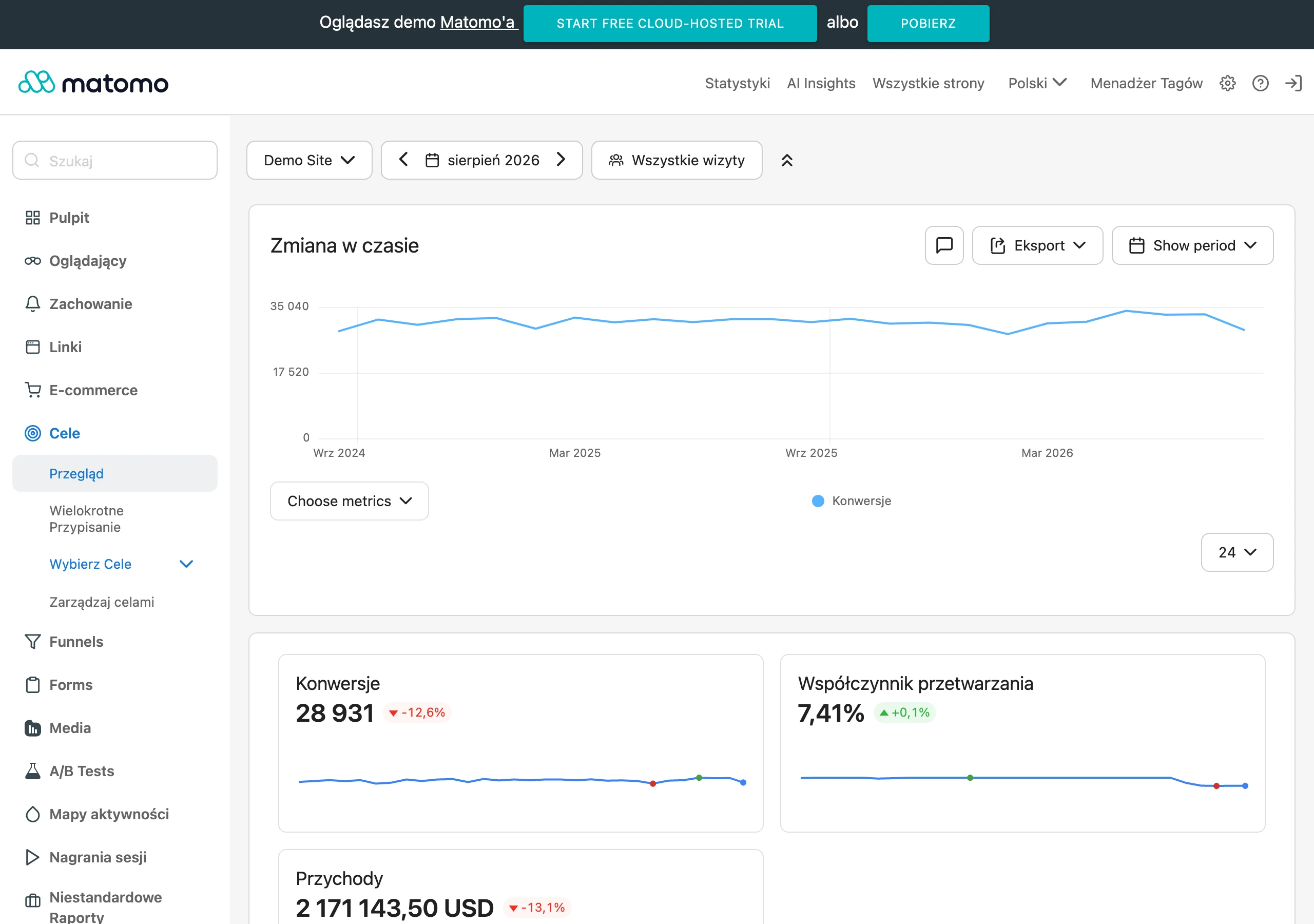
Analytical tools such as Google Analytics or Google Search Console are essential for effectively collecting and interpreting data. They allow you to monitor user behaviour, analyse traffic sources and detect weak points on the site. As a result, decisions are based on concrete facts rather than guesswork.
Reporting SEO results should be regular and transparent. It is worth including information about changes in the positions of key phrases, growth in organic traffic or improvements in the conversion rate. For example, if click-through rate increased by 15% after optimising metadata, it is worth highlighting this clearly in the report.
It is also crucial to analyse larger data sets skillfully. SEO specialists must draw conclusions from various sources – from analytical tools through keyword research to competitor analysis. This makes it possible to better understand market trends and adapt the strategy to dynamic changes.
Reports should be tailored to the needs of different audiences – both internal teams and external clients. For developers, technical data on page load speed or indexing errors may be important. Marketers, on the other hand, will focus more on growth in organic traffic or improved brand visibility.
Analytics and reporting are the foundation of an effective SEO strategy. They make it possible to continuously improve optimisation activities and achieve long-term benefits for an online business.
The ability to analyse large amounts of data
The ability to analyse large data sets is a key competence for every SEO specialist. Thanks to it, you can not only assess the effectiveness of the actions taken, but also adapt the strategy to dynamically changing needs. In this process, tools such as Google Analytics, SEMrush or Ahrefs are invaluable, as they make it possible to monitor traffic on the site, analyse keywords and identify areas requiring optimisation.
Data analysis covers many aspects, including:
- tracking search rankings,
- monitoring organic traffic,
- analysing conversion rate.
It is precisely this information that allows you to determine which actions deliver the best results and which require modification. For example, a 15% increase in click-through rate after optimising metadata is a clear signal that it is worth continuing with similar steps.
It is also extremely important to be able to interpret data from different sources. SEO specialists must combine information from analytical tools with competitor research results. This approach makes it possible to better understand current market trends and adapt the strategy to the constant changes in search engine algorithms.
Regular reporting on SEO results is the basis of effective management of an SEO strategy. Reports should be clear and contain key metrics, such as:
- increase in organic traffic,
- improved positions in search results.
As a result, it becomes possible to make decisions based on facts and achieve long-term benefits for the online business.
Reporting on the results of SEO activities
Reporting on the results of SEO activities is a key element of a SEO strategy, enabling progress to be tracked and plans to be adjusted to current needs. Thanks to systematic analyses, it is possible to assess the effectiveness of the steps taken, identify areas requiring improvement, and monitor key indicators such as organic traffic, positions in search results or conversion rate.
To gather and interpret data effectively, analytical tools such as Google Analytics or Google Search Console are essential. They allow for in-depth analysis of user behaviour, traffic sources and the detection of technical errors. For example, if click-through rate increased by 15% after metadata optimisation, it is worth noting this success in the report as significant progress.
When creating reports, it is important to ensure they are clear and tailored to the needs of different audiences – both internal teams and external clients. For developers, information regarding page load speed or indexing errors may be important. Marketers, on the other hand, will be more interested in increased organic traffic or improved brand visibility.
It is also crucial to be able to analyse larger data sets skilfully. SEO specialists should combine information from analytical tools with the results of competitor research. This approach makes it easier to understand current market trends and adapt the strategy to the dynamic changes in search engine algorithms.
Regular reporting is the foundation of an effective SEO strategy. It enables the continuous improvement of optimisation activities and the achievement of long-term benefits for the online business. It is not only a way to monitor progress, but also a tool for making informed business decisions based on hard data.
Practical application of SEO
Practical application of SEO involves a range of activities aimed at increasing a website’s visibility in search results. One of the key elements is SEO copywriting, that is creating content that is both attractive to the audience and aligned with algorithm requirements. This process is based on analysing and using the right keywords that users may type in, and weaving them naturally into the text.
Creating content in line with SEO principles is not only about understanding the technical aspects, but also about the ability to write valuable materials. Blog articles should contain well-structured headings (H1-H6), appropriate metadata and be written in a way that grabs the reader’s attention. Equally important is taking care of the user experience (UX), which translates into a longer time spent on the page and a lower number of people leaving the website immediately after entering it.
Another important step is link building, that is acquiring valuable links from reputable websites. Such activities build the site’s authority in the eyes of search engines, which has a direct impact on its position in the rankings. It is also worth using analytical tools such as Google Analytics or SEMrush to track the effects of the actions taken and adapt the strategy to current trends.
Technical optimisation of the website is another important aspect of practical SEO. It focuses on improving the site’s loading speed, responsiveness and security (HTTPS). These elements have a significant impact on SEO, especially in the context of algorithms such as Mobile First Index or Core Web Vitals.
Regular monitoring of the effects of SEO activities allows for the continuous improvement of the strategy. Data analysis makes it possible to assess the effectiveness of the steps taken and introduce the necessary changes in line with current needs. The practical application of SEO is a process that requires consistency and flexibility in order to keep up with changing algorithm requirements.
Creating content in line with SEO principles involves preparing materials tailored both to user needs and algorithm requirements. The key is anticipating the right keywords and using them naturally in the text. Important elements include optimising headings (H1-H6), metadata and ensuring the quality and appeal of the content for readers.
SEO copywriting and the content creation process
SEO copywriting is the art of creating content that attracts readers’ attention while also meeting the requirements of search engines. The key to success is combining valuable content with the technical aspects of optimisation. Good materials should be original, up to date and easy to absorb, which directly affects the website’s higher position in search results.
The process begins with keyword analysis. Using tools such as Ahrefs, SEMrush or Google Keyword Planner, you can identify the phrases most often searched for by users. It is important to choose keywords with the right search volume and low competition, and then weave them naturally into the text, avoiding excessive repetition (so-called keyword stuffing).
The next stage is optimising the structure of the text. Headings (H1-H6) must be well thought out – the main H1 heading contains the key phrase, while the subsequent ones (H2-H6) divide the content into logical sections. You must not forget about metadata: the page title should be short (up to 60 characters), and the meta description (up to 160 characters) – enticing enough to click.
User experience (UX) plays an equally important role. Content must be readable – short paragraphs, bullet points and appropriate spacing greatly improve reading comfort. Research shows that even a one-second delay in page loading can reduce conversions by 7%, so it is worth taking care of the site’s speed.
Internal linking is also crucial. Links to other subpages improve navigation and help algorithms better understand the site’s structure. It is also worth paying attention to the quality of external links – backlinks from reputable sites increase domain authority.
SEO copywriting combines creativity and technical knowledge. Thanks to well-prepared content, you can not only attract more organic traffic, but also increase user engagement and improve the site’s position in search results.
Trends and changes in SEO worth following
SEO is a dynamic field in which trends and changes play a key role in maintaining a high position in search results. Algorithms, such as Google, are constantly evolving, which requires specialists to continuously adapt their strategies. One of the most important directions is optimisation for user experience (UX). Page loading speed, responsiveness and intuitive navigation are elements that have a direct impact on results. Research shows that websites loading within 2 seconds achieve a 15% higher conversion rate than those with longer wait times.
Video content is also attracting increasing attention, and is appearing more and more often in search results. Algorithms favour pages containing multimedia, so it is worth investing in this type of material. You must not forget about voice search either, which is gaining popularity thanks to voice assistants. Optimising for conversational phrases (e.g. “where to buy sports shoes”) can significantly increase a site’s visibility.
Another important trend is Mobile First Index. Google indexes websites mainly in terms of how they look on mobile devices, so responsiveness and adaptation to small screens are key. Additionally, Core Web Vitals – metrics related to site performance – have a direct impact on SEO. They include:
- LCP (Largest Contentful Paint),
- FID (First Input Delay),
- CLS (Cumulative Layout Shift).
It is also worth paying attention to the development of artificial intelligence algorithms, such as BERT or MUM. Thanks to them, algorithms better understand user intent and the context of queries. This means that content must be more natural and answer the specific needs of the audience.
To stay up to date with the latest SEO trends, it is worth taking part in industry training and subscribing to a newsletter dedicated to the topic. Regular analysis of data using tools such as Google Analytics or SEMrush allows you to react quickly to changes and adapt your strategy to the current requirements of algorithms.
Algorithm changes and their impact on SEO
Updates to search engine algorithms, such as Google, significantly affect SEO strategies for websites. These mechanisms are constantly being refined to better meet user expectations and deliver more precise results. These changes may concern new criteria for evaluating content quality, user experience (UX) or technical aspects of websites. Examples include implementations such as Mobile First Index or Core Web Vitals, which force SEO specialists to continually adapt their activities.
Today, user experience is a key factor. Algorithms increasingly favour websites that load in an instant (in 2-3 seconds), are responsive and offer easy navigation. Research shows that websites meeting these conditions can achieve even a 15% higher conversion rate. That is why optimising loading speed and improving responsiveness are the foundation of effective SEO.
Video content is also playing an increasingly important role, and is appearing more and more often in search results. Algorithms prefer pages with multimedia, which means that investing in video materials can significantly increase a site’s visibility. In addition, the growing popularity of voice search requires adapting content to more natural, conversational phrases (e.g. “where to buy sports shoes”), often used by people using voice assistants.
The introduction of algorithms based on artificial intelligence, such as BERT or MUM, is also changing the rules of the game. Thanks to them, mechanisms better understand user intent and query context. This means that content must be more natural and address the specific needs of audiences, rather than focusing only on keywords.
To respond effectively to these changes, SEO specialists should regularly monitor updates using analytics tools such as Google Analytics or SEMrush. This makes it possible to quickly adapt the strategy to new requirements and maintain a high position of the site in search results.
Trends in SEO and SEO for e-commerce
In the world of e-commerce, trends in SEO and SEO focus on several key areas that can significantly affect the success of an online store. One of them is optimising product pages. Unique, attention-grabbing descriptions, enriched with relevant keywords, can increase conversions by as much as 30%. It is important that the content is not only attractive to users, but also adapted to the requirements of search engine algorithms.
Another important element is managing customer reviews. Google is increasingly taking into account both the quality and the quantity of reviews. That is why it is worth actively encouraging customers to leave them. Good reviews not only build trust among potential buyers, but also affect the visibility of the store in search results.
One should also not forget about mobile optimisation. More than 60% of traffic in e-commerce comes from phones and tablets, which is why website responsiveness and loading speed are absolutely crucial. Tools such as Google PageSpeed Insights help monitor these parameters and implement the necessary improvements.
Content personalisation is another growing trend. Thanks to artificial intelligence algorithms such as BERT or MUM, we better understand user intent. One example may be dynamically displaying products based on browsing history – this solution increases engagement and improves the user experience.
The use of multimedia is also playing an increasingly important role. 360° photos, product videos or interactive elements attract attention and extend the time spent on the site, which translates into better positions in search results.
The last, but equally important, element is Core Web Vitals – metrics related to site performance. LCP (Largest Contentful Paint), FID (First Input Delay) and CLS (Cumulative Layout Shift) have a direct impact on Google rankings. Regular monitoring of these indicators and implementing technical fixes is the foundation of effective SEO in e-commerce.
Caring for these aspects makes it possible to maintain the competitiveness of an online store in the dynamic e-commerce environment.
Mobile First Index and Core Web Vitals
Google introduced the Mobile First Index approach, which focuses on mobile versions of sites during indexing. Search engine algorithms assess websites primarily in terms of their appearance and functionality on devices with small screens. As a result, sites that are not adapted to mobile devices may lose visibility in search results. That is why responsive design and mobile optimisation have become key elements of effective SEO.
Another important aspect is Core Web Vitals – a set of metrics introduced by Google that measure the user experience on a site. They consist of three main indicators:
- LCP (Largest Contentful Paint) – determines the time needed to load the largest visible element on the screen,
- FID (First Input Delay) – measures the delay in the site’s response to the user’s first actions, such as clicks or scrolling,
- CLS (Cumulative Layout Shift) – assesses the stability of the page layout during loading, eliminating unwanted shifts of elements.
Optimisation for Core Web Vitals is crucial for website SEO. Research shows that sites meeting these requirements can increase the conversion rate by up to 15%. To achieve such results, you need to ensure fast page loading, minimise shifting elements and provide smooth interaction with the user.
Tools such as Google PageSpeed Insights or Lighthouse are useful for monitoring these parameters, as they help identify problems and implement the necessary technical fixes.
The combination of Mobile First Index and Core Web Vitals sets new standards in SEO, forcing specialists to continuously adapt strategies to the current requirements of Google algorithms. Paying attention to these aspects not only improves site visibility, but also affects user satisfaction and final business results.
Career development and soft skills for SEO specialists
Career development in SEO is about more than just honing technical skills – soft skills are equally important. To keep up with rapidly changing trends and search engine algorithms, specialists need to be flexible and open to new ideas. Building lasting relationships with the team and clients is also key, which requires not only effective communication, but also collaboration skills.
One of the foundations of success in this field is continuous learning. The SEO industry is developing at a breathtaking pace, so regularly updating your knowledge is an absolute must. Attending training sessions, webinars or industry conferences not only allows you to gain new skills, but also to learn about the latest optimisation tools. Certifications from reputable platforms such as HubSpot Academy and SEMrush Academy are an added advantage, confirming a specialist’s competence.
No less important is the ability to communicate clearly. SEO specialists often work with different teams – from developers to copywriters – so precise communication minimises the risk of misunderstandings and speeds up project delivery. It is also important to be able to present the results of your work in a way that is understandable even to people outside the industry.
Teamwork is another key element of success. Working with other specialists requires openness to different perspectives and a willingness to share knowledge. Equally important is effective management of time and priorities, especially when working on multiple projects at the same time.
You cannot overlook analytical skills, which are essential in this industry. Analysing data from tools such as Google Analytics or Ahrefs makes it possible to make informed business decisions. The ability to draw conclusions from large data sets and adapt strategies to changing market conditions is the basis of long-term success.
Career development in SEO is a process that requires continuous commitment and flexibility. Combining technical and soft skills enables specialists to succeed in the dynamic world of digital marketing.
Desire for continuous development and learning
The desire for continuous development and learning is the foundation of success in the SEO industry. In a world where search engine algorithms are constantly evolving and user expectations are growing, an SEO specialist must always be up to date. Training, webinars or industry conferences are not only a source of new knowledge, but also an opportunity to keep track of the latest trends and technologies.
Investing in certificates from reputable educational platforms such as HubSpot Academy or SEMrush Academy is another step towards professionalism. Such documents confirm competence and build trust among both employers and clients. What is more, research indicates that people with documented qualifications have a greater chance of winning tenders.
Practice is just as important as theory. Working on a variety of projects – both commercial and personal – allows you to gain experience and better understand the challenges involved in website optimisation. It is thanks to practice that we can more effectively achieve SEO goals.
Experimenting is another key to success. Testing new link building strategies, exploring multimedia content or analysing data from tools such as Google Analytics or Ahrefs are ways to continuously improve your skills.
Building a network of industry contacts is no less important. Exchanging experience with other specialists can bring a fresh perspective and inspiration for further development. Taking part in discussion forums or themed groups on social media platforms is another chance to broaden your horizons and maintain a high level of competence.
The desire to learn and develop is not only an investment in yourself – it is also a way to stay competitive in the dynamic SEO industry.
Ability to communicate clearly and collaborate
The ability to communicate thoughts clearly and collaborate effectively is the foundation of success in the work of an SEO specialist. In an industry that requires constant interaction with different teams – from developers to copywriters – precise communication is essential. It helps avoid misunderstandings, speed up project delivery and achieve better results.
Communicating effectively is not just about speaking, but also about listening carefully. SEO specialists often have to explain complex technical issues to people outside the industry. That is why it is so important to adapt your language to the audience. For example, when presenting the results of optimisation work, it is worth focusing on specific metrics such as an increase in organic traffic or improved rankings in search results.
Collaboration is another important element of success. Teamwork requires openness to different perspectives and a willingness to share knowledge. Solving problems together and exchanging experience often lead to more effective solutions. For example, working with developers to optimise page loading speed usually delivers better results than actions taken individually.
Tools such as Slack, Trello and Asana make project management and maintaining smooth communication between team members much easier. Regular meetings and progress reporting allow you to monitor goal delivery on an ongoing basis and respond quickly to any issues.
The ability to communicate clearly and collaborate effectively affects not only work efficiency, but also team satisfaction and client relationships. These are competencies worth developing throughout your professional career – they are just as important as technical knowledge.
Programming basics: HTML, CSS, JavaScript, PHP
Programming basics such as HTML, CSS, JavaScript and PHP are extremely important for SEO specialists. Knowledge of these technologies makes it easier to understand the technical aspects of website optimisation, which translates into more effective collaboration with developers and the ability to make changes to the code independently. This, in turn, has a direct impact on a website’s SEO.
HTML is a markup language used to create a page’s structure. It allows you to define headings (H1-H6), paragraphs, lists or links. Knowing it is crucial not only for correctly formatting content, but also for optimising metadata such as titles or descriptions.
As for CSS, it is responsible for styling the page – from colours and layout to fonts. It allows you to adapt the look of the website to mobile devices, which is particularly important in the context of the Mobile First Index algorithm. Responsive design has a huge impact on user experience (UX), and therefore on its position in search results.
JavaScript is a programming language that enables interactive elements to be created on a page. Knowing it allows you to improve the website’s functionality – e.g. by adding dynamic forms or animations. It is worth remembering, however, that excessive use of JavaScript can slow down page loading, so it is crucial to optimise it properly for performance.
In turn, PHP is a scripting language used mainly for creating dynamic websites and managing databases. In the context of SEO, knowing it can help with the technical optimisation of a website – e.g. by generating user-friendly URLs or improving page loading speed.
Knowing the basics of programming not only makes it easier to communicate with the development team, but also allows SEO specialists to better understand the technical challenges related to website SEO. It is a skill that significantly affects the effectiveness of optimisation activities and can become a competitive advantage in the SEO industry.
FAQ
Frequently asked questions
What skills are needed to become an SEO expert?
Analytical skills, creativity, good communication and knowledge of technical basics such as HTML and CSS are needed. It is also important to use data effectively and work with other teams.
Which SEO tools are worth mastering at the start?
At the beginning, it is worth getting to know Google Analytics, Google Search Console, Ahrefs, SEMrush and Ubersuggest. They help analyse traffic, research keywords and monitor the results of your efforts.
Is keyword research important in SEO?
Yes, it is one of the key steps in building an SEO strategy. With tools such as Ahrefs, SEMrush or Ubersuggest, you can find phrases that attract organic traffic.
What does on-site optimisation in SEO look like?
It includes improving the site structure, H1-H6 headings, metadata and user experience. It is also important to create valuable content tailored to user needs and search engine requirements.
Why is link building important for SEO?
Link building involves acquiring valuable backlinks from reputable websites. Such a link profile increases the site’s authority in the eyes of search engines.
How can you gain experience to develop in SEO?
The best approach is to work on your own projects or collaborate with marketing agencies. Certifications from platforms such as HubSpot Academy and SEMrush Academy also help, as does building a portfolio with case studies.